Masu Sushi: A Complete Guide to Toyama Prefecture’s Regional Cuisine—History, How to Make It, and How to Eat It
What is Masu Sushi?
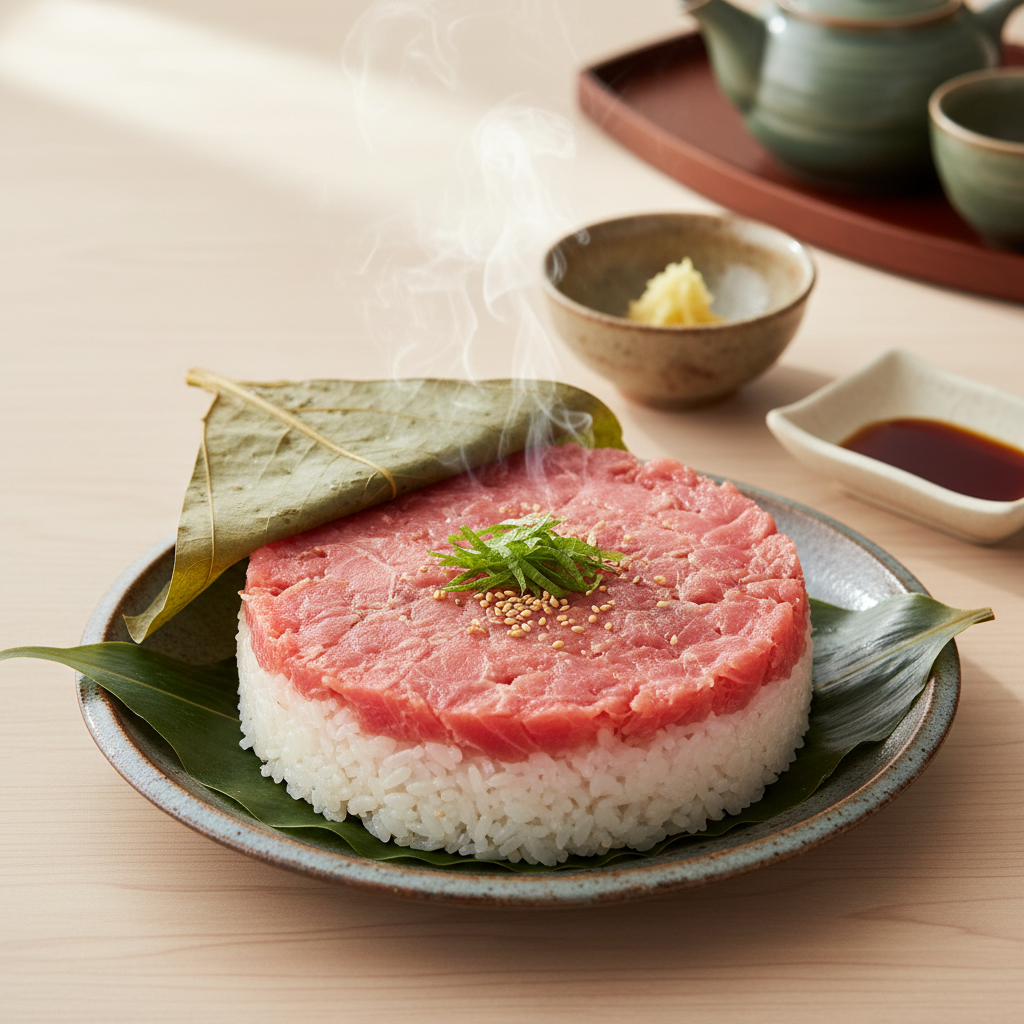
Masu sushi (ますずし) is a regional dish representative of Toyama Prefecture and is also known nationwide as a station bento. It is a type of pressed sushi made by salt-curing slices of cherry salmon, wrapping them with vinegared rice and bamboo leaves, and is characterized by its beautiful pale pink appearance and distinctive flavor.
Within Toyama Prefecture, various written forms exist such as “masu sushi,” “masu no sushi,” and “鱒寿司,” but all refer to the same food culture. Round wooden bent-wood containers (wappa) are lined with bamboo leaves, and vinegared rice and salmon are layered on top and pressed down with a weight, creating a unique texture and flavor.
Currently, there are more than 20 specialty shops in Toyama City alone, with each store preserving its own unique methods and tastes. It is also widely distributed as a station bento and can be purchased at Toyama Station and on Hokuriku Shinkansen trains, making it a food representative of Toyama.
History and Origins of Masu Sushi in Toyama Prefecture
Birth in the Edo Period
The history of masu sushi dates back to the Edo period, specifically the Kyoho era (1716–1736). It is said that a Toyama clan samurai and skilled cook named Yoshimura Shinpachi created a sweetfish sushi (ayu no sushi) for the third lord of the clan, Maeda Toshoori.
Yoshimura Shinpachi originally possessed talent as a chef and invented sushi using sweetfish caught in the Jinzu River. Impressed by its excellent taste, Maeda Toshoori decided to present it to the shogun of the Edo bakufu, Tokugawa Yoshimune, as a specialty of Toyama.
Praise from Shogun Yoshimune and Nationwide Spread
The sweetfish sushi presented by Maeda Toshoori earned the praise of the eighth shogun, Tokugawa Yoshimune. With the shogun’s recognition of its quality, masu sushi became known throughout the nation as a specialty of Toyama. Subsequently, the main ingredient changed from sweetfish to cherry salmon, and the current form of masu sushi was established.
The change to cherry salmon is attributed to the abundant catch of cherry salmon ascending the Jinzu River and the fact that its beautiful pale pink flesh was well-suited for sushi. By the late Edo period, masu sushi had become established as Toyama’s representative regional cuisine and was valued as a food with high preservability.
Development in the Modern Era
With the opening of railways in the Meiji period, masu sushi began to be sold as station bento. This increased its popularity among travelers and business travelers visiting Toyama, further raising its nationwide recognition.
Today, while preserving traditional methods, each shop employs its own innovations, creating diverse variations. From premium products using wild cherry salmon to easily purchasable items, a wide range of products at various price points are in circulation.
Major Transmission Regions and Food Culture
Transmission Throughout Toyama Prefecture
Masu sushi is made and eaten throughout Toyama Prefecture as a regional dish, but there are particularly many specialty shops concentrated in the Toyama City area. Traditional method-preserving stores also exist in areas such as Yao District of Toyama City, Takaoka City, and Uozu City.
Manufacturing methods and seasonings vary subtly by region, with differences in vinegar rice firmness, salmon saltiness, and bamboo leaf usage. This diversity demonstrates the richness of masu sushi’s food culture.
Eating Occasions and Seasons
Masu sushi is manufactured and sold throughout the year, but is particularly eaten during the following seasons and occasions.
Spring to Early Summer: This is the season when cherry salmon is at its peak, and the most delicious masu sushi is made. Fresh masu sushi using cherry salmon ascending the Jinzu River has a unique flavor available only in this season.
Souvenirs and Gifts: Year-round, it is used as a souvenir when visiting Toyama and as a gift for relatives and friends in other prefectures. Its high preservability and ability to be transported at room temperature make it an ideal souvenir.
Celebrations and Events: Locally, masu sushi appears on tables during celebrations, family gatherings, and memorial services. For Toyama residents, it is also cherished as food for special occasions.
Station Bento and Travel Companion: Many people purchase it as station bento when traveling on the Hokuriku Shinkansen or conventional trains and enjoy it in the car. Multiple manufacturers of masu sushi are sold at Toyama Station, allowing for taste comparisons.
Main Ingredients Used
Cherry Salmon (Sakura Masu)
The star ingredient of masu sushi is cherry salmon (sakura masu). Cherry salmon is an anadromous fish that ascends rivers such as the Jinzu River from spring to early summer, characterized by its beautiful pale pink flesh.
Wild and Farmed: The highest-grade masu sushi uses wild cherry salmon, but many shops today use farmed cherry salmon or rainbow trout. Wild fish are rare and expensive, but their flavor is exceptional.
Salt-Curing Process: Fresh cherry salmon is pickled in salt, excess moisture is removed, and umami is concentrated. The salt balance is a trade secret of each shop and is an important process that determines the taste of masu sushi.
Rice (Vinegared Rice)
High-quality rice such as Toyama Prefecture-grown Koshihikari is used. After cooking the rice, vinegared rice is made by adding rice vinegar such as Chidori vinegar, sugar, and salt. The firmness of the vinegared rice and the strength of acidity are characteristics that vary by shop.
Bamboo Leaves
The bamboo leaves used to cover the bottom, sides, and top of the bent-wood container are not merely decorative. Bamboo leaves have antibacterial properties and play a role in improving the preservability of masu sushi. Additionally, the bamboo aroma transfers to the masu sushi, creating a distinctive flavor.
Other Ingredients
Rice Vinegar: An important ingredient for making vinegared rice, and Chidori vinegar and other rice vinegars traditionally used in Toyama are preferred.
Salt: Used in salt-curing the salmon and seasoning the vinegared rice.
Sugar: Used to add sweetness to the vinegared rice.
Bent-Wood Container: A round container made by bending natural cedar and other wood materials, a traditional container for masu sushi. The wood aroma transfers to the masu sushi and enhances its flavor.
How to Make Masu Sushi (Ingredients for 2 people)
Ingredients
Salmon
- Cherry salmon (or masu): approximately 200g (sliced)
- Salt: as needed (approximately 3% of the salmon’s weight)
Vinegared Rice
- Rice: 2 cups
- Rice vinegar: 4 tablespoons
- Sugar: 2 tablespoons
- Salt: 1 teaspoon
Others
- Bamboo leaves: 10–15 leaves
- Bent-wood container (or round cake pan, etc.): approximately 15cm diameter
Instructions
1. Salt-Curing the Salmon
Sprinkle salt evenly over the cherry salmon slices and arrange them on a baking sheet. Place in the refrigerator for 3–4 hours, then wipe away any water that has come out of the salmon with paper towels. The salt-curing time can be adjusted to preference, but be careful not to make it too salty if left too long.
2. Preparing the Vinegared Rice
Rinse and cook the rice normally. Mix rice vinegar, sugar, and salt to make a seasoning vinegar. Transfer the cooked rice to a bowl or sushi oke and drizzle the seasoning vinegar while cutting with a rice paddle. Cool while fanning with an uchiwa fan for glossy vinegared rice.
3. Preparing the Bamboo Leaves
Lightly rinse the bamboo leaves and wipe away moisture. Trim off the hard central stem. Line the interior of the bent-wood container with bamboo leaves arranged radially. Arrange the leaves to cover not just the bottom but also the sides.
4. Arranging the Vinegared Rice and Salmon
Spread half the vinegared rice evenly in the bamboo-leaf-lined bent-wood container. Arrange the salt-cured salmon slices on top with no gaps. Place the remaining vinegared rice on top of the salmon and level it.
5. Pressing Down
Cover the vinegared rice with bamboo leaves and place a drop lid (or plate) on top. Place a weight (2–3kg) on it and press in the refrigerator for 3–4 hours or more. Leaving it overnight allows the flavors to meld better.
6. Finishing
Remove the weight and take the masu sushi out of the bent-wood container. Divide into approximately 8 wedges while still wrapped in bamboo leaves. When cutting, use a very sharp knife and wipe it with a damp cloth after each cut for clean cuts.
Tips for Making
Salt Balance: Salt-curing the salmon is the most important step in determining the taste of masu sushi. If too little salt, preservability decreases; if too much, it becomes overly salty. Aim for 3% of the salmon’s weight and adjust to preference.
Vinegared Rice Firmness: Traditional masu sushi vinegared rice is finished on the firmer side. When pressing with a weight, the vinegared rice becomes appropriately compressed and bonds with the salmon.
Importance of Weight: By applying weight, the salmon and vinegared rice bond, and bamboo aroma transfers. If the weight is too light, the sushi may crumble when cut.
Effect of Bamboo Leaves: Bamboo leaves serve both antibacterial and flavoring roles. Using fresh bamboo leaves results in more aromatic masu sushi.
How to Eat and Dining Methods
Basic Way to Eat
Masu sushi is cut and served wrapped in bamboo leaves. When eating, open the bamboo leaves and remove the sushi. Leave the bamboo leaves on the edge of the plate without eating them.
Eating as Is: The most common way to eat masu sushi is plain. You can enjoy the harmony of the salmon’s saltiness, the vinegared rice’s acidity, and the bamboo aroma. It is customary to eat without soy sauce, though a small amount may be added if preferred.
With Wasabi: Adding a small amount of wasabi brings out the richness of the salmon’s fat. However, using too much wasabi diminishes the delicate original flavor of masu sushi, so caution is necessary.
With Ginger: Adding pickled ginger (gari) refreshes the palate and makes the next bite taste even better.
Temperature and Optimal Eating Time
Masu sushi is best eaten at room temperature or slightly chilled. When freshly removed from the refrigerator, the vinegared rice becomes hard and the salmon’s flavor is less noticeable. For better taste, remove from the refrigerator 30 minutes to 1 hour before eating and let it return to room temperature.
Tips for Cutting
When cutting masu sushi at home, use a very sharp knife. Dampen the knife with a wet cloth and wipe it after each cut for clean slices. When cutting through the bamboo leaves, use gentle pressure and pull the knife rather than pushing down hard.
Experience and Ways to Enjoy
Masu sushi can be enjoyed not just by eating it but also by experiencing its manufacturing process. Several facilities in Toyama Prefecture hold masu sushi-making experience classes where you can take home what you have made. Through this experience, you can develop a deeper understanding of masu sushi’s traditional methods and food culture.
Storage Methods and Shelf Life
Storage Basics
Masu sushi is relatively shelf-stable due to the antibacterial properties of bamboo leaves. After purchase, store away from direct sunlight in a cool place. During summer or on hot days, refrigeration is recommended.
Room Temperature Storage: In cooler seasons when temperatures are below 20 degrees Celsius, room temperature storage is possible. Ideally, consume on the day of purchase or the next day.
Refrigerated Storage: When storing in the refrigerator, place in plastic wrap or a storage bag to prevent drying out. Refrigerated masu sushi can be enjoyed for 2–3 days, though the vinegared rice tends to become firmer.
Freezer Storage: For long-term storage, freezing is possible. However, the texture of the vinegared rice changes after thawing, so early consumption is recommended.
Shelf Life
Commercial masu sushi is labeled with a shelf life of 1–3 days from manufacturing. This varies by shop and preparation method, but early consumption after purchase is recommended. Even within the shelf life, it is ideal to consume on the day of opening.
Conservation and Transmission Efforts
Successors and Specialty Shops
Multiple traditional shops in Toyama Prefecture continue to preserve methods passed down since the Edo period. These shops maintain time-honored secret methods and tastes passed through generations, each offering unique masu sushi.
Established Specialty Shops: Centered in Toyama City, long-established shops with over 100 years of history continue operating. At these shops, skilled artisans hand-make masu sushi one by one, with their techniques being passed to successors.
New Generation Initiatives: While preserving tradition, younger-generation artisans are developing products tailored to modern consumer needs. Half-size and individually packaged varieties have appeared, making masu sushi more accessible.
Preservation Associations and Local Activities
Various efforts to preserve masu sushi traditions and transmit them to the next generation are underway in Toyama Prefecture.
Masu Sushi Association: An association of masu sushi manufacturers in Toyama City works to maintain quality and preserve traditional methods. The association regularly holds technical training sessions and focuses on training young artisans.
Food Culture Promotion Activities: Masu sushi is provided in school lunches and masu sushi-making experiences are held as part of food education, conveying Toyama’s food culture to children.
Product Development and Contemporary Initiatives
Station Bento Distribution: Masu sushi is sold as station bento at Toyama Station and major stations in the Hokuriku region. The opening of the Hokuriku Shinkansen has made masu sushi known to more travelers.
Online Sales: With the spread of the internet, masu sushi can now be ordered online from outside Toyama Prefecture. With refrigerated delivery, fresh masu sushi can be enjoyed anywhere in the country.
Social Media Information Sharing: Many masu sushi specialty shops use social media to share product information and manufacturing processes. Through Instagram and Facebook, masu sushi’s appeal is widely communicated, gaining popularity with younger generations.
Utilization as a Tourism Resource: Masu sushi plays an important role in Toyama Prefecture’s tourism promotion. In tourism brochures and websites, masu sushi is introduced as Toyama’s representative food culture, motivating many tourists to visit Toyama.
Tasting Comparison Events: Events like “masu sushi food walks” hosted by the Toyama City Tourism Association are held periodically. These events allow visitors to compare masu sushi from multiple shops, learning about each shop’s individuality and characteristics.
Certification Systems and Quality Control
Toyama Prefecture also undertakes efforts to guarantee the quality of masu sushi made with traditional methods. Some associations operate certification systems that establish standards for raw materials and methods, awarding certification marks to products meeting these standards.
This allows consumers to confidently select authentic masu sushi and supports shops preserving traditional methods.
Famous Shops in Toyama Prefecture
Multiple specialty masu sushi shops with distinct characteristics exist in Toyama Prefecture. Here, we introduce some representative establishments.
Minamoto (源)
An established shop with branches including one inside Toyama Station, also famous as station bento. It provides consistently high-quality masu sushi while preserving traditional methods. It is one of the most easily accessible shops when visiting Toyama.
Aoyama Sohonpo
It develops premium-oriented products such as special sushi series using wild cherry salmon. Its characteristic method includes using Chidori vinegar, specially cultivated Koshihikari rice, bear bamboo, and natural cedar bent-wood containers. It is popular as a gift item.
Sushi Ichi (Yao, Toyama City)
A shop gaining a reputation for masu sushi made by the owner, a former sushi chef. Operating as a takeout-only shop, it has earned strong support from local residents. It provides carefully crafted masu sushi showcasing the artisan’s skill.
Other Notable Shops
With over 20 masu sushi specialty shops in Toyama City alone, each pursues its own distinctive taste. Characteristics differ by shop in vinegared rice firmness, salmon saltiness, and bamboo leaf usage. When visiting Toyama, we recommend comparing masu sushi from multiple shops.
Masu Sushi and Toyama’s Food Culture
Food Culture Rooted in the Community
Masu sushi is not merely food but represents Toyama Prefecture’s history, nature, and people’s lives concentrated in a single dish. Using the region’s natural resource of cherry salmon ascending the Jinzu River and made with traditional methods spanning from the Edo period, masu sushi has become part of Toyama residents’ identity.
Seasons and Nature’s Blessings
Masu sushi’s deliciousness is supported by Toyama’s abundant natural environment. Clear water flowing from the Tateyama mountain range nourishes the rice, cherry salmon ascend the Jinzu River, and bamboo leaves grow wild in mountainous areas—all gifts of Toyama’s nature.
The ascent of cherry salmon from spring to early summer is a seasonal phenomenon for Toyama people, and masu sushi made during this time has a special flavor. Enjoying masu sushi as seasons change symbolizes the richness of Toyama’s food culture.
Tourism and Regional Revitalization
Masu sushi plays an important role as a tourism resource for Toyama Prefecture. Many tourists visit Toyama for masu sushi and encounter Toyama’s history and culture alongside experiencing its taste.
With the opening of the Hokuriku Shinkansen, access from Tokyo to Toyama improved significantly, allowing more people to enjoy masu sushi. Masu sushi serves an important role in conveying Toyama’s appeal nationwide.
Transmission to the Future
The masu sushi tradition, continuing for nearly 300 years since the Edo period, is carefully preserved by contemporary artisans. While inheriting traditional methods, new efforts adapted to modern needs are also underway, allowing masu sushi’s food culture to continue evolving.
Through food education for younger generations, information sharing via social media, expanded online sales, and other initiatives, masu sushi’s appeal is being passed to the next generation. Toyama’s treasure, masu sushi’s food culture, will continue to be loved by many people.
Conclusion
Masu sushi is a regional dish representing Toyama Prefecture with a long history and traditions spanning the Edo period and constitutes an important food culture. The unique manufacturing method using salt-cured cherry salmon, vinegared rice, and bamboo leaves is a masterpiece created through Toyama’s natural environment and human wisdom.
Today, known nationwide as station bento, many visitors to Toyama enjoy its taste. Over 20 specialty shops in Toyama Prefecture each preserve their unique methods and flavors, offering comparison-tasting enjoyment. While preserving tradition, modern initiatives continue, allowing masu sushi’s food culture to keep evolving.
When visiting Toyama, please taste authentic masu sushi and experience its history and traditions firsthand.