What is Sawachi Cuisine? A Complete Explanation of Kochi Prefecture’s Luxurious Traditional Dish and Its History
One of the food cultures you must experience when visiting Kochi Prefecture is “sawachi ryori” (皿鉢料理). This traditional local dish, with its colorful array of foods arranged on a large plate, has been beloved by local people for many years as a symbol of Kochi Prefecture’s “spirit of hospitality” and “banquet culture.”
This article provides a detailed introduction to sawachi cuisine, including its history, characteristics, types, how to enjoy it, and restaurants in Kochi Prefecture where you can taste this traditional dish.
Basic Knowledge of Sawachi Cuisine
What is Sawachi Cuisine?
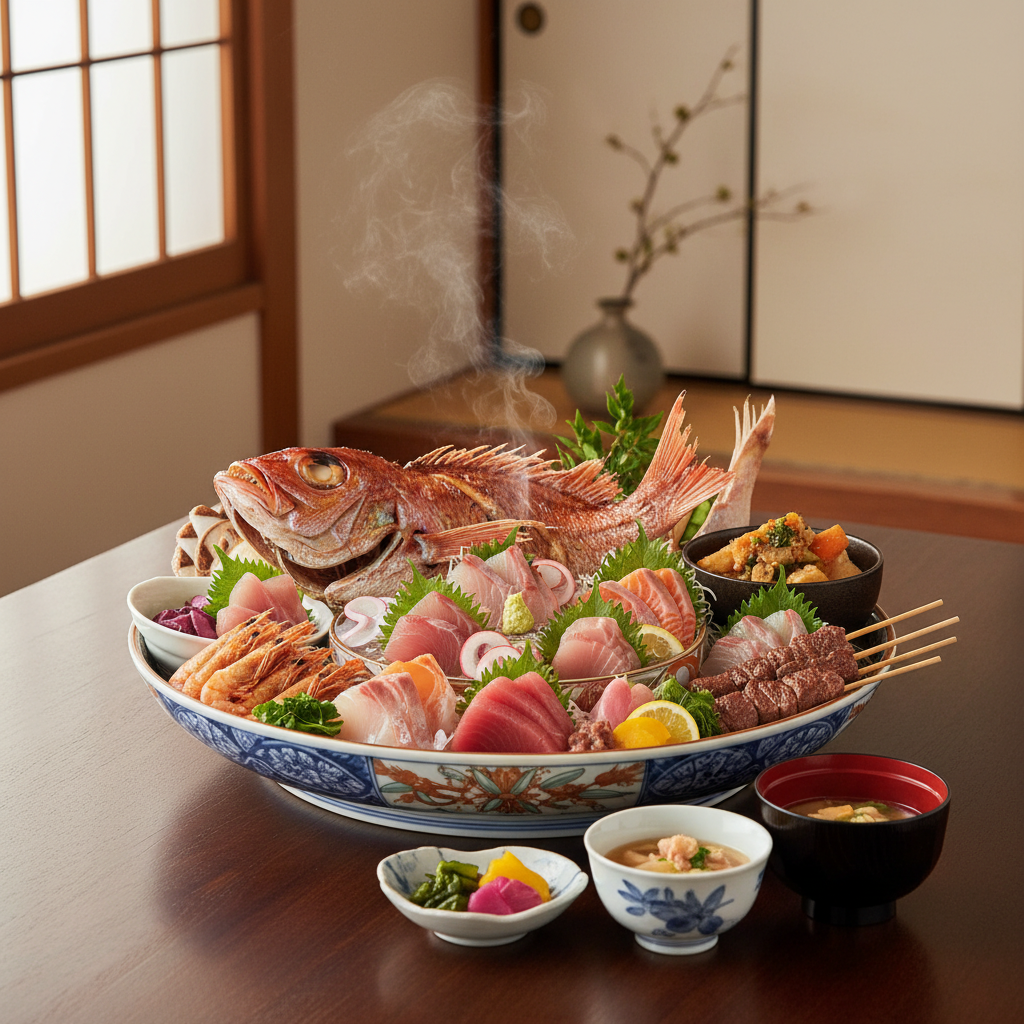
Sawachi cuisine is a traditional Kochi Prefecture banquet dish in which sashimi, sushi, tempura, simmered dishes, and various other foods are boldly arranged on a large ceramic plate (sawachi) measuring approximately 40 to 50 centimeters in diameter. The characteristic style is that diverse dishes are beautifully arranged on one plate, and all participants take portions and eat together.
The word “sawachi” (皿鉢) comes from Tosa dialect and means “large plate.” This style of cuisine has become an essential part of Kochi Prefecture’s unique banquet culture called “okkyaku,” and is provided for a wide range of occasions, from special events like weddings, memorial services, and festivals to everyday gatherings.
History and Origins of Sawachi Cuisine
There are various theories about the origins of sawachi cuisine, but the most widely accepted theory is that it was established from the late Edo period through the Meiji era.
During the Tosa feudal domain period, it was common practice at samurai banquets to serve food divided among many small plates. However, as this required much preparation and cleanup work, a style gradually developed where dishes were combined and arranged on one large plate.
Additionally, Tosa has long been known for its active fishing industry, with abundant fresh seafood easily available. Taking advantage of this geographical advantage, a culture developed where freshly caught fish were used as the centerpiece for sashimi, with various dishes combined on one plate.
The warm climate and rich natural environment of Kochi Prefecture, as well as the characteristic “igosso” (stubborn and spirited) nature of the prefecture’s residents, are believed to have influenced the formation of this bold culinary culture.
Deep Connection with Tosa’s “Okkyaku Culture”
When discussing sawachi cuisine, one cannot overlook Kochi Prefecture’s unique banquet culture, “okkyaku.” “Okkyaku” is Tosa dialect for “guest” or “banquet,” and the people of Kochi have long valued inviting people and sharing drinks above all else.
At okkyaku gatherings, equal enjoyment of all participants is emphasized. Sawachi cuisine can be said to embody this spirit. The style of having each participant freely take what they like from a large plate symbolizes equal relationships that transcend hierarchy.
Additionally, in Kochi Prefecture there is a unique drinking culture called “henhai” (返杯). This is a practice where you offer your cup to the other person, they drink from it, and then return it to you. It is an important element that enlivens okkyaku gatherings. Sawachi cuisine, together with this henhai culture, is the star that colors Kochi Prefecture’s banquets.
Types and Characteristics of Sawachi Cuisine
Sawachi cuisine has five basic types: “kumimono” (組みもの), “nama” (生), “sushi” (すし), “agemono” (揚げもの), and “nimono” (煮もの). Let’s examine the characteristics of each in detail.
Kumimono Sawachi
“Kumimono” is the most luxurious sawachi cuisine, with an assortment of sashimi, sushi, tempura, simmered dishes, and other foods arranged on one plate. Due to its varied content and gorgeous appearance, it is often served at formal occasions like weddings and memorial services.
Within one plate, treasures from the sea, mountain delicacies, fried foods, and vinegared dishes are arranged in harmonious balance, with careful attention to prevent the diner from becoming bored. By incorporating seasonal ingredients, kumimono sawachi allows one to enjoy flavors that change with the four seasons.
Nama Sawachi
“Nama” is sawachi cuisine centered on fresh sashimi. Kochi Prefecture faces the Pacific Ocean and benefits from the Kuroshio Current, bringing abundant seafood. Bonito, tuna, sea bream, yellowtail, mackerel, and other seasonal fish are arranged abundantly on a large plate as sashimi.
In particular, “bonito tataki,” a representative dish of Kochi Prefecture, is a staple of nama sawachi. The style of lightly searing the surface of bonito to add a smoky aroma, then eating it with sauce generously topped with condiments, is a uniquely Kochi way of enjoying the dish.
In nama sawachi, the cook’s skill shines through not just in the variety of fish, but also in the cutting method and plating technique. A sawachi with artistically arranged colorful sashimi truly deserves to be called “edible art.”
Sushi Sawachi
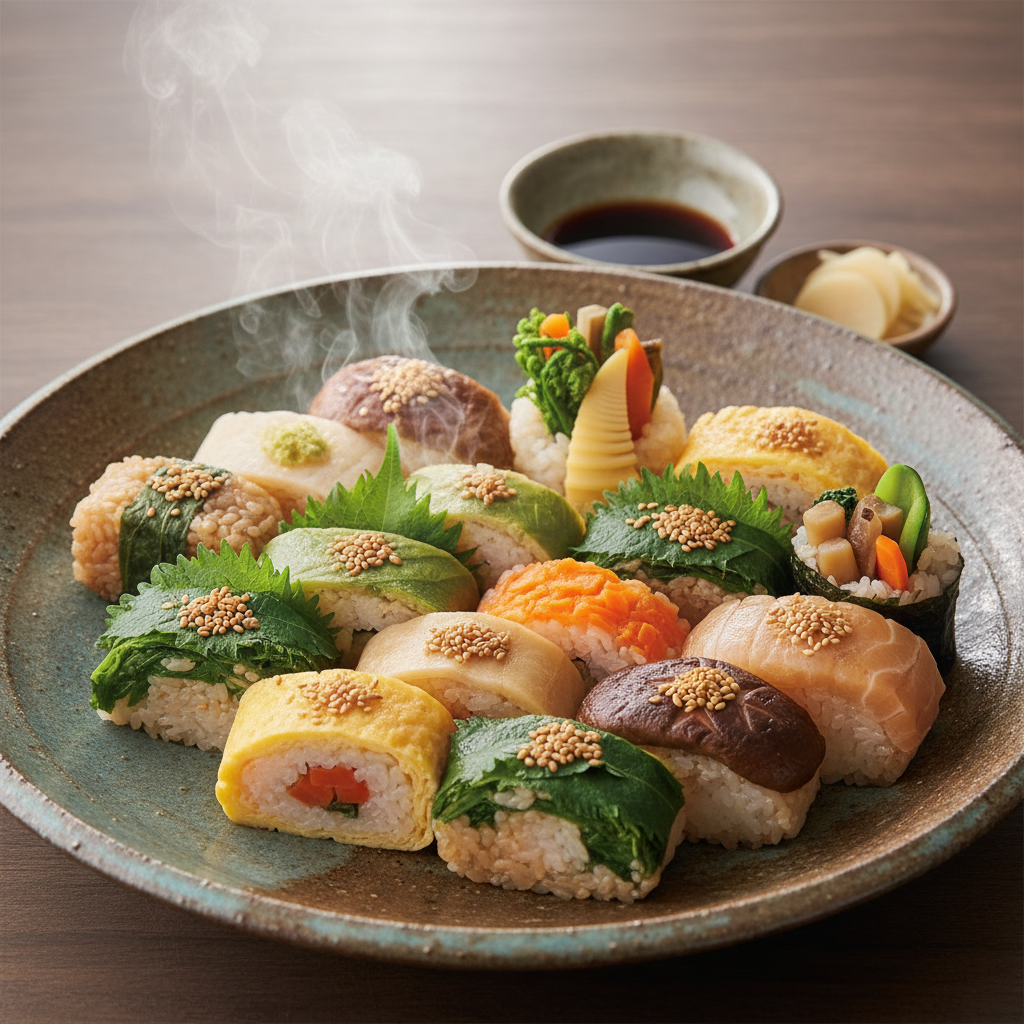
“Sushi” is sawachi cuisine featuring an assortment of hand-formed sushi, rolled sushi, inari sushi, and other varieties. In Kochi Prefecture, sushi also occupies an important place in sawachi cuisine.
What is distinctive is the inclusion of “inaka-zushi” (country sushi), which differs from standard Edo-style sushi. Inaka-zushi includes not only seafood but also wild vegetables and vegetables, combining ingredients like myoga (Japanese ginger), shiitake mushrooms, bamboo shoots, and ryukyu (taro stems) with vinegared rice in a unique style.
This country sushi is a product of wisdom born in mountainous areas where seafood was difficult to obtain, and it represents the diverse food culture of Kochi Prefecture.
Agemono Sawachi
“Agemono” is sawachi cuisine centered on tempura and fried chicken. Seafood tempura, vegetable tempura, and chicken karaage are arranged boldly on a large plate.
In Kochi Prefecture, “sea moray karaage” is particularly known as a delicacy. Although the sea moray looks intimidating, it is actually a mild-flavored, delicate white fish that becomes so crispy when deep-fried that you can eat even the bones.
Fresh fish tempura from local catches is light and crispy, allowing you to fully enjoy the flavor of the ingredients. Agemono sawachi, with vegetable tempura of the season well balanced throughout, is also perfect as a snack to accompany sake.
Nimono Sawachi
“Nimono” is sawachi cuisine centered on simmered fish and other simmered dishes. Simmered bonito, simmered yellowtail, simmered taro, simmered bamboo shoots, and other warm dishes made with seasonal ingredients are served.
Simmered dishes in Kochi Prefecture are characterized by a sweet flavor using generous amounts of sugar. This is said to derive from times when sugar was a precious commodity, and hosts would use sugar generously to welcome guests.
Nimono sawachi offers a warm, comforting taste compared to other types of sawachi cuisine, and tends to be favored especially in winter and by older people.
Essential Ingredients in Sawachi Cuisine
Bonito – Kochi Prefecture’s Representative Fish
Bonito is a representative fish of Kochi Prefecture and holds a central place in sawachi cuisine. In particular, “bonito tataki” is nationally famous as a Kochi regional specialty.
In Kochi Prefecture, bonito has two peak seasons per year: spring and autumn. Spring’s “hatsugatsuo” (first bonito) has less fat with a light taste, while autumn’s “modori-gatsuo” (returning bonito) is fatty with a rich flavor.
The preparation of bonito tataki involves lightly searing the surface of fresh bonito with straw, chilling it in cold water, and then slicing it. It is served with condiments like garlic, ginger, green onion, and myoga, seasoned with ponzu sauce or salt. The wonderful harmony of smoky aroma and raw texture creates an unforgettable taste.
Shimizu Mackerel – Kochi’s Prized Fish
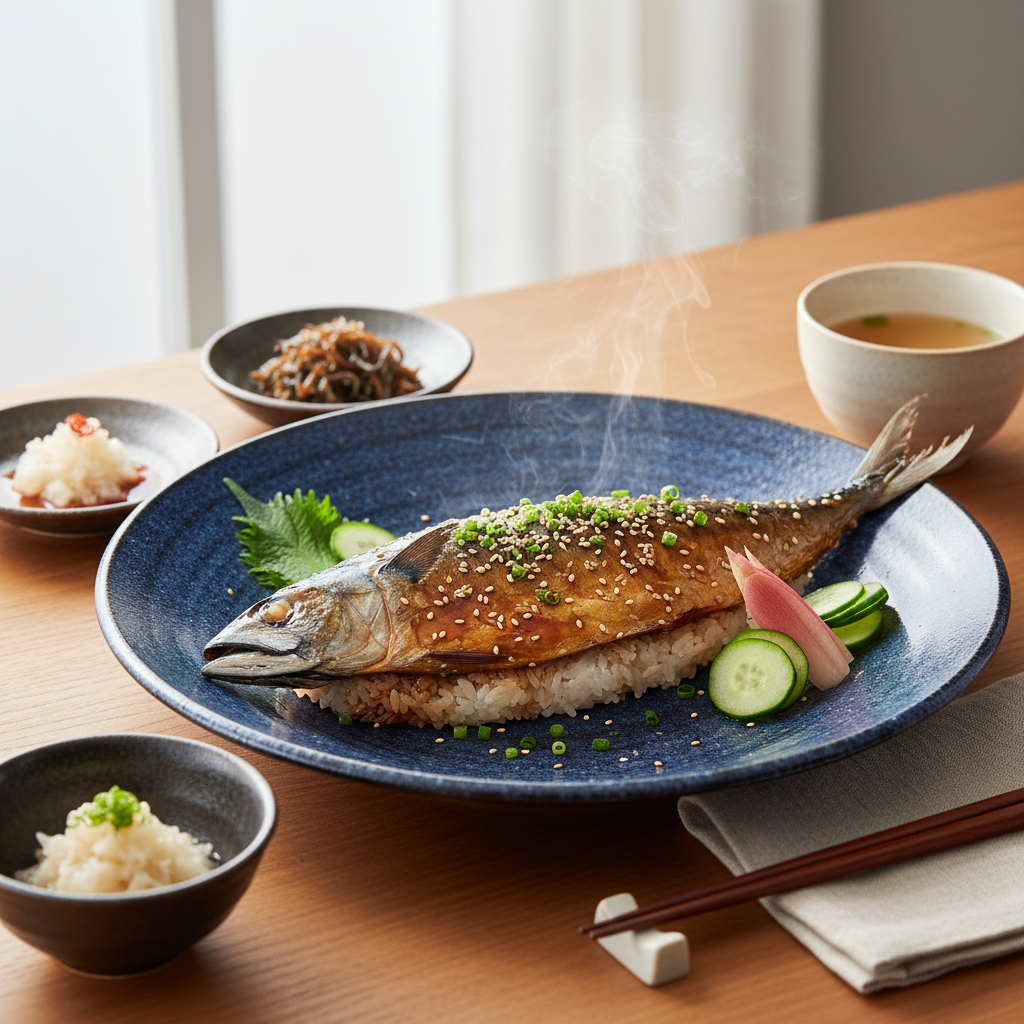
Shimizu mackerel is the brand name for Spanish mackerel caught and landed in Shimizu City, Kochi Prefecture. Carefully caught by single-line fishing with thoroughly controlled freshness, it is exquisite when eaten raw.
Normally, mackerel is considered perishable and unsuitable for raw consumption, but Shimizu mackerel has exceptional freshness and is used as sashimi in sawachi cuisine. The fatty meat has a melting texture, completely changing the concept of what mackerel can be, with an extraordinary deliciousness.
Sea Moray – Kochi Prefecture’s Delicacy
Sea moray has long been eaten in Kochi Prefecture. Though fearsome in appearance, it is actually high in protein, low in fat, and a healthy ingredient rich in collagen.
In sawachi cuisine, sea moray karaage or tataki may be served. The karaage is fried until so crispy the bones can be eaten, making it perfect as a beer snack. The tataki is seared on the surface like bonito and eaten with abundant condiments.
Mountain Produce – Wild Vegetables and Vegetables
Kochi Prefecture is abundant not only in seafood but also in mountain products. Seasonal wild vegetables and vegetables are essential in sawachi cuisine.
Myoga, shiitake mushrooms, bamboo shoots, and ryukyu (taro stems) are used as ingredients in country sushi. Vegetables like eggplant, bell pepper, and pumpkin are fried as tempura and add color.
Ryukyu in particular is a unique ingredient of Kochi Prefecture, characterized by its crisp texture and refreshing flavor. As a component of vinegared dishes and sushi, it has become an indispensable part of sawachi cuisine.
Plating and Aesthetics of Sawachi Cuisine
Color Balance
The most important consideration in plating sawachi cuisine is color balance. By arranging foods in various colors—red (tuna or shrimp), white (squid or white fish), yellow (tamagoyaki or lemon), and green (shiso leaves or vegetables)—a visually beautiful plate is completed.
Colorful plating not only stimulates the appetite but also creates an effect of making the banquet setting more elegant. Skilled chefs carefully arrange colors to match the season and nature of the occasion.
Height and Three-Dimensionality
In plating sawachi cuisine, it is also important to add height and three-dimensional quality so the plate doesn’t appear flat. By layering sashimi or standing tempura upright, a dynamic and impressive arrangement is achieved.
This three-dimensional plating is also a technique for beautifully arranging many dishes in a limited space. It is where a chef’s skill truly shines.
Expression of Seasons
Kochi chefs take great care to incorporate seasonal elements into sawachi cuisine. Spring brings cherry blossom leaves or rape blossoms, summer brings shiso or myoga, autumn brings maple leaves or persimmons, and winter brings yuzu or water greens. Through such seasonal presentation, the beauty of Japan’s four seasons is expressed.
This kind of seasonal refinement carries on traditional Japanese culinary aesthetics and demonstrates that sawachi cuisine is not merely a large plate dish but a regional specialty with artistic merit.
How to Enjoy Sawachi Cuisine and Etiquette
Rules for Taking Portions
Sawachi cuisine is eaten in a style where all participants take portions from the same plate, and there are some unspoken rules to follow.
First, don’t take too much at once. Considering the other participants, taking small portions is proper etiquette. Additionally, hesitating with chopsticks on the plate, known as “mayoi-bashi” (wavering chopsticks), should be avoided. Decide what you want before extending your chopsticks.
When taking portions, it’s important to consider the balance of the plating. Rather than taking from just one area, taking equally from throughout allows the beautiful presentation to be maintained to the end.
Compatibility with Alcoholic Beverages
Sawachi cuisine is meant to be enjoyed with alcoholic beverages. Kochi Prefecture is also known as a sake-producing region, with many famous brands like “Tosatsuru,” “Suigyo,” “Bijotetsuo,” and “Tsukasabottan.”
In particular, raw dishes like bonito tataki pair well with dry sake. Fried foods also pair excellently with cold beer or shochu. In Kochi Prefecture, the traditional style is to enjoy local sake through the “henhai” custom while savoring sawachi cuisine.
Behavior at Okkyaku
At okkyaku gatherings, a unique game called “hashi-ken” (chopstick fist) sometimes takes place. This is similar to rock-paper-scissors using chopsticks, with the loser drinking sake.
Additionally, in Kochi Prefecture it is common for people to sing folk songs like “Yosakoi Bushi” or “Nangoku Tosa wo Sato ni Shite” during banquets, spending lively and enjoyable times singing, dancing, and talking while gathered around sawachi cuisine.
By experiencing such culture, you can feel not only the taste of sawachi cuisine but also the warmth and cheerful character of Kochi’s people.
Sawachi Cuisine in Modern Times
Sawachi Cuisine at Home
In modern times, the custom of preparing sawachi cuisine on special occasions remains in Kochi households. However, since making a full-fledged traditional sawachi cuisine from scratch is time-consuming, it has become increasingly common for people to order sawachi cuisine from restaurants or supermarkets.
Many restaurants prepare custom-made sawachi cuisine according to budget and number of people. A wide range of prices are offered, from affordable options around 3,000 yen to luxurious ones exceeding 10,000 yen.
Sawachi Cuisine for Tourists
For tourists visiting Kochi Prefecture, sawachi cuisine is a food culture that must be experienced. Therefore, numerous restaurants in Kochi City and tourist destinations offer sawachi cuisine to tourists.
“Mini sawachi” that can be ordered for one person, and set meals incorporating sawachi elements have also appeared, allowing small groups to easily enjoy sawachi cuisine. This has made it possible to experience sawachi cuisine even without a large group.
Evolution and Creative Dishes of Sawachi Cuisine
While preserving tradition, new sawachi cuisine has emerged that adapts to modern food culture. Creative sawachi incorporating Western ingredients, health-conscious vegetable-centered sawachi, and other innovations responding to contemporary needs can be seen.
Additionally, sawachi cuisine pursuing visual beauty that photographs well on social media, and innovative sawachi using new local ingredients are being created with appeal to younger generations.
Such evolution represents an important effort to pass this traditional culture to the next generation.
Famous Restaurants Serving Sawachi Cuisine
Longstanding Restaurants in Kochi City
Kochi City has many traditional restaurants serving sawachi cuisine. “Tosa Ryori Tsukasa,” “Tokugetsurou,” and “Hamanaga” are popular among both local people and tourists.
At these establishments, you can taste authentic sawachi cuisine carefully prepared by skilled chefs. Many require reservations, so it’s recommended to check in advance.
Experiencing It Easily at Hirome Market
“Hirome Market” in central Kochi City is a food court-style market popular with tourists. Here you can enjoy Kochi regional specialties like bonito tataki at reasonable prices.
While few shops serve complete sawachi cuisine, you can order individual elements of sawachi cuisine like sashimi, sushi, and tempura, and enjoy your own “sawachi style.” The lively atmosphere full of locals and tourists is also part of Hirome Market’s charm.
Sawachi Cuisine at Inns and Hotels
Many inns and hotels in Kochi Prefecture include sawachi cuisine in their accommodation plans. Particularly at hot spring inns, plans that combine hot springs with sawachi cuisine are popular.
Sawachi cuisine at lodging facilities allows you to enjoy it slowly in a private room, making it ideal for families and group tours. With advance reservation, you can arrange sawachi cuisine tailored to your preferences and budget.
Sawachi Cuisine and Other Kochi Regional Dishes
Bonito Tataki
As mentioned previously, bonito tataki is a signature regional specialty of Kochi Prefecture and a staple of sawachi cuisine. The smoky aroma from straw-grilling and the fresh taste from the condiments are its characteristics—a must-eat dish when visiting Kochi Prefecture.
Salt-Seared Bonito
While regular bonito tataki is eaten with sauce, Kochi also has “salt tataki,” which is popular among locals. This style of eating allows you to enjoy the pure taste of bonito directly.
Sea Moray Tataki
Sea moray, like bonito, is sometimes eaten as tataki. Seared sea moray offers the unique texture of its collagen and mild flavor.
Country Sushi
Country sushi, made with not just seafood but wild vegetables and greens, is a uniquely Kochi sushi. Sushi made with myoga, shiitake, and ryukyu offer a simple yet deep flavor and form an important part of sawachi cuisine.
Imo-Kenpii
As a post-meal dessert, Kochi’s famous confection “imo-kenpii” is also recommended. It’s a simple sweet made by cutting sweet potato into thin pieces, frying it, and sprinkling sugar over it, but its crispy texture and simple sweetness are addictive.
How to Enjoy Sawachi Cuisine at Home
Basic Preparation
To enjoy sawachi cuisine at home, first you need a large plate. A plate over 40 centimeters in diameter is ideal, but a large platter or serving dish works as a substitute.
Next, prepare a variety of dishes. There’s no need to make everything from scratch; you can simply purchase sashimi, sushi, tempura, etc., from a supermarket or department store and combine them.
Tips for Plating
When plating, keep color balance in mind. Arranging various colored ingredients—red, white, yellow, green—makes the appearance more appealing.
Adding height creates three-dimensionality. By slightly overlapping sashimi or standing tempura upright, you can approach a professional-looking result.
Positioning an eye-catching ingredient in the center (a large piece of sashimi or whole grilled sea bream) and arranging other dishes around it creates well-balanced plating.
Recommended Ingredients
Recommended ingredients when making sawachi cuisine at home include the following:
- Sashimi: tuna, salmon, sea bream, squid, etc.
- Sushi: hand-formed sushi, rolled sushi, inari sushi
- Tempura: shrimp, squid, vegetables (eggplant, pumpkin, shishito peppers, etc.)
- Simmered dishes: taro, bamboo shoots, konnyaku
- Other: tamagoyaki, karaage, pickles
Combining these creates a varied and complete sawachi cuisine.
Cultural Significance of Sawachi Cuisine
Role as a Communication Tool
Sawachi cuisine is more than just food; it has served as a communication tool connecting people. The style of having each person take portions from a large plate naturally encourages conversation and brings people closer together.
In modern society, where individual and solitary eating are sometimes problematic, shared dining cultures like sawachi cuisine are important elements that enrich human relationships.
Expression of the Spirit of Hospitality
Sawachi cuisine carries the “spirit of hospitality” of Kochi’s people. The attitude of generously offering luxurious and diverse dishes when welcoming guests expresses care and respect for the other person.
This culture relates to modern concepts of hospitality and has become an important asset in Kochi Prefecture’s tourism industry.
Symbol of Regional Identity
Sawachi cuisine is also a symbol of the regional identity of Kochi residents. Natives of Kochi who move away often reaffirm their attachment to their hometown when they return home and gather around sawachi cuisine.
Additionally, sawachi cuisine plays an important role in Kochi Prefecture’s tourism promotion, communicating the prefecture’s attractions nationwide through this regional specialty.
The Future of Sawachi Cuisine
Challenges in Passing Down Tradition
While sawachi cuisine is a precious food cultural heritage of Kochi Prefecture, its transmission faces challenges. There is concern about the aging of chefs skilled in authentic sawachi cuisine preparation and changing food cultures among younger generations.
However, in Kochi Prefecture, efforts are being made by cooking schools and culinary associations to pass sawachi cuisine techniques to the next generation. Additionally, at the educational level, efforts are made to pass down traditional culture, such as teaching sawachi cuisine in home economics classes.
Potential as a Tourism Resource
Sawachi cuisine is expected to be further utilized as an important tourism resource for Kochi Prefecture. Experience-type tourism programs are being planned, such as sawachi plating experiences and okkyaku culture experience programs.
Additionally, in the age of social media, the visually gorgeous sawachi cuisine is attracting attention as an “Instagrammable” dish, becoming a factor that draws younger tourists.
Globalization and Sawachi Cuisine
With Japanese cuisine drawing worldwide attention in recent years, sawachi cuisine is also beginning to attract international interest. While large-plate dishes exist worldwide, sawachi cuisine, where Japanese aesthetics and technique merge, possesses unique charm.
If future initiatives progress in providing English explanations for international tourists, halal accommodations, and vegetarian options, sawachi cuisine has the potential to develop further as a Japanese food culture that the world can be proud of.
Conclusion
Sawachi cuisine is a unique regional specialty created by Kochi Prefecture’s rich nature and the warm hearts of its people. The colorfully arranged dishes on a large plate serve not only as beautiful visual presentation but also as a communication tool connecting people to people.
Fresh seafood like bonito tataki, country sushi using mountain products, and freshly fried tempura in harmonious arrangement on one plate truly symbolizes the richness of Kochi’s food culture.
Developed alongside the distinctive okkyaku banquet culture, sawachi cuisine continues to be loved by Kochi residents and captivates tourists in modern times. While preserving tradition while adapting to contemporary times, sawachi cuisine will continue to shine as the center of Kochi’s food culture.
When you visit Kochi Prefecture, please experience sawachi cuisine. The luxurious assortment of dishes and the smiling faces of those gathered around surely will become unforgettable memories. And if possible, try to participate in a local “okkyaku” gathering and experience the true Tosa banquet culture by exchanging cups while enjoying sawachi cuisine. There you will find a warm human connection that leaves an even stronger impression than the taste of the food itself.