What is Mamebu Soup? A Thorough Explanation of the History, Preparation Method, and Flavor of Iwate Prefecture Kuji City’s Local Cuisine
“Mamebu soup,” a local dish that has been passed down for generations in Yamakatacho, Kuji City, Iwate Prefecture, is characterized by its sweet and salty flavor. In a soy-based broth, dumplings called “mamebu” filled with walnuts and brown sugar float on the surface—this seemingly unusual combination has captivated many people.
This article provides a thorough explanation of mamebu soup, covering its history and origins, detailed preparation methods, distinctive flavors, and efforts to preserve this unique local dish in modern times.
What is Mamebu Soup? Basic Characteristics
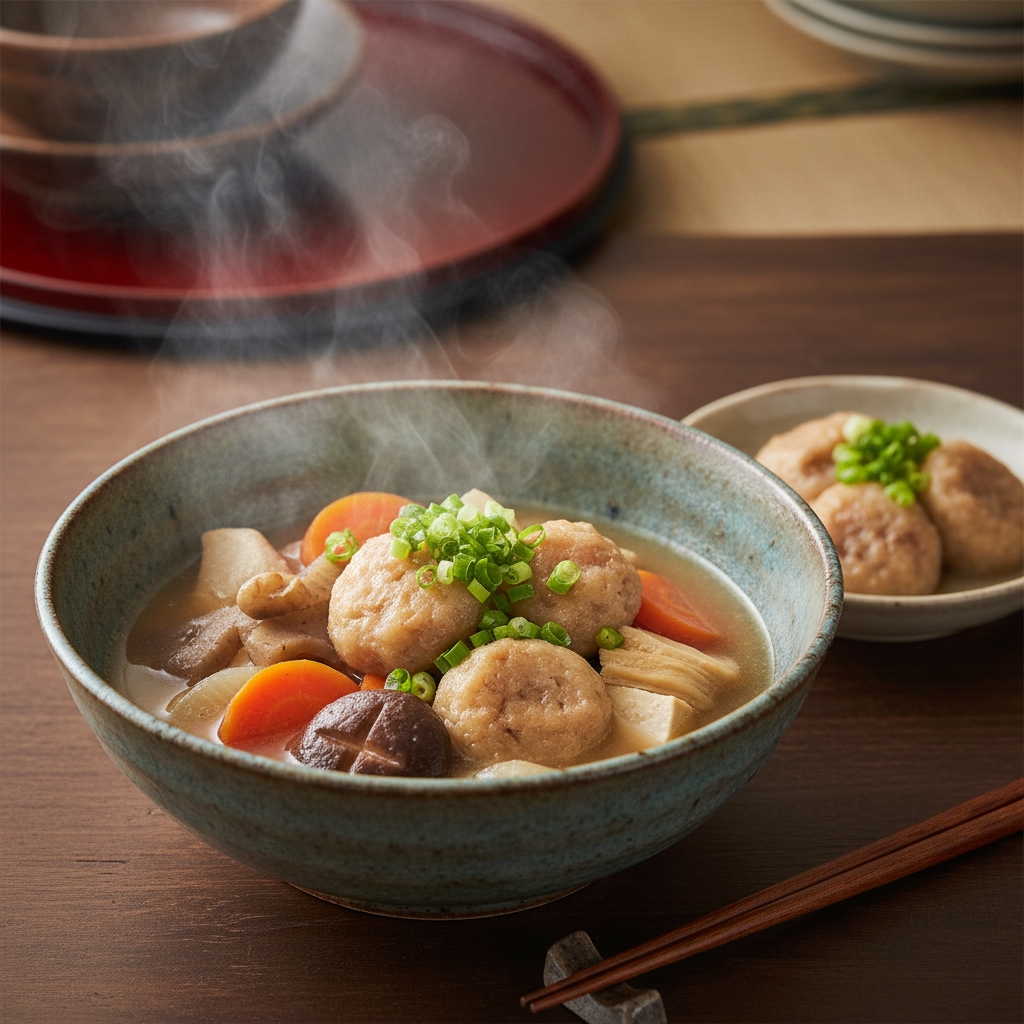
Mamebu soup (mamebu jiru) is a traditional local dish eaten in Yamakatacho, Kuji City, Iwate Prefecture (former Yamakata Village) and surrounding areas of the Kunohe District. It is a dish in which dumplings called “mamebu,” along with vegetables and grilled tofu, are simmered in broth made from dashi prepared with dried sardines and kelp, seasoned with soy sauce.
What is “Mamebu”?
“Mamebu” refers to small dumplings made from dough prepared by mixing wheat flour with water, filled with chopped walnuts and brown sugar. About 2 to 3 centimeters in diameter, they are round and compact in shape. This sweet dumpling in soy-flavored broth creates the distinctive sweet and salty taste.
There are several theories about the name’s origin—one suggests it contains wishes for “diligent work” or “healthy living,” while another suggests it comes from the dumplings’ resemblance to beans. There is also a theory that “bu” refers to “fu” (wheat gluten), reflecting the naming history rooted in the region.
History and Origins of Mamebu Soup
Birthplace and Transmission Areas
Mamebu soup has long been eaten in the Yamakatacho area of Kuji City (former Yamakata Village) and surrounding regions. Yamakatacho, in particular, is an inland mountainous area, and the dish developed in the harsh winters and deep snow, utilizing ingredients that keep well.
Today, it is known throughout Kuji City and in some areas of the Kunohe District, but it is especially cherished in Yamakatacho as a traditional dish passed down in each household.
Historical Background and Food Culture
The exact origins of mamebu soup are unclear, but it is believed to have been eaten in this region from the late Edo period through the Meiji era. Due to its mountainous geography, wheat flour-based dishes developed during a time when rice was precious, and mamebu soup is thought to have emerged from this context.
Walnuts were a valuable protein source foraged from the mountains, and brown sugar was a luxury item at the time. By including these in dumplings, the dish became special enough for celebratory occasions.
Occasions and Seasons for Eating Mamebu Soup
As a Celebratory Dish
Mamebu soup is not eaten daily but is positioned as food for “special occasions” (“hare no hi”). It is primarily served during the following events:
- New Year: As a special dish to celebrate the new year
- Obon: For the important occasion of welcoming ancestors
- Celebrations and funerals: During ceremonies such as weddings and memorial services
- Regional festivals: At community events and festivals
Interestingly, there is a tradition of varying the size of the dumplings based on whether the occasion is celebratory or sorrowful. For happy occasions, the mamebu are made larger, while for times of loss, they are made smaller—regional wisdom passed down through generations.
Connection to the Seasons
It is most commonly eaten from winter into early spring, serving as a warming dish during cold seasons. It is also often prepared in late fall or winter when family and relatives gather after agricultural work slows down.
Ingredients for Mamebu Soup (Serves 4)
Making mamebu soup requires ingredients for both the dumplings and the broth.
Ingredients for Mamebu (Dumplings)
- Wheat flour (cake flour): 200g
- Water: About 100ml
- Walnuts: 40g (chopped coarsely)
- Brown sugar: 40g (chopped finely)
- Salt: A pinch
Ingredients for the Broth
- Dried sardines: 20g
- Kelp: One 10cm square piece
- Water: 1000ml
- Burdock root: 1 root (about 100g)
- Carrot: 1 root (about 100g)
- Dried shiitake mushrooms: 20g (or 100g fresh shiitake)
- Kampyo (dried gourd strips): 10g (soaked in water)
- Grilled tofu: 1 block (300g)
- Fried tofu: 1 sheet
- Soy sauce: 3-4 tablespoons
- Mirin: 1 tablespoon
- Salt: A small amount
- Potato starch: 2 tablespoons (dissolved in 4 tablespoons water)
How to Make Mamebu Soup
How to Make Mamebu (Dumplings)
- Make the dough: In a bowl, combine flour and salt, gradually adding water while kneading. Knead thoroughly until the texture resembles an earlobe, cover with a damp cloth, and let rest for about 30 minutes.
- Prepare the filling: Chop walnuts coarsely and chop brown sugar finely. Mix the walnuts and brown sugar together.
- Wrap the dumplings: Break off a small piece of dough (about 3cm diameter) and flatten it in your palm. Place about a teaspoon of the walnut and brown sugar mixture in the center, wrap the dough around it, and roll into a ball.
- Shape: Seal the seams firmly and roll into round shapes. Make about 20 dumplings.
How to Make the Broth
- Prepare the dashi: Place water, dried sardines, and kelp in a pot and let sit for about 30 minutes. Heat until just before boiling, remove the kelp, simmer over low heat for about 10 minutes, then remove the sardines.
- Prepare vegetables: Cut burdock root into thin strips and soak in water, slice carrot into thin strips, cut grilled tofu into bite-sized pieces. Pour hot water over fried tofu to remove excess oil, then cut into thin strips. Soak kampyo in water and cut into manageable lengths.
- Cook the ingredients: Add burdock and carrot to the dashi and simmer over medium heat. Once vegetables soften, add shiitake, kampyo, grilled tofu, and fried tofu.
- Season: Adjust flavor with soy sauce, mirin, and salt. A key point is to make the soy sauce flavor slightly stronger.
- Add mamebu: Place the prepared mamebu in the broth and simmer for 10-15 minutes. When the dumplings float to the surface and become smooth and glossy, they are cooked through.
- Add thickness: Drizzle in the potato starch slurry to add thickness. Gently stir and serve.
Serving and Eating Tips
Mamebu soup should be eaten while hot. When serving in a bowl, portion so that 2-3 mamebu are included.
When eating, first taste the broth and vegetables, then eat the mamebu. When you bite into the dumpling, the sweet walnuts and brown sugar inside come out, blending perfectly with the soy-flavored broth. This sweet and salty combination is the greatest characteristic of mamebu soup.
It may seem like a strange combination at first, but as you eat, it becomes addictive. The thickening from the potato starch keeps the soup warm longer, showing the ingenuity of a cold region.
Distinctive Flavors of Mamebu Soup
The Delicate Balance of Sweet and Salty
The greatest characteristic of mamebu soup is the “sweet and salty” flavor created by the salty soy sauce-based broth and the sweet dumpling filled with brown sugar and walnuts. This combination, which defies typical soup conventions, surprises first-time eaters.
The umami from soy sauce and dried sardines combines with the deep richness of brown sugar and the aromatic quality of walnuts, creating a complex and profound flavor.
Enjoyment of Texture
Within a single dish exist various textures: the chewy quality of mamebu, the crisp bite of walnuts, the crispness of vegetables, and the fluffy texture of grilled tofu. The thickened broth brings everything together smoothly on the palate.
Meaning and Role of Main Ingredients
Each ingredient in mamebu soup has specific meaning and purpose.
Walnuts
A valuable protein source foraged from the mountains, rich in omega-3 fatty acids, making it highly nutritious. Beyond adding fragrance and texture, it served as an important energy source in cold regions.
Brown Sugar
Richer in minerals than white sugar with deeper complexity and flavor. Once a luxury item, it was an appropriate sweetener for celebratory dishes.
Burdock and Carrot
Root vegetables with good storage properties, these were precious winter foods. Rich in dietary fiber and with warming effects.
Grilled Tofu
With less moisture than regular tofu and resistant to falling apart, it is suited to long-simmered dishes. An important source of protein.
Dried Sardines and Kelp
Marine products from the Sanriku coast form the foundation of Iwate’s food culture. The inosinate from dried sardines and glutamate from kelp work synergistically to create deep umami.
Regional Variations and Variations
Mamebu soup is made slightly differently in each household, with each family having its own flavor.
Size of Dumplings
As mentioned, there is a tradition of making larger dumplings for celebrations and smaller ones for sorrowful occasions, though the size for everyday cooking also varies by household—from bite-sized to dumplings about 5cm in diameter.
Ingredient Variations
While basic ingredients are common, regional and household differences include:
- Types of mushrooms: Some households use nameko or maitake instead of dried shiitake.
- Konnyaku: Some add thin or block konnyaku.
- Daikon radish: Winter versions may include daikon.
Sweetness Adjustment
The amount of brown sugar in the dumplings varies by household, with some preferring sweeter versions and others more restrained.
Places Where Mamebu Soup is Served
Several restaurants in Kuji City serve mamebu soup.
Michi-no-Eki Kuji Yamase Dofukan
A representative rest stop in Kuji City where mamebu soup can be enjoyed at the restaurant, featuring an authentic taste using local ingredients.
Restaurants in Yamakatacho
In the birthplace of mamebu soup, Yamakatacho, there are restaurants serving the dish where you can experience the local flavor.
Provision at Events
At events like “Kuji Autumn Festival,” mamebu soup is sometimes served, offering a good opportunity to experience the region’s food culture.
Conservation and Preservation Efforts
Local Preservation Society Activities
To preserve the mamebu soup tradition, preservation societies like the “Mamebu Association” operate in Yamakatacho, Kuji City. They conduct cooking classes and provide mamebu soup in school lunches, working to pass it to younger generations.
Product Development Efforts
Recent years have seen development of products allowing easy enjoyment of mamebu soup.
- Retort packs: Prepared mamebu soup sold in retort packages that need only heating.
- Frozen mamebu: Products with only the dumplings frozen, allowing you to prepare your own broth at home.
- Mamebu soup sets: Products containing ingredients and instructions have been developed.
These products are available at rest stops, Kuji City antenna shops, and online.
Media Coverage
When Kuji City became the setting for the 2013 NHK asadora “Amachan,” mamebu soup became known nationally. The dish appeared in the drama and became a topic of discussion for its unique flavor.
Since then, it has been featured more frequently in television travel and gourmet programs, increasing awareness.
Social Media Promotion
Kuji City’s tourism association and local restaurants promote mamebu soup’s appeal on Instagram and Facebook. Posts can be found under hashtags like “#mamebu soup” and “#Kuji gourmet.”
Posts from people who have made the dish and reviews from restaurant visitors are shared, leading to greater awareness among younger generations.
Educational Efforts
In elementary and middle schools throughout Kuji City, mamebu soup is discussed in classes on local cuisine. Cooking practice sometimes includes making it, providing children with hands-on experience of the region’s food culture.
Tips for Enjoying Mamebu Soup at Home
Points for First-Time Preparation
- Wrapping technique: Start with less filling and prioritize sealing properly. As you gain experience, increase the filling.
- Dashi preparation: Removing the head and intestines from dried sardines creates a cleaner, more refined broth.
- Thickness adjustment: Add potato starch gradually rather than all at once, adjusting to your preference.
Recipe Adaptations
While using traditional recipes as a base, modern table adaptations are possible.
- Using white sugar: Brown sugar aversion can be accommodated with white or brown rice sugar substitutes.
- Increasing vegetables: Add cabbage or spinach for better nutritional balance.
- Serving dumplings separately: For those uncomfortable with sweet dumplings, they can be served on a separate plate.
Mamebu Soup and Iwate Prefecture’s Food Culture
Mamebu soup exemplifies the rich food culture of Iwate Prefecture as one of its representative local dishes.
Relationship to Other Iwate Local Dishes
Iwate has many local dishes beyond mamebu soup.
- Wanko soba: A specialty of the Morioka region
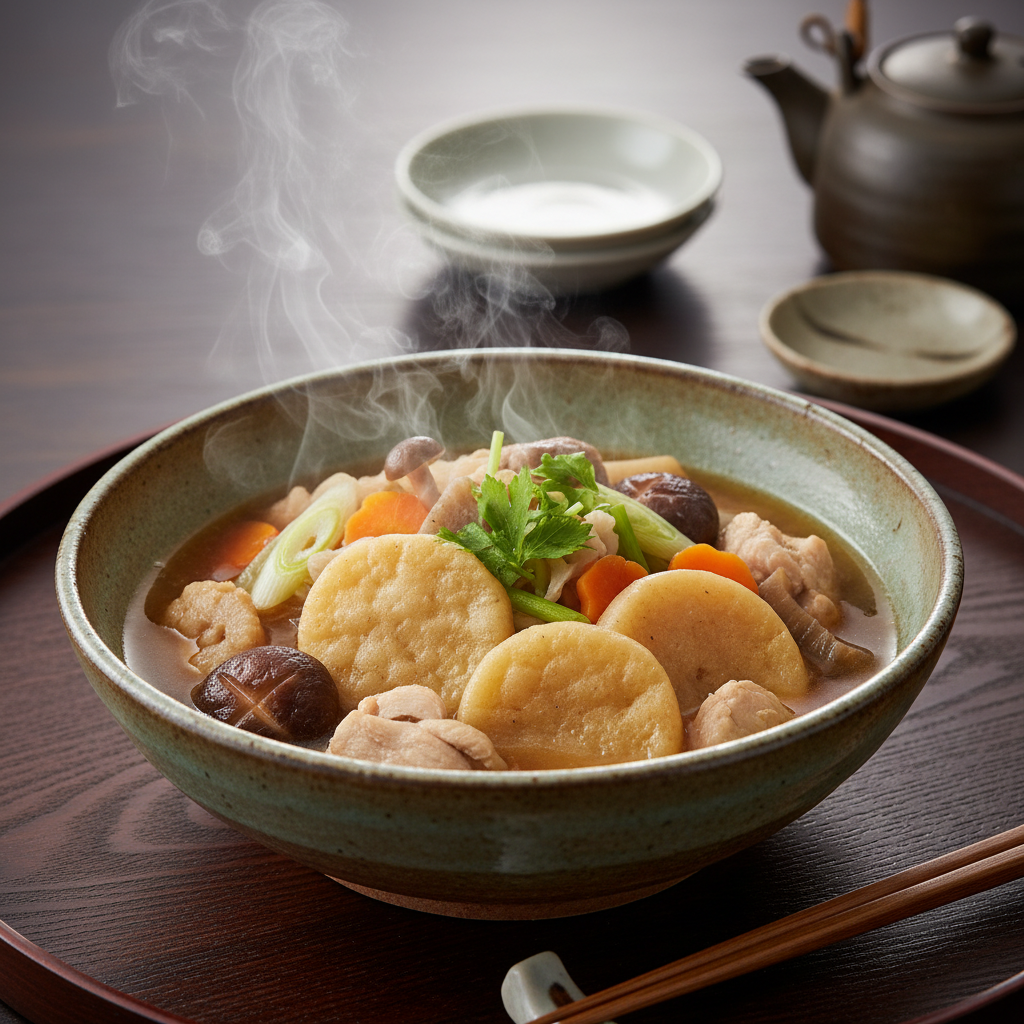
- Hittsumi: A wheat flour-based soup
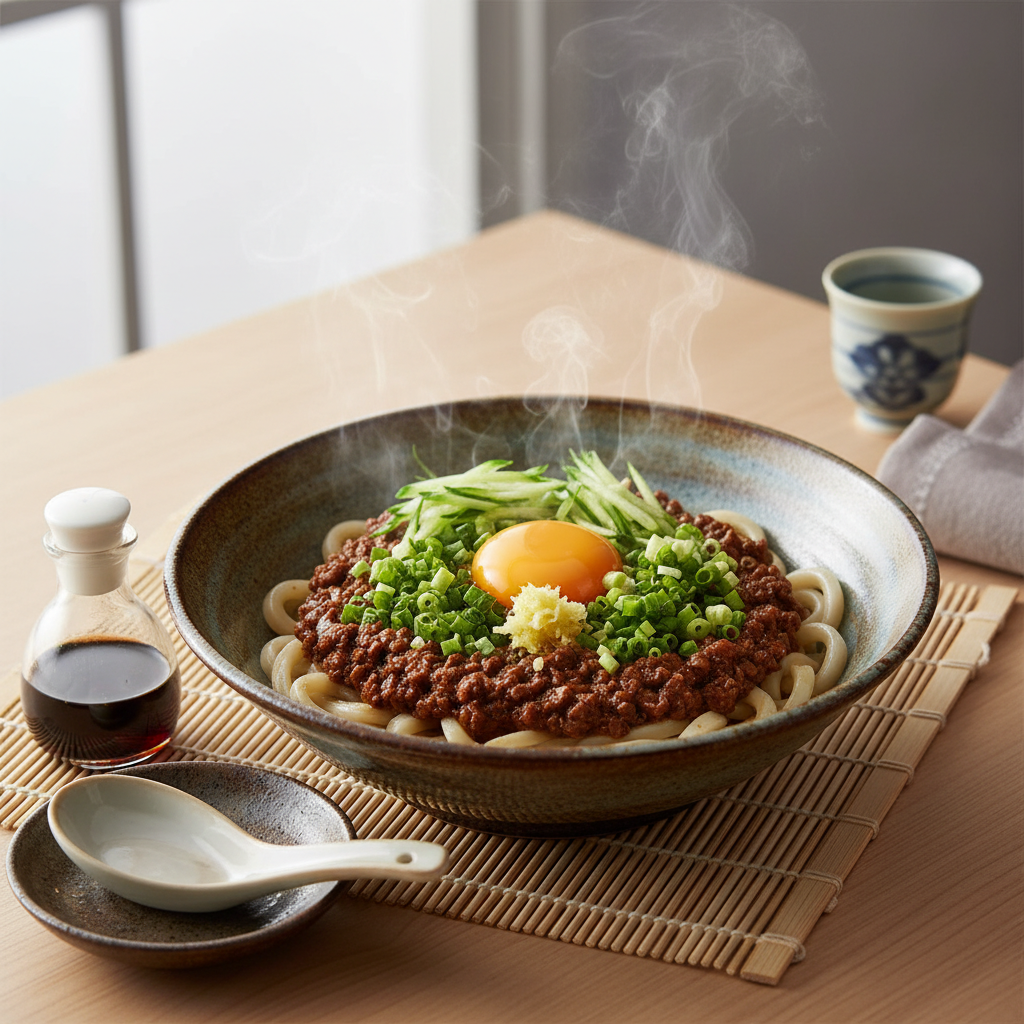
- Jajamen: A noodle dish from Morioka
Common to these dishes is adaptation to regional climate and geography, and the wisdom of prior generations in creatively utilizing limited ingredients. Mamebu soup is one such example, born in the harsh environment of a mountainous region.
Connection to Wheat Flour Culture
Many areas in northern Iwate are unsuitable for rice cultivation, leading to development of wheat flour-based dishes. Mamebu soup dumplings, hittsumi, soba and other wheat flour-based dishes characterize the region.
Nutritional Value and Health Benefits of Mamebu Soup
Nutritional Balance
Mamebu soup is a well-balanced dish allowing consumption of various nutrients in one serving.
- Carbohydrates: From dumpling wheat flour
- Protein: From tofu, fried tofu, and dried sardines
- Fat: Quality fatty acids from walnuts
- Vitamins and minerals: From vegetables
- Dietary fiber: From root vegetables
Health Benefits
Omega-3 fatty acids in walnuts are said to help prevent heart disease and maintain brain health. Root vegetables warm the body, making them suitable for cold-region cuisine.
The thickening from potato starch not only keeps the dish warm longer but also reduces digestive burden.
Regional Revitalization Through Mamebu Soup
Use as a Tourism Resource
Kuji City actively utilizes mamebu soup as a tourism resource, promoting it under the catch phrase “Come to Kuji to eat mamebu soup” to attract visitors.
Establishing Regional Brand
“Kuji mamebu soup” is being developed as a regional brand, differentiating it from other areas. Increasing recognition as a regional specialty product contributes to local economic revitalization.
Use in Promoting Relocation
Highlighting the richness of regional food culture helps promote relocation to the area. Interest grows in the area as “a region with such unusual cuisine.”
Summary
Mamebu soup is a local dish passed down for generations in Yamakatacho, Kuji City, Iwate Prefecture, characterized by its distinctive sweet and salty flavor. With “mamebu”—dumplings filled with walnuts and brown sugar—floating in soy-based broth, it is a dish unlike any other.
Cherished as food for special occasions, this dish is deeply connected to the residents’ lives and culture, as well as the natural environment. It embodies the wisdom of using locally available ingredients—dried sardines and kelp dashi, root vegetables, grilled tofu—to endure harsh winters.
In recent years, preservation society activities, product development, media coverage, and social media promotion have made it known to younger generations and people outside the prefecture. The way the tradition is preserved while adapting to modern times represents an ideal approach to local cuisine preservation.
Through mamebu soup, one can experience the rich food culture of Iwate and the warmth of its people. When visiting Kuji City, be sure to taste this unique local dish. Making it at home also allows you to feel the region’s food culture up close.
The sweet and salty, unusual taste of mamebu soup is unforgettable—a local dish of which Iwate is truly proud.