Complete Guide to Morioka Jajamen | History, How to Eat, and Famous Restaurant Introductions of Iwate Prefecture’s Representative Local Cuisine
Morioka jajamen, a local specialty representing Morioka City in Iwate Prefecture, is known as one of the “Three Great Noodles of Morioka” alongside wanko soba and Morioka cold noodles. The unique style of eating flat noodles mixed with special meat miso sauce has captivated many people as a taste that is unforgettable once experienced. In this article, we will present all the charms of this local cuisine, from the history of Morioka jajamen to how to eat it and recommended famous restaurants.
What is Morioka Jajamen? Basic Knowledge of Iwate Prefecture’s Representative Local Cuisine
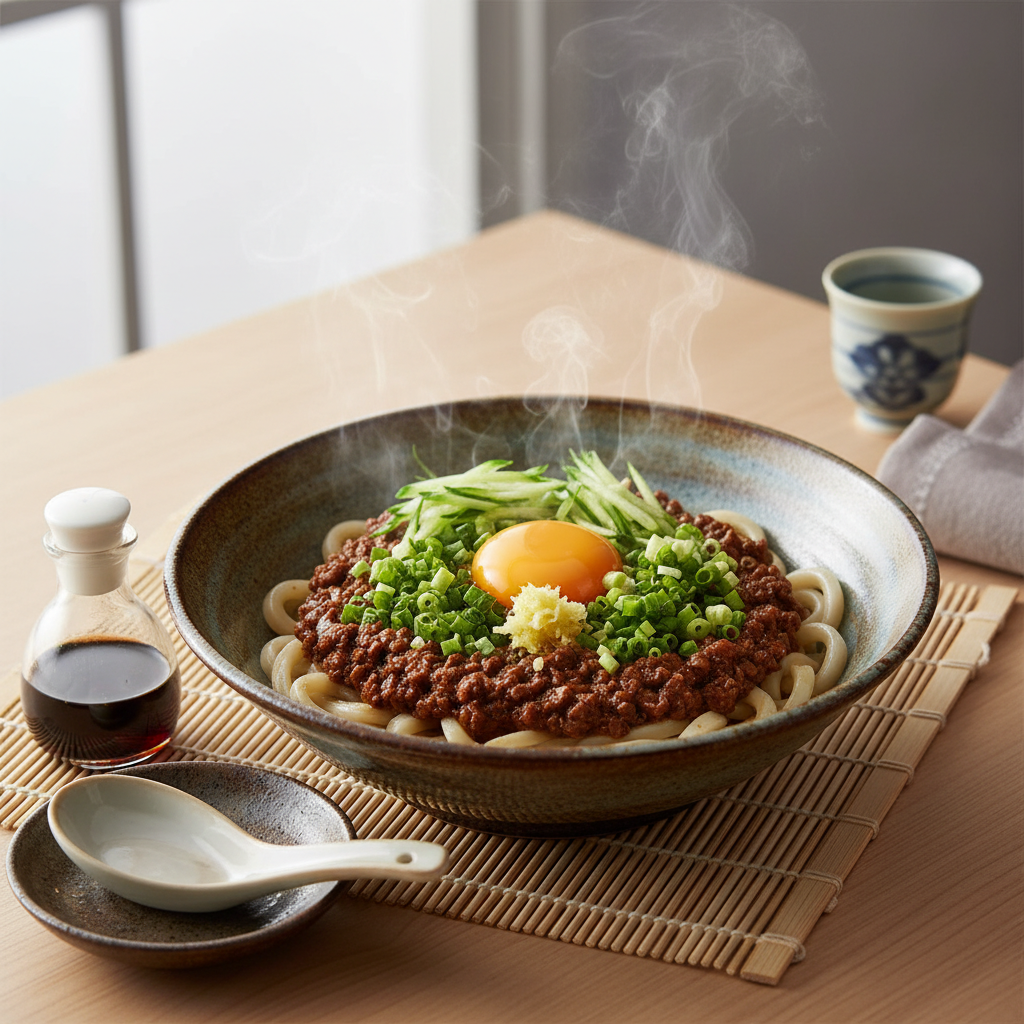
Morioka jajamen is a noodle dish without broth, featuring freshly boiled warm flat noodles topped with special meat miso, chopped cucumber, and Welsh onions. When eating, grated ginger, garlic, vinegar, chili oil, and other seasonings are added to adjust the flavor to personal preference.
Positioning as One of the Three Great Noodles of Morioka
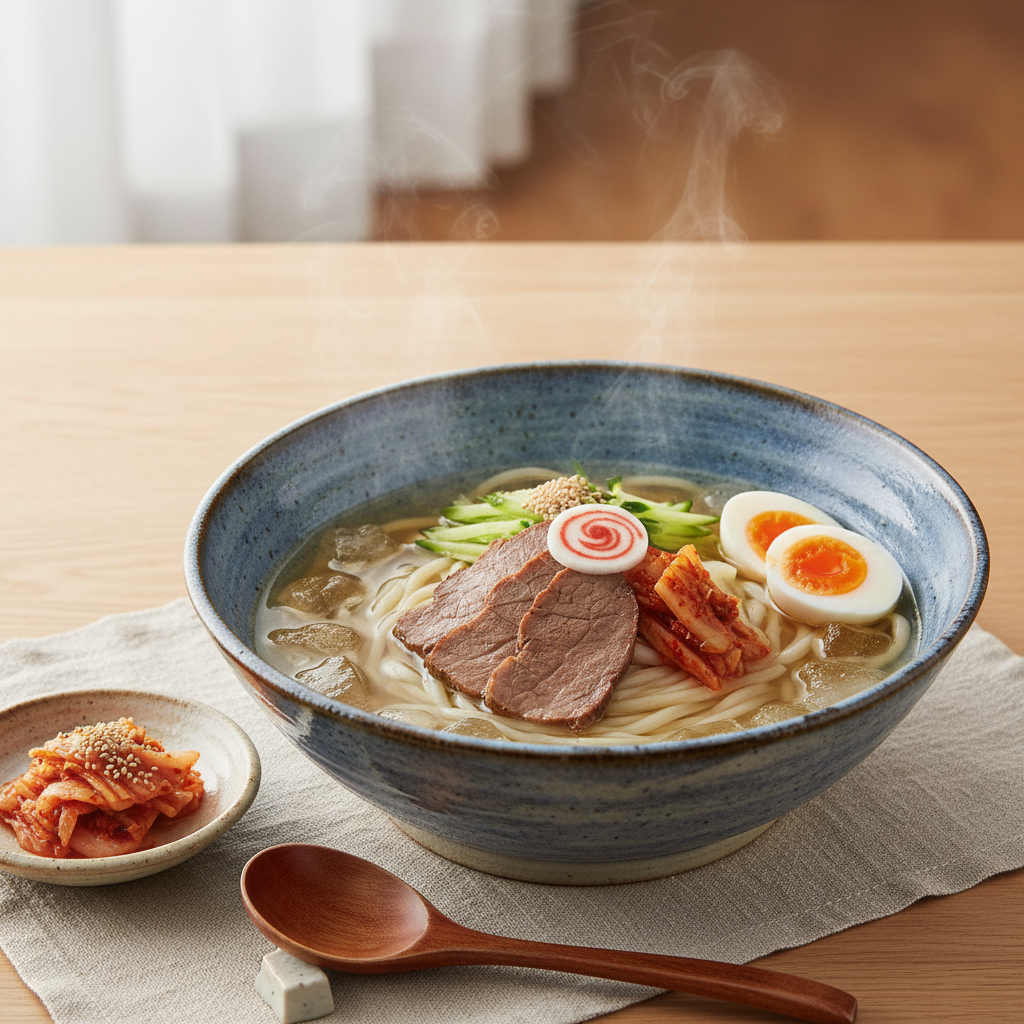
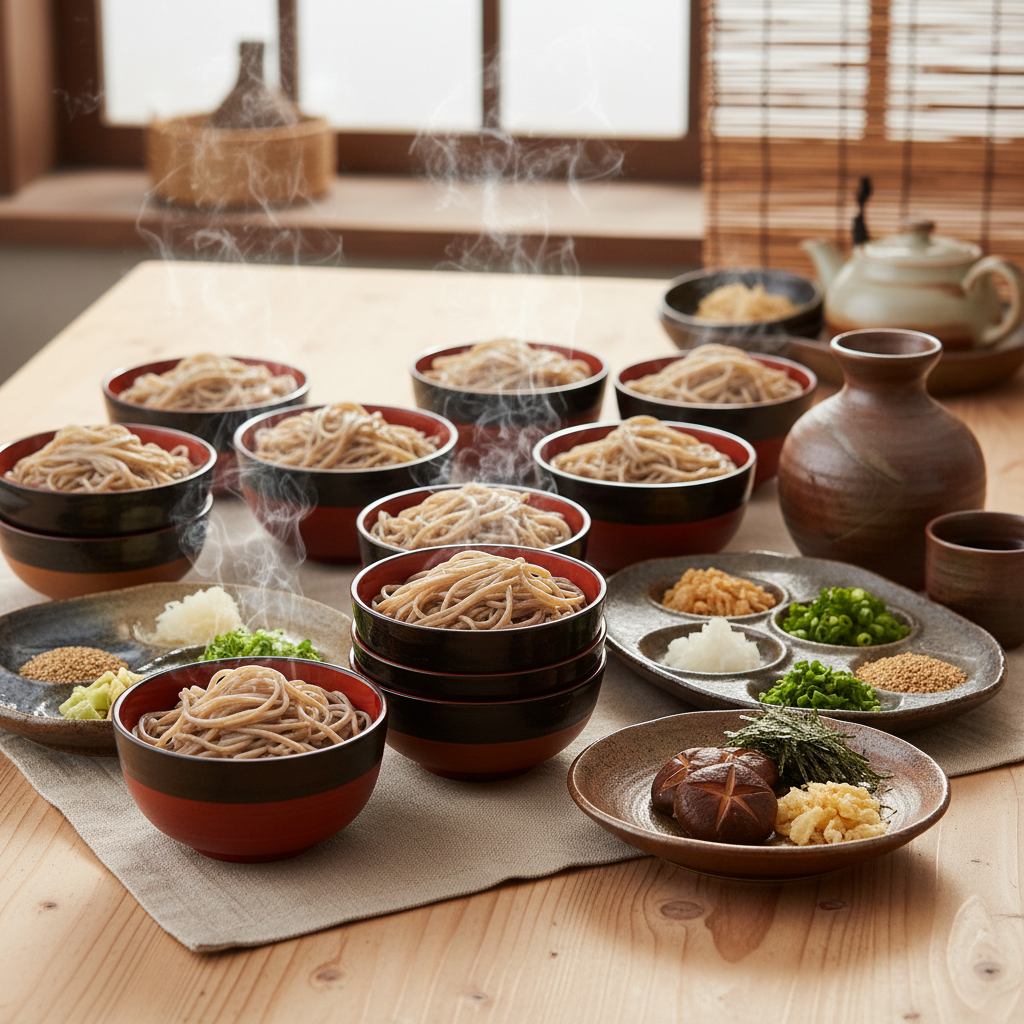
In Morioka City, jajamen, Morioka cold noodles, and wanko soba are widely recognized as the “Three Great Noodles of Morioka” or “Three Great Noodles of Iwate.” Each has its own distinct food culture and continues to be beloved by Morioka residents and tourists today. In particular, jajamen has taken deep root in the daily lives of local people as a soul food that can be enjoyed at an affordable price.
Characteristics of Jajamen
The greatest characteristic of Morioka jajamen lies in its unique texture and flavor. The noodles have a flat shape similar to udon and offer a chewy texture. The meat miso is a secret recipe created with unique proportions by each restaurant, with a sweet and savory, rich flavor that clings well to the noodles. The crispy texture of cucumber and the aroma of Welsh onions serve as accents that balance the whole dish.
History of Morioka Jajamen | A Taste Inherited from Manchuria to Morioka
The history of Morioka jajamen dates back to the 1940s, shortly after World War II. Behind the birth of this local cuisine was the passion and ingenuity of one man.
The Origin Story: Takashina Kansho and Hairyu Main Restaurant
The Hairyu (Pairon) Main Restaurant, which continues to operate in the center of Morioka City today, is known as the origin of Morioka jajamen. The founder, Takashina Kansho, could not forget the taste of “zhajiang noodles (jajamen)” he ate in Manchuria (present-day northeastern China) before the war, and began operating a food stall in Morioka after the war ended.
Takashina repeatedly made adjustments so that the zhajiang noodles he had enjoyed in Manchuria would suit the Japanese palate. By carefully substituting ingredients that were difficult to obtain in Japan at that time and repeatedly trying different noodle thicknesses and meat miso proportions, the prototype of present-day Morioka jajamen was completed.
Differences from China’s Zhajiang Noodles
There are several important differences between Morioka jajamen and China’s zhajiang noodles, its source of origin. Zhajiang noodles typically use dark miso based on sweet bean sauce and are served with cold noodles, whereas Morioka jajamen uses warm noodles and has evolved with its own unique meat miso proportions. Additionally, while zhajiang noodles are known as jajamen in China, the independent name “jajamen” became established in Morioka.
Spread Throughout Morioka City
Jajamen born at Hairyu Main Restaurant was initially known only to a select few, but gradually gained recognition when featured in travel guides and magazines from the late Showa period onward. Today, numerous specialty restaurants exist in Morioka City, each pursuing their own unique flavors. Since the Heisei period, it has been selected in the Ministry of Agriculture, Forestry and Fisheries’ “One Hundred Traditional Regional Dishes,” and has acquired nationwide recognition as a local cuisine representative of Iwate Prefecture.
The Correct Way to Eat Morioka Jajamen | Master the Local Style Completely
Morioka jajamen has a unique way of eating that has been cultivated over many years by local people. By learning this way of eating, you can maximize the appeal of jajamen.
Basic Way of Eating
- Mix the noodles and toppings well: First, mix the jajamen provided with chopsticks thoroughly. It is important to evenly blend the meat miso, cucumber, and Welsh onions throughout the noodles. Lift from the bottom of the plate and mix gently.
- Adjust flavor with seasonings: Add grated ginger, grated garlic, vinegar, and chili oil provided on the table according to preference. It is recommended to start with small amounts and gradually find your preferred flavor.
- Eat while mixing: By occasionally remixing as you eat, you can enjoy a uniform flavor until the end.
Tips for Using Seasonings
- Grated ginger: Adds a refreshing flavor and alleviates the heaviness of the meat miso. Adding more creates a clean aftertaste.
- Grated garlic: Provides a punchier flavor and stimulates appetite. Caution is needed to avoid overdoing it.
- Vinegar: The acidity adds depth to the flavor, creating a lighter texture.
- Chili oil: Adds spiciness and a fragrant flavor, creating an adult-oriented taste.
How to Enjoy Chitantan
One of the greatest features of Morioka jajamen is “chitantan,” a soup enjoyed after finishing the noodles. This is made by cracking a raw egg into the plate where meat miso remains after eating the noodles, and having hot noodle cooking water poured in.
Correct way to make chitantan:
- After finishing the noodles, leave a small amount of meat miso on the plate
- Order “chitantan please” from the server
- Crack a raw egg into the plate
- The server pours hot noodle cooking water into it
- Mix well and enjoy it as an egg soup
Chitantan is a unique Morioka food culture that allows you to savor the flavor of jajamen until the very end. The richness of the egg, the depth of the meat miso, and the umami of the noodle cooking water unite into a gentle, flavorful soup.
Recommended Morioka Jajamen Restaurants | 10 Must-Visit Famous Restaurants
Many jajamen restaurants exist throughout Morioka City. Here are some of the most recommended among them.
Hairyu Main Restaurant (Pairon Honten)
Hairyu Main Restaurant, known as the birthplace of Morioka jajamen, is an indispensable presence when discussing jajamen. With a history of over 60 years since its founding, it continues to be crowded with regular customers and tourists. The meat miso, which maintains traditional flavors while undergoing improvements suited to the times, continues to be loved by many. Located in the center of Morioka City, it has excellent access.
Hairyu Kawatoku Branch
This branch of Hairyu is located inside Kawatoku, a long-established department store in Morioka. Its appealing location allows you to stop by casually while shopping, and you can enjoy the same flavor as the main restaurant. Being in a department store environment provides cleanliness and an atmosphere that is easy to enter even for first-time visitors.
Hairyu Fasan Branch
Located inside Fasan, a shopping center directly connected to Morioka Station, this branch is the most accessible for travelers. You can enjoy authentic Morioka jajamen immediately before boarding the Shinkansen or right after arrival. Due to the convenience of being in the station building, it has become a popular restaurant frequented by many tourists.
Jajamen and Sake Appetizers Kisaku
In addition to traditional jajamen, this restaurant offers an abundant selection of sake appetizers. It operates as an izakaya in the evening, allowing you to enjoy jajamen as an appetizer with alcohol in a way unique to the local area. The restaurant is known for its attention to the flavor of meat miso, and its original proportions attract popularity.
Ore no Jajamen
A relatively new style jajamen restaurant that has become popular with younger generations. While maintaining tradition, it also offers menu items with modern arrangements and receives support from a wide range of age groups. Generous portions are also a characteristic, making it recommended for those who want to eat heartily.
Kojyo Motomiya Restaurant
A popular restaurant in the Motomiya district of Morioka that has been loved by local people for many years. The meat miso is characterized by its fragrant aroma and deep umami, with a flavor that becomes addictive once tasted. As a community-oriented restaurant, the friendly atmosphere is also one of its charms.
Morioka Jajamen Chitan
A restaurant that focuses on “chitantan,” which is even in its name. The jajamen itself is of course good, and the chitantan is also highly regarded, with many regular customers visiting specifically for this restaurant’s chitantan. The restaurant also pays attention to noodle texture, offering the unique chewy sensation unique to this establishment.
Kuribayashi
An old-fashioned restaurant that retains the atmosphere of the past and is cherished by local people. The simple yet profound-flavored meat miso is delicious no matter how many times you eat it. With reasonable prices, it offers an approachable, down-to-earth atmosphere.
Jajamen-ya Haru
Known as a restaurant offering jajamen that has undergone its own unique evolution. While based on the traditional style, it features abundant original toppings and creative menu items, suggesting the possibilities of new jajamen.
Morioka Jajamen Akio.
Despite being a relatively new restaurant, it has attracted many fans through its flavors. Careful attention to detail shines through, from noodle boiling time to meat miso temperature management. You can enjoy jajamen slowly in a clean dining space.
Making Morioka Jajamen at Home | Recreation Recipe and Cooking Tips
Morioka jajamen can be made deliciously at home if you understand the key points. Here is a recipe that can be recreated in a home kitchen.
Ingredients (serves 2)
Noodles:
- Udon (flat type): 2 portions
Meat Miso:
- Ground pork: 200g
- Miso: 3 tablespoons
- Sugar: 2 tablespoons
- Soy sauce: 1 tablespoon
- Sake: 2 tablespoons
- Grated ginger: 1 teaspoon
- Grated garlic: 1 teaspoon
- Sesame oil: 1 tablespoon
- Water: 100ml
- Potato starch: 1 teaspoon (dissolved in water)
Toppings:
- Cucumber: 1 (julienned)
- Welsh onion: 1/2 (minced)
- Grated ginger: as needed
- Grated garlic: as needed
- Vinegar: as needed
- Chili oil: as needed
Instructions
- Make the meat miso: Heat sesame oil in a frying pan and stir-fry the ground pork. When the meat changes color, add grated ginger and garlic to bring out the aroma.
- Add seasonings: Add miso, sugar, soy sauce, and sake and mix well. Add water and simmer on low heat for about 10 minutes.
- Create consistency: Add the dissolved potato starch to create appropriate thickness. Be careful not to overdo the thickening.
- Boil the noodles: Boil the udon for the time indicated on the package. Once cooked, drain well and serve while still warm on a plate.
- Plate: Place plenty of meat miso on top of the noodles and top with julienned cucumber and minced Welsh onion.
- Add seasonings: Prepare grated ginger, grated garlic, vinegar, and chili oil in small dishes and serve alongside.
Tips for Delicious Preparation
- Meat miso should be finished on the sweet side in the Morioka style
- Noodles are best eaten while still warm
- To preserve the crispy texture of cucumber, slice it right before eating
- Meat miso can be made in larger quantities and frozen for later use
Jajamen Restaurant Tour in Morioka | Efficient Visiting Plan
Here is a plan for efficiently visiting famous jajamen restaurants when visiting Morioka City.
Morioka Station Area Course (Half-Day Plan)
This course starts at Morioka Station and visits restaurants within walking distance. First, enjoy your first bowl at Hairyu Fasan Branch inside Fasan directly connected to the station, then move on foot to the city center. You can visit Hairyu Main Restaurant and other famous restaurants. If you have time, you can visit and eat at 3 to 4 restaurants.
City Center Leisurely Course (Full-Day Plan)
Many jajamen restaurants are concentrated in the center of Morioka City. At a pace of one restaurant in the morning, one at lunch, and one in the evening, you can savor each restaurant’s individuality. Enjoy comparing the differences in meat miso flavors and noodle textures between each restaurant and find your favorite establishment.
Notes When Visiting
- Popular restaurants are crowded during lunch hours, so visiting at off-peak times is recommended
- If visiting multiple restaurants, adjust portion sizes at each one (many restaurants offer small portions)
- It’s helpful to check closing days and business hours in advance
- Be sure to experience chitantan
Nutritional Content and Health Characteristics of Morioka Jajamen
Morioka jajamen is not only delicious but also features excellent nutritional balance.
Characteristics of Nutritional Components
Carbohydrates come from noodles, quality proteins and fats from meat miso, and vitamins and minerals from cucumber and Welsh onion. Pork in particular is rich in vitamin B1, which is expected to have fatigue recovery effects. Miso, as a fermented food, also has health benefits and helps regulate the intestinal environment.
Calories and Eating Tips
A typical serving of Morioka jajamen contains approximately 600-800 calories. Those watching their weight can reduce calorie intake while still achieving satisfaction by reducing noodle portions or adding extra cucumber toppings. Additionally, adding more vinegar may help promote metabolism.
Pairing Morioka Jajamen with Other Local Dishes
Iwate Prefecture has many other appealing local dishes besides Morioka jajamen.
How to Enjoy the Three Great Noodles of Morioka
When visiting Morioka, you’ll want to experience not just jajamen but also Morioka cold noodles and wanko soba. A popular plan is to try jajamen at lunch on day one, cold noodles in the evening, and wanko soba on day two. Each offers distinct food cultures, allowing you to experience the diversity of Morioka’s cuisine.
Other Iwate Prefecture Local Dishes
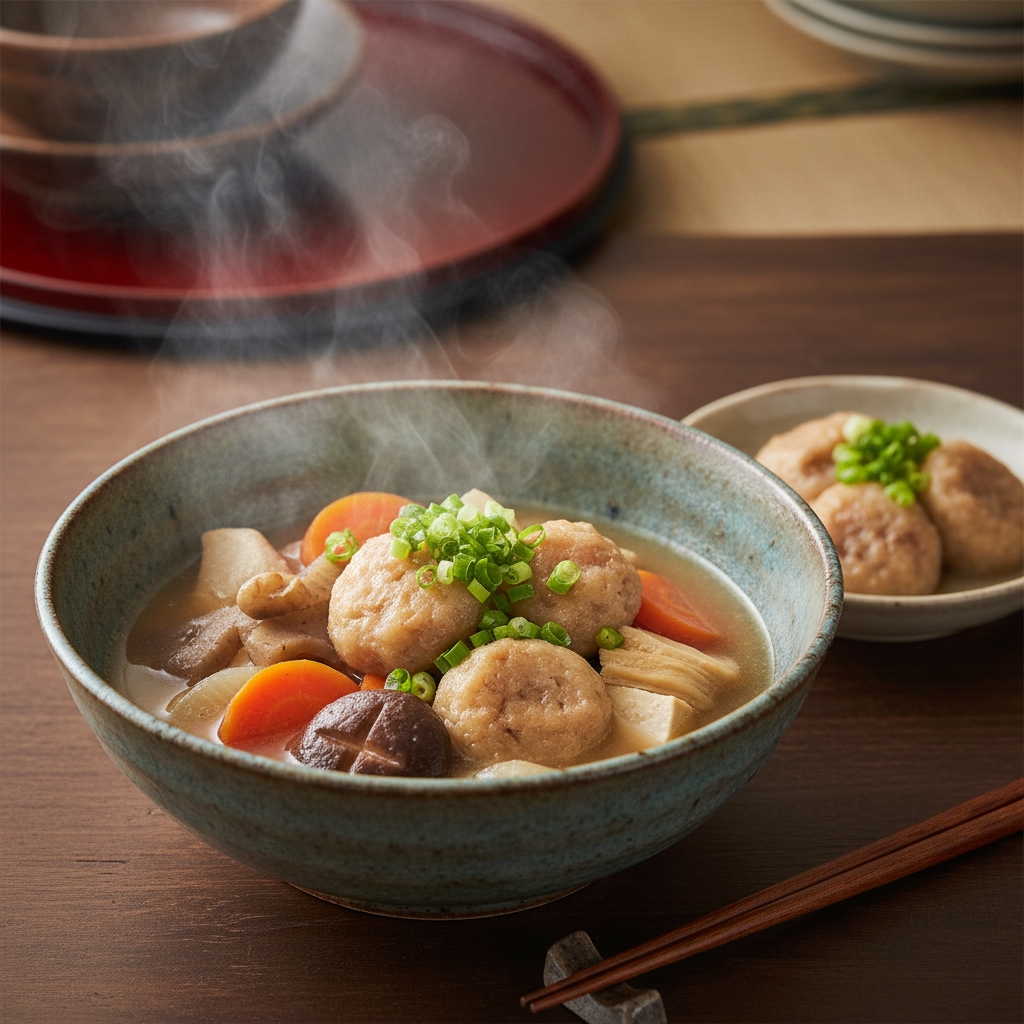
Other Iwate local dishes worth enjoying alongside jajamen include hittusumi (suimono), mamebu soup, and ichigo-ni. These have regional characteristics and tell the story of Iwate Prefecture’s rich food culture.
Cultural Value of Morioka Jajamen and Its Appeal as a Tourism Resource
Morioka jajamen holds cultural value beyond that of mere food.
Jajamen as Regional Identity
For Morioka residents, jajamen is a soul food familiar since childhood. As a dish that has accompanied people through family visits, memories of eating with friends during student days, and many other life experiences, it has become an important element in forming regional identity.
Development as a Tourism Resource
Currently, Morioka jajamen is attracting attention from both domestic and international tourists as a tourism resource representative of Iwate Prefecture. Through the creation of “jajamen maps” and PR activities at various events, Morioka City is widely promoting the appeal of this local cuisine. The increase in tourists also contributes to revitalizing the regional economy and sustainable community development.
Passing on to the Next Generation
Efforts are being made to maintain traditional flavors while making innovations acceptable to new generations. Young chefs’ creative arrangements and information dissemination using SNS ensure that Morioka jajamen will continue to be loved by many people in the future through evolution suited to the times.
Conclusion: Fully Savor the Appeal of Morioka Jajamen
Morioka jajamen has grown from post-war food stalls to become a local cuisine representative of Iwate Prefecture known throughout the nation. With its roots in Manchurian zhajiang noodles but having undergone unique evolution in Morioka, this simple yet profound dish continues to captivate many people.
Famous restaurants including Hairyu Main Restaurant each maintain their own unique meat miso proportions and noodle attention, providing special experiences for visitors. By understanding the correct way to eat and enjoying chitantan as well, you can fully experience the true appeal of Morioka jajamen.
When visiting Morioka City, be sure to visit multiple restaurants and compare each establishment’s individuality. You can also recreate this local cuisine at home using recipes, allowing you to enjoy it regularly in your daily life.
Morioka jajamen is more than just a noodle dish; it is a special presence filled with the history and culture of the region. I hope you will fully experience the charm of Morioka City in Iwate Prefecture through a bowl of jajamen.