Persimmon Leaf Sushi from Nara Prefecture: A Complete Guide – History, Origins, and Top Restaurants Explained in Detail
Persimmon leaf sushi (kakino-ha-zushi) is nationally recognized as a representative local dish of Nara Prefecture. This pressed sushi, made by wrapping salt-cured mackerel or sea bream along with vinegared rice in persimmon leaves, has a history of over 200 years and is a traditional food in which the wisdom and ingenuity of mountain villages are concentrated. This article presents the full appeal of this local cuisine, from its origins and production methods to its cultural background and how to enjoy it in modern times.
What is Persimmon Leaf Sushi: A Traditional Pressed Sushi Treasured by Nara Prefecture
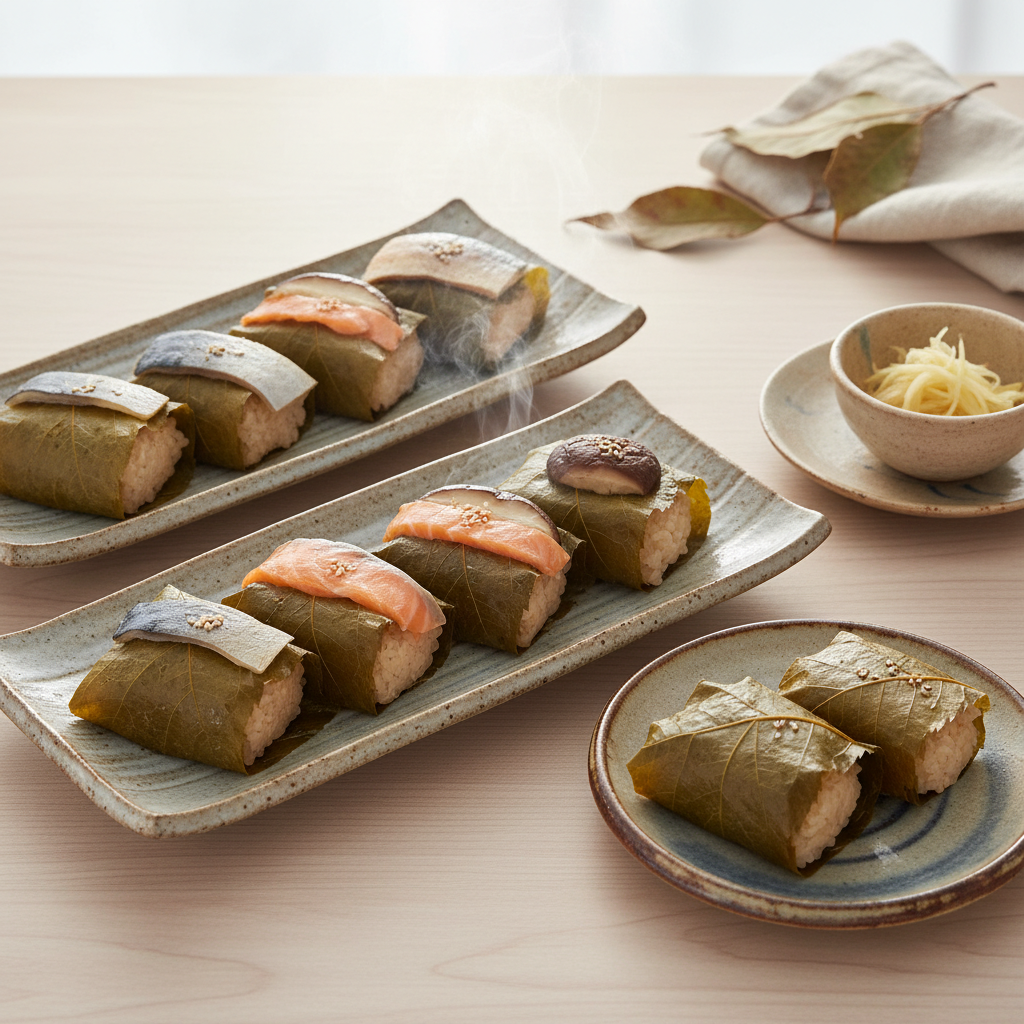
Persimmon leaf sushi is made by placing bite-sized vinegared rice topped with salt-cured mackerel, sea bream, or other fish fillets on persimmon leaves, wrapping them, and pressing with a weight. This local dish developed primarily in the Yoshino region of Nara Prefecture and is now widely enjoyed throughout the country as a representative specialty of Nara in department stores and as station box lunches.
By wrapping in persimmon leaves, the tannin contained in the leaves provides antibacterial properties that enhance preservation, while the unique aroma of persimmon leaves eliminates fishy odors and brings out umami as time passes—an excellent characteristic. This production method utilizing natural wisdom was devised in mountain villages as a precious method for preserving protein sources in an era without refrigeration technology.
Basic Components of Persimmon Leaf Sushi
The basic components of persimmon leaf sushi are as follows:
- Vinegared rice: Slightly sweetened vinegared rice is used to balance the saltiness of the fish
- Toppings: Mackerel is most traditional, but sea bream, salmon, conger eel, and red trout are also used
- Persimmon leaves: Persimmon leaves at the time of summer festivals are fresh and have just the right firmness and size for wrapping sushi
- Pressing: Pressing with a weight allows flavors to meld and creates a unique texture
History and Origins of Persimmon Leaf Sushi: A Tradition Continuing from the Edo Period
While the exact origins of persimmon leaf sushi are unclear, it is known that it has been enjoyed in homes in Gojo, Yoshino, and areas along the Yoshino River since around the mid-Edo period. In the deep mountain villages of that time, seafood was a precious ingredient.
The Kumano Coastal Road and Mackerel Transport
Fresh mackerel caught off the Kumano coast in the Kii Peninsula was salted and transported to villages in the Nara and Yoshino regions via the Eastern Kumano Road. Without refrigeration technology, salt mackerel underwent both preservation through salt and gradual fermentation as it traveled over mountains for many days, increasing its umami.
The method local people devised for deliciously eating this salt mackerel was persimmon leaf sushi. The Yoshino region, where it originated, had abundant persimmon trees, and for the simple reason that “persimmon trees were there,” persimmon leaves came to be used.
Development as a Festival Celebration Dish
Persimmon leaf sushi was made from the beginning as a special dish for auspicious occasions like summer festivals. In the Gojo and Yoshino regions, there was a custom of making persimmon leaf sushi during summer festivals and sharing it with relatives and neighbors. This tradition is still maintained today, and persimmon leaf sushi is often homemade for festivals and other occasions.
Production Methods of Persimmon Leaf Sushi: Preservation Techniques Born from Mountain Wisdom
The production method of persimmon leaf sushi embodies the wisdom and ingenuity of ancestors. Let us examine the method in detail.
Traditional Preparation
- Mackerel Preparation: Salt mackerel is sliced thin and vinegar-cured as needed. The salt level and curing degree are key to the flavor.
- Vinegared Rice Adjustment: Rice is cooked and then mixed with combined vinegar made from vinegar, sugar, and salt. It is characteristically adjusted to a slightly sweet and acidic flavor to match the saltiness of the fish.
- Persimmon Leaf Preparation: Persimmon leaves from the time of summer festivals are collected and washed. The leaves at this time are fresh and have appropriate firmness and size.
- Shaping: Bite-sized vinegared rice is placed on a persimmon leaf, topped with a slice of mackerel, and wrapped. It is common to wrap so that the leaf surface faces outward.
- Pressing: The wrapped sushi is arranged in a box and pressed with a weight for several hours to overnight. This process allows the vinegared rice and fish to become unified and flavors to meld.
Scientific Effects of Persimmon Leaves
Tannin contained in persimmon leaves has strong antibacterial properties that enhance the preservation of sushi. Additionally, the aromatic compounds in persimmon leaves eliminate fishy odors and add a unique flavor. As time passes, components from the leaves transfer to the sushi, creating a deeper, more complex taste.
In mountainous areas of Nara Prefecture, some regions use magnolia leaves instead of persimmon leaves. This also reflects the mountain village wisdom of “utilizing materials at hand.”
Flavor Profile and Ways to Enjoy Persimmon Leaf Sushi
The greatest appeal of persimmon leaf sushi is the exquisite balance between the salty fish and the sweet-sour vinegared rice, combined with the unique deep flavor created by the aroma of persimmon leaves.
Optimal Timing for Consumption
Persimmon leaf sushi tastes best after being pressed with a weight for several hours to overnight rather than immediately after preparation. During this time, the vinegared rice and fish meld, the persimmon leaf aroma transfers, and a unified taste develops.
In modern commercial products, the design accounts for the time elapsed after manufacturing so that the sushi can be enjoyed in its optimal state. Typically, eating immediately after purchase is the standard practice, though some products remain delicious until the next day.
Are the Persimmon Leaves Edible?
The persimmon leaves on persimmon leaf sushi are basically not eaten. The leaves are there to impart aroma and preservation properties and are removed before eating. The aroma of the persimmon leaves that spreads when opening the leaf is also part of the pleasure of this dish.
Various Topping Variations
While mackerel was traditionally the mainstay, various toppings can now be enjoyed:
- Mackerel (Saba): The most traditional and standard topping, with an exquisite harmony between the umami of salt mackerel and vinegared rice
- Sea Bream (Tai): An elegant flavor used for celebrations and with a sense of luxury
- Salmon (Sake): A mild flavor that is popular even with those who don’t prefer mackerel
- Conger Eel (Anago): Characterized by fluffy texture and sweetness
- Red Trout (Benimasou): Featuring vibrant color and an elegant flavor
Cultural Position of Persimmon Leaf Sushi in Nara Prefecture
Persimmon leaf sushi is more than just food; it is deeply connected to the culture of Nara Prefecture, particularly the Yoshino region.
Summer Festivals and Persimmon Leaf Sushi
In the Gojo and Yoshino regions, the custom of making persimmon leaf sushi as a festival treat still remains. The sight of families working together to make sushi and distributing it to relatives and neighbors symbolizes the bonds of community.
The timing of summer festivals coincides with when persimmon leaves reach their optimal state for wrapping sushi. This intertwining of seasonal cycles with food culture demonstrates the wisdom of food rooted in Japan’s natural environment.
Evolution from Home Cooking to Regional Specialty
Originally made in homes as a local dish, persimmon leaf sushi underwent commercialization beginning in the Showa period and became known nationwide as a representative specialty of Nara Prefecture. Currently, there are numerous specialty shops throughout Nara Prefecture, each continuing to protect their own production methods and flavors.
Value as a Tourism Resource
Persimmon leaf sushi is also an important tourism resource for Nara Prefecture. Many tourists visiting Nara seek out persimmon leaf sushi and favor it highly as a souvenir. Sold at events in department stores nationwide and as station box lunches, it plays a role in promoting Nara’s food culture throughout the country.
Top Persimmon Leaf Sushi Restaurants: Historic Establishments and Popular Shops in Nara Prefecture
Nara Prefecture has numerous renowned persimmon leaf sushi shops that preserve tradition while pursuing their own unique flavors.
Kakino-ha Sushi Honpo Tanaka (Nara Main Store)
A famous local restaurant featuring persimmon leaf sushi located just a 2-minute walk from Kintetsu Nara Station, characterized by a red entrance. In addition to persimmon leaf sushi, conger eel, red trout, and rolled sushi can be enjoyed in the popular “Taste Landscape” assortment, which offers various sushi selections. It is beloved by both tourists and locals due to its convenient access.
Kakino-ha Zushi Sohonke Hiraiso (Nara Store)
An established shop located 10 minutes on foot from Kintetsu Nara Station beside Sarusawa Pond. In a corner of the city preserving ancient capital atmosphere, guests can enjoy Nara’s gourmet persimmon leaf sushi and other local dishes. While preserving traditional production methods, it offers flavors adapted to modern times.
Todai-ji Temple Gate Front Izasa (Yumekaze Hiroba Store)
Located conveniently as a base for sightseeing at Todai-ji Temple and popular with tourists. It has inherited the traditional production methods of persimmon leaf sushi made in the Yoshino region and uses carefully selected ingredients. With a full online shop, it also ships nationwide.
Other Notable Establishments
- Kakino-ha Sushi Daiyoshi: A hidden gem loved by local residents
- Kakino-ha Sushi Hyotaro: An established shop dedicated to traditional methods
- Kakino-ha Sushi Yakko: Characterized by a homey flavor
- Kakino-ha Sushi Yanagitoyoshi: A specialty shop preserving Yoshino regional traditions
- Kakino-ha Sushi Yamanabe: Offering flavors rooted in the community
Each shop has its own production methods and flavors, with individual characteristics in the type of fish used, vinegared rice seasoning, and pressing techniques. Trying multiple shops allows for a deeper understanding of the depth of persimmon leaf sushi.
How to Purchase Persimmon Leaf Sushi and Mail Order Options
Persimmon leaf sushi can be purchased not only from shops in Nara Prefecture but through various methods.
Purchase at Stores
Specialty shops in Nara Prefecture offer freshly made persimmon leaf sushi. Some shops provide dining spaces where guests can eat on the premises. When sightseeing, be sure to visit a shop and enjoy the atmosphere along with the sushi.
As Station Box Lunches
Major stations like Nara Station and Kyoto Station sell persimmon leaf sushi as station box lunches. Enjoying it as a travel companion or aboard bullet trains and express trains is particularly delightful.
Mail Order Through Online Shops
Many specialty shops have established online shops allowing orders from anywhere in Japan. However, the following points require attention when ordering online:
- Delivery Date and Time: As a fresh product, specify a date and time when you can receive it
- Expiration Date: Check the expiration date after product arrival and plan to eat it soon
- Storage Method: Refrigeration is basic, though recommended storage methods may differ by product
- Delivery Areas: Some regions may not be available for delivery, so check the website
Department Store Events
Department stores nationwide periodically hold events such as Nara product fairs where persimmon leaf sushi is sold. Demonstrations sometimes occur, providing valuable opportunities to purchase freshly made sushi.
Making Persimmon Leaf Sushi at Home: Enjoying It at Home
Persimmon leaf sushi can also be made at home. It can be enjoyed as a special occasion treat made as a family activity.
Required Ingredients
- Rice: 2 cups
- Combined vinegar (rice vinegar, sugar, salt)
- Salt mackerel: as needed (or sea bream, salmon, etc.)
- Persimmon leaves: as many as sushi pieces
Tips for Preparation
- Obtaining Persimmon Leaves: If you have a persimmon tree, collect leaves during summer. If not, salted persimmon leaves can be purchased online.
- Fish Preparation: When using salt mackerel, adjust the degree of salt removal. If too salty, soak in water to remove salt.
- Vinegared Rice Seasoning: Adjust to a slightly sweet and acidic flavor matching the fish’s saltiness.
- Wrapping Method: Wrap so that the leaf surface faces outward. Wrapping along leaf veins prevents tearing.
- How to Apply Weight: Place a flat board on top of sushi arranged in a box, then place a weight on top. Adjust the weight so pressure is applied evenly.
- Duration: Leave for several hours to overnight to allow flavors to meld.
Precautions When Making at Home
- Sanitation Management: Exercise care with sanitation of hands and cooking utensils when handling raw fish
- Storage: Store in a refrigerator after preparation and eat soon
- Persimmon Leaf Substitute: When persimmon leaves are unavailable, bamboo leaves or other alternatives can be substituted, though the flavor will differ
Persimmon Leaf Sushi and Related Local Dishes
Nara Prefecture has diverse local dishes beyond persimmon leaf sushi, each reflecting the region’s natural environment and history.
Nara Pickles (Nara-zuke)
Another representative specialty of Nara is Nara pickles. Vegetables pickled in sake lees, characterized by deep flavor and distinctive aroma. Like persimmon leaf sushi, this local dish arose from preservation food wisdom.
Tea Porridge (Cha-gayu)
There is a custom in Nara Prefecture of eating tea porridge for breakfast. Porridge cooked with roasted tea, characterized by a light flavor. It symbolizes the simple yet healthy eating habits of mountain villages.
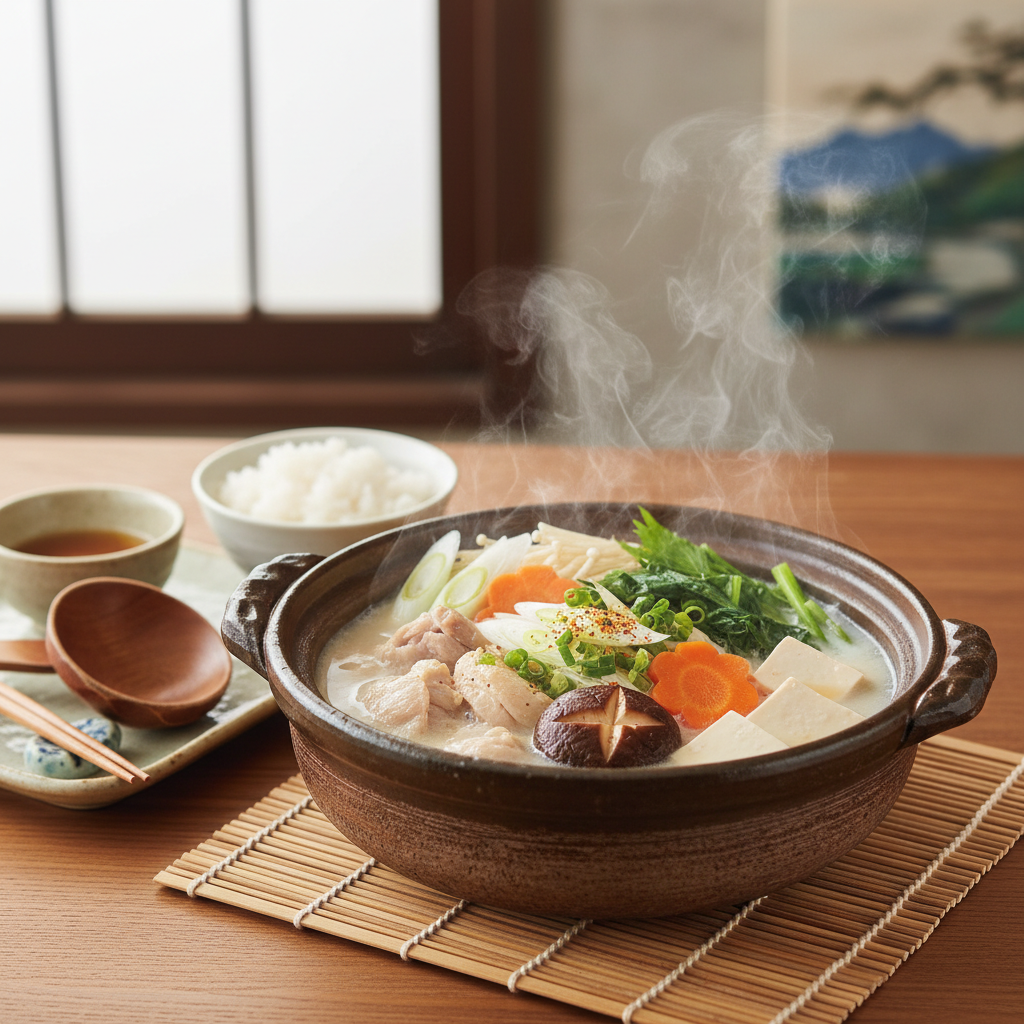
Asuka Hot Pot (Asuka-nabe)
A hot pot dish with milk as its base, said to date back to the Asuka period. It demonstrates the richness of Nara’s history and diverse food culture.
Yoshino Kudzu (Yoshino Honkuzu)
The Yoshino region is known as a source of high-quality kudzu, and dishes and Japanese sweets using Yoshino kudzu also form an important part of Nara’s food culture.
These local dishes are each deeply connected to Nara’s natural environment, history, and culture, and together with persimmon leaf sushi convey the richness of Nara’s food culture.
Modern Development of Persimmon Leaf Sushi and Its Future
Persimmon leaf sushi, a traditional local dish, continues to evolve in modern times.
Development of New Toppings
In addition to traditional mackerel and sea bream, new toppings are being developed to match modern tastes. Tuna, shrimp, conger eel, and other diverse toppings have appeared, gaining acceptance from broader audiences.
Improvements in Production Methods
While preserving traditional methods, modern technology is being introduced in sanitation management and quality control. Technologies like vacuum packing have enabled longer storage periods and easier nationwide distribution.
Expansion Overseas
Against the backdrop of the Japanese food boom, persimmon leaf sushi is gaining attention overseas. Its visual beauty and unique flavor are capturing the interest of international food enthusiasts.
Consideration for Sustainability
Efforts are beginning to address stable supply of persimmon leaves and sustainable use of fish resources. These include partnerships with local persimmon farmers and use of sustainably managed fish, with efforts continuing toward the future.
Inheritance by Younger Generations
Efforts to pass traditional production methods to the next generation are important. Initiatives such as serving in school lunches and conducting cooking classes are increasing opportunities for younger generations to encounter persimmon leaf sushi.
Conclusion: What Persimmon Leaf Sushi Conveys About Nara’s Food Culture
Persimmon leaf sushi is a local dish in which Nara Prefecture’s natural environment, history, and food culture are concentrated. The wisdom devised in mountain villages far from the sea to deliciously preserve and eat precious seafood has been passed down to the present day for over 200 years.
The deep flavor created by the simple combination of salt mackerel, vinegared rice, and persimmon leaves embodies the essence of Japanese cooking that makes the most of ingredients. The preservation method utilizing the antibacterial properties of tannin demonstrates scientifically sound wisdom of ancestors.
Persimmon leaf sushi, made in homes as a special celebration dish for summer festivals, is now known nationwide as a representative specialty of Nara and is beloved by many. Persimmon leaf sushi, continuing to evolve while preserving tradition and adapting to the times, is a symbol of the richness of Nara’s food culture and the efforts of people passing it on to the future.
When visiting Nara, be sure to enjoy persimmon leaf sushi. Within a single bite are concentrated the history and culture of mountain villages and the wisdom of ancestors. Whether enjoying freshly made sushi at a shop, taking it home as a souvenir, or ordering it online to savor leisurely at home, persimmon leaf sushi continues to transmit Nara’s food culture in various forms.