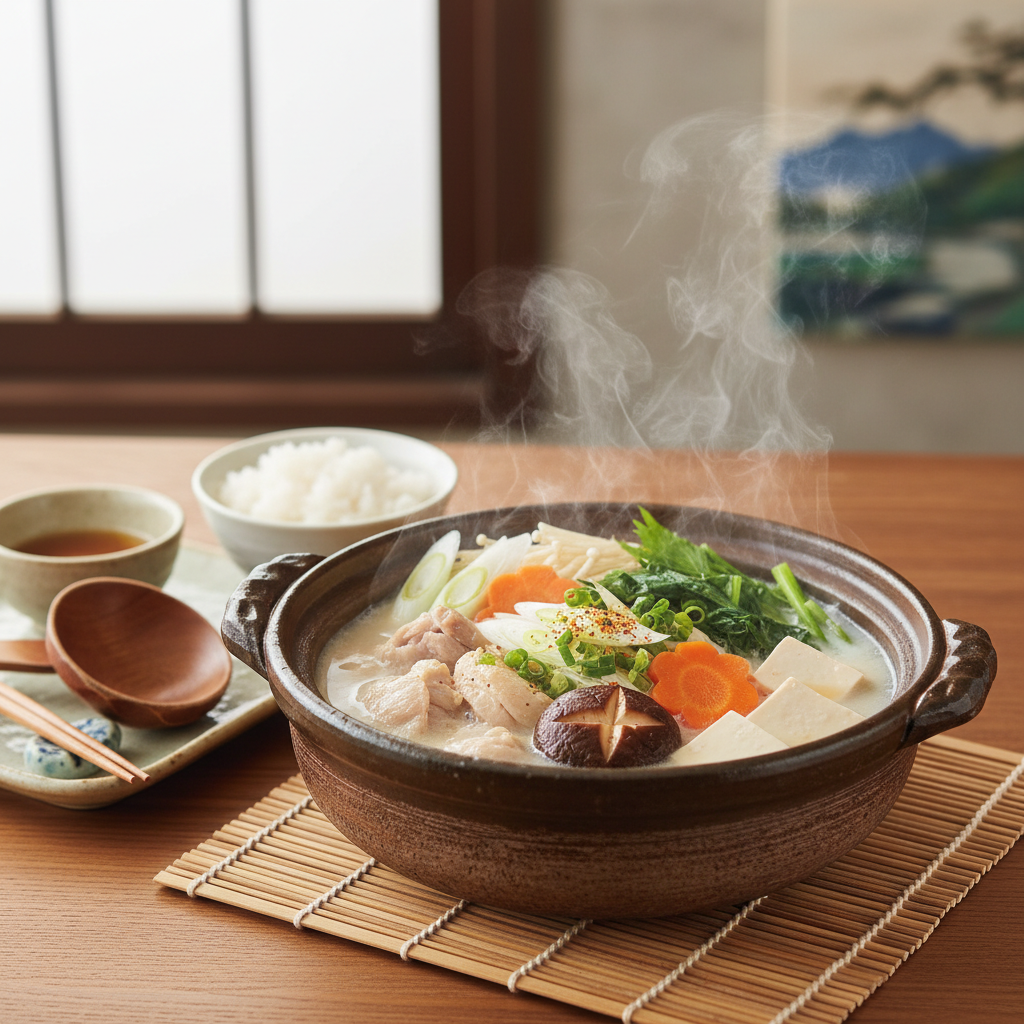

Complete Guide to Miwa Somen | History, Manufacturing Method, and How to Enjoy Nara Prefecture’s Representative Local Dish
“Miwa somen” produced in the Miwa region of Sakurai City, Nara Prefecture, is one of Japan’s three major somen noodles and is known as Japan’s oldest somen with a history of over 1,300 years. This article provides a comprehensive introduction to the charm of Nara Prefecture’s representative local dish, from the history of Miwa somen to traditional manufacturing methods, delicious ways to eat it, and how to purchase it.
What is Miwa Somen | Japan’s Oldest Somen Noodles Boasted by Nara Prefecture
Miwa somen is hand-stretched somen noodles produced in the Miwa region of Sakurai City, Nara Prefecture. This local dish, nurtured at the foot of Oomiwa Shrine (Oomiwa Jinja), is characterized by its thin white noodles, strong elasticity, and smooth throat feel.
Definition and Characteristics of Miwa Somen
Miwa somen refers to products that meet the following conditions:
- Origin: Miwa region of Sakurai City, Nara Prefecture, and surrounding areas
- Manufacturing method: Traditional hand-stretching technique
- Thickness: Fine noodles approximately 0.7mm to 1.3mm in diameter
- Raw materials: Wheat flour, salt, water, and cooking oil (such as cottonseed oil)
The greatest characteristic of Miwa somen is that despite being extremely thin, it possesses strong elasticity. This is realized through traditional hand-stretching methods passed down for over 1,300 years.
History of Miwa Somen | Local Dish with 1,300 Years of Tradition
Origins and Deep Connection with Oomiwa Shrine
The origins of Miwa somen trace back to the Nara period. According to legend, it was the second son of Oomiwa no Ason Sai Kusa (Oomiwa Asoni Saikusu), the chief priest of Oomiwa Shrine, named Taneushi (穀主), who began making noodles from wheat flour.
Oomiwa Shrine is one of Japan’s oldest shrines, with Mount Miwa as its sacred object. Born in this sacred place, Miwa somen was offered to the gods as sacred offerings (shinsen) and was also used to entertain worshippers.
Development in the Edo Period and Spread Throughout the Nation
By the Edo period, Miwa somen was commercially produced and became known nationwide as a specialty of Yamato. In particular, it was prized as a luxury item among wealthy merchants in Edo and Osaka and was called “Miwa no ito” (threads of Miwa).
It also became popular as a souvenir during sankin-kotai processions and visits to Ise Shrine, and the fame of Miwa somen spread throughout the nation.
Development After the Modern Era and Geographical Indication Protection System
The production of Miwa somen continued after the Meiji period, and through improvements in manufacturing technology and strict quality control, its position became firmly established. In 2017, it was registered under the geographical indication (GI) protection system as “Miwa Somen,” with its quality and tradition protected by the government.
Traditional Manufacturing Method of Miwa Somen | The Art of Hand-Stretching
The secret to the deliciousness of Miwa somen lies in the hand-stretching method employed by skilled craftsmen. We introduce traditional techniques that stand apart from machine-made noodles, requiring time and effort.
Overview of the Manufacturing Process
The manufacturing of Miwa somen typically takes two days and goes through the following stages:
- Kneading: Mixing wheat flour, salt water, and cottonseed oil to make the dough
- Resting (Nekatashi): Allowing the dough to rest to form gluten
- Oil coating (Aburakaeshi): Coating the dough with oil and allowing further fermentation
- Twisting (Koyori): Stretching the dough into a stick shape and twisting it while making it thinner
- Thinning (Hosome): Stretching further to make it thinner
- Spreading on racks (Kakebae): Stretching by hanging in a figure-eight pattern on two sticks
- Hanging to dry (Monbai): Stretching to final thickness and sun-drying
- Cutting and bundling: After drying, cutting to uniform length and bundling
Hand-Stretching Technique and the Secret to Elasticity
The strong elasticity of Miwa somen is born from the alignment of gluten structure through repeated stretching. While machine-made noodles are cut to shape, hand-stretched noodles are pulled, so gluten fibers remain uncut and align in one direction.
Additionally, by setting multiple resting periods during the manufacturing process, gluten is thoroughly formed, resulting in robust noodles that don’t easily stretch even when boiled.
Consideration for Season and Climate
Manufacturing of Miwa somen is greatly influenced by temperature and humidity. Traditionally, it has often been produced during winter (from November to around March of the following year), and somen made during this season is called “kanseisei” (cold-season made) and is particularly valued for high quality.
The cold and dry air of winter is ideal for drying noodles, and by slowly drying over time, smoother and more delicious somen is produced.
Grades and Varieties of Miwa Somen
Miwa somen has various grades based on manufacturing season, noodle thickness, and maturation period.
Classification by Maturation Period
- Hinémono (Old stock): Aged for one year or more after manufacturing. The noodles gain elasticity and flavor
- Oohinémono (Very old stock): Aged for two years or more. Premium grade
- Shinmono (New stock): Made in the current year
Miwa somen is a rare type of noodle that improves in quality when properly stored and aged. Through maturation, the moisture inside the noodles becomes uniform, improving the texture when boiled.
Classification by Thickness
- Kamisugi: The finest, premium grade (approximately 0.7mm diameter)
- Odamaki: Thin, high-grade
- Mizugaki: Standard thickness
- Homare: Slightly thicker
Thinner noodles require more skill and are considered premium, but thicker varieties are also delicious, and you can choose according to preference.
Delicious Ways to Enjoy Miwa Somen | How to Enjoy as a Local Dish
Basic Boiling Method
Here is the basic way to cook Miwa somen deliciously:
- Boil plenty of water: Use at least 1 liter of water for 100g of somen
- Add noodles to boiling water: Add the bundle as is and loosen with chopsticks
- Cooking time: Approximately 1 minute 30 seconds to 2 minutes (follow package instructions)
- Cool in cold water: Place in a colander and rinse thoroughly with running water to remove surface sliminess
- Chill in ice water: Chilling in ice water at the end results in better taste
Summer Standard | Chilled Somen
The most popular way to eat somen is with cold sauce.
Basic sauce preparation:
- Dashi broth (kombu and bonito flakes): 400ml
- Soy sauce: 3 tablespoons
- Mirin: 2 tablespoons
- Sugar: 1 teaspoon
Bring these ingredients to a boil in a pot and chill in the refrigerator.
Condiments:
- Green onion (thinly sliced)
- Ginger (grated)
- Japanese ginger
- Perilla leaf
- Wasabi
As a Local Nara Dish | Nyumen
In Nara Prefecture, eating Miwa somen in warm broth called “nyumen” is also enjoyed as a local dish.
Basic preparation of nyumen:
- Boil the somen slightly shorter than usual (about 1 minute)
- Without chilling in cold water, put directly into warm dashi broth
- Add ingredients (chicken, shiitake mushrooms, fish cake, Japanese greens, etc.)
- Dropping an egg is also delicious
Nyumen warms the body and aids digestion, making it ideal for meals when sick or during winter. It is enjoyed daily as home cooking in Nara Prefecture.
Creative Cuisine | Arrangement Recipes for Miwa Somen
In addition to traditional ways of eating, Miwa somen allows for various arrangements:
Pasta-style arrangement:
- Toss with tomato sauce or cream sauce
- Stir-fry with olive oil and garlic
Somen salad:
- Top boiled somen with plenty of vegetables and eat with dressing
Chanpuru:
- Stir-fry like Okinawan somen chanpuru
Famous Restaurants Where You Can Eat Miwa Somen | Sakurai City, Nara Prefecture
In Sakurai City, Nara Prefecture, the home of Miwa somen, there are many famous restaurants serving delicious somen.
Somen-dokoro Mori Masa
An established restaurant near the approach to Oomiwa Shrine. Open seasonally in summer, offering cold Miwa somen while viewing the garden. Features extremely fine noodles and refined sauce.
Senjutei
A dining establishment operated by a Miwa somen manufacturer. Fresh somen delivered directly from the factory can be enjoyed. Nyumen is also a popular menu item.
Men-dokoro Miwa
A local favorite eatery. Authentic Miwa somen can be enjoyed at reasonable prices. Nyumen with seasonal ingredients is well-regarded.
How to Purchase Miwa Somen | Souvenirs and Gifts
Purchase at the Destination
In the Miwa district of Sakurai City, Nara Prefecture, there are many direct sales outlets of somen manufacturers. There are also many souvenir shops near the approach to Oomiwa Shrine, where various grades of Miwa somen can be purchased.
Major manufacturers:
- Ikeri
- Miwa Yamamoto
- Morii Foods
- Yamada Seiyu
Online Purchase
From anywhere in the country, you can purchase authentic Miwa somen through internet shopping. It is available on the official websites of each manufacturer and shopping sites like Rakuten and Amazon.
From gift-boxed items for presentation to economical packs for home use, you can choose according to your needs.
Selection Points
- Purpose: For home use or as a gift
- Grade: Choose old stock or very old stock according to budget
- Thickness: Choose according to preferred texture (thinner is more premium, but thicker varieties are also delicious)
- Manufacturing period: Cold-season made is particularly high quality
- Storage period: Can be stored unopened for 2-3 years
Miwa Somen and Oomiwa Shrine | Connection Between Local Dish and Faith
To talk about Miwa somen, one cannot overlook its relationship with Oomiwa Shrine.
What is Oomiwa Shrine
Oomiwa Shrine (Oomiwa Jinja), located in Miwa, Sakurai City, Nara Prefecture, is one of Japan’s oldest shrines. With Mount Miwa as its sacred object, it has a unique form of worship without a main hall. Its deity is Omonoushi no Okami (the great deity of things), revered as a god of nation-building.
Legend of Somen’s Origin
As mentioned earlier, legend has it that a descendant of the chief priest of Oomiwa Shrine began making somen, and Miwa somen has developed with deep connections to the shrine.
Miwa Somen and Sacred Rituals
Today, Miwa somen may be used in the sacred rituals of Oomiwa Shrine. Additionally, it is sometimes offered to worshippers, and Miwa somen as a local dish is passed down as a culture unified with the region’s faith.
Nutrition and Health Benefits of Miwa Somen
Miwa somen is not only delicious but also excellent nutritionally.
Basic Nutritional Content
Per 100g of Miwa somen (dried noodles):
- Energy: Approximately 350 kcal
- Protein: Approximately 9g
- Fat: Approximately 1g
- Carbohydrates: Approximately 70g
The main component is carbohydrates, making it excellent as an energy source.
Easy Digestibility
Miwa somen is thin and has a short boiling time, making it easily digested and absorbed. It is easy to eat even when in poor health or lacking appetite from summer fatigue, making it suitable for nutritional supplementation.
Regarding Salt Content
Salt is used in the manufacturing process, so some salt remains even after boiling. Those who need to restrict salt intake due to conditions such as high blood pressure should be mindful of total salt consumption including the sauce.
How to Store Miwa Somen
When Unopened
- Store in a cool, dark place away from direct sunlight and with low moisture
- Expiration date is typically 2-3 years
- Can be stored long-term if high temperature and humidity are avoided
After Opening
- Store in an airtight container, avoiding moisture
- Consume as soon as possible (approximately 3-6 months)
- Be careful to prevent insects
After Boiling
- Boiled somen does not keep long and should be consumed the same day
- If storage is necessary, refrigerate for approximately one day
- Freezing is not recommended as it damages the texture
Differences Between Miwa Somen and Other Somen
Japan’s Three Major Somen
The three major somen of Japan are considered to be:
- Miwa somen (Nara Prefecture)
- Ibo no Ito (Hyogo Prefecture)
- Shodoshima somen (Kagawa Prefecture) or Shimabara somen (Nagasaki Prefecture)
Characteristics of Miwa Somen
Characteristics of Miwa somen compared to other somen:
- History: Tradition as Japan’s oldest somen
- Fineness: Extremely fine while possessing strong elasticity
- Manufacturing method: Strict adherence to traditional hand-stretching methods
- Aging: Developed aging culture with old stock and very old stock
- Regionality: Rich cultural background including connection with Oomiwa Shrine
Future of Miwa Somen | Inheriting Tradition and Innovation
Efforts in Developing Successors
Manufacturing Miwa somen requires advanced technique and years of experience. Currently, each manufacturer is working to cultivate young craftsmen, ensuring the succession of traditional techniques.
New Product Development
While maintaining tradition, development of new products suited to the times is also progressing:
- Colored somen with vegetables mixed in
- Gluten-free somen
- Individual serving packs improving convenience
International Expansion
Against the backdrop of the Japanese food boom, exports of Miwa somen are increasing. It is gaining high evaluation overseas as a healthy and easy-to-prepare Japanese noodle.
Conclusion | Miwa Somen is the Gem of Nara Prefecture’s Local Dishes
Miwa somen is Japan’s oldest somen with a history of over 1,300 years and is Nara Prefecture’s representative local dish. Nurtured at the foot of Oomiwa Shrine, this traditional food is characterized by its hand-stretching method performed by skilled craftsmen, extreme fineness with strong elasticity, and smooth throat feel.
Whether enjoyed as chilled somen to appreciate summer traditions or as warm nyumen to savor Nara’s local cuisine, Miwa somen can be enjoyed in various ways and is active in many situations, from the daily dining table to gifts.
When visiting Nara Prefecture, be sure to taste authentic Miwa somen at its source and, combined with a visit to Oomiwa Shrine, experience the region’s rich food culture and history. It is also recommended to share the taste of tradition with loved ones as souvenirs or gifts.
Miwa somen is a treasure of Japanese food culture, passed down from the past through the present and into the future.