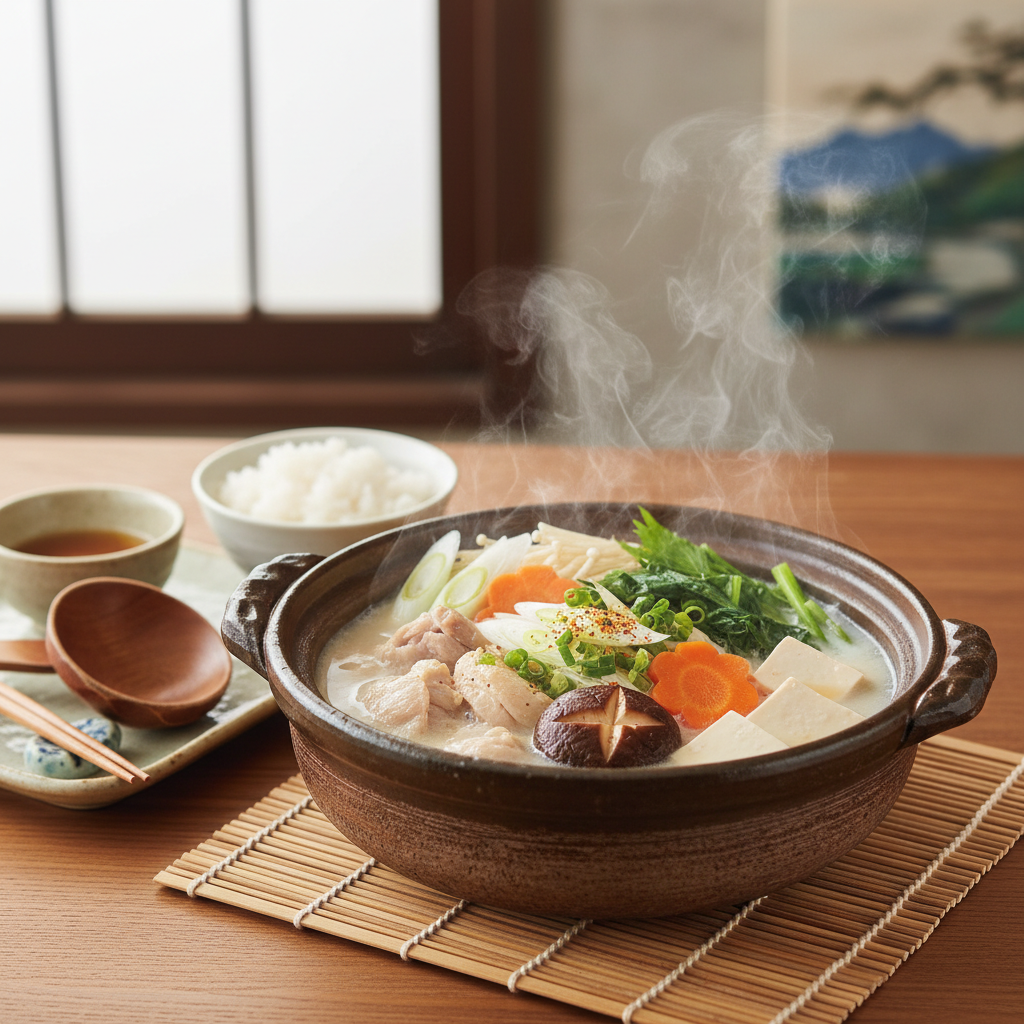

Tea Porridge (Chagayu) | History and Recipe of “Okaissan,” Nara Prefecture’s Representative Local Cuisine
What is Tea Porridge?
Tea porridge (chagayu) is a traditional local dish representative of Nara Prefecture. It is a porridge made by cooking rice in brewed roasted tea or common tea, and unlike ordinary white porridge, it is characterized by a light, smooth mouthfeel. In Nara Prefecture, it is affectionately called “okaissan” and has been cherished as an everyday food since ancient times.
So deeply rooted is this dish in Nara’s food culture that there is a saying: “The morning of Yamato begins with tea porridge.” In contrast with Kyoto’s white porridge, it is also called “Kyoto’s white porridge, Yamato’s tea porridge.” It is a simple yet profound local cuisine born from the combination of “rice” and “tea,” two staples representative of Japanese food culture.
History and Origins of Tea Porridge
Legend of Emperor Shomu and the Construction of the Great Buddha of Todai-ji
There is an interesting historical legend behind the spread of tea porridge in Nara. The encyclopedia “Kojirui-en,” in its section “Food and Drink Part Six,” contains the following passage:
“In Yamato, even farming households eat tea porridge four or five times a day. During the reign of Emperor Shomu, when the Great Buddha of Todai-ji Temple in the Southern Capital was being constructed, people in households ate porridge and conserved rice to assist with the construction work, and from that time, porridge became the main food.”
According to this account, during the construction of the Great Buddha of Todai-ji Temple by Emperor Shomu in the Nara period, common people began eating tea porridge to conserve rice. The theory goes that tea porridge, which contains a lot of liquid, spread so that many people could eat with less rice while supporting a large-scale construction project.
Tradition in the Yoshino Region
Particularly in the Yoshino region of Nara Prefecture, tea porridge has long been cherished under the affectionate nickname “okaissan.” This name reflects both familiarity and respect for the porridge, suggesting it held cultural value beyond mere sustenance.
Tea porridge was eaten not only in Nara Prefecture but also in Wakayama Prefecture and the Iga region of Mie Prefecture; however, the nickname “okaissan” was a unique way of referring to it used in Nara Prefecture, particularly in the Yoshino region.
Establishment as Everyday Food
As evidenced by the record that tea porridge was eaten four or five times a day, it was not a special dish for the people of Nara but a staple food eaten daily. Tea porridge appeared on the dining table for breakfast, lunch, and snacks, playing a central role in Nara’s food life.
Major Regions of Tradition and Spread
Dissemination Throughout Nara Prefecture
Tea porridge has been eaten throughout Nara Prefecture as a local dish, developing as a unique food culture particularly in regions such as Yoshino and Katsuragi. The type of tea used, ingredients, and level of saltiness vary subtly depending on the region, reflecting the characteristics of each area.
Influence on Neighboring Regions
Centered in Nara Prefecture, the culture of tea porridge also spread to Wakayama Prefecture and the Iga region of Mie Prefecture. This reflects not only geographical proximity but also historical exchange and cultural connections.
Characteristics and Ingredients of Tea Porridge
The Secret of Its Smooth Texture
The greatest characteristic of tea porridge is its “smooth” and light mouthfeel. While ordinary white porridge becomes sticky from rice starch, tea porridge, through the action of tea tannins, allows rice grains to separate easily, resulting in a smooth finish with more moisture. This unique texture is why the dish has been cherished as easy to eat even in hot summers and gentle on the digestive system.
Main Ingredients Used
Basic ingredients:
- Rice (cold leftover rice is often used)
- Roasted tea or common tea
- Salt (a small amount)
Ingredient variations:
- Sweet potato
- Vegetables
- Legumes
The type of tea used—whether homemade common tea, roasted tea, or powdered tea—varies depending on the region and household. The level of saltiness also differs by region and household preference, creating varying flavors.
How to Make Tea Porridge (Basic Recipe)
Ingredients (Serves 10)
- Rice: 5 cups (or cold cooked rice approximately 1.5 kg)
- Roasted tea (tea leaves): about 50g
- Water: 3–4 liters
- Salt: a small amount
- Sweet potato: desired amount
Basic Preparation Method
1. Brew the tea
Fill a large pot with plenty of water and add roasted tea leaves to brew. Making a strong brew brings out the distinctive aromatic flavor of tea porridge. Using a tea infuser bag makes it convenient to remove the leaves later.
2. Remove the tea leaves
After brewing sufficiently, remove the tea leaves. A dark brown tea liquor will be ready.
3. Add the rice
If using cold rice, add it to the brewed tea. If making from raw rice, wash the rice and add it for cooking. Using cold rice is more traditional and saves cooking time.
4. Add ingredients (optional)
If adding sweet potato, cut it into appropriate sizes and simmer together. The subtle sweetness of sweet potato enriches the flavor of the tea porridge.
5. Cook
Bring to a boil over medium heat, then lower to low heat and continue cooking until smooth and light. Ideal is a state with more moisture than ordinary porridge, with rice grains separated.
6. Season
Adjust the taste with a small amount of salt. Tea porridge is traditionally made with restrained seasoning, and a level of saltiness that enhances the aromatic quality of roasted tea and the natural sweetness of rice is preferred.
Cooking Tips
- Using cold rice makes it easier to achieve a smooth texture
- Brew the tea strong so the flavor stands out
- Adjust the amount of water according to preference, aiming for a smooth finish
- Ingredients can be arranged seasonally with vegetables or potatoes as desired
Occasions and Seasons for Eating
Standard Breakfast Food
As the saying “The morning of Yamato begins with tea porridge” indicates, tea porridge is often eaten especially for breakfast. Its light, smooth texture is gentle on the stomach in the morning and is cherished as a meal befitting the start of the day.
Year-Round Staple Food
Tea porridge is eaten year-round regardless of season, but especially in summer it is easy to eat even when appetite is low, and in winter warm tea porridge warms the body. By adding seasonal ingredients throughout the year, it can be enjoyed continuously.
From Everyday Food to Special Occasions
Once an everyday food eaten multiple times daily, tea porridge is now popular as a local cuisine enjoyed by tourists visiting Nara. It is also sometimes served at regional events and gatherings.
Dining Methods and Ways to Enjoy Tea Porridge
Basic Way of Eating
Tea porridge is best eaten while warm. To enjoy its smooth texture, serve in a bowl and eat with chopsticks or a spoon. Since it is lightly salted, it is often eaten with pickles, and pairs well with Nara pickles or umeboshi (pickled plums).
As a Tea Porridge Meal Set
At restaurants and inns in tourist areas, it is often served as a “tea porridge meal set.” A typical composition includes:
- Tea porridge (main dish)
- Hassun (seasonal side dishes)
- Pickles (such as Nara pickles)
- Dessert such as warabi mochi
- Local Nara cuisine
By providing it in this meal set style, one can enjoy not only tea porridge but also Nara’s food culture comprehensively.
Seasonings and Accompaniments
While tea porridge itself has simple seasoning, the following seasonings and accompaniments can add flavor variation:
- Nara pickles
- Umeboshi (pickled plums)
- Takuan (pickled radish)
- Pickles such as nozawana
- Tsukudani (simmered condiments)
- Salted kelp
Difference Between Tea Porridge and Nara Tea Rice
What is Nara Tea Rice?
A dish often confused with tea porridge is “Nara tea rice.” Nara tea rice is a dish that became hugely popular in Edo during the Edo period, made from rice cooked in tea with beans and chestnuts added. It is characterized by less moisture and a finish closer to regular rice.
Main Differences
Tea porridge:
- High moisture content and smooth texture
- Soft, porridge-like consistency
- Developed as an everyday food in Nara Prefecture
- Called “okaissan”
Nara tea rice:
- Less moisture, closer to regular rice
- Firm texture
- A dish that became popular in Edo
- Rich in ingredients such as beans and chestnuts
Both share the common point of cooking rice in tea, but the moisture content, texture, and historical background differ significantly.
Restaurants in Nara Prefecture Serving Tea Porridge
Serving at Tourist Sites
For tourists visiting Nara, tea porridge is a local dish to be experienced at least once. Many restaurants and inns in Nara city and the Yoshino region serve tea porridge.
Main serving styles:
- Tea porridge meal sets at specialty shops
- Breakfast at inns and hotels
- Menus at local cuisine restaurants
- Regional facilities such as roadside stations
Breakfast at Accommodations
Many inns and hotels in Nara Prefecture serve tea porridge for breakfast. When staying, it is recommended to try tea porridge at breakfast, an invaluable opportunity to experience a traditional Nara morning meal.
Roadside Stations and Regional Facilities
Roadside Station Katsuragi in Katsuragi City and other roadside stations and tourist facilities throughout the prefecture serve tea porridge. One can casually enjoy tea porridge made with local ingredients.
Preservation and Succession Efforts
Position as a Local Cuisine
Tea porridge is registered with the Ministry of Agriculture, Forestry and Fisheries’ “Our Local Cuisine,” officially recognized as a representative local cuisine of Nara Prefecture. This registration has led to widespread recognition of the history and cultural value of tea porridge and has promoted its transmission to future generations.
Utilization as a Tourism Resource
Tea porridge has become an important food culture content in Nara Prefecture tourism. It is introduced on official tourism sites such as “Awo ni Yoshi Nara Travel Net,” providing opportunities for tourists to experience Nara’s food culture.
Regional Succession Activities
The following efforts are undertaken in various regions:
- Serving tea porridge in school lunches for food education
- Distribution of tea porridge at community events
- Cooking classes and workshops
- Public sharing and promotion of recipes
Contemporary Commercialization
While preserving tradition, commercialization adapted to modern lifestyles is progressing:
- Retort-packaged tea porridge
- Tea porridge-specific roasted tea bags
- Tea porridge sets as tourist souvenirs
- Online recipe video distribution
Information Sharing via SNS
To promote uptake among younger generations, active information sharing using SNS is underway. On Instagram and Twitter, beautifully plated photos of tea porridge and home cooking videos are shared, creating new tea porridge enthusiasts.
Health Benefits and Nutritional Value of Tea Porridge
Gentle on Digestion
Tea porridge, with its high moisture content and smooth texture, is a digestive-friendly meal. It is suitable when the stomach and intestines are weak or as a recovery food after illness. Additionally, as a breakfast, it allows one to start the day without burdening the digestive system.
Benefits of Roasted Tea
Catechins contained in roasted tea have antioxidant properties that contribute to health maintenance. Additionally, roasted tea contains less caffeine than green tea, making it safe to eat before bedtime or for children.
Low Calorie with Satisfying Feeling
Due to its high moisture content, even a small amount of rice provides satisfaction and allows for reduced calorie intake. It is an easy-to-eat dish for those on a diet or with no appetite.
Intake of Dietary Fiber
By adding sweet potatoes or vegetables, dietary fiber can be efficiently consumed. Benefits to intestinal health are also expected.
Tips for Enjoying Tea Porridge at Home
Utilizing Cold Rice
The appeal of tea porridge is that it can be easily made using leftover rice. Using leftover rice in the refrigerator also helps reduce food waste.
Arrange with Seasonal Ingredients
Based on the basic recipe, the dish can be enjoyed throughout the year without tiring by adding seasonal foods:
- Spring: rapeseed flowers, bamboo shoots
- Summer: edamame, corn
- Autumn: chestnuts, mushrooms
- Winter: pumpkin, daikon radish
Vary the Tea Type
By making tea porridge with different types of tea—common tea, green tea, or genmai tea—rather than just roasted tea, one can enjoy differences in flavor. The characteristics of each tea are reflected in the taste of the tea porridge.
As a New Breakfast Habit
Even on busy mornings, tea porridge can be made in about 15 minutes if cold rice is available, making it perfect for the modern breakfast. Why not incorporate the tradition “The morning of Yamato begins with tea porridge” into modern life?
Conclusion: Tea Porridge Conveying Nara’s Food Culture
Tea porridge is a local cuisine nurtured by the long history and everyday lives of the people of Nara Prefecture. The tradition said to continue from the time of Emperor Shomu, the affectionate nickname “okaissan,” and the distinctive smooth texture—all of these speak to the richness of Nara’s food culture.
Simple yet profound, tea porridge is born from the combination of rice and tea, staples representative of Japanese food culture, making it truly a Japanese dish. Even today, tea porridge, which is healthy, gentle on digestion, and easy to prepare, continues to be loved by many.
When visiting Nara, be sure to taste authentic tea porridge and experience its history and culture. Additionally, as it can be easily made at home, it is recommended to incorporate this traditional Nara breakfast into daily life. Through tea porridge, one can touch the rich food culture of Nara and the wisdom of people’s lives.