
Kobe Beef Steak and Hyogo Prefecture’s Local Cuisine: A Comprehensive Explanation of the Charm of World-Renowned Food Culture
Hyogo Prefecture is known worldwide as the production area of Kobe beef, but it is also a treasure trove of diverse local cuisines nurtured by rich nature and history. This article provides a detailed explanation of Hyogo’s food culture, focusing on the charm of Kobe beef steak.
Kobe Beef: The World’s Premier Brand Beef
Definition and History of Kobe Beef
Kobe beef (Kobe-gyu) is the highest-grade beef produced from Tajima cattle raised in Hyogo Prefecture, meeting especially strict standards. Its history dates back to the Meiji era. With the opening of the Port of Kobe in 1868 (Meiji 1), Western residents in the foreign settlement district noticed the excellent meat quality of Tajima cattle, and it became known to the world as “Kobe Beef.”
In Japan at that time, meat consumption was not common due to Buddhist influence, but with demand from foreigners, beef dishes began to be served in the port town of Kobe. This is said to be the beginning of Kobe beef steak.
Kobe Beef Certification Standards
To be called Kobe beef, the following strict conditions must be met:
- Bloodline: Must be pure-blood Tajima cattle from Hyogo Prefecture (black-haired Japanese cattle)
- Fattening Location: Must be raised within Hyogo Prefecture
- Meat Quality Grade: BMS (marbling degree) must be No. 6 or higher
- Yield Grade: Must be A or B grade
- Carcass Weight: For virgin cattle and steers, must be 270kg or more and 470kg or less
- Meat Quality: Must have fine texture and good fat quality
Due to these strict standards, only a few percent of all Tajima cattle are certified as Kobe beef, giving it rare status.
Characteristics of Kobe Beef
The reasons Kobe beef is praised worldwide lie in its unique meat quality:
Fine-Grained Marbling (Sashi)
Kobe beef’s greatest feature is the fine fat marbled between muscle fibers. This marbling is sometimes called an “art form,” earning it the nickname “artwork of marbling.”
Low-Melting-Point Fat
Kobe beef’s fat has a low melting point (approximately 17-19 degrees Celsius), creating a texture that melts in the mouth. Since it begins to melt at around body temperature, sweetness and umami spread across the palate the moment it enters the mouth.
Refined Aroma and Flavor
Kobe beef is characterized by its unique sweet aroma and deep umami. Because of the high fat quality, it lacks greasiness and offers refined taste.
Tender Meat Quality
Due to careful long-term fattening, the meat is extremely tender, with some pieces soft enough to cut with chopsticks.
How to Enjoy Kobe Beef Steak
Optimal Cooking Methods
To maximize Kobe beef’s excellence, cooking method is crucial.
How to Cook Steak
- Bring to Room Temperature: Remove from refrigerator and let sit for 30 minutes to 1 hour
- Simple Seasoning: Salt and pepper alone are sufficient to enjoy the meat’s natural flavor
- Sear Surface on High Heat: Quickly sear the surface on high heat to seal in the juices
- Rare to Medium-Rare: For Kobe beef, rare to medium-rare is considered most delicious
- Let Rest: After cooking, let rest for 3-5 minutes to stabilize the meat juices
Recommended Doneness
- Rare: Only the surface is cooked, the center is raw. Best captures the sweetness and umami of Kobe beef
- Medium-Rare: Center is slightly warm with pink color. Good balance of tenderness and meat juices
- Medium: Cooked through the center with some pink remaining. A safe level of doneness
Enjoying Different Cuts
Kobe beef has various cuts, each with distinct appeal.
Sirloin
From the upper loin, featuring beautiful marbling with excellent balance of tenderness and umami. The classic cut for steak.
Fillet (Hire)
The most tender cut with less fat and refined flavor. A rare cut as only a small amount is obtained from each animal.
Rib Roast
Characterized by fine marbling with concentrated flavor and tenderness. Suitable for sukiyaki and shabu-shabu as well.
Rump
Good balance of lean meat and marbling, allowing enjoyment of the meat’s natural flavor. Suited for steak and roast beef.
Ichibo
From the tip of the rump with moderate marbling and rich lean meat umami. A cut gaining popularity in recent years.
Famous Restaurants Serving Kobe Beef Steak
Many renowned restaurants serving Kobe beef exist within Hyogo Prefecture.
Famous Restaurants in Kobe City
Chuo Ward in Kobe City concentrates long-established steakhouses and teppanyaki restaurants. Many offer the enjoyment of watching skilled chefs cook before you. Price ranges are typically 5,000-15,000 yen for lunch and 15,000-30,000 yen or more for dinner.
Selection Points
- Must be certified by the Kobe Meat Distribution Promotion Council
- Must be able to present Kobe beef certificate
- Chef must have abundant technical skill and experience
- Individual identification number must be verifiable
Hyogo Prefecture’s Local Cuisine: Diverse Food Culture
Hyogo Prefecture is rich not only in Kobe beef but in regionally distinctive local cuisines.
Harima Region Local Cuisine
Himeji Oden
Oden enjoyed in Himeji featuring the distinctive way of dipping in ginger soy sauce. This different eating method from typical oden represents the region’s individuality.
Conger Eel Dishes
Cuisine using conger eel caught in Harima Bay has developed. Particularly around Akashi City, conger eel rice bowls and conger eel sushi are local specialties.
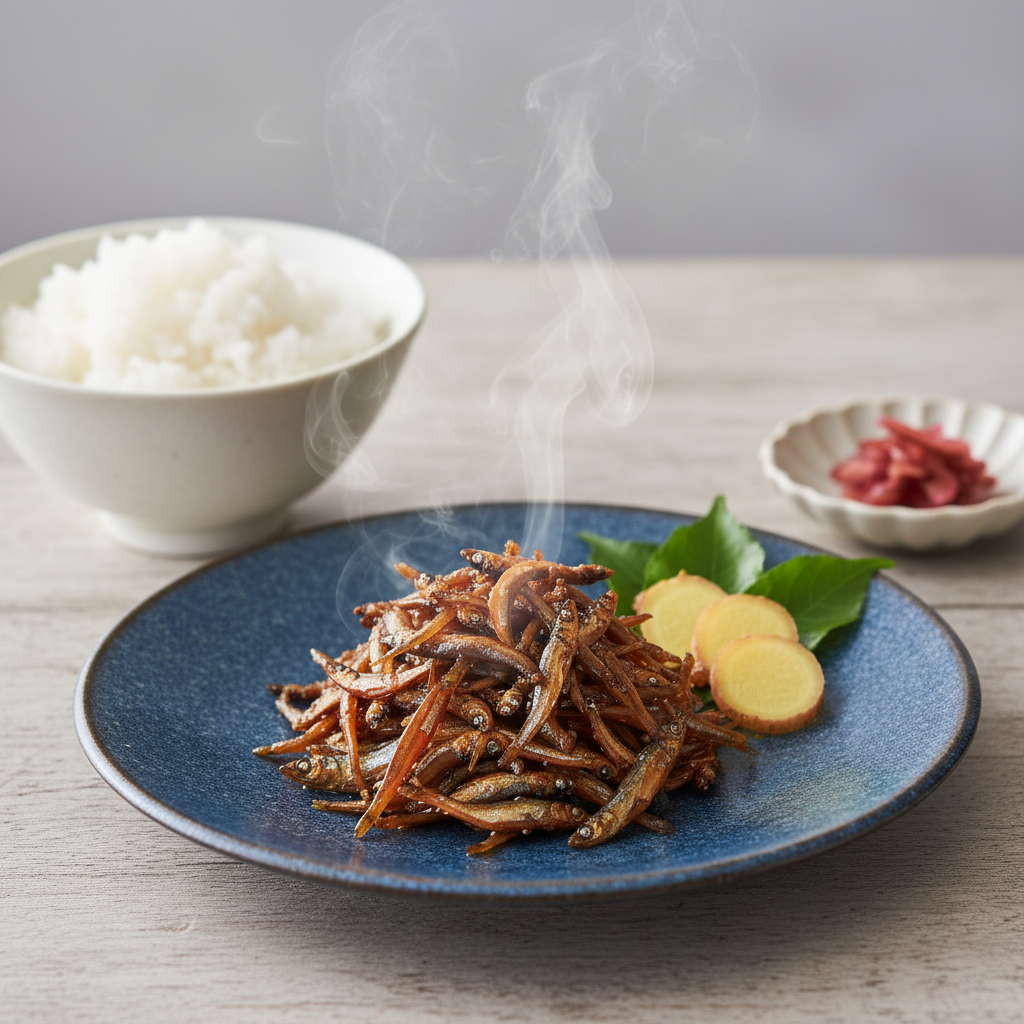
Ikanago no Kuginige (Ikanago Tsukudani)
A tsukudani (salty-sweet stewed food) enjoyed as a spring seasonal favorite. Fresh sand eels simmered sweetly in soy sauce, sugar, and ginger, this traditional preserved food is made in household kitchens.
Tajima Region Local Cuisine
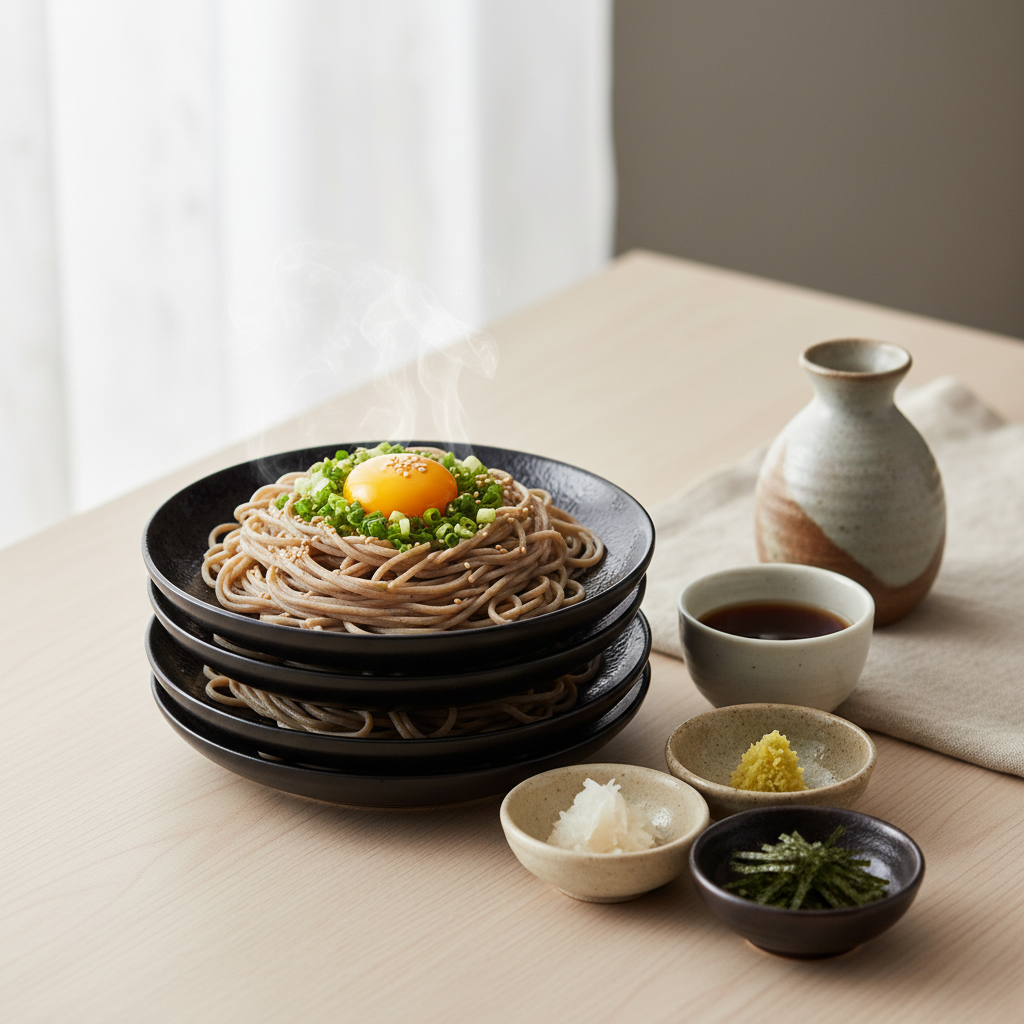
Izushi Soba
A specialty of Izushi Town in Toyooka City, featuring the distinctive “plate soba” style of serving soba in small plates with condiments. A traditional food culture continuing from the Edo period.
Tajima Beef Dishes
Various dishes using Tajima cattle, the parent stock of Kobe beef. Sukiyaki, shabu-shabu, beef rice bowls and other local dishes can be enjoyed at reasonable prices.
Kasumi Crab
Dishes using red snow crab (Kasumi crab) landed at Kasumi Port are winter specialties. Served as crab sashimi, grilled crab, crab hot pot, and more in various preparations.
Awaji Island Local Cuisine
Awaji Island Onions
Awaji Island onions, known nationwide for their strong sweetness and tender texture. Used in onion steak, onion soup, onion curry and various dishes.
Awaji Island Burger
A local burger featuring abundant island ingredients including Awaji beef, Awaji Island onions, and Awaji Island lettuce.
Bream Dishes
The waters around Awaji Island are prime bream fishing grounds, with abundant bream-based local cuisine including bream rice, bream vermicelli, and salt-grilled bream.
Kobe City Area Local Cuisine
Bokkake
A dish of beef tendon and konnyaku stewed sweet and spicy, believed to originate in Nagata Ward, Kobe City. Popular both eaten alone and as a topping for udon and okonomiyaki.
Sobameshi
A dish of fried noodles and rice stir-fried together, believed to originate in Nagata Ward, Kobe City. Featuring sauce flavor, it has become nationally known as B-class gourmet food.
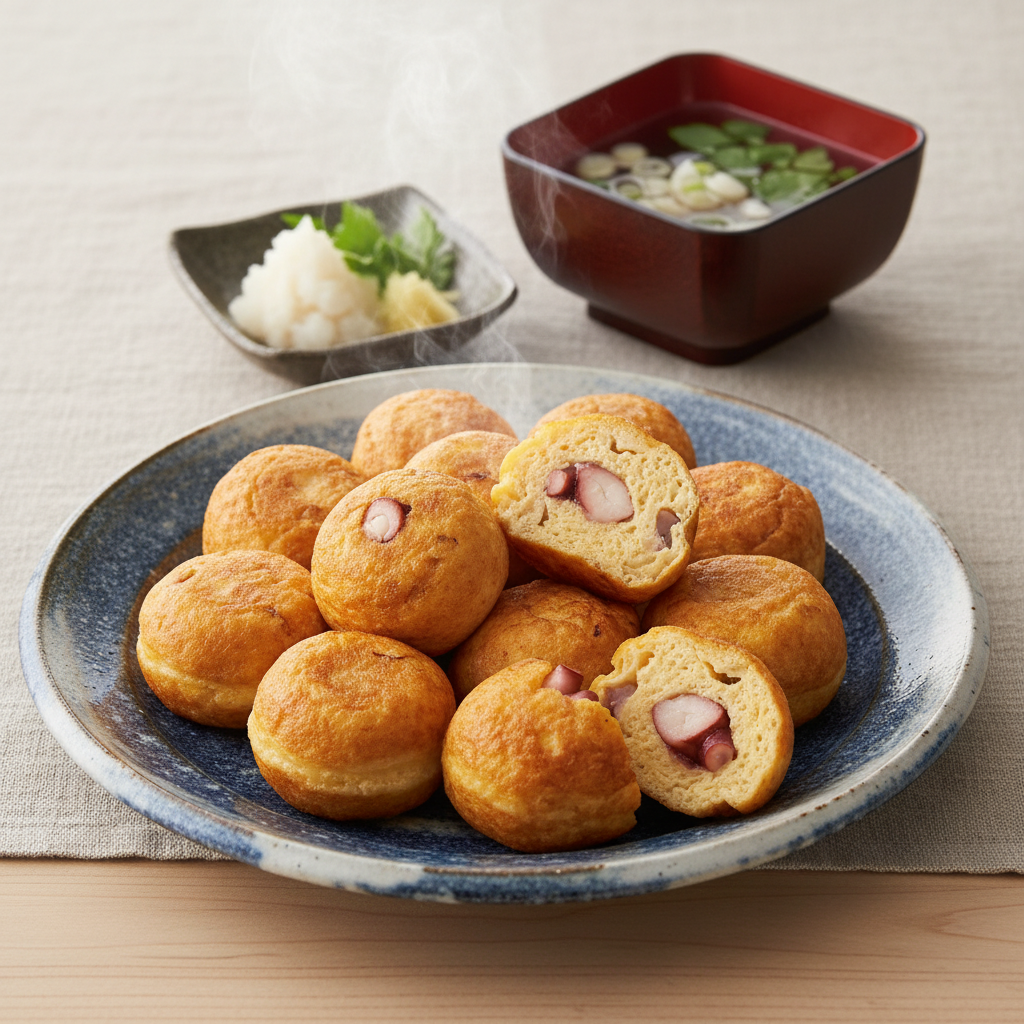
Akashi Yaki (Tamago Yaki)
Akashi City’s local cuisine, resembling takoyaki but using more eggs, with characteristic fluffy texture. Typically eaten dipped in broth.
Historical Background of Kobe Beef and Local Cuisine
Diversity of Food Culture Brought by Port Towns
Since its opening in 1868, Kobe Port has developed as an international trading port. This history has greatly influenced Hyogo’s food culture.
In the foreign settlement district, Western cuisine was served, and “youshoku” (Western-style cuisine) born from the fusion of Japanese ingredients and Western cooking methods was created. Kobe beef steak is a prime example. The formation of Chinatown also made Chinese cuisine part of Kobe’s food culture.
Food Ingredients Nurtured by Regional Climate and Terrain
Hyogo Prefecture has diverse climates and terrain, including the Tajima region on the Japan Sea side, the Harima region on the Seto Inland Sea side, and Awaji Island.
Tajima Region experiences heavy winter snow and large temperature differences in climate ideal for Tajima cattle fattening. Mountainous areas abound in wild vegetables and mushrooms.
Harima Region enjoys warm, dry Seto Inland Sea climate, blessed with seafood like conger eel and oysters.
Awaji Island has warm climate and rich soil, making it ideal for vegetable cultivation of onions and lettuce.
Establishment of Kobe Beef Brand
Kobe beef’s establishment as a world-class brand is the result of producers’ efforts and strict quality control.
In 1983, the “Kobe Meat Distribution Promotion Council” was established, clarifying the definition and certification standards for Kobe beef. This has served to eliminate counterfeit products and maintain quality.
In 2012, overseas exports previously suspended due to foot-and-mouth disease resumed, and currently Kobe beef is exported to countries worldwide including Hong Kong, Macau, Singapore, Thailand, the United States, Canada, and EU nations.
Guide to Enjoying Kobe Beef Steak and Local Cuisine
Purchase Methods and Price Range
Purchase at Authorized Retailers
For guaranteed authentic Kobe beef, purchase at licensed butcher shops or department stores certified by the Kobe Meat Distribution Promotion Council.
Price Guidelines
- Sirloin steak (100g): 3,000-8,000 yen
- Fillet steak (100g): 4,000-10,000 yen
- Sukiyaki portions (100g): 2,500-6,000 yen
- Yakiniku portions (100g): 2,000-5,000 yen
Online Purchase
Many authorized retailers operate online shops, allowing purchase from anywhere in Japan. Certificates with individual identification numbers are included.
Food Sightseeing Model Courses
One-Day Kobe City Course
- Morning: Breakfast at Motomachi Chinatown (pork buns and dim sum)
- Midday: Kobe beef steak lunch
- Afternoon: Sweets in Sannomiya area (Kobe pudding and cakes)
- Late afternoon: Bokkake or sobameshi in Nagata Ward
- Evening: Kobe beef teppanyaki dinner
Two-Day Hyogo Prefecture Touring Course
Day 1:
- Morning: Himeji Castle viewing followed by Himeji oden lunch
- Afternoon: Akashi yaki
- Evening: Kobe beef dinner in Kobe City
Day 2:
- Morning: Awaji Island onion dishes
- Afternoon: Izushi soba
- Evening: Tajima beef cuisine at Kinosaki hot spring
Seasonal Enjoyment
Spring (March-May)
Season for ikanago tsukudani. Awaji Island’s new onions reach peak season. Kobe beef enjoyed year-round, but spring BBQ is also recommended.
Summer (June-August)
Season for Akashi bream and conger eel. Kobe beef enjoyed in cooler preparations like cold shabu-shabu and roast beef.
Autumn (September-November)
Tajima region abounds in matsutake mushrooms and chestnuts. Kobe beef combined with autumn ingredients offers special appeal.
Winter (December-February)
Kasumi crab and Kinosaki hot spring crab cuisine reach peak season. Kobe beef sukiyaki and shabu-shabu warm the body in winter’s pleasures.
Nutritional Value and Health Benefits of Kobe Beef
Nutritional Components
Though Kobe beef has an image as luxury food, it has excellent nutritional characteristics.
Protein
Rich in high-quality protein containing essential amino acids well-balanced for muscle formation and maintenance.
Fat
Kobe beef’s fat contains abundant oleic acid, a monounsaturated fatty acid believed to reduce bad cholesterol.
Vitamins and Minerals
Rich in B vitamins (B1, B2, B12), iron, and zinc. These assist metabolism promotion, anemia prevention, and immune enhancement.
Appropriate Consumption Amount
While Kobe beef has high nutritional value, it contains substantial fat, making it important to enjoy it in moderation.
For typical adults, 100-150g per meal is considered appropriate. Enjoying it once or twice weekly is ideal.
Healthy Eating Methods
Combined with Vegetables
Serving salad or warm vegetables with steak improves nutritional balance. Fiber-containing vegetables in particular moderate fat absorption.
Proper Doneness
Charred portions may contain carcinogenic substances, requiring care not to burn meat at high heat.
Slow Appreciation
As Kobe beef is tender, one may swallow without thorough chewing, but slow appreciation increases satisfaction and prevents overeating.
Kobe Beef Production Site: Tajima Cattle Fattening
Tajima Cattle History and Bloodline Management
Tajima cattle, raised in Tajima region in northern Hyogo, are black-haired Japanese cattle with history possibly extending over 1,000 years.
Tajima cattle’s greatest characteristic is maintaining pure blood without crossbreeding with cattle from other regions. Through strict bloodline management, excellent meat quality genes have been inherited.
Currently, Tajima cattle bloodlines are managed by the “Hyogo Prefecture Wagyu Registration Association,” with pedigree certificates issued for all Tajima cattle.
Fattening Methods and Raising Environment
Tajima cattle destined to become Kobe beef receive careful fattening as follows:
Fattening Period
Fattened over approximately 28-32 months after birth, longer than typical beef cattle.
Feed
Coarse feed like rice straw and wheat straw combined with concentrated feed like barley and corn in balanced proportion. Each farm develops unique compound feed, creating meat quality individuality.
Raising Environment
Raised in clean cattle barns in quiet, stress-free environments. Some farms play classical music to cattle or provide massage.
Health Management
Regular veterinary health checks are conducted with disease prevention and early detection efforts. Antibiotic use is minimized.
Producer Efforts and Challenges
Kobe beef producers daily strive for high-quality beef production while facing challenges.
Successor Shortage
Fattening farmer aging and serious successor shortage. Hyogo Prefecture supports new entrants and training programs.
Feed Price Increases
International grain price rises increase feed costs, raising production costs.
Brand Protection
Counterfeit “Kobe Beef” circulates as overseas popularity grows. Trademark registration and certification system strengthening continue.
Food Materials and Producers Supporting Hyogo’s Food Culture
Seafood: Blessings of the Seto Inland Sea and Japan Sea
Facing both the Seto Inland Sea and Japan Sea, Hyogo lands diverse seafood.
Akashi Fish
The fast-flowing Akashi Strait produces firm, delicious fish. Akashi bream, Akashi octopus, and Akashi conger eel are famous.
Kasumi Crab
Kasumi Port lands red snow crab (Kasumi crab) and snow crab (Matsuba crab). Kasumi crab particularly offers strong sweetness at reasonable prices.
Awaji Island Seafood
Awaji Island areas produce abundant bream, pike conger, Spanish mackerel, and sand eels. Fish raised in fierce Naruto Strait currents are firm and delicious.
Mountain Bounty: Tajima’s Rich Nature
Tajima mountain areas abound with seasonal mountain vegetables and mushrooms.
Wild Vegetables
Spring brings bracken, ostrich fern, and fatsia shoots, enjoyed as tempura and boiled vegetables.
Mushrooms
Autumn yields matsutake, shimeji, and maitake mushrooms used in local cooking.
Game
Recently, venison and wild boar cuisine gains attention. Properly processed game offers delicious cooking without strong odors.
Agricultural Products: Vegetables and Fruits from Fertile Soil
Awaji Island Onions
Awaji Island onions, from warm climate, fertile soil, and skilled farming, feature strong sweetness and tender texture, delicious eaten raw.
Harima Rice
Harima region produces high-quality rice, particularly “Hinohikari” and “Kinumusume” varieties.
Tamba Black Beans
Black beans from Tamba Sasayama area feature large grains and strong sweetness, nationally popular as New Year’s simmered beans.
Future of Kobe Beef and Local Cuisine
Sustainable Production Initiatives
Kobe beef producers advance environmentally considerate sustainable production methods.
Environmental Load Reduction
Cattle burp-generated methane gas is a greenhouse gas. Feed improvement and fattening method innovations reduce methane emissions.
Circular Agriculture
Cattle excrement used as compost for vegetable and feed crop cultivation, promoting circular agriculture.
Animal Welfare
Stress-free raising environments and proper health management reflect animal welfare consideration.
Overseas Expansion and Internationalization
Kobe beef gains high worldwide evaluation with expected future overseas market development.
Export Expansion
Currently exported to approximately 20 countries and regions, with particularly high Asian demand among wealthy consumers.
Brand Protection
Overseas trademark registration strengthens protection of genuine “Kobe Beef” from counterfeits.
Cultural Promotion
Kobe beef serves to transmit Japanese food culture and “hospitality” spirit worldwide.
Local Cuisine Inheritance and Innovation
Hyogo’s local cuisine continues evolving while preserving tradition.
Inheritance by Young Generations
School lunch incorporation and cooking class provision support inheritance by younger generations.
New Interpretations
Modern arrangements of traditional local cuisine emerge, such as bokkake pasta and pizza.
Local Consumption Promotion
Restaurants providing local-ingredient dishes and expanded direct sales promote local consumption.
Regional Promotion Through Food
Kobe beef and local cuisine serve as important Hyogo tourism resources.
Food Tourism
Food-purpose tourist recruitment advances. Popular tours include Kobe beef steak and local cuisine food walks.
Food Events
Facilities like “Kobe Beef Museum” provide exhibitions on Kobe beef history and production. Food festivals and events occur regularly.
Economic Contribution
Kobe beef and local cuisine provide economic benefits across dining, tourism, and agriculture sectors.
Conclusion: The Charm of Kobe Beef Steak and Hyogo’s Food Culture
Kobe beef steak is Hyogo Prefecture’s world-class premium brand beef. Only Tajima cattle meeting strict standards qualify as Kobe beef, and its rarity and superior meat quality continue captivating gourmands worldwide.
Fine-grained marbling, fat melting in the mouth, refined aroma and flavor, tender meat quality. These characteristics result from long-cultivated producer technique, effort, and Hyogo’s rich natural environment.
Yet Hyogo’s food culture appeal extends beyond Kobe beef. Regional specialties include Harima’s Himeji oden and ikanago tsukudani, Tajima’s Izushi soba and Kasumi crab, Awaji Island’s onion and bream dishes, and Kobe City’s bokkake and sobameshi—each region offers distinctive local cuisine.
These food cultures developed through Hyogo’s diverse climate and terrain, its port town history, and regional people’s wisdom and ingenuity. Seto Inland Sea and Japan Sea seafood, Tajima mountain bounty, produce from fertile soil—abundant ingredients and cooking methods utilizing them form Hyogo’s unique food culture.
Today, tradition-preserving while continuing modern evolution characterizes the food culture. Sustainable production adoption, overseas market expansion, young generation inheritance, and food-based regional promotion ensure transmission to future generations.
Experiencing Kobe beef steak and enjoying Hyogo’s local cuisine means more than simply eating delicious meals. It represents touching cultivated food culture, appreciating producer effort and natural bounty, and rediscovering regional charm.
When visiting Hyogo Prefecture, please savor Kobe beef steak and diverse local cuisine. Its flavor will surely become unforgettable memory. Considering the stories and culture behind that deliciousness will deepen food enjoyment further.