
Complete Guide to Jako-Ten | Thorough Explanation of the History, Manufacturing Method, and How to Eat This Local Specialty Dish Boasted by Ehime Prefecture
Jako-ten, beloved in the Nanyo region of southern Ehime Prefecture since ancient times, is a traditional fish cake product made by grinding small fresh fish caught in the Uwa Sea with bones and skin intact, then deep-frying it. Far from being merely fried fish cake, it is a local specialty dish representing Ehime that embodies the region’s history and food culture, and continues to be cherished by many people today.
This article provides a detailed explanation of everything about jako-ten, from its historical background, manufacturing methods, nutritional value, diverse ways of eating it, regional differences, and efforts for preservation and inheritance.
What is Jako-ten (じゃこてん)?
Jako-ten is a specialty product made primarily in the coastal areas of the Nanyo region of Ehime Prefecture, especially centered around Uwajima City and Yawatahama City. It is a fish cake product made by deep-frying ground fish from local waters, and is classified as fried fish cake.
Its greatest characteristic lies in the method of grinding small fish including skin and bones. This manufacturing method allows one to experience the original flavor of fish and its nutrition fully, creating a unique flavor and texture that sets it apart from other processed fish products. The deep umami of fish that spreads the more you chew it, along with a subtle fragrant aroma, creates a taste that is unforgettable once tasted.
Locally, it is often simply called “tempura,” and historically in Uwajima, all fried fish pastes were called “tempura,” with those containing skin and bones like jako-ten specially called “kawa-tempura” (skin tempura). This naming convention remains rooted in the region today, and jako-ten is cherished as a soul food in the daily lives of Ehime residents.
Main Transmission Regions
The main manufacturing and transmission regions of jako-ten are in the Nanyo region of southern Ehime Prefecture, particularly in the following areas.
Uwajima City
Uwajima City is said to be the birthplace of jako-ten, and is the region where the most traditional manufacturing methods are preserved. At fishing ports facing the Uwa Sea, fresh small fish are unloaded, and many fish cake shops manufacture jako-ten using traditional methods. Uwajima’s jako-ten primarily uses Haranbo (Hotaru jako) and is characterized by strong fish flavor and firm texture.
Yawatahama City
Yawatahama City is also a fishing region facing the Uwa Sea where fish processing has developed as a traditional industry. Yawatahama’s jako-ten uses various types of small fish such as lizardfish, and many feature unique flavors different from Uwajima. Because the types of fish used and their proportions differ by region, each shop’s individual flavors can be enjoyed.
Iyo City and Other Regions
Jako-ten is widely manufactured and sold in other regions of Ehime Prefecture, including Iyo City. Fish cake shops in each region exert their own ingenuity and offer original jako-ten using fish caught locally, becoming established as a local dish throughout Ehime Prefecture.
History, Origins, and Related Events
The Origins of Jako-ten
The history of jako-ten dates back to the early Edo period. It is said that when Date Hidetatsu, the eldest son of Sendai Domain Lord Date Masamune, became the first domain lord of Uwajima Domain in Genwa 1 (1615), missing his hometown of Sendai, he brought fish cake craftsmen with him, which marked the beginning of jako-ten.
Sendai had developed a fish cake culture including sasaakamaboko (bamboo leaf fish cake), but in Uwajima, it developed uniquely by utilizing the small fish abundant in the Uwa Sea. At that time, small fish called “jako” (miscellaneous fish) were considered less valuable than larger fish, but a technique of grinding them with skin and bones intact and deep-frying them was developed, spreading widely as a valuable protein source for common people.
The Origin of the Name
The name “jako-ten” is a combination of the small fish used as raw material (miscellaneous fish = jako) and “tempura” meaning fried foods. In the Uwajima region, there was a custom of calling all fried fish paste “tempura,” and among these, those made from small fish became established as “jako-ten.”
Connection with Regional Culture
Jako-ten has played an important role not only as an everyday food but also as a ceremonial and festival food. The custom of deep-frying jako-ten at home or using it as a gift during New Year, Obon, local festivals and other occasions remains today. Freshly fried jako-ten in particular has exceptional deliciousness and has been cherished as a special occasion dish.
Main Ingredients Used
Haranbo (Hotaru Jako)
The most representative primary ingredient for jako-ten is Haranbo (Hotaru Jako). This small fish caught in the Uwa Sea is about 10 centimeters in body length and is characterized by low fat content and mild taste, yet strong umami. Particularly in traditional Uwajima jako-ten, using primarily this Haranbo creates the unique flavor and resilient texture.
Lizardfish (Eso)
Lizardfish is a white fish widely used as an ingredient for fish cake and is also frequently used in jako-ten. Its soft meat is easy to grind into paste, creating a smooth texture. By blending lizardfish, jako-ten finishes with good mouthfeel and refined flavor.
Other Small Fish
Various small fish caught in the Uwa Sea are used, including red seabream, horse mackerel, mullet, and sea bream. The types of fish used and their proportion ratios differ by manufacturer, becoming an important element in creating each shop’s unique flavor. As the fish caught changes by season, using seasonal fish allows one to enjoy different flavors throughout the year.
Supplementary Materials
Basically made with simple ingredients, but flavor is adjusted by adding salt, sugar, mirin, sake and other seasonings. A small amount of starch may be added, but in traditional manufacturing methods, the fish proportion is high, and the original fish flavor is valued.
Manufacturing Methods and How to Make It
Traditional Manufacturing Method
The traditional manufacturing process of jako-ten centers on skilled handwork.
- Fish Preparation: Fresh small fish are washed and gutted. However, skin and bones are kept intact, which is characteristic of jako-ten.
- Making Paste: Fish is ground using a stone mortar or machine. Traditionally, using a stone mortar where craftsmen grind by hand allows fish fibers to remain appropriately, creating the unique texture.
- Seasoning: Salt, sugar, mirin and other flavorings are added to the paste and thoroughly kneaded together. This process determines the taste, making a craftsman’s experience and intuition crucial.
- Shaping: The kneaded paste is placed in a wooden frame and pressed into a flat oval shape. The typical thickness is about one centimeter.
- Deep-frying: Deep-fry in oil at 170-180 degrees Celsius until the surface becomes a golden-brown color and a fragrant aroma rises, resulting in a crispy exterior and fluffy interior.
How to Make at Home
Jako-ten can be made at home as well. Below is a basic recipe.
Ingredients (Serves 4)
- Small fish (Haranbo, horse mackerel, etc.): 500g
- Salt: 1 teaspoon
- Sugar: 1 teaspoon
- Mirin: 1 tablespoon
- Sake: 1 tablespoon
- Starch (potato starch): 2 tablespoons
- Frying oil: as needed
Instructions
- Remove the head and entrails from small fish and wash thoroughly. Keep skin and bones.
- Using a food processor or mortar, grind the fish until smooth.
- Add seasonings and starch to the paste, kneading until sticky.
- Take the paste in hand and shape into a flat oval.
- Deep-fry in 170-180 degree oil until both sides become golden-brown.
- Drain oil well and complete.
Nutritional Value and Health Benefits
Jako-ten is a highly nutritious food because it uses small fish whole.
Rich in Calcium
Because bones are ground whole into the paste, it contains abundant calcium. The calcium content per 100 grams is several times that of regular fish cake, making it effective for bone health maintenance and osteoporosis prevention. It serves as an excellent calcium source for children in growth phases and elderly people.
Essential Fatty Acids Such as DHA and EPA
It is abundant in DHA (docosahexaenoic acid) and EPA (eicosapentaenoic acid) and other essential unsaturated fatty acids abundant in oily fish. These components aid in brain development and function maintenance, blood-thinning effects, and prevention of lifestyle-related diseases.
High-Quality Protein
Rich in high-quality protein derived from fish meat, contributing to muscle maintenance and immune enhancement. It is also easily digestible and absorbed, making it a suitable nutrient source for elderly people and children.
Vitamins and Minerals
By using whole fish, one can obtain various vitamins and minerals including B vitamins, vitamin D, iron, and zinc. These play important roles in metabolism promotion and immune function maintenance.
Healthy Fried Food
While a fried food, fish fat consists primarily of high-quality unsaturated fatty acids, and in appropriate amounts, can be considered a health food. However, calories are approximately 200-250kcal per 100 grams, so care should be taken against overeating.
Eating Methods and Diverse Ways to Enjoy
One of the attractions of jako-ten is its diverse eating methods. While delicious eaten plain, various cooking methods allow one to enjoy different flavors.
Eating Plain
The simplest way and the one that best allows one to enjoy jako-ten’s original flavor. Eat freshly purchased items plain, or warm lightly. Typically eaten with soy sauce, ginger soy sauce, ponzu and other condiments. Because it is simple, the fish’s umami and fragrant aroma are transmitted directly.
Eating Grilled
Lightly grilling in a frying pan, toaster oven, or fish grill makes the surface crispy and fragrant while the interior becomes fluffy. Grilling allows fat to drip away, making it more healthful. Served with grated daikon and soy sauce, or yuzu pepper, it becomes refreshing.
As a Simmered Dish
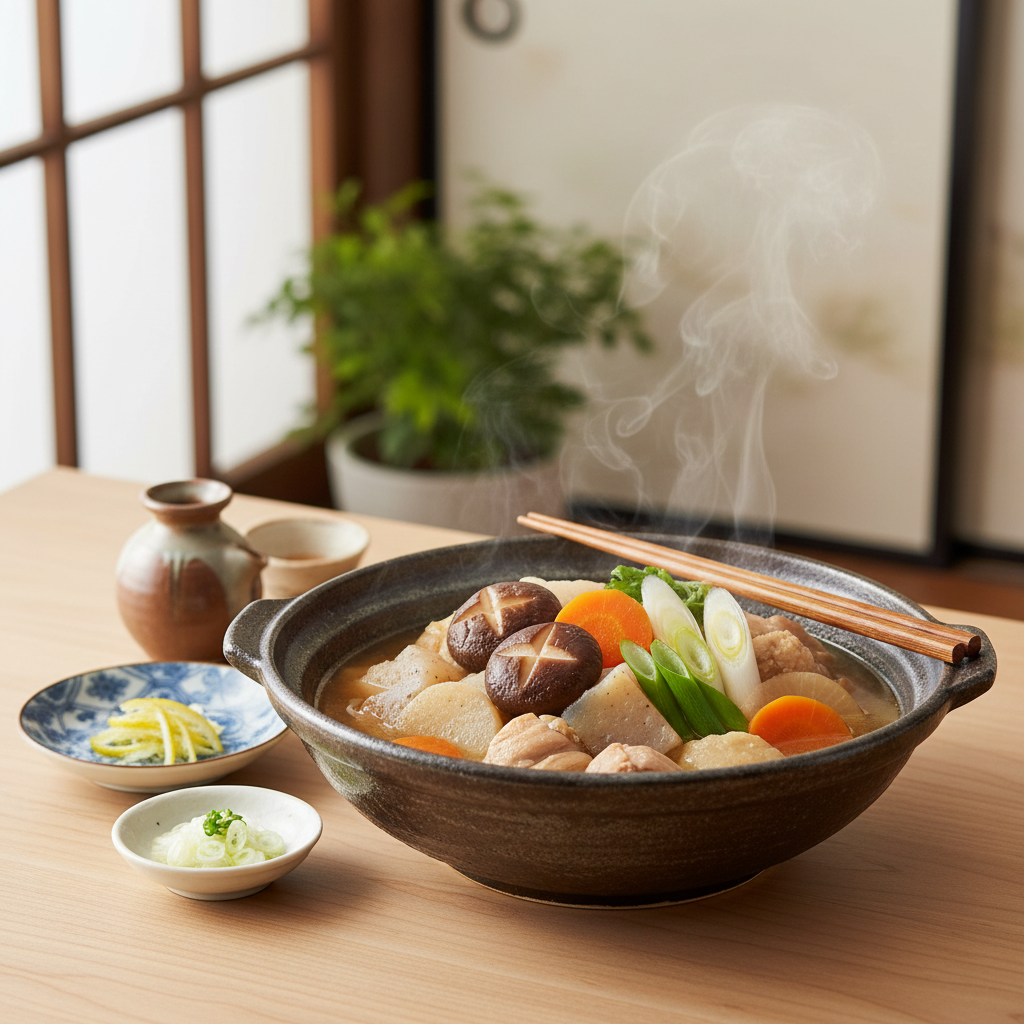
Eating jako-ten as an ingredient in oden or simmered dishes is also popular. Jako-ten becomes soft and juicy when simmered as broth soaks in. When simmered together with daikon, taro, and konnyaku, fish umami transfers to other ingredients, creating a deeply flavored simmered dish.
In Stir-fries
Adding to vegetable stir-fries, stir-fried udon, yakisoba and other dishes adds fish umami, giving the entire dish depth of flavor. Stir-fried with cabbage, bean sprouts, peppers, etc. and seasoned with soy sauce or oyster sauce becomes a rice-pairing side dish.
Jako-ten Curry
In Ehime Prefecture, adding jako-ten to curry is also popular. The fish umami of jako-ten matches exquisitely with curry spices, creating a unique deliciousness. It is also known as a local specialty curry.
As Ingredients in Udon and Soba
Using jako-ten as a topping for udon and soba noodles is also standard. Jako-ten soaked in warm broth becomes soft, and combined with broth umami, becomes excellent. Many udon shops in Ehime Prefecture have jako-ten udon on their menus, cherished by local people.
As Salad Topping
Thinly slicing jako-ten as a salad topping adds protein, creating a nutritionally balanced dish. It pairs especially well with Japanese dressing and is noted as a healthful way to enjoy it.
As a Snack
Lightly grilled jako-ten is ideal as a snack for Japanese sake or beer. Adding seven-spice chili pepper or mayonnaise makes it even more delicious.
Eating Occasions and Seasons
Jako-ten is manufactured and sold year-round, not limited to a specific season, making it an accessible local dish. However, the types of fish used change by season, allowing one to experience different flavors at different times of year.
As Everyday Food
For Ehime residents, jako-ten is an everyday ingredient. Easily purchased at supermarkets and fish cake shops, it appears on tables in various settings: as a breakfast side dish, a lunch box item, or a dinner accompaniment.
As Festival and Ceremonial Food
During special occasions like New Year, Obon, and local festivals, the custom of deep-frying jako-ten or purchasing it remains. Freshly fried jako-ten in particular is exceptionally delicious and is treasured as a special occasion dish when family and relatives gather.
As a Gift
As an Ehime specialty, it is popular as a souvenir or gift. Often chosen as a homecoming gift or as a gift to out-of-prefecture friends and acquaintances, it serves a role in conveying Ehime’s flavors.
For Tourists
For tourists visiting Ehime Prefecture, jako-ten is a must-try local specialty. Sold at roadside stations, tourist facilities, and airports, many establishments provide freshly fried versions, allowing it to be enjoyed as a travel memory by many people.
Differences Between Uwajima and Yawatahama
The two major producing areas of jako-ten, Uwajima City and Yawatahama City, have subtle differences in manufacturing methods and flavor.
Uwajima’s Jako-ten
Uwajima is said to be the birthplace of jako-ten, and the most traditional manufacturing methods are preserved. Haranbo (Hotaru Jako) is the primary ingredient, and a high fish proportion is characteristic. Strong fish flavor and firm texture allow umami to spread the more one chews. The color is darker, and one can also enjoy the texture of fish bones and skin.
Yawatahama’s Jako-ten
Yawatahama frequently uses various types of small fish such as lizardfish, with many featuring flavors different from Uwajima. Characterized by somewhat softer texture and good mouthfeel with less fish odor. The color is often lighter than Uwajima’s, representing a flavor with broad appeal.
Individual Shop Characteristics
In both regions, each fish cake shop possesses its own unique blending and methods, with each shop’s individual flavors enjoyable. Going on jako-ten tours to find your personal favorite flavor is one of the pleasures of an Ehime trip.
Recommended Famous Shops and How to Purchase
Long-established Fish Cake Shops
Many long-established fish cake shops founded over 100 years ago exist throughout Ehime Prefecture. At shops like Tanaka Fish Cake Honten (founded 1888), which continues to preserve traditional methods, one can taste authentic jako-ten as made long ago.
Manufacturing Experience
Some fish cake shops and tourist facilities offer jako-ten manufacturing experiences. By personally experiencing the process of kneading paste, shaping, and deep-frying, understanding of jako-ten deepens, making it taste even more delicious. It is popular as an experiential learning activity for families and school trips.
Purchase Locations
- Fish Cake Shop Direct Stores: Fresh jako-ten can be purchased at various fish cake shops.
- Supermarkets: Multiple manufacturer jako-ten is sold at supermarkets throughout the prefecture.
- Roadside Stations and Tourist Facilities: Diverse jako-ten varieties are available for tourists.
- Online Sales: Purchasable via internet shopping from outside the prefecture. Delivered frozen or in vacuum packs.
Preservation and Inheritance Efforts
Inheriting Traditional Techniques
Fish cake associations and individual shops throughout Ehime Prefecture are working to pass traditional manufacturing methods to the next generation. Training of young craftsmen and holding technical seminars continue as efforts to preserve jako-ten culture.
School Lunch Utilization
Jako-ten is regularly served in school lunches at schools throughout Ehime Prefecture, providing children an opportunity to learn their region’s flavors. Lessons teaching jako-ten’s history and nutrition are conducted as part of food education.
Product Development and Contemporary Efforts
While preserving tradition, new product development adapted to contemporary needs is advancing.
- Health-conscious Options: Low-salt types and premium products using specific fish for health-conscious consumers
- Variation Products: Cheese-filled, curry-flavored, vegetable-filled and other arranged versions
- Individual Packaging and Vacuum Packs: Enhanced preservation, suitable for out-of-prefecture sales and gifts
- Freezing Technology: Rapid freezing preserves the deliciousness of freshly fried jako-ten while delivering nationwide
Communication via Social Media and Media
Ehime Prefecture and various fish cake shops utilize social media to communicate jako-ten’s appeal. Recipe introductions, eating method suggestions, and manufacturing process sharing on Instagram and Twitter work toward enhancing recognition among younger generations.
Utilization as a Tourism Resource
Jako-ten plays an important role in Ehime Prefecture’s tourism PR. Efforts include creating “jako-ten food walk maps” and developing local specialty dishes using jako-ten, with tourism-linked initiatives underway.
Efforts toward Geographical Indication (GI) Protection System
There are also movements to register jako-ten with the geographical indication protection system in the future, with brand value enhancement and protection being considered. This would allow Ehime-produced jako-ten’s quality and tradition to be publicly recognized, with further development expected.
Summary
Jako-ten is a traditional local dish of the Nanyo region of southern Ehime Prefecture that has been passed down for over 400 years. Through its unique manufacturing method of grinding fresh small fish caught in the Uwa Sea with bones and skin intact and deep-frying them, it possesses deep umami and abundant nutrition not found elsewhere, continuing to be loved by local people as a food product.
Whether eaten plain, grilled, simmered, or stir-fried, it can be enjoyed in diverse ways, and can be widely utilized from everyday food to ceremonial food and snacks—a versatile ingredient. Rich in calcium and nutrients such as DHA and EPA, it is also noted as a health food.
While preserving tradition, it continues evolving to match contemporary needs through new product development and social media communication. When visiting Ehime Prefecture, be sure to taste freshly fried jako-ten and experience its history and culture. Also, online purchasing is available, allowing one to enjoy Ehime’s flavors at home.
Jako-ten is not merely food, but rather a local specialty dish that can be called a regional treasure, with the Ehime sea, history, and people’s lives concentrated within it.