Complete Guide to Edomae Sushi | History, Characteristics, and Famous Restaurants of Tokyo’s Signature Local Cuisine
Edomae sushi is the origin of sushi culture representing Japan and a local cuisine that Tokyo takes pride in. Edomae sushi, centered on nigiri sushi, has transcended the framework of mere cuisine to become a symbol of Japanese food culture itself. This article provides detailed explanations from every angle, from the history of edomae sushi to its preparation methods and how to enjoy it in modern times.
What is Edomae Sushi | Tokyo’s Representative Local Cuisine
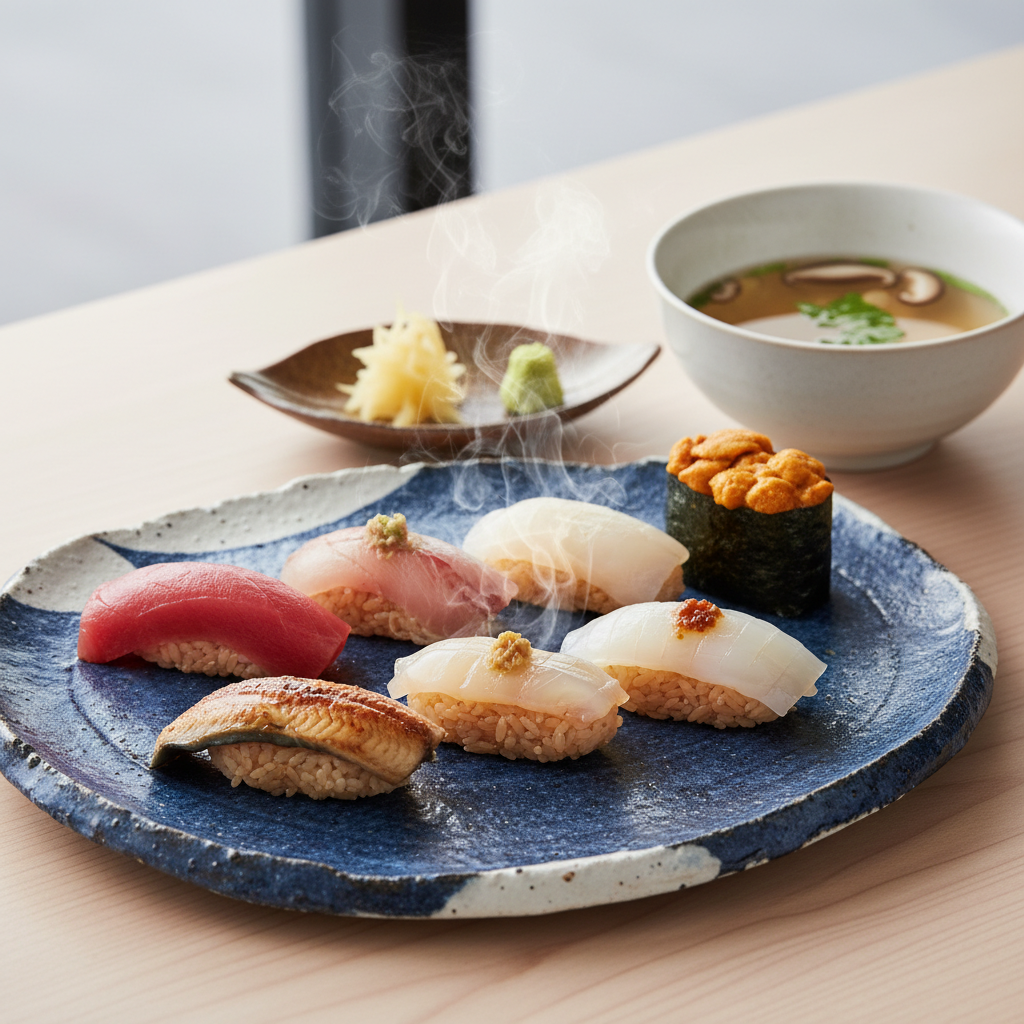
Edomae sushi (江戸前寿司) is a local cuisine of Edo centered on nigiri sushi, and was formerly also called “Edo sushi” or “Tokyo sushi.” It is made using abundant and fresh seafood from Edomae, with sushi chefs applying their skilled techniques to create the dish.
While edomae sushi is now often used to refer to nigiri sushi in general, the original edomae sushi has clear definitions and characteristics. These include using seafood caught in Tokyo Bay (the Edomae sea) and applying various preparations called “shigoto” (work).
Definition and Characteristics of Edomae Sushi
The greatest characteristic of edomae sushi lies in applying various processing and cooking techniques to the ingredients. Rather than simply placing raw fish on top, various techniques are used to finish the ingredients, including simmering, steaming, boiling, vinegar curing, kombu wrapping, takeing (soy sauce pickling), and vinegar washing.
This technique was born from the ingenuity needed to preserve raw fish for long periods in the Edo period when refrigerators did not exist. However, even in modern times, these “shigoto” are not merely preservation techniques but important methods that bring out the umami of the fish, adjust the texture, and create harmony with vinegared rice, and they continue to be passed down.
Representative ingredients include kohada and mackerel cured in vinegar, simmered conger eel, steamed shrimp, and egg omelet. Additionally, using vinegared rice made with red vinegar is also a characteristic of edomae sushi.
History of Edomae Sushi | From the Edo Period to Modern Times
Birth of Edomae Sushi
The birth of edomae sushi dates back to the late Edo period, the Bunsei era (1818–1830). A chef named Hanaya Yohei (華屋與兵衛) is said to have devised the prototype of today’s nigiri sushi.
Before this, sushi consisted of time-consuming dishes such as fermented nare sushi or pressed sushi. However, Yohei invented the groundbreaking method of forming vinegared rice and placing fresh seafood on top. This allowed sushi to be provided immediately after ordering, making it a “fast food” that spread explosively among Edo’s common people.
Stall Culture and Edomae Sushi
Edomae sushi was initially served at food stalls. At sushi stalls in Edo’s streets, the traditional style was for chefs to make sushi in front of customers, with people eating them while standing. Unlike today’s image of fine dining, it was an easily accessible taste for common people.
The size of individual pieces of sushi was also larger than today, said to be about the size of rice balls. This reflected the Edo era values of “fast, cheap, and delicious.”
Development in the Meiji and Taisho Periods
In the Meiji period, stalls decreased due to hygiene regulations, and shop-type sushi restaurants increased. During this period, edomae sushi established itself as a local cuisine of Tokyo.
The Great Kanto Earthquake occurred in the Taisho period, and many sushi chefs scattered throughout Japan, which became a catalyst for spreading edomae sushi techniques nationwide. Through this, edomae sushi changed from a Tokyo local cuisine to a nationwide dish.
Modern Edomae Sushi
From the Showa period onward, with advances in refrigeration technology, raw fish sushi also became generalized. However, many restaurants continue to preserve traditional edomae sushi techniques, and today it has established itself as fine cuisine.
Throughout Tokyo, particularly in areas such as Ginza, Nihonbashi, and Tsukiji, diverse edomae sushi restaurants line the streets, from long-established shops founded over 100 years ago to new-generation establishments incorporating innovative techniques.
Edomae Sushi Techniques | Understanding the Chef’s “Shigoto”
The essence of edomae sushi lies in the various “shigoto” applied to the ingredients. Here we explain representative techniques in detail.
Vinegar Curing (Sujime)
This technique is used on blue fish called hikari-mono. Kohada, mackerel, and horse mackerel are first salted and then pickled in vinegar, removing fishy odors, tightening the flesh, and adding a unique flavor. The curing time and vinegar concentration are subtly adjusted based on the fish’s size, freshness, and season.
Kohada is one of the representative ingredients of edomae sushi, and the curing is said to reveal the chef’s skill. The fish changes names as it matures—shinko (juvenile), kohada (adult), and konoshiro (large)—each requiring appropriate techniques.
Simmering and Takeing
A technique used on red meat such as tuna is “tuke.” Fish is immersed in a marinade made from soy sauce, mirin, sake, and other ingredients, increasing preservation while adding deep umami.
In the Edo period, there was no refrigeration technology, and tuna spoiled easily and was not commonly eaten raw. By takeing it, preservation was improved and it could be eaten deliciously. Even today, this technique allows enjoyment of flavors different from raw fish.
Simmering Technique
This technique is used on conger eel and tiger prawn. Particularly, simmered conger eel is one of the representative ingredients of edomae sushi, cooked fluffy in a sweet and spicy sauce.
The heat when simmering, the sauce proportions, the cooking time—all are determined by the chef’s experience and technique. Edomae simmered conger eel should be so soft it crumbles when held with chopsticks, yet maintain its shape as sushi topping, requiring exquisite balance.
Kombu Wrapping
This technique is used on white fish, where the fish is wrapped between kombu and left to rest, transferring the kombu’s umami while extracting excess moisture to tighten the flesh. It suits mild white fish such as flatfish, sea bream, and bass.
The kombu wrapping time varies depending on the fish type and thickness, generally a few hours to overnight. Glutamic acid, the umami component of kombu, transfers to the fish, creating deep flavors.
Steaming Technique
This technique is used on shrimp. Steaming tiger prawn creates unique sweetness and resilient texture. If steaming time is too short, it smells fishy; if too long, it becomes tough, requiring exquisite timing.
Searing (Aburi)
This technique lightly sears the fish surface to add aromatic, crispy notes. In modern times, it is often used on fatty fish such as toro and salmon. The fat melts from the searing, combining with aromatic notes to create unique flavor.
Representative Edomae Sushi Ingredients
Edomae sushi has traditional signature ingredients favored over time. Here we explain each’s characteristics and techniques applied.
Kohada (Small Sardine)
A light-colored fish representing edomae sushi. Vinegar curing is applied, and the curing’s quality is said to reveal the chef’s skill. The season extends from the juvenile shinko period into early summer, with flavor changing as it matures.
Anago (Conger Eel)
Conger eel caught in Tokyo Bay is considered first-class nationwide. Simmered conger eel prepared with sweet and spicy sauce is the signature of edomae sushi. It features melting texture and sweet sauce flavor in the mouth.
Maguro (Tuna)
Tuna marinated in soy sauce using the tuke technique is traditional edomae sushi. Today raw tuna is common, but the deep umami of takeing tuna remains supported by many enthusiasts.
Kuruma Ebi (Tiger Prawn)
Steamed tiger prawn features its sweetness and resilient texture. Different from raw shrimp, delicate flavors can be enjoyed.
Tako (Octopus)
Boiled octopus features appropriate chewiness and sweetness. Texture changes greatly by boiling time, making this one of the ingredients where chef technique is questioned.
Tamagoyaki (Egg Omelet)
Traditional edomae sushi egg omelet is “atsuyaki tamago” (thick omelet) mixed with shrimp or white fish surimi. It features sweetness and fluffy texture, often eaten at the end. Chef skill clearly shows, so it’s said “knowing the chef’s ability comes from eating egg.”
Edomae Sushi Vinegared Rice | Devotion to Shari
In edomae sushi, vinegared rice (shari) is equally important as the ingredients. Edomae sushi vinegared rice has unique characteristics.
Use of Red Vinegar
Traditional edomae sushi uses red vinegar (made from sake lees). Red vinegar has milder acidity than rice vinegar with deep umami. Additionally, vinegared rice made with red vinegar doesn’t harden easily as time passes.
Red vinegar’s color is pale brown, creating the characteristic color of edomae sushi vinegared rice. While many modern shops use rice vinegar, traditional long-established restaurants still use red vinegar.
Temperature and Grip Pressure
Edomae sushi vinegared rice is maintained at body temperature. This creates a texture where the ingredient and shari melt together as one in the mouth.
Grip pressure is also important; gripping too hard crushes rice grains worsening texture, while too soft causes crumbling. Appropriate grip pressure maintaining subtle air while creating a texture that crumbles gently in the mouth is required.
Rice Selection
Rice used in edomae sushi generally is not strongly sticky varieties such as Koshihikari, but rather varieties with less stickiness like Sasanishiki that maintain firm texture. This preserves firm rice texture when made into vinegared rice.
Tokyo Area Guide for Edomae Sushi
Several areas in Tokyo have concentrated edomae sushi name shops. Here we introduce each area’s characteristics.
Ginza Area
Ginza is a concentration point of Tokyo’s representative luxury sushi restaurants. From name shops listed in Michelin guides to long-established restaurants founded over 100 years ago, diverse edomae sushi restaurants line the streets.
Particularly around Higashi-Ginza Station, with many sushi shops, the area is called “Sushi Ginza.” You can enjoy top-quality edomae sushi while watching the chef’s technique at counter seats.
Budget is high, but you can fully enjoy premium ingredient quality and chef technique. This area is ideal for entertaining guests or special occasion dining.
Nihonbashi Area
Nihonbashi is the commercial center continuing from the Edo period, with many traditional edomae sushi restaurants remaining. Several shops founded in the Meiji period continue preserving traditional edomae sushi techniques.
Many shops continue “Hanaya Yohei,” founder of “the origin of edomae sushi,” allowing dining that feels Tokyo’s sushi history.
Tsukiji and Toyosu Area
Near the former Tsukiji Market and current Toyosu Market, many sushi restaurants use the location’s access to fresh seafood. Many shops frequented by market workers offer cost-effective options.
Many shops operate from early morning, and visiting combined with market tours is recommended.
Koto Ward Area
Koto Ward borders Tokyo Bay and was formerly a fishing village. Many locally-rooted edomae sushi restaurants exist, allowing enjoying authentic flavors not touristy. Other Tokyo local dishes like Fukutsu meals can also be enjoyed here.
Downtown Area (Asakusa, Ryogoku, etc.)
Downtown areas like Asakusa and Ryogoku have scattered edomae sushi restaurants loved by locals. Many shops are locally focused rather than tourist-oriented, often allowing enjoying authentic edomae sushi at reasonable prices.
Many shops have tatami seating, making them family-friendly.
Enjoying Edomae Sushi | Eating Methods and Etiquette
Here we introduce eating methods and etiquette for maximizing edomae sushi enjoyment.
Eating Order
Generally, the traditional order progresses from mild-flavored white fish, gradually moving to stronger-flavored ingredients, ending with egg omelet. However, modern chefs often suggest their recommended order, so following the chef’s proposal is good practice.
Eating with Hands or Chopsticks
Edomae sushi was originally eaten with hands. Eating with hands today poses no problem and is actually traditional. However, eating with chopsticks is not impolite. Enjoy using whichever method suits you.
Soy Sauce Application
When applying soy sauce to sushi, apply small amounts to the ingredient side. Applying to the shari side causes the vinegared rice to absorb sauce and crumble easily. Also, when the chef has already flavored with simmered soy sauce, eating without additional sauce is best.
About Wasabi
Edomae sushi chefs place appropriate wasabi between ingredient and shari. No need to add extra wasabi. If wanting to add wasabi, place small amounts directly on the ingredient rather than dissolving in soy sauce.
Gari (Ginger) Purpose
Gari is provided as a palate cleanser. Eating between different ingredient types resets the previous flavor, allowing purely enjoying the next ingredient.
Single-Bite Eating
Edomae sushi is gripped for single-bite consumption. Rather than eating one piece in multiple bites, popping it whole in the mouth is the proper way. This allows the ingredient, shari, and wasabi flavors to unfold as one in the mouth.
Edomae Sushi and Sake/Beverage Pairing
Beverage selection when enjoying edomae sushi is also important.
Japanese Sake
Japanese sake is considered most compatible with edomae sushi. Particularly, dry pure rice sake and hon-mirin sake don’t interfere with sushi’s delicate flavors and rather complement them.
Chilled sake (hiya) is typical, though warmed sake suits seasonal preferences. Selecting sake from Tokyo breweries allows deeper enjoyment as local Tokyo cuisine.
Beer
Drinking one beer glass at the meal’s start is standard. Beer’s refreshing quality increases appetite and makes initial sushi taste better.
Tea
Warm tea called “agari” is served at sushi restaurants. This suits palate cleansing after fatty ingredients or meal closing. Sushi restaurant tea is steeped strongly, pairing well with sushi flavors.
Modern Changes and Issues in Edomae Sushi
Tokyo Bay Environmental Changes
“Edomae” originally referred to seafood caught in Tokyo Bay. However, modern environmental changes and declining catch volumes mean sourcing premium seafood from nationwide is now standard.
Even so, some ingredients like Tokyo Bay anago and kohada remain prized.
Tradition and Innovation
While some restaurants preserve traditional edomae sushi techniques, new sushi restaurants incorporating new technologies and ingredients are increasing. Shops adopting modern scientific approaches like low-temperature cooking and aging techniques gain popularity.
This change shows edomae sushi continues evolving with the times.
Successor Problems
Like other traditional crafts, edomae sushi faces successor shortages. Chef training requires long years, with “three years for rice cooking, eight years for gripping” suggesting over 10 years to master.
However, recently sushi school improvements and flexible apprenticeship systems increase young-generation chefs.
Enjoying Edomae Sushi at Home
Takeout and Delivery
Today, many edomae sushi shops offer takeout and delivery. Different from dining in-shop, authentic edomae sushi can be casually enjoyed at home.
For takeout, eating as soon as possible after getting home is the key to delicious enjoyment.
Conveyor Belt Sushi with Edomae Techniques
Recent conveyor belt sushi chains increasingly incorporate edomae sushi techniques. Traditional edomae ingredients like vinegar-cured kohada and simmered anago can be enjoyed at reasonable prices.
Experiencing conveyor belt edomae sushi serves as good “practice” before visiting genuine edomae sushi restaurants.
Edomae Sushi and Other Tokyo Local Cuisine
Tokyo has various local dishes besides edomae sushi.
Fukutsu Meshi
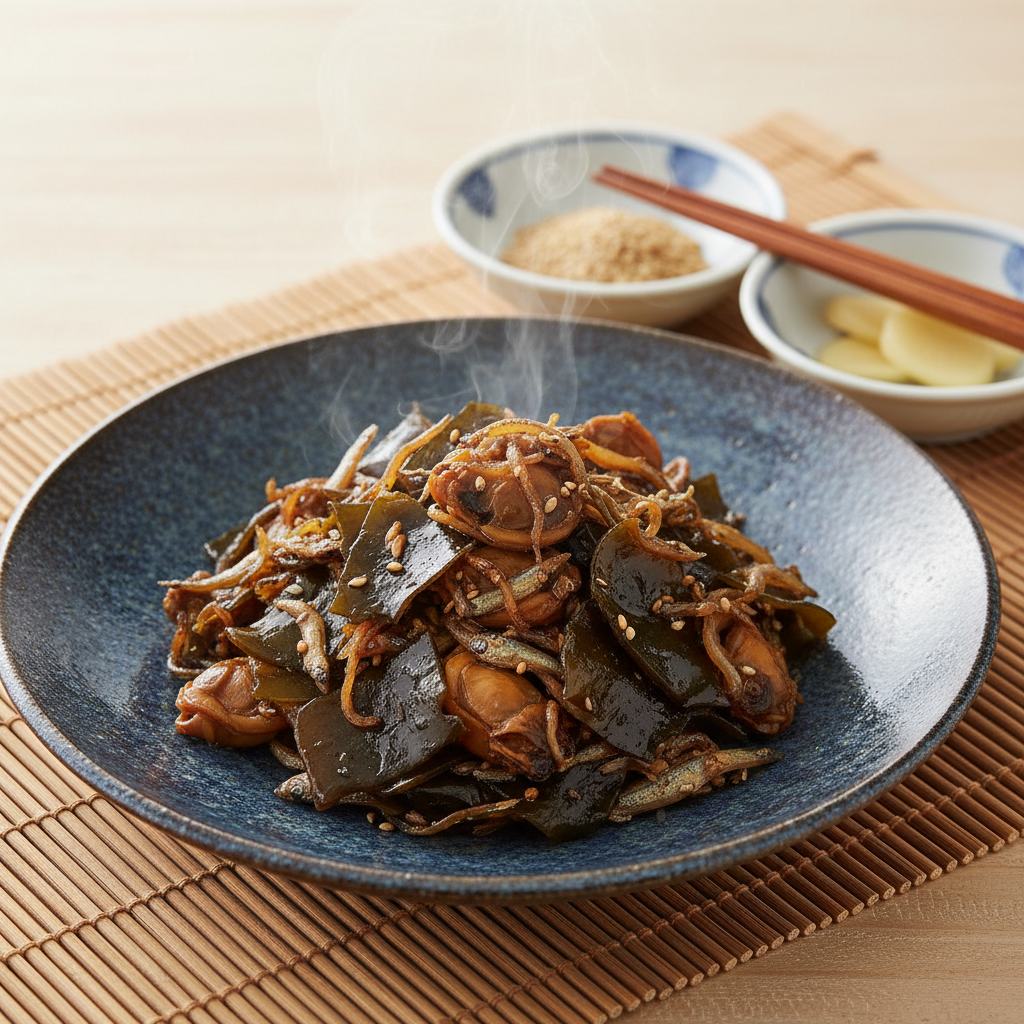
Local cuisine originating in Fukutsu, Koto Ward, using shellfish like littleneck clams and hard clams. Available as rice bowls or pour-over styles, continuing fishing village flavors.
Monjayaki
Cuisine born in downtown snack shops, now famous with Tsukishima as “Monjayaki Street.” Represents Tokyo’s common people flavors contrasting with edomae sushi.
Dojoyu Nabe
Traditional cuisine eaten in Asakusa, using whole loach in hotpot. Highly nutritious, popular with common people since Edo times.
Edomae Tempura
Similar to edomae sushi, using Tokyo Bay seafood in tempura. Fried in sesame oil with characteristic aromatic, crispy flavor.
Understanding these dishes alongside edomae sushi provides deeper understanding of Tokyo food culture.
Selecting Edomae Sushi Restaurants and Points
Shop Selection by Budget
Edomae sushi restaurants range from luxury to affordable. Ginza luxury shops may exceed 30,000 yen per person, while downtown shops allow enjoying genuine edomae sushi around 5,000 yen.
Choose appropriate shops matching your usage scene and budget.
Lunch and Dinner
Many edomae sushi shops offer affordable lunch courses. Sometimes lunch is roughly half dinner price at the same shop, so trying lunch first at new shops is good.
Operating Hours and Reservations
Popular shops often require reservations, with counter seating filling weeks in advance. First visits should confirm operating hours and reservation needs beforehand.
Tatami and Counter Seating
Edomae sushi shops have counter and tatami (table) seating. Counter seating allows watching chef technique and enjoying conversation. Tatami seating suits family groups and larger parties.
Smoking and Non-Smoking
Recently, most sushi shops are entirely non-smoking. Policies vary, so checking beforehand helps.
Nutrition and Health Benefits of Edomae Sushi
Edomae sushi is also nutritionally balanced cuisine.
Quality Protein
Seafood is a treasure of quality protein. Particularly blue fish’s DHA and EPA support brain health and blood-thinning effects.
Vinegar Health Effects
Vinegar in vinegared rice offers fatigue recovery and appetite-stimulating effects. Also reported are blood sugar spike prevention effects.
Appropriate Carbohydrates
Sushi shari provides appropriate carbohydrates. However, overeating requires caution. Generally, 10 sushi pieces equal about one rice bowl of rice.
Wasabi’s Antibacterial Action
Wasabi’s strong antibacterial action helps prevent foodborne illness from eating raw fish. Appetite-stimulating effects also exist.
Conclusion | Edomae Sushi is Tokyo’s Precious Food Culture Heritage
Edomae sushi transcends mere cuisine to embody Tokyo’s history and culture as local cuisine. Born in the Edo period, this dish was refined through chef technique and creativity, becoming a representative Japanese cuisine loved worldwide today.
The various “shigoto” techniques born in the pre-refrigeration era remain passed down as edomae sushi’s essence today. Each technique—vinegar curing, simmering, steaming, takeing—maximizes fish umami, creating perfect harmony with vinegared rice.
Throughout Tokyo, diverse edomae sushi restaurants exist in each area including Ginza, Nihonbashi, Tsukiji, and Koto Ward. From luxury to casual shops, options suit various budgets and occasions, each offering unique appeal.
Understanding edomae sushi’s history and techniques deepens the flavor experience. The moment when one-bite-sized sushi melts in the mouth, with ingredient, shari, and wasabi becoming one, represents edomae sushi’s finest appeal.
When visiting Tokyo, definitely try authentic edomae sushi. It becomes not mere dining but a special time experiencing Tokyo’s continuing Edo food culture.