
Complete Guide to Monjayaki | Thorough Explanation of Tokyo’s Representative Local Cuisine History, Preparation Methods, and Famous Restaurants
What is Monjayaki?
Monjayaki (もんじゃやき) is a representative local dish of Tokyo in which wheat flour is loosely dissolved in water or broth, mixed with ingredients, cooked on an iron griddle, and eaten bit by bit with a small specialized spatula. Compared to okonomiyaki, it contains significantly more moisture, with the loose batter being its most distinctive feature.
The unique style of pressing the batter against the griddle and charring it as you eat is a cooking method not seen in other flour-based dishes. The contrast between the fragrant “okoge” (charred bits) created when part of the batter burns on the hot griddle and the smooth texture of the tender batter can be fully enjoyed.
It developed in the downtown areas centered on Tsukishima in Chuo Ward, Tokyo, and has now become known as a “Tokyo specialty” both domestically and internationally. Using diverse ingredients such as cabbage and seafood, flavored with sauce or soy sauce, monjayaki’s appeal lies in its casual, common people’s taste.
History and Origins of Monjayaki
Origins in the Edo Period
The roots of monjayaki trace back to the late Edo period. At that time, “mojizaki” (character-writing batter) provided as snacks for children at penny candy shops is considered its prototype. Batter made by dissolving wheat flour in water was poured on an iron griddle and eaten while drawing characters or pictures—a playful food with an element of fun.
There are various theories about the origin of the name “monjayaki,” but the most credible explanation is that “mojizaki” (character-writing batter) became corrupted into “monjayaki.” It was a fascinating food culture with an educational aspect, as children would write characters on the griddle while eating and learning.
Postwar Spread and Development
During the food shortage of the 1920s Showa era (around 1945-1954), monjayaki became widely enjoyed as an important food for common people. The monjayaki of this period was extremely simple, consisting merely of dissolved wheat flour with soy sauce or syrup added.
Because it could be offered at affordable prices, it became a standard snack enjoyed by children at penny candy shops, with their pocket money in hand. In downtown areas throughout Tokyo during that era, it was a daily sight to see children gather at candy shops after school to eat monjayaki.
Succession and Evolution to Modern Times
After the period of high economic growth, monjayaki evolved from a children’s snack into a dish enjoyed by adults as well. Ingredient variations increased, and diverse ingredients such as seafood, meat, and cheese began to be used.
From the 1980s onward, Tsukishima gained attention as the mecca of monjayaki, with specialist restaurants opening one after another. Today, with over 80 monjayaki shops lining Tsukishima Monjayaki Street, it has become a Tokyo representative food culture spot attracting many tourists from both domestic and international sources.
Main Transmission Regions
Tsukishima and Tsukuda Area
Tsukishima in Chuo Ward, Tokyo, is the most famous region as the sacred ground of monjayaki. Tsukishima Nishi-Nakasuji Shopping Street is known as “Tsukishima Monjayaki Street,” with numerous monjayaki specialist shops concentrated along a stretch of approximately 500 meters.
Tsukishima is an artificial island created through land reclamation from the late Edo period through the Meiji era, a region where downtown culture remains vivid. From the postwar reconstruction period through the era of high economic growth, monjayaki became established as a common people’s taste in this area and underwent unique development.
Asakusa and Downtown Area
The area around Asakusa in Taito Ward, Tokyo, is also an important region where monjayaki traditions are deeply rooted. As the center of Edo culture that flourished, monjayaki has long been cherished in Asakusa along with penny candy shop culture.
Among monjayaki restaurants in Asakusa, some long-established shops have continued since the Meiji era, preserving traditional manufacturing methods and flavors. As a tourist destination, Asakusa offers monjayaki alongside other Tokyo local dishes such as edomae sushi and tempura, positioning monjayaki as a representative of downtown gourmet fare.
Other Tokyo Metropolitan Regions
Beyond Tsukishima and Asakusa, monjayaki culture is inherited throughout downtown Tokyo. In areas such as Katsushika, Koto, and Sumida wards, locally-rooted monjayaki shops continue operations, with each region showing unique innovations in ingredients and seasoning methods.
Monjayaki Ingredients and Main Food Items
Basic Ingredients (for 2-3 people)
Batter
- Wheat flour: 60g
- Water or broth: 400ml
- Worcestershire sauce: 2 tablespoons
- Soy sauce: 1 teaspoon
Ingredients
- Cabbage: 200g (coarsely minced)
- Sliced squid: 50g
- Sakura shrimp: 2 tablespoons
- Tempura scraps: 3 tablespoons
- Pickled red ginger: to taste
- Aonori (seaweed powder): to taste
Characteristics of Main Food Items
Cabbage is an indispensable basic ingredient for monjayaki. By cutting it into coarse mince, texture is retained while mixing well with the batter. Using sweet spring cabbage results in more delicious results.
For seafood, sliced squid, sakura shrimp, mentaiko (spicy cod roe), tarako (cod roe), and oysters are popular. Due to Tokyo being a location where fresh Edomae seafood is readily available, seafood-based monjayaki has developed extensively. Many restaurants in Tsukishima source fresh seafood daily from Toyosu Market.
Tempura scraps are important ingredients that add unique texture and depth to monjayaki. The oil dissolves into the batter, amplifying fragrance and umami.
Modern Arrangement Ingredients
In recent years, various arrangement ingredients are used in addition to traditional items.
- Cheese (melting cheese, mozzarella, etc.)
- Mentaiko or tarako
- Mochi
- Corn
- Bacon or sausage
- Curry powder
- Kimchi
By combining these ingredients, numerous creative menus have been created, such as “mentaiko mochi cheese monjayaki” and “curry monjayaki.”
How to Make Monjayaki
Preparation
- Ingredient preparation: Cut cabbage into coarse mince approximately 5mm cubes to maintain texture. Cut sliced squid into easy-to-eat sizes and prepare other ingredients.
- Batter preparation: Place wheat flour and water (or broth) in a bowl and mix well to avoid lumps. Add Worcestershire sauce and soy sauce to adjust flavor. The batter should be much looser than okonomiyaki, with a thin, water-like consistency.
Cooking Procedure on the Griddle
- Heat the griddle: Heat the iron griddle to medium temperature (around 180°C). If too hot, it burns easily; if too low, no fragrant char develops.
- Sauté ingredients: Thinly oil the griddle and sauté solid ingredients such as cabbage and seafood first. This step removes moisture from ingredients and concentrates flavor.
- Create a mound: Spread the sautéed ingredients into a donut shape on the griddle, creating an indentation in the center. This indentation is called the “mound.”
- Pour in batter: Pour batter into the central indentation of the mound. Initially, do not mix with ingredients; just warm the batter alone within the mound.
- Mix together: Once the batter has warmed, break down the mound while mixing ingredients and batter together. Mix by cutting with a spatula and spread thinly across the griddle.
- Finish cooking: Once the batter is spread thinly on the griddle, press it against the griddle with a spatula while cooking. When the edges begin to char, it’s ready to eat.
Tips for Eating
Eat bit by bit using a small specialized spatula, scraping from the griddle. The charred portions pressed against the griddle (okoge) are especially delicious, so the real charm of monjayaki is in eating while cooking. Adding aonori or bonito flakes as toppings enhances flavor. Since eating it hot is important, eating gradually as it cooks is recommended.
Occasions and Seasons for Food Consumption
Monjayaki is a local dish that can be enjoyed year-round without being limited to specific seasons or occasions. However, there are several characteristic occasions for consumption.
Daily Dining Scenes
In modern times, monjayaki is enjoyed as casual meals with family and friends, and as a finishing dish for drinking parties. The style of surrounding the griddle and cooking while eating with multiple people promotes communication, making it popular for dates among young groups and women’s gatherings.
Tourism and Leisure
Tsukishima Monjayaki Street has become a popular tourist spot in Tokyo, bustling with domestic and international visitors on weekends and holidays. Monjayaki dining experience is frequently incorporated into tourism routes that combine Tokyo Skytree and Tsukiji Outer Market.
Home Enjoyment
With the popularization of hot plates, the culture of enjoying monjayaki at home has become established. Particularly chosen for weekend dinners and cooking activities with children, it also serves a role as a family communication tool.
Dining Methods and How to Enjoy
Traditional Dining Style
The greatest characteristic of monjayaki is eating directly from the griddle using a small specialized spatula (also called a cote). This unique way of eating is a monjayaki-specific culture not experienced with other dishes.
Food is eaten by pressing it against the griddle and then thinly scraping off the charred portions with a spatula. Since it’s eaten piping hot, people with low heat tolerance may need to let it cool slightly before eating.
Pleasure of Sharing with Multiple People
Monjayaki is fundamentally a dish eaten by multiple people surrounding one griddle. The style of cooking cooperatively while enjoying conversation provides a sociable dining experience.
When beginners are present, experienced people teaching cooking methods while preparing the dish is one of the pleasures of monjayaki. Many specialist restaurants also offer a service where staff demonstrate professional cooking techniques.
Pairing with Alcohol
Monjayaki pairs well with alcoholic beverages such as beer and highballs, making it popular as an izakaya menu item. The combination of savory sauce flavor with carbonated beverages is a classic pairing favored by many.
Preservation and Succession Efforts
Activities of Tsukishima Monjayaki Promotion Association
In the Tsukishima area, the “Tsukishima Monjayaki Promotion Cooperative Association” takes the lead in preserving and inheriting monjayaki culture. The association unites local monjayaki restaurants and works toward tradition succession and value creation through quality maintenance, information dissemination, and event organization.
Utilization as a Tourism Resource
Tokyo Metropolitan Government and Chuo Ward position monjayaki as an important tourism resource and conduct promotional activities. They provide explanatory materials in English and multiple languages for foreign tourists, planning monjayaki experience tours and other initiatives to increase international recognition.
Information Dissemination Using SNS
Many monjayaki restaurant locations use SNS such as Instagram and Twitter to introduce new menus and disseminate restaurant information. Visually appealing photographs of the cooking process and finished products are effective in appealing to younger generations and have led to acquisition of new fan bases.
In particular, “photogenic” creative monjayaki has generated buzz through SNS sharing, adding contemporary value to traditional cuisine.
Commercialization and New Developments
Product development allowing people to enjoy monjayaki’s flavors easily at home is progressing. Various product forms are being commercialized, including retort pouches and freeze-dried monjayaki sets, monjayaki-flavored snack crackers, and more.
These products are also popular as Tokyo souvenirs and contribute to increased monjayaki awareness and culture dissemination.
Successor Development
Established monjayaki restaurants are undertaking efforts to transmit traditional manufacturing methods and flavors to the next generation. In family-operated shops, succession occurs from parent to child, with employee technical instruction and various other forms of successor cultivation advancing.
Some vocational schools and cooking schools now offer courses where monjayaki cooking techniques can be learned, and professional cooking career paths are gradually becoming established.
Monjayaki and Its Relationship to Other Local Dishes
Differences from Okonomiyaki
Monjayaki is frequently compared to okonomiyaki, but the two have clear differences. The greatest difference is batter moisture content, with monjayaki containing approximately twice the water of okonomiyaki.
While okonomiyaki mixes batter and ingredients before cooking and is eaten after being cut and served on a plate with a spatula, monjayaki is eaten directly from the griddle with a spatula while cooking. This difference in eating style shapes each dish’s individuality.
Other Tokyo Local Dishes
Monjayaki ranks among representative Tokyo local dishes alongside edomae sushi, fukagawa-meshi, yanagawa-nabe, and dozeu-nabe. What these dishes have in common is that they developed against the backdrop of Edo and Tokyo downtown culture.
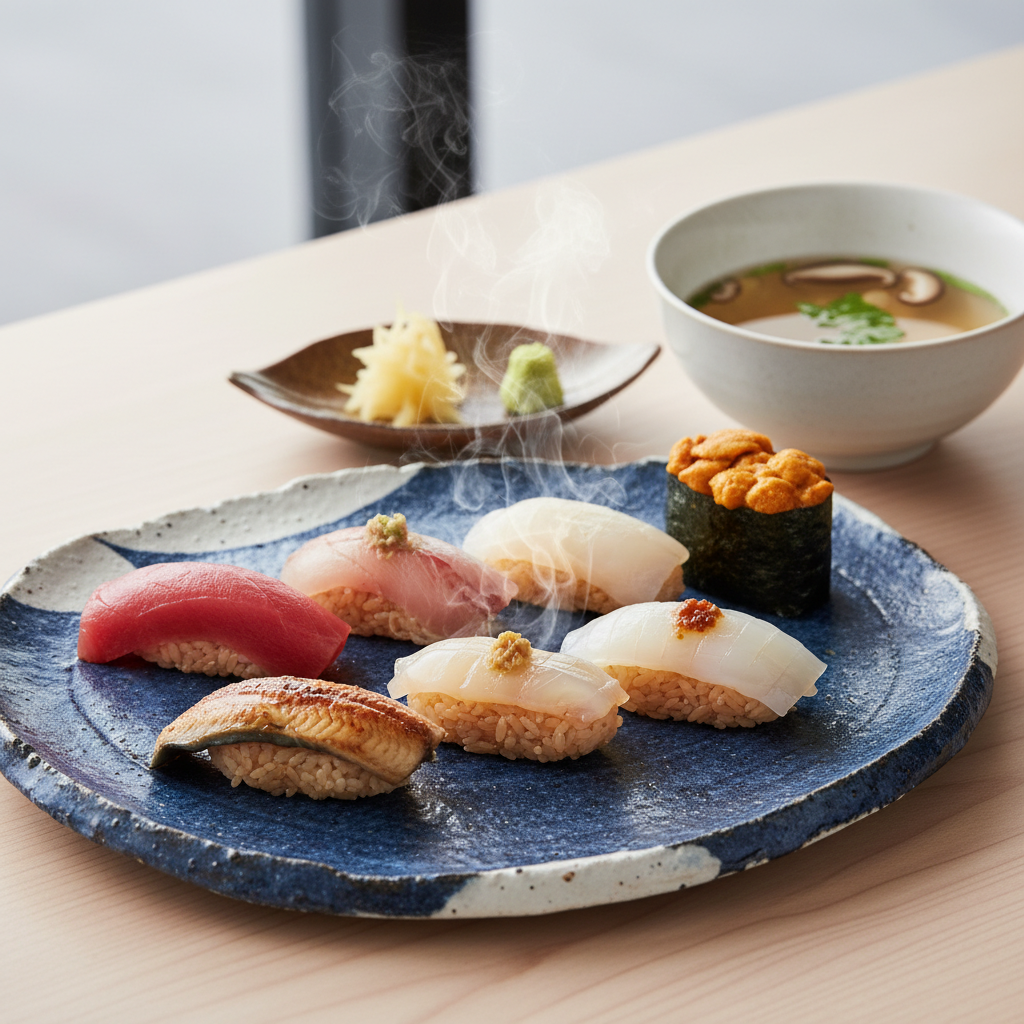
While edomae sushi developed as high-class cuisine, monjayaki was cherished as common people’s daily food—a contrasting point. Both exemplify the diversity of Tokyo’s food culture.
Recommended Monjayaki Restaurants
Famous Establishments in the Tsukishima Area
Tsukishima Monjayaki Moheji is one of the representative restaurants on Tsukishima Monjayaki Street. It offers both traditional monjayaki and creative menus, and is known for friendly service toward monjayaki beginners.
Iroha Honten is an established shop founded in 1955, continuing to preserve traditional flavors. Its appeal lies in diverse lineups ranging from simple monjayaki to luxurious menus featuring abundant seafood.
Long-Established Shops in the Asakusa Area
Kaisen Monjayaki Mosuke is a famous establishment with a long history dating to 1868. It is known for monjayaki using fresh seafood sourced daily from Toyosu Market, with oyster monjayaki and shrimp monjayaki particularly popular.
Other Notable Establishments
Throughout Tokyo, many individual monjayaki shops rooted in their communities exist. Areas such as Shimokitazawa, Koenji, and Kichijoji have shops with unique styles, each beloved in their respective regions.
Nutritional Value and Health Aspects of Monjayaki
Nutritional Components
The nutritional value of monjayaki varies greatly depending on ingredients used, but it fundamentally contains carbohydrates (wheat flour), vegetables (cabbage), and protein (seafood) in well-balanced proportions.
Cabbage is rich in dietary fiber, vitamin C, and vitamin K, with effects that aid digestion. When seafood is used, high-quality fatty acids such as DHA and EPA can also be consumed alongside protein.
Healthy Ways to Enjoy
To enjoy monjayaki healthily, attention to the following points is advisable:
- Use larger amounts of vegetables
- Choose seafood-centered ingredients
- Use modest amounts of sauce
- Prevent overeating by sharing with multiple people
- Be cautious about excessive alcohol consumption
The Future of Monjayaki Culture
Expansion into Internationalization
In recent years, monjayaki has attracted attention overseas. Monjayaki-serving Japanese restaurants have opened in major cities such as New York, London, and Paris, with “MONJAYAKI” gaining increased international recognition.
Among foreign tourists, experience-based cuisine like monjayaki has become popular alongside traditional Japanese dishes such as sushi and tempura. The self-cooking process is valued as a highly entertainment-oriented dining experience.
Creation of New Value
Continuing to evolve with the times while preserving tradition increases the sustainability of monjayaki culture. New initiatives have begun, such as vegan-friendly monjayaki and monjayaki using gluten-free batter to meet diverse dietary needs.
Additionally, the number of restaurants offering delivery service and takeout has increased, and through the COVID-19 pandemic, ways of enjoying monjayaki have diversified.
Contribution to Regional Revitalization
Monjayaki greatly contributes to regional revitalization in downtown Tokyo areas such as Tsukishima. Increased tourists attracted by monjayaki activates the local economy and generates vitality throughout commercial districts.
In the future, regional branding centered on monjayaki and tourism promotion are anticipated, and as an important cultural asset of Tokyo, its value will continue to grow.
Conclusion
Monjayaki is a Tokyo traditional local dish that continues to evolve with the times while being a living food culture. Cherished as common people’s taste during the postwar food shortage period, it has now become a prominent Tokyo gourmet cuisine attracting attention from both domestic and international sources.
Its unique style—a simple batter made of wheat flour and water, mixed with ingredients such as cabbage and seafood, cooked on a griddle while being eaten with a spatula—offers an experience unavailable from other dishes. Monjayaki enjoyed throughout Tokyo, beginning with Tsukishima Monjayaki Street, provides an excellent opportunity to experience regional food culture.
Monjayaki culture, continuing to preserve tradition while undertaking new endeavors, will surely continue to be loved by many people and transmitted to future generations. When visiting Tokyo, by all means experience this unique local cuisine.