Tsukudani: A Representative Local Dish of Tokyo | Complete Guide from History to Recipes and Established Shops
Tsukudani is a traditional local dish representing Tokyo and a symbol of Japanese food culture with a history of over 400 years. Born as a preserved food made by simmering seafood and seaweed in soy sauce, sugar, and mirin until concentrated, it continues to be loved by many households today. This article comprehensively introduces tsukudani as a local dish of Tokyo, from its historical background and manufacturing methods to modern preservation efforts.
What is Tsukudani | Traditional Local Cuisine Proud of Tokyo
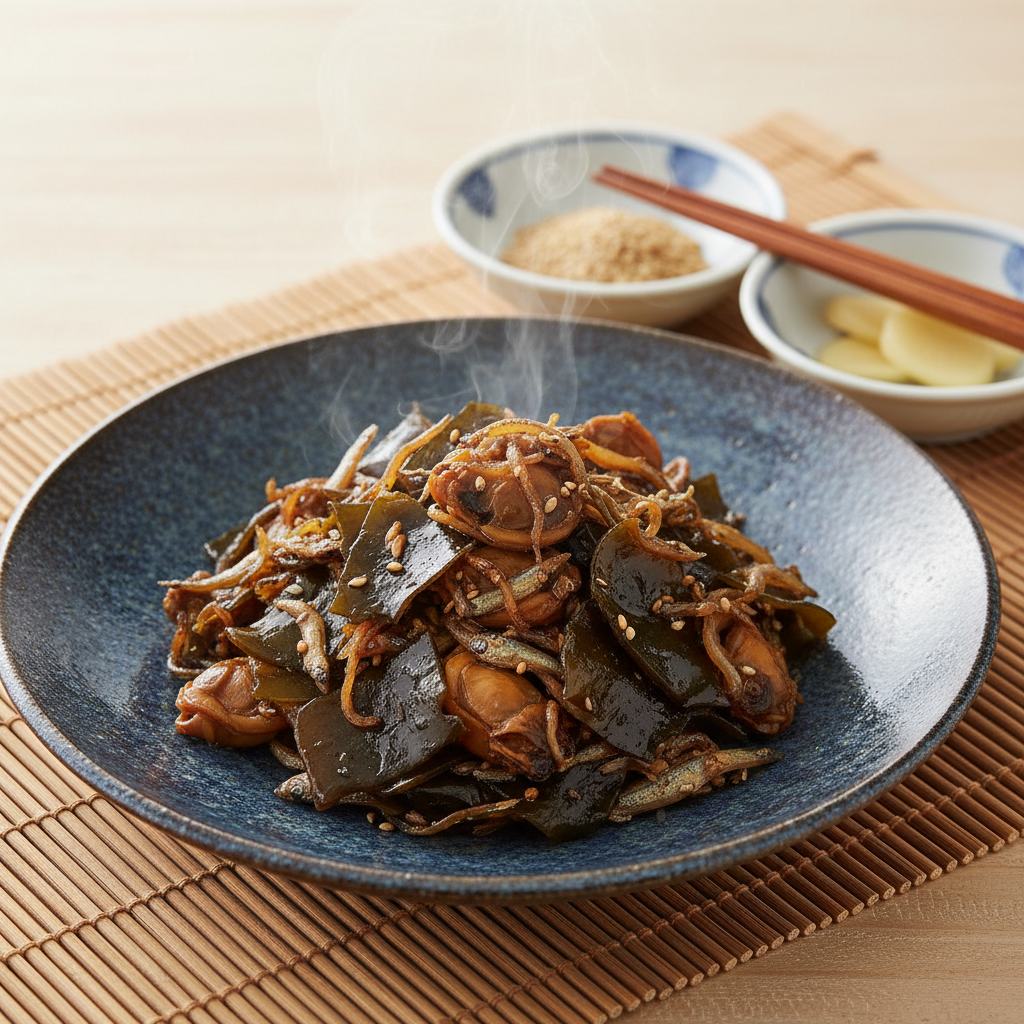
Tsukudani (佃煮) is a dish made by simmering small fish, shellfish, seaweed, and other ingredients in seasonings such as soy sauce, sugar, and mirin until the moisture evaporates. Due to its rich flavor and ability to be stored for long periods, it was treasured as an important preserved food during the Edo period.
This dish, born in the area around Tsukuda in Chuo Ward, Tokyo, became known as “tsukudani” after the place name. As a companion to rice and as a snack with sake, it has become an indispensable presence at the Japanese table.
Main Characteristics of Tsukudani
- Rich flavoring: A sweet and savory taste based on soy sauce and sugar
- Long shelf life: Can be stored at room temperature by evaporating moisture
- Diverse ingredients: Uses various foods such as small fish, shellfish, seaweed, and kelp
- High nutritional value: Rich in calcium and minerals
History and Origin of Tsukudani | Deep Connection Between Tokugawa Ieyasu and Tsukuda Island
The history of tsukudani is deeply intertwined with the establishment of the Edo shogunate. Its origins lie in a special relationship between Tokugawa Ieyasu and fishermen from Tsukuda village in Settsu Province (present-day Osaka Prefecture).
Tokugawa Ieyasu and Fishermen of Tsukuda Village
In the early Edo period, Tokugawa Ieyasu received substantial support from fishermen of Tsukuda village in Settsu Province in battles including the Siege of Osaka. The fishermen presented fresh fish and also assisted Ieyasu by transporting soldiers by boat during wartime.
Recognizing their achievements, Ieyasu granted the fishermen of Tsukuda village the special privilege of fishing tax-free anywhere in the country. Grateful for this favor, the fishermen decided to conduct their fishing business in a location closer to Ieyasu and to present fish to him regularly.
Migration to Edo and the Birth of Tsukuda Island
In 1590 (Tensho 18), when Tokugawa Ieyasu entered Edo, the fishermen from Tsukuda village also decided to migrate to Edo. Then in 1644 (Shōho 1), they moved to a sandbar at the mouth of the Sumida River and named it “Tsukuda Island” after the name of their home village.
At that time, Tsukuda Island became the center of fishing in Edo Bay (present-day Tokyo Bay) and became an important location supplying fresh seafood to the town of Edo. The fishermen invited Sumiyoshi Shrine from their homeland and established a Sumiyoshi Shrine on Tsukuda Island as their place of faith.
Birth of Tsukudani as Preserved Food
During the Edo period, there was no refrigeration technology, and fish spoiled easily, especially in summer. Fishermen on Tsukuda Island devised a method of simmering excess small fish and unsold fish in concentrated seasoning to avoid waste, and to secure food for times when they could not go fishing.
By simmering in soy sauce and sugar to evaporate the moisture, tsukudani was born, a food that could be stored for long periods even at room temperature. Initially made as offerings at Sumiyoshi Shrine festivals and as preserved food for fishermen, it gradually spread among the townspeople of Edo due to its deliciousness and convenience.
Main Ingredients Used in Tsukudani and Characteristics of Each Ingredient
The ingredients used in tsukudani are diverse, and manufacturing methods have developed to make use of the characteristics of each food ingredient.
Traditional Ingredients
Small Fish
- Shirauo (White bait): A representative high-class ingredient of Edo-mae cuisine. Characterized by its transparent and delicate flavor
- Ikanago (Sand eel): A small fish caught in spring and popular as a tsukudani ingredient even in the Kansai region
- Wakasagi (Pond smelt): A freshwater fish whose bones become soft when simmered
- Kibinago (Japanese anchovy): A small fish shining silver in color, rich in calcium
Shellfish
- Asari (Manila clam): A representative shellfish of Edo-mae cuisine. Its umami becomes concentrated
- Shijimi (Corbicula clam): Said to be good for the liver and highly nutritious
- Hamaguri (Hard clam): Used as a high-class ingredient in tsukudani for special occasions
Seaweed
- Kombu (Kelp): Hokkaido product is mainstream. Rich in umami components
- Nori (Seaweed): Characterized by the scent of the seashore
- Hijiki (Sea vegetable): Rich in minerals and dietary fiber
Others
- Sansho (Japanese pepper): An important spice adding aroma to tsukudani
- Shoga (Ginger): Removes the fishy smell and adds flavor
- Gobō (Burdock): A vegetable with characteristic texture and aroma for tsukudani
Expansion of Ingredients in Modern Times
Currently, in addition to traditional seafood, various ingredients are processed as tsukudani. Beef shigure-ni, shiitake mushrooms, fuki (butterbur), walnuts, and other diverse tsukudani are created according to region and season.
How to Make Tsukudani | Traditional Manufacturing Method and Home Cooking
The basic way to make tsukudani is to simmer ingredients in seasonings slowly until concentrated. Here we introduce both traditional methods and a basic recipe that can be made at home.
Ingredients (Serves 4)
Basic Tsukudani of Small Fish
- Small fish (ikanago, wakasagi, etc.): 200g
- Soy sauce: 4 tablespoons
- Mirin: 3 tablespoons
- Sugar: 2 tablespoons
- Sake: 2 tablespoons
- Ginger (julienned): 1 piece
- Water: 100ml
Instructions
- Preparation: Use fresh small fish, and remove entrails if present. Rinse cleanly and drain well
- Blanching: Briefly blanch small fish in boiling water to remove fishy odors. Place in cold water and drain
- Prepare seasonings: In a pot, mix soy sauce, mirin, sugar, sake, and water
- Begin simmering: Heat the seasoning over fire, and when it boils, add the small fish and ginger
- Simmer slowly: Simmer over medium heat for about 30-40 minutes until the broth is reduced. Remove scum during cooking
- Add shine: When almost no broth remains, shake the pot while cooking to add shine
- Cool to completion: Remove from heat and cool. Flavors deepen as it cools
Characteristics of Traditional Manufacturing Method
Traditional manufacturing methods are still preserved at established tsukudani shops.
- Cooking over a stove: Direct heat cooking over a traditional stove, slowly simmering while adjusting heat
- Wooden cooling trays: Cooked tsukudani is spread on wooden trays to cool. The wood absorbs excess moisture
- Natural seasonings: Use traditional seasonings such as hon-jōzō soy sauce, hon-mirin, and raw sugar
- Craftsman’s skill: Fire intensity and simmering time are adjusted according to the state of ingredients and weather conditions
Main Transmission Areas | Tsukudani Culture of Tokyo Centered on Tsukuda Island
Tsukudani, originating from the Tsukuda area in Chuo Ward, Tokyo, has spread throughout Tokyo and across the nation.
Tsukuda Island and Surroundings (Chuo Ward Tsukuda, Tsukishima)
In and around Tsukuda Island, the birthplace of tsukudani, established shops continue to line the streets. Around Sumiyoshi Shrine, there are streetscapes retaining Edo-period charm, with the aroma of tsukudani wafting through the air.
Major Established Shops
- Tenan Honten: An old shop continuing from the Edo period, preserving traditional manufacturing methods
- Tsukutagendera Tanakaya: One of the oldest tsukudani shops on Tsukuda Island. Shirauo tsukudani is its specialty
- Tsukudani-dokoro Tsukushin: Incorporates modern sensibilities while inheriting traditional flavors
Nihonbashi and Ginza Areas
In Nihonbashi and Ginza, which developed as the commercial center of Edo and as a luxury shopping street respectively, many tsukudani specialty shops have opened.
Representative Shops
- Shinbashi Tamakiya: A long-established shop with its main store in Nihonbashi. Handles diverse tsukudani
- Shingamo: A specialty shop committed to traditional manufacturing methods
Asakusa and Asakusabashi Areas
In the Asakusa area, which retains downtown charm, there are tsukudani shops continuing from the Edo period.
Historic Shops
- Funasa (ふなさ): Established in Bunkyū 2 (1862). An old shop continuing for over 150 years in Asakusabashi
Eating Occasions and Seasons | When Tsukudani Appears on the Table
Tsukudani is a local dish eaten year-round, but has been particularly treasured for the following occasions:
Everyday Table
- Rice accompaniment for breakfast: The combination of white rice and tsukudani is a standard in Japanese breakfasts
- Bento box side dish: Its high preservability also prevents rice from spoiling
- Tea rice topping: Poured with hot tea or dashi broth for a light meal
Special Occasions
- Souvenirs and gifts: Popular as Tokyo souvenirs and gift items
- Obon and New Year: As preserved food, as souvenirs when returning home or gifts to relatives
- Sumiyoshi Shrine Festival: Tsukudani is used in sacred rituals at the annual festival of Sumiyoshi Shrine on Tsukuda Island
Seasonal Ways to Enjoy
Shirauo in spring, asari in summer, new-harvest kombu in fall, and tsukudani with abundant sansho in winter are enjoyed, allowing for appreciation of seasonal ingredients.
How to Eat | Delicious Ways to Enjoy Tsukudani
Tsukudani can be enjoyed in various ways.
Basic Ways to Eat
With White Rice
The simplest and most delicious way. Simply place tsukudani on top of freshly cooked rice and it becomes a feast.
As Ochazuke (Tea Rice)
Place tsukudani on rice and pour hot tea or dashi broth. Eat lightly and is perfect as a late-night snack.
As Onigiri Filling
Onigiri (rice balls) with tsukudani mixed in are popular for bento and picnics.
Creative Ways to Eat
As Pasta Ingredient
Kombu tsukudani mixed with olive oil in Japanese-style pasta is a modern arrangement.
As Sake Snack
Pairs excellently with Japanese sake or shochu. Tsukudani with abundant sansho especially has an adult appeal.
Salad Topping
Finely chopped tsukudani as a salad topping acts like a Japanese dressing.
Preservation and Succession Efforts | Activities Connecting Tradition to the Future
Various efforts are being made to pass down tsukudani, a local dish of Tokyo, to future generations.
Technique Succession by Practitioners
At established tsukudani shops, craftspeople continue to teach traditional manufacturing methods to younger generations. Fire control over the stove, ingredient assessment, simmering timing, and other techniques developed through years of experience are being passed down.
Craftsperson Training Efforts
- Hands-on training through apprenticeship system
- Documentation and recording of traditional techniques
- Support systems for successor development
- Technical education programs
Regional Community Preservation Activities
Around Tsukuda Island, residents and shopping streets cooperate to preserve tsukudani culture.
Main Activities
- Display and sales of tsukudani at Sumiyoshi Shrine annual festivals
- Tsukudani-making experience classes
- Food education activities at local elementary schools
- History-telling guide tours of Tsukuda Island
Product Development and Modern Approaches
While preserving tradition, product development suited to modern lifestyles is progressing.
New Initiatives
- Development of individually packaged portions (for single-person households)
- Low-salt tsukudani varieties
- Nationwide sales through online shops
- Long-shelf-life vacuum-packed products
- Expanded gift set offerings
SNS and Digital Utilization
Many established shops utilize SNS such as Instagram and Facebook to share the appeal of tsukudani.
- Video distribution of manufacturing processes
- Introduction of recipes and arrangement methods
- Information sharing about Tsukuda Island history and culture
- Implementation of online ordering systems
Ministry of Agriculture, Forestry and Fisheries Efforts
The Ministry of Agriculture, Forestry and Fisheries’ “Our Local Cuisine” project introduces tsukudani as a representative local dish of Tokyo and disseminates its historical and cultural value nationally. Support from such public institutions plays an important role in the succession of tsukudani culture.
Famous Tsukudani Shops in Tokyo
Numerous renowned tsukudani shops that preserve traditional flavors exist throughout Tokyo.
Established Shops in Tsukuda Island Area
Tenan Honten
An oldest-of-the-old shops established in the Edo period. Still preserves traditional stove-cooking methods. Asari and shijimi tsukudani are popular, with flavors that maximize ingredient umami.
Tsukutagendera Tanakaya
One of the oldest shops on Tsukuda Island. Shirauo tsukudani is known as a high-class ingredient of Edo-mae cuisine, offering a delicate flavor. Seasonal limited products are also popular.
Tsukudani-dokoro Tsukushin
Pursues flavors that suit modern dining tables while preserving traditional methods. Values the age-old steps of cooling on wooden trays. The shop offers tsukudani tastings.
Nihonbashi and Ginza Areas
Shinbashi Tamakiya
An established specialty shop with main store in Nihonbashi. Carries diverse tsukudani including asari, kombu, and nori. Rich in gift set offerings, it is popular as a Tokyo souvenir.
Asakusa Area
Funasa (ふなさ)
Established in Bunkyū 2 (1862). Has preserved unchanging flavors for over 150 years in Asakusabashi. Characterized by delicate seasoning that brings out ingredient quality, beloved by local regular customers.
Tsukudani and Tokyo’s Food Culture
Tsukudani is not merely a preserved food, but occupies an important position as a local dish symbolizing Tokyo’s food culture.
Relationship with Edo-mae Culture
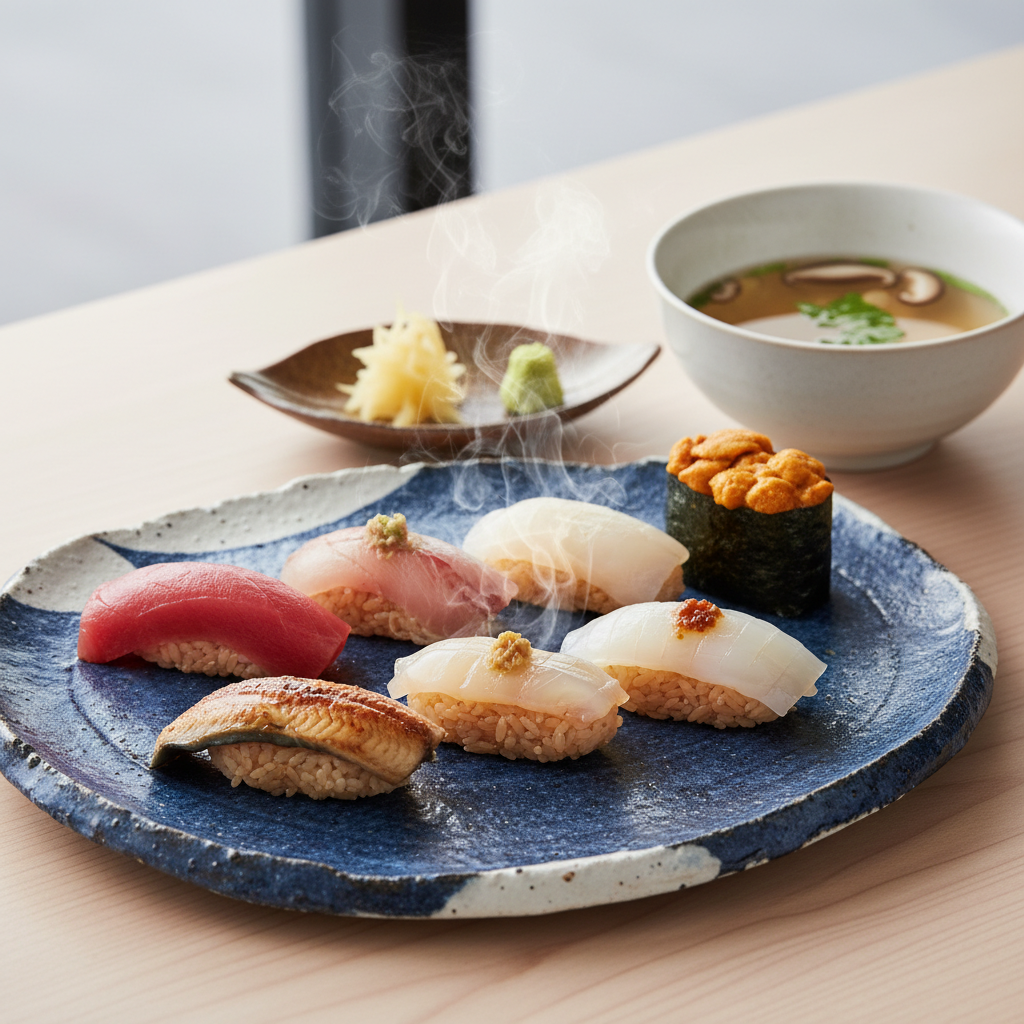
“Edo-mae” refers to fish and shellfish caught in the waters before Edo (Tokyo), or Tokyo Bay. Tsukudani is a representative dish using Edo-mae fish and, alongside sushi and tempura, represents Edo-mae food culture.
Wisdom of Preservation
In times without refrigeration, tsukudani, which prevented waste of ingredients and enabled long-term storage, is a crystallization of ancestral wisdom. This preservation technique embodies the “mottainai” (avoid waste) spirit in Japanese food culture.
Value in Modern Times
Even today, tsukudani maintains the following values.
- Nutritional value: Rich in calcium and minerals, serving as a health food
- Convenience: Can be stored at room temperature, supporting the diet of busy modern people
- Cultural value: Can taste tradition continuing from the Edo period
- Regional identity: A food symbolizing Tokyo’s history and culture
Summary | The Appeal of Tsukudani as a Local Dish
Tsukudani is a local dish that has been loved by Tokyo residents for over 400 years since the Edo period. Beginning from the connection between Tokugawa Ieyasu and fishermen of Tsukuda village and born on Tsukuda Island, this preserved food remains familiar to many as a symbol of Tokyo’s food culture.
Despite a simple manufacturing method of simmering in soy sauce and sugar, it maximizes ingredient umami and enables long-term storage, a wisdom of ancestors highly valued even today. At established tsukudani shops, traditional methods are preserved and craftspeople continue passing techniques to the next generation.
When visiting Tokyo, be sure to taste authentic tsukudani. Strolling around Tsukuda Island while visiting established shops allows you to enjoy a flavor packed with 400 years of history alongside Edo charm. Whether with white rice or as tea rice, tsukudani continues enriching Tokyo dining tables today.