Anko Nabe is a Representative Local Dish of Ibaraki Prefecture | Complete Guide to History, How to Eat, and Recommended Restaurants
Anko (monkfish), called the “anko of the east, fugu of the west,” is a luxury winter ingredient. In Ibaraki Prefecture, its home, the traditional local dish “anko nabe” (monkfish hot pot) that has continued since the Edo period is still beloved. This article comprehensively conveys the appeal of Ibaraki anko cuisine, from its historical background to cooking methods, ways to enjoy it, and renowned restaurants where you can savor authentic preparations—all evaluated by food professionals.
What is Anko Nabe? Ibaraki Prefecture’s Representative Winter Local Dish
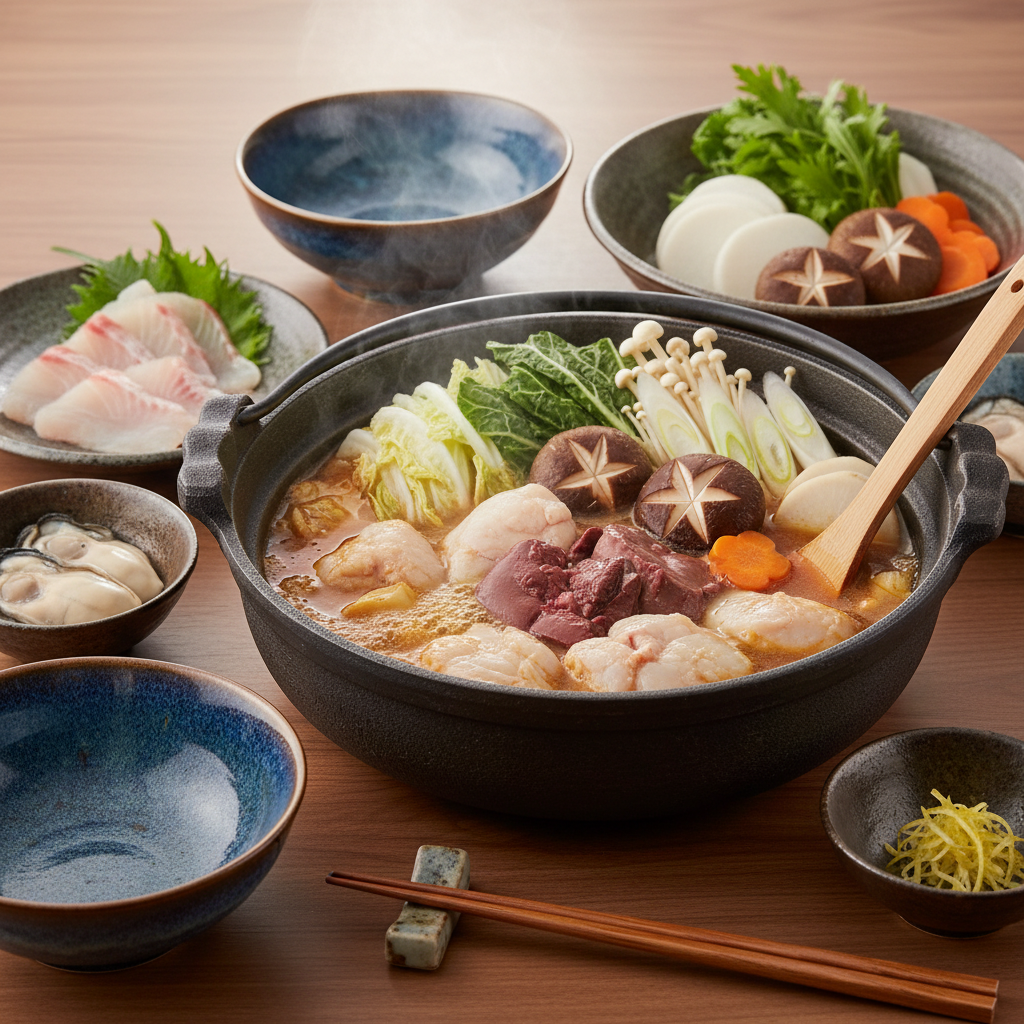
Anko nabe is a hot pot dish made with fresh monkfish caught off the coast of Ibaraki Prefecture and is the representative local dish of winter Ibaraki. The season is particularly from November to March when water temperatures drop, and January to February before spawning is considered the most delicious time.
Characteristics of Anko and the “Seven Tools”
Anko is a type of deep-sea fish with a grotesque appearance, but its meat is delicate and refined in flavor. Most notably, almost every part except the bones can be eaten, and the following parts called “anko’s seven tools” each provide different textures and tastes:
- Flesh (yanagi niku): Delicate with a plump texture
- Liver (ankimo): Called “foie gras of the sea,” it has a rich, decadent flavor
- Skin: Rich in collagen with a bouncy texture
- Stomach (water sack/nuno): Crispy and uniquely chewy
- Roe (nunowaata): Bursting pops of texture
- Fins (tomo): Gelatinous with concentrated umami
- Gills: Unique texture and flavor
The greatest charm of anko nabe is being able to taste all these parts. Each part has a different texture, making it a luxurious dish offering diverse taste experiences in a single hot pot.
The History and Cultural Background of Anko Nabe
Evolution from Fisherman’s Dish “Dobu-jiru”
The roots of anko nabe lie in “dobu-jiru” (also called “agokoya nabe”), eaten aboard ships by fishermen from northern Ibaraki to southern Fukushima. Dobu-jiru is characterized by a unique cooking method: no water is used; instead, the anko liver is seared and charred in the pot, miso is added, and it’s simmered using only the moisture released from the anko flesh and vegetables.
Fresh water was precious aboard ships, giving rise to this cooking method. The concentrated umami of the liver and the richness of miso blend together, creating a surprisingly deep flavor from the broth made solely from the ingredients’ moisture.
Tradition Since the Edo Period
Anko dishes, enjoyed among common people since the Genroku era (1688-1704), were valued as inexpensive, warming food. In the Mito Domain, high-quality “Joban-mono” anko received high praise, and during the Edo period, it was treated as a tributary gift from the Mito Domain to the imperial court.
The “Shokusai Roku” (Food Record) compiled by Tokugawa Nariaki, the 9th daimyo of the Mito Domain, contains descriptions of anko dishes, confirming that it was recognized as a representative food of Ibaraki even then.
Revival in the Showa Period and Transmission to Today
Though anko nabe was enjoyed since ancient Edo times, most establishments serving it nearly disappeared when the Showa period began. However, through the efforts of restaurants preserving traditional cooking methods, it was revived as a representative local dish of Ibaraki Prefecture and now occupies an important position as a winter tourism resource.
Types and Cooking Methods of Anko Nabe
There are several types of anko cuisine in Ibaraki Prefecture, each with its own characteristics.
Traditional “Dobu-jiru”
The most traditional style is “dobu-jiru.” No water is used; the anko liver is seared and charred in the pot, miso is added, and it simmers using only the moisture from the anko flesh and vegetables. Some restaurants add a house-made broth at the end.
The rich umami of the liver and the depth of miso harmonize perfectly, drawing out the maximum natural flavors of the ingredients. Characterized by a robust taste true to fisherman cuisine, it warms you from the core.
“Anko Nabe” Made More Accessible
Based on dobu-jiru but made more approachable is the general “anko nabe.” Broth is added, seasoning with soy sauce and miso, and plenty of vegetables are included in the simmer.
Simmering with vegetables like Chinese cabbage, negi, chrysanthemum greens, tofu, and shiitake allows the anko’s umami to infuse into the vegetables, creating a balanced flavor. It’s easy to make at home and is currently the most common style.
Traditional Method Using Secret Roasted Miso
Some long-established restaurants stubbornly maintain their cooking methods from founding. The method using secret roasted miso is a supreme dish that preserves dobu-jiru’s flavor while adding unique dimensions.
Anko nabe made with such traditional methods has a profound depth unattainable elsewhere, and anyone visiting Ibaraki should experience this authentic local cuisine.
Ibaraki Anko Cuisine Beyond Anko Nabe
Ibaraki Prefecture offers various anko dishes beyond anko nabe.
Ankimo
“Foie gras of the sea,” ankimo is particularly popular among anko dishes. It’s typically steamed and eaten with ponzu or vinegar miso, and its rich, creamy flavor pairs excellently with sake.
Fresh ankimo has no unpleasant odor and is characterized by a melting texture and deep umami. It’s rich in vitamins A and D with high nutritional value.
Anko’s Tomoe (Communal Vinegar)
A local dish called “anko no tomoe (vinegar)” involves boiled anko dipped in liver-based vinegar miso. The combination of delicate anko flesh with rich ankimo-based vinegar miso is superb.
This traditional eating method has been passed down since the Edo period and allows you to fully appreciate anko’s refined flavor. It’s ideal as an appetizer or drinking accompaniment.
Anko Karaage
Anko fried in karaage style is also popular. The delicate flesh becomes crispy outside and fluffy inside when fried. Squeezing lemon creates a refreshing taste.
Anko Jiru
As home cooking, “anko jiru” is common among Ibaraki residents. It’s miso soup or soy sauce-based broth with anko added, the standard local way to enjoy anko daily.
Anko Sashimi
Fresh anko can be eaten as sashimi. Liver especially, when eaten as sashimi, lets you experience its rich flavor directly. However, freshness control is critical, so it’s recommended to enjoy it at trustworthy establishments.
Anko Fishing in Ibaraki Prefecture and Major Fishing Ports
Anko Fishing Off Ibaraki’s Coast
Waters off Ibaraki Prefecture are known for active anko fishing. Anko caught by bottom trawlers is evaluated for quality as “Joban-mono.”
Blessed with rich Pacific fishing grounds, Ibaraki sees abundant anko harvested during winter months, with fresh anko supplied to markets and restaurants throughout the prefecture.
Major Fishing Ports
Four fishing ports particularly handle high volumes of anko:
- Hirataka Fishing Port: Located at Ibaraki’s northernmost point, it gathers anko-specialty inns and restaurants
- Otsu Fishing Port: Rich landings of fresh seafood; its market dining hall is popular
- Kuji Fishing Port: Community-oriented port with accessible fresh anko
- Nakamiminato Fishing Port: Popular with tourists; facilities like Osakana Market are well-equipped
Surrounding these ports are numerous establishments serving dishes made with freshly-caught anko, where you can experience authentic flavors.
Renowned Restaurants and Inns Serving Anko Nabe in Ibaraki Prefecture
Ibaraki Prefecture has numerous restaurants and inns providing traditional, carefully-crafted anko nabe.
Long-Established Restaurants
Mito Yamasyoku is a long-established restaurant known as the originator of anko nabe. Maintaining cooking methods from its founding, its anko nabe seasoned with secret roasted miso is a supreme dish preserving dobu-jiru’s essence. Anko nabe, ankimo, and tomoe are offered from autumn through early spring.
Specialty Anko Cuisine Inns
Anko no Yado Marumitsu Ryokan is a specialty inn with over 80 years of anko cuisine heritage. Serving traditional “dobu-jiru,” it sears the anko liver in the pot, adds miso, and simmers with moisture from flesh and vegetables before adding house-made broth—authentic, genuine flavor.
Located at Hirataka Harbor, this inn also offers fresh local fish sashimi assortments alongside anko dishes. It’s popular as Ibaraki’s premier seafood specialty inn, boasting Hirataka Harbor’s highest catch volumes.
Direct Fishing Port Dining
Otsu Fishing Port Direct-Operation Market Dining Hall lets you enjoy dishes with fresh anko caught that morning. Direct operation offers the appeal of reasonable prices and freshness.
Locally-Acclaimed Restaurants
Establishments like Shiosaou-no-Yado Gyogyoen, Ohama-maru Sakanachikara, Toshimaya Tsukihama-no-yu, Shokusai Taishin, Washoku-ya Manbou, Nihon Ryori Isami, Kaisen Restaurant Hamabe, and Gottetsu Mukyouken are scattered throughout Ibaraki, each with local reputation.
Each maintains unique cooking methods and particular care, providing distinctive anko cuisine while honoring tradition.
Delicious Ways to Enjoy and Experience Anko Nabe
Eating Order Tips
Maximizing anko nabe enjoyment requires proper eating sequence.
- First taste the broth: Confirm the broth’s flavor initially
- Start with ankimo: Enjoying rich ankimo first enhances the entire pot’s umami
- Flesh and other parts: Savor the delicate flesh and varied textures of different pieces
- Vegetables: Vegetables infused with anko umami are exquisite
- Finish with zousui (rice porridge): The final zousui is bliss with all umami concentrated
Appeal of the Finishing Zousui
The final pleasure of anko nabe is “zousui.” When rice is simmered in soup containing anko umami, vegetable sweetness, and liver’s richness combined, the result is indescribable deliciousness.
Adding egg for a fluffy finish and scattering negi and nori creates perfection. Some people order anko nabe specifically to eat this zousui.
Complementary Beverages
Ibaraki Prefecture’s regional sake pairs perfectly with anko nabe. Sharp, dry sake complements anko nabe’s rich flavor. Ibaraki is a sake-producing region with quality selections like “Ippin,” “Satono-homare,” and “Buyuu” perfect for enjoying alongside anko cuisine.
Hot sake also warms the body and deepens winter flavor appreciation.
Anko’s Season and Optimal Time
November to March is Peak Season
Anko season spans November to March when water temperatures drop. During this period, anko becomes rich with fat, especially the liver, which grows large with concentrated flavor.
January to February is Prime Time
Particularly January to February before spawning is the most delicious period. During this time, ankimo reaches maximum size with the richest, creamiest flavor. The flesh is perfectly plump, allowing full appreciation of anko’s excellence.
Called “eastern anko, western fugu,” it’s a winter luxury ingredient you should taste during this period.
Seasonal Limited Menus
Many restaurants and inns offer anko nabe as seasonal limited menus from autumn through early spring. Confirming operating periods before visiting is recommended.
Nutritional Value and Health Effects of Anko Cuisine
Low Calorie, High Protein
Anko flesh is low-calorie, high-protein, making it suitable for those dieting. Despite its delicate flavor, it provides substantial protein intake.
Rich in Collagen
Especially the skin contains abundant collagen, providing expected beauty benefits. The bouncy texture is collagen itself.
Nutrient-Rich Ankimo
Ankimo contains abundant vitamins A, D, E, and B12. Vitamin A particularly aids vision maintenance and immune function, while vitamin D assists calcium absorption.
Body-Warming Effects
Eating as hot pot warms the body’s core, ideal for winter cold countermeasures. It’s expected to boost metabolism and promote blood circulation.
Making Anko Nabe at Home
Obtaining Ingredients
Ibaraki’s supermarkets and fish shops sell anko during winter. Online shops also offer “anko nabe sets” with pre-processed anko and broth bundled together.
Basic Cooking Steps
- Preparation: Anko is typically purchased pre-cut by part
- Ankimo preparation: Sauté ankimo in the pot to develop aroma
- Add miso: Incorporate miso thoroughly with ankimo
- Add broth: Introduce kombu or bonito broth
- Add vegetables: Include Chinese cabbage, negi, chrysanthemum greens, tofu, etc.
- Add anko: Introduce anko flesh and parts last, then simmer
- Finish: Complete when cooked through
Home Cooking Tips
- Thoroughly sauté ankimo to develop aroma—it’s critical
- Avoid overcooking flesh, which becomes tough
- Add harder-cooking vegetables first
- Reserve broth for finishing zousui
Tourism Plans to Enjoy Anko Nabe
Fishing Port Tours and Anko Cuisine
Popular tourism plans visit northern Ibaraki fishing ports while savoring regional anko dishes. Visit Hirataka, Otsu, Kuji, and Nakamiminato ports to experience each area’s distinctive anko cuisine.
Hot Spring and Anko Cuisine Combinations
Ibaraki has coastal hot spring areas including Uraura Onsen, Hirataka Port Onsen, and Oarai Onsen. Luxurious plans include inn stays with anko nabe and bathing for body healing.
Mito Tourism Package
Mito City, the prefectural capital, has tourist attractions like Kairakuen and Koudokan. Enjoy daytime tourism, then experience anko nabe at established Mito restaurants—this plan is popular.
Market Tours and Dining
Nakamiminato Osakana Market allows shopping for fresh seafood while enjoying anko cuisine at attached dining. Experience market vitality while savoring authentic flavors.
Cultural Value and Future of Anko Cuisine
Agricultural, Forestry, and Fishery Village Local Dishes Hundred Selection
Anko cuisine was selected as Ibaraki’s representative in the Ministry of Agriculture, Forestry and Fisheries’ “Agricultural, Forestry, and Fishery Village Local Dishes Hundred Selection,” confirming its importance as regional food culture.
Economic Contribution
Anko cuisine serves as crucial winter tourism resource for Ibaraki Prefecture. Many tourists visit during this season, significantly contributing to regional economies.
Tradition Transmission
Long-established restaurants and inns preserve founding-era cooking methods, transmitting traditional flavors to next generations. Such efforts maintain Ibaraki’s food culture continuing from the Edo period.
New Initiatives
While honoring tradition, some establishments incorporate new cooking methods and presentations. Creative and modern-style anko dishes have emerged to convey anko cuisine’s appeal to younger generations.
Conclusion: The Value of Experiencing Anko Nabe in Ibaraki Prefecture
Anko nabe is Ibaraki Prefecture’s prized winter local dish. Tradition continuing since the Edo period, unique cooking methods evolved from fisherman’s dobu-jiru, the diverse “seven tools” parts, rich ankimo umami, and even the final zousui—all are captivating.
Ibaraki’s anko, evaluated for quality as “Joban-mono,” depends on freshness. Visiting Ibaraki Prefecture and experiencing cuisine made with freshly-caught anko lets you taste this local dish’s true deliciousness.
From November to March, especially January to February when most delicious, visit Ibaraki’s harbor areas, long-established restaurants, and specialty inns to savor anko nabe made with traditional methods. The concentrated flavor warming your body’s core and the experience of touching regional food culture will surely become unforgettable memories.
Ibaraki anko cuisine, evaluated by food professionals. Why not experience its profound flavor and cultural value firsthand in its authentic home?