Tori Motsu Ni: A Complete Guide to Yamanashi Prefecture’s Iconic Local Dish and B-Class Gourmet Food
Tori motsu ni, one of Yamanashi Prefecture’s signature local dishes, is a common people’s favorite that has been loved in Kofu City and its surroundings. This dish won first place at the 2010 B-1 Grand Prix and gained nationwide recognition. Despite its simplicity, it captivates many with its deep, complex flavors.
Tori Motsu Ni: The Appeal of Yamanashi’s Representative Local Cuisine
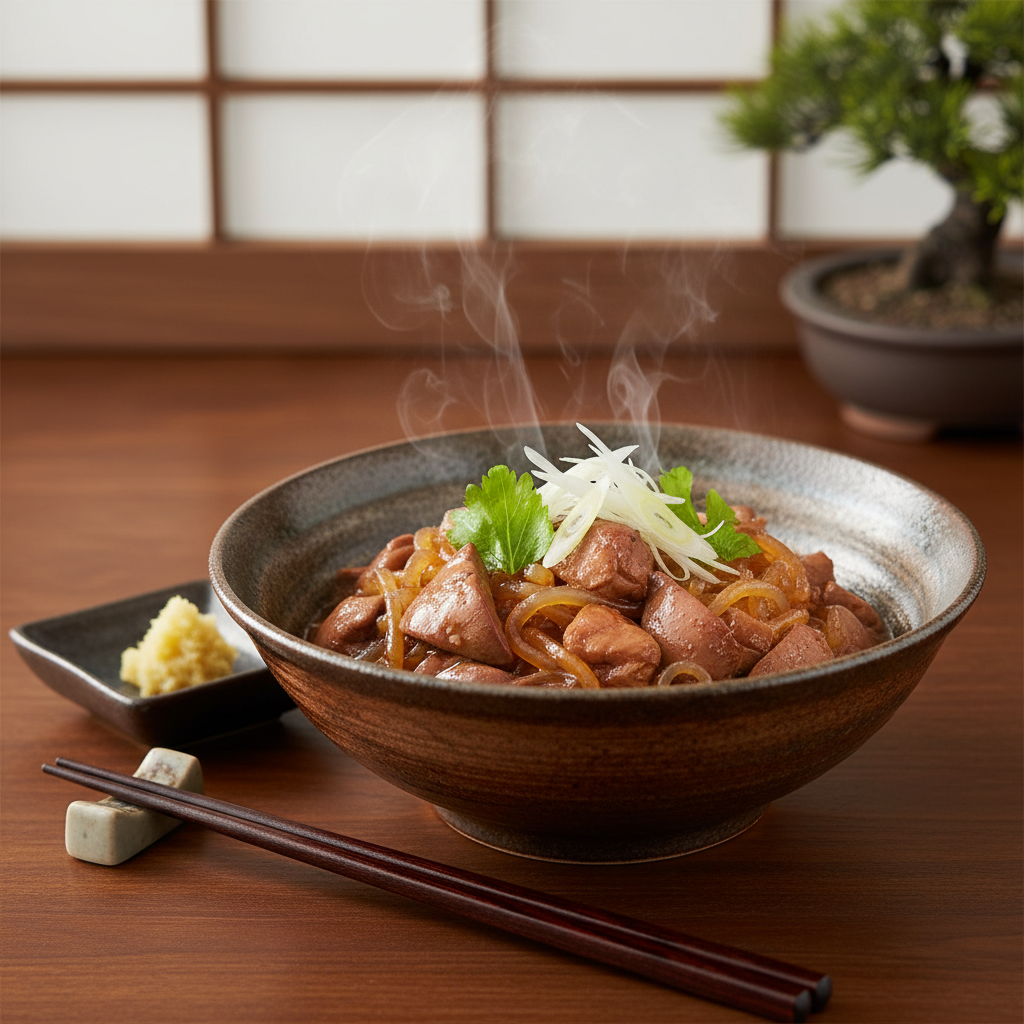
Tori motsu ni is a local dish originating from Kofu City, Yamanashi Prefecture, where chicken offal is glazed and simmered in a sweet and savory sauce made with sugar and soy sauce. Read as “torimotsu ni,” it is sometimes called simply “motsu ni” by locals.
Basic Characteristics
The greatest characteristic of tori motsu ni lies in its simplicity and rich flavor. The main ingredients are chicken liver, heart (hatsu), gizzard (sunagimo), and ovaries (kinkan), which are glazed and simmered in seasoning primarily composed of sugar and soy sauce.
Unlike the general “motsu nikomi” stew, it has little broth and a glossy finish. The use of chicken offal rather than pork or beef, and the soy sauce base rather than miso base, are major differences from offal dishes in other regions.
The History of Tori Motsu Ni: A Story Beginning from a Kofu Soba Restaurant
The birth of tori motsu ni dates back to around 1950, in a soba restaurant in Kofu City. During the postwar period of material shortages, chicken offal was recognized as a valuable source of protein.
The Background of Its Creation
It is said that the previous owner of a soba restaurant called “Okufuji Honten” in Kofu City created sweet and savory simmered chicken offal as staff food. Using inexpensive and nutritious chicken offal, seasoned well with sugar and soy sauce, created a perfect side dish for rice and a snack to accompany alcohol.
This dish quickly became popular among employees and eventually became a menu item at the restaurant. Word of its deliciousness spread through word-of-mouth, and other restaurants began serving it as well.
Spread Through the Region
From the 1950s to the 1960s, tori motsu ni spread throughout Kofu City, centered around soba restaurants and izakayas. Particularly in soba restaurants, it became established as a side menu item enjoyed with soba noodles, becoming known as “soba restaurant’s motsu ni.”
Kofu City has a climate with sharp temperature fluctuations characteristic of a basin, creating a preference for rich, sweet and savory dishes. Tori motsu ni’s deep flavor fit perfectly with this region’s food culture.
B-1 Grand Prix Victory: The Leap to National Recognition
Tori motsu ni became nationally known following its victory at the “5th B-1 Grand Prix” held in Atsugi City, Kanagawa Prefecture in September 2010.
Challenge at the B-1 Grand Prix
In 2009, “The Tori Motsu Ni Team for Everyone’s Connections” (abbreviated: Tori Motsu Team) was formed with the aim of regional revitalization. Local volunteers gathered to promote Kofu’s charm nationwide through tori motsu ni.
At the 2010 B-1 Grand Prix, which drew approximately 430,000 visitors, Kofu tori motsu ni won the Gold Grand Prix (first place). This remarkable achievement gave the previously region-limited local dish nationwide recognition all at once.
Impact After Victory
After the victory, the number of restaurants serving tori motsu ni in Kofu City increased rapidly. The number of establishments grew from approximately 30 to over 100. It greatly contributed to increased tourism, with many visitors to Kofu coming specifically for tori motsu ni.
Additionally, tori motsu ni began appearing in supermarkets and convenience stores, becoming established as a local dish that can be easily enjoyed at home.
Ingredients and Nutritional Value of Tori Motsu Ni
The chicken offal used in tori motsu ni has different textures and nutritional values depending on the part.
Parts Used
Liver (Reba)
Characterized by a rich flavor and smooth texture. Rich in vitamin A, B vitamins, and iron, it helps prevent anemia and promotes fatigue recovery.
Heart (Hatsu)
A part that offers a crispy, chewy texture. High in protein and low in fat, making it healthy. Also contains taurine, which aids in fatigue recovery.
Gizzard (Sunagimo)
Notable for its chewy texture. Low in calories and high in protein, containing zinc and vitamin B12.
Ovaries (Kinkan)
A part where egg yolks connect before becoming eggs, offering an intense, creamy flavor. As a rare part, only limited restaurants serve it.
Seasonings and Vegetables
The basic seasonings are soy sauce, sugar, mirin, and sake. Some restaurants add garlic or ginger.
Onions are the standard vegetable, adding sweetness and a crispy texture. Some restaurants also use carrots or nira (Chinese chives).
How to Make Authentic Tori Motsu Ni: A Home Recipe
You can make authentic tori motsu ni at home. The following is a basic recipe.
Ingredients (Serves 4)
- Chicken liver: 200g
- Chicken heart: 150g
- Chicken gizzard: 150g
- Onion: 1
- Soy sauce: 4 tablespoons
- Sugar: 3 tablespoons
- Mirin: 2 tablespoons
- Sake: 2 tablespoons
- Ginger (grated): 1 teaspoon
- Salad oil: as needed
Preparation Methods
- Liver preparation: Remove blood clots and sinews from the liver, then soak in cold water for about 10 minutes to remove blood. Changing the water 2-3 times removes odors.
- Heart preparation: Make a lengthwise cut in the heart to open it, wash away blood clots inside. Remove white fatty parts as well.
- Gizzard preparation: Scrape away the white hard part of the gizzard and cut into bite-sized pieces.
- Size adjustment: Cut all offal into uniform bite-sized pieces.
Cooking Steps
- Boil the offal: Bring a pot of water to a boil, add the prepared offal and boil for 2-3 minutes. Remove any scum that rises, then drain in a colander.
- Sauté the onion: Heat oil in a frying pan and sauté onion cut into wedges over medium heat until transparent.
- Add the offal: Add the boiled offal to the onion and sauté until oil coats everything.
- Add seasonings: Add soy sauce, sugar, mirin, sake, and ginger, mixing everything together.
- Simmer down: Simmer over medium heat until the sauce reduces. Stir occasionally and simmer for 10-15 minutes until a glaze forms.
- Finishing: When the sauce has almost disappeared and the offal has a glossy shine, it’s done.
Tips for Delicious Results
- Careful preparation of offal removes odors
- Adding sugar first improves the glaze
- Be careful not to overcook as it becomes tough
- Letting it sit overnight allows flavors to deepen further
Famous Restaurants in Kofu City: Where to Enjoy Tori Motsu Ni
There are many excellent restaurants in Kofu City serving tori motsu ni.
Okufuji Honten
A long-established soba restaurant known as the birthplace of tori motsu ni. It continues to preserve the traditional flavors passed down from its founding, characterized by a rich taste with sweet and savory sauce coating the offal. Many customers order it with soba, making it popular with both locals and tourists.
Kosaku
Kosaku, famous for houtou, also serves tori motsu ni. It’s particularly popular with tourists as you can enjoy houtou along with tori motsu ni and other Yamanashi local dishes.
Other Popular Restaurants
Around Kofu Station and in the central Kofu area, there are numerous izakayas and yakitori restaurants serving tori motsu ni. Each restaurant has unique characteristics in seasoning and which parts they use, making it fun to try different versions.
Ways to Enjoy Tori Motsu Ni and Arrangements
Tori motsu ni can be enjoyed in various ways beyond just eating it alone.
Standard Ways to Enjoy It
As a rice side dish
The rich, sweet and savory flavor pairs perfectly with white rice. Some restaurants serve it as tori motsu ni donburi (rice bowl).
As an alcohol snack
It pairs well with beer, sake, shochu, and any type of alcohol. The combination with Yamanashi local sake is particularly exceptional.
As a soba accompaniment
Since it originated in a soba restaurant, enjoying it with soba noodles is the traditional style.
Arranged Recipes
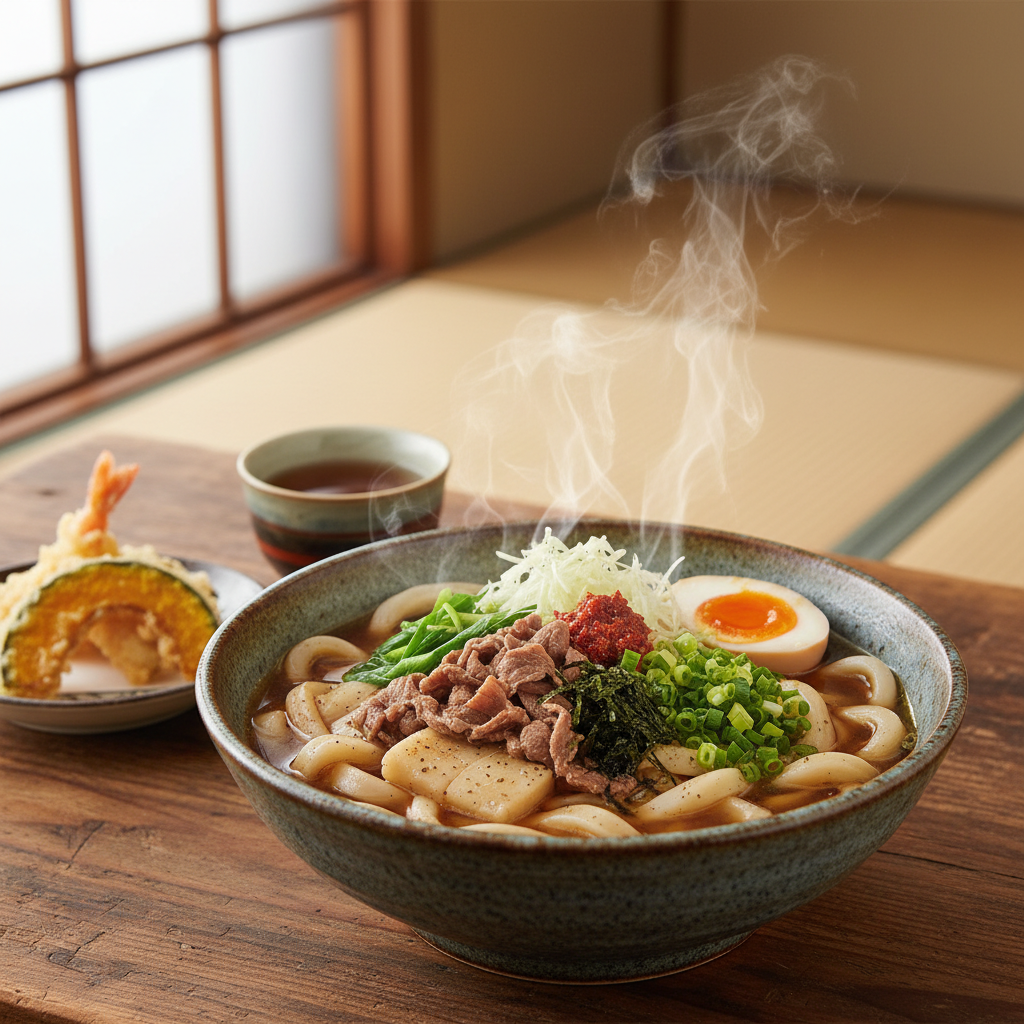
Tori motsu ni udon
Top cooked udon with tori motsu ni and scatter green onion. It’s also delicious with the sauce poured over.
Tori motsu ni fried rice
Finely chop tori motsu ni and use as fried rice ingredients. The rich flavor stimulates the appetite.
Tori motsu ni pasta
Using it as an ingredient in Japanese-style pasta offers a new flavor experience.
Tori motsu ni curry
Adding tori motsu ni to curry increases its depth and richness.
Tori Motsu Ni and Yamanashi Food Culture
Tori motsu ni is one of the dishes symbolizing Yamanashi Prefecture’s food culture.
Relationship with Yamanashi Local Dishes
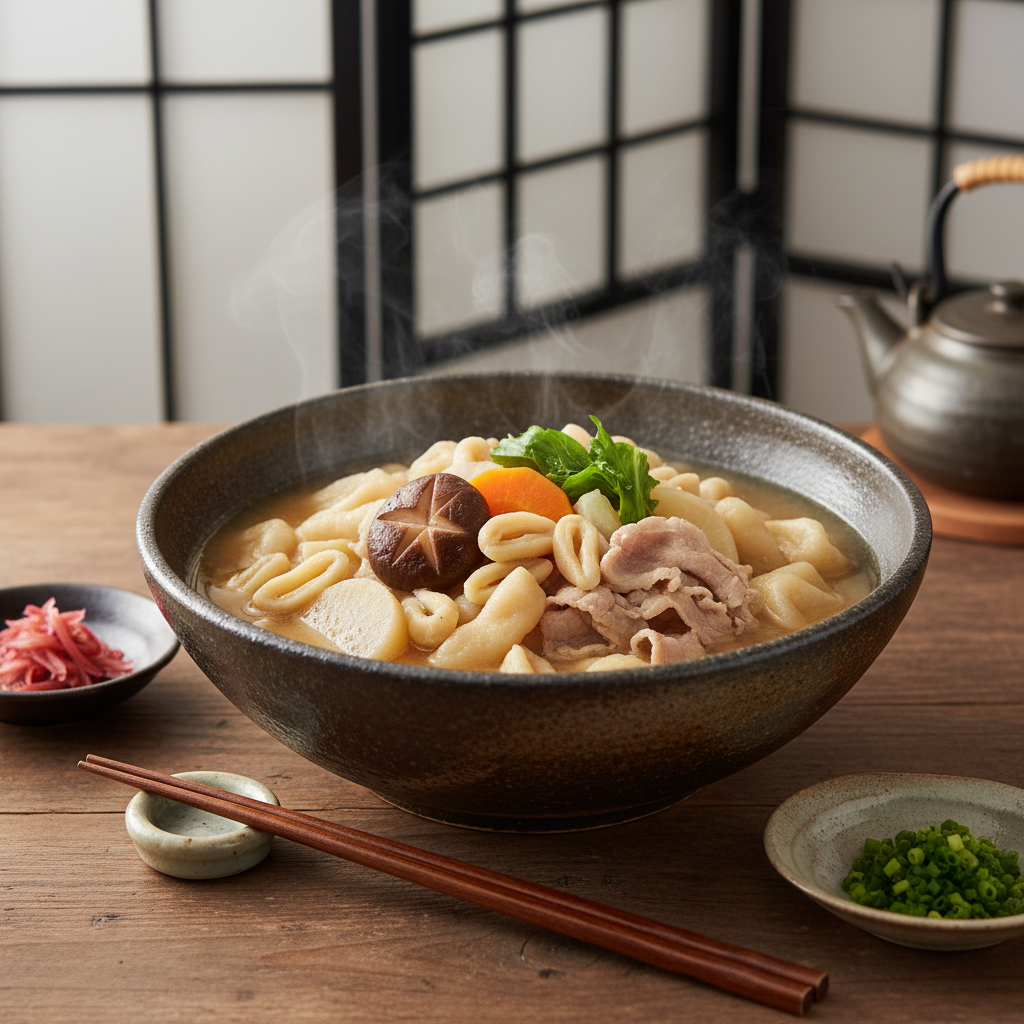
Yamanashi Prefecture has diverse local dishes including houtou, Yoshida udon, and Koshu wine beef. Tori motsu ni, standing alongside these, helps form the region’s identity.
Due to the basin’s unique climate, preserved foods and dishes with bold flavors developed in Yamanashi. Tori motsu ni’s sweet and savory flavor follows this culinary tradition.
Contribution to Regional Economy
Since winning the B-1 Grand Prix, tori motsu ni has played an important role as a tourism resource for Kofu City. Tourists visiting Kofu specifically to eat tori motsu ni have increased, contributing to regional economic revitalization.
Beyond local restaurants, food manufacturers have developed retort products and souvenirs, with related industries expanding as well.
Enjoying Tori Motsu Ni Through Souvenirs and Online Shopping
People unable to visit Kofu can still enjoy tori motsu ni.
Retort Products
Retort packaged tori motsu ni is sold at souvenir shops in Yamanashi Prefecture and highway service areas. Just heating it provides authentic flavor.
Frozen Products
Some establishments sell frozen tori motsu ni, allowing you to enjoy it in a fresher state.
Online Shopping Sites
Major online shopping sites offer tori motsu ni supervised by famous Kofu restaurants, as well as products using Yamanashi-produced ingredients.
Tori Motsu Ni Sauce
Specialty sauce is also available for those making tori motsu ni at home. With ingredients prepared, you can easily recreate the authentic flavor.
Important Points When Eating Tori Motsu Ni
There are precautions for safely and deliciously enjoying tori motsu ni.
Choose Fresh Offal
Chicken offal spoils easily, making freshness important. When purchasing, choose pieces with vibrant color and no odor.
Cook Thoroughly
Chicken offal must be thoroughly cooked to prevent food poisoning. Confirm that the center is fully heated.
Storage Method
Store prepared tori motsu ni in the refrigerator and consume within 2-3 days. Freezing is possible but consuming within one month is preferable.
Allergy Considerations
Those with chicken allergies cannot eat it. Additionally, soy sauce contains wheat, so those with wheat allergies should take caution.
The Future of Tori Motsu Ni: New Developments
Tori motsu ni is showing new developments while maintaining tradition.
Penetration Among Younger Generations
Through SNS sharing, the appeal of tori motsu ni spreads to younger generations. New presentations for Instagram appeal and novel ways of eating are being proposed.
International Expansion
Riding the Japanese food boom, tori motsu ni is beginning to attract attention overseas. Cases of it being served in Japanese restaurants are increasing.
Adaptation to Health Consciousness
As high-protein, low-fat chicken offal is nutritionally valuable, it’s being re-evaluated with rising health consciousness. Low-sugar recipes are also being developed.
Regional Brand Strengthening
Kofu City continues efforts to establish “Kofu tori motsu ni” as a regional brand. Setting quality standards and introducing a certified restaurant system are being considered.
Conclusion: A Must-Try Local Dish When Visiting Yamanashi
Tori motsu ni, Yamanashi Prefecture’s proud local dish, has been beloved by local people for over 70 years. A common person’s food born during postwar material shortages has evolved into B-class gourmet fare recognized nationwide.
Despite simple ingredients and cooking methods, its sweet and savory rich flavor is unforgettable once tasted. The varied textures of chicken offal and the glossy appearance unique to glazed simmering are also appealing.
When visiting Kofu, be sure to taste authentic tori motsu ni. You can enjoy diverse styles from the birthplace restaurant to newer establishments. It’s also relatively easy to make at home, so trying the recipe is recommended.
Tori motsu ni, representing Yamanashi’s food culture, will undoubtedly continue to be loved by many people. Expectations continue to grow for tori motsu ni’s future as it maintains tradition while showing new developments.