
Ozara (Yamanashi Prefecture Local Cuisine) Complete Guide | Thorough Explanation from History to How to Make It and Differences from Houtou
What is Ozara (Odara)?
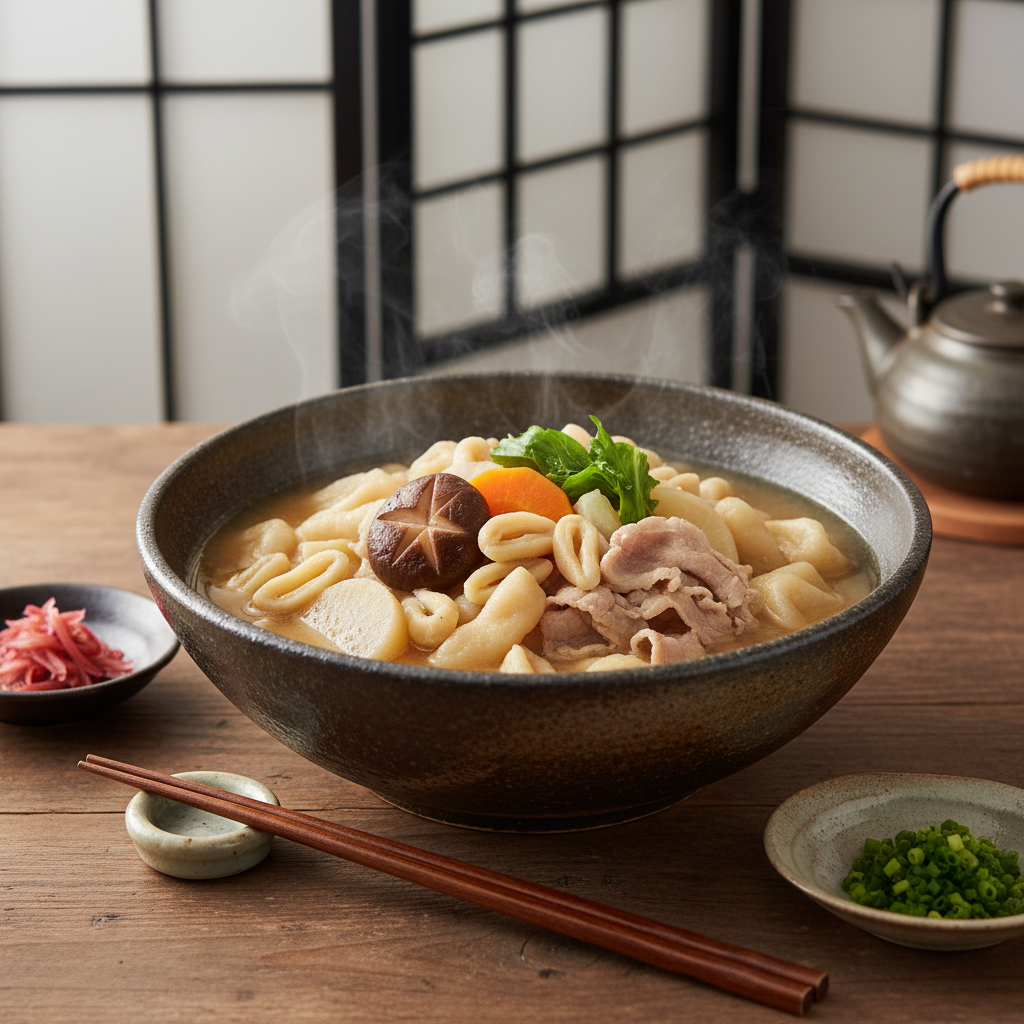
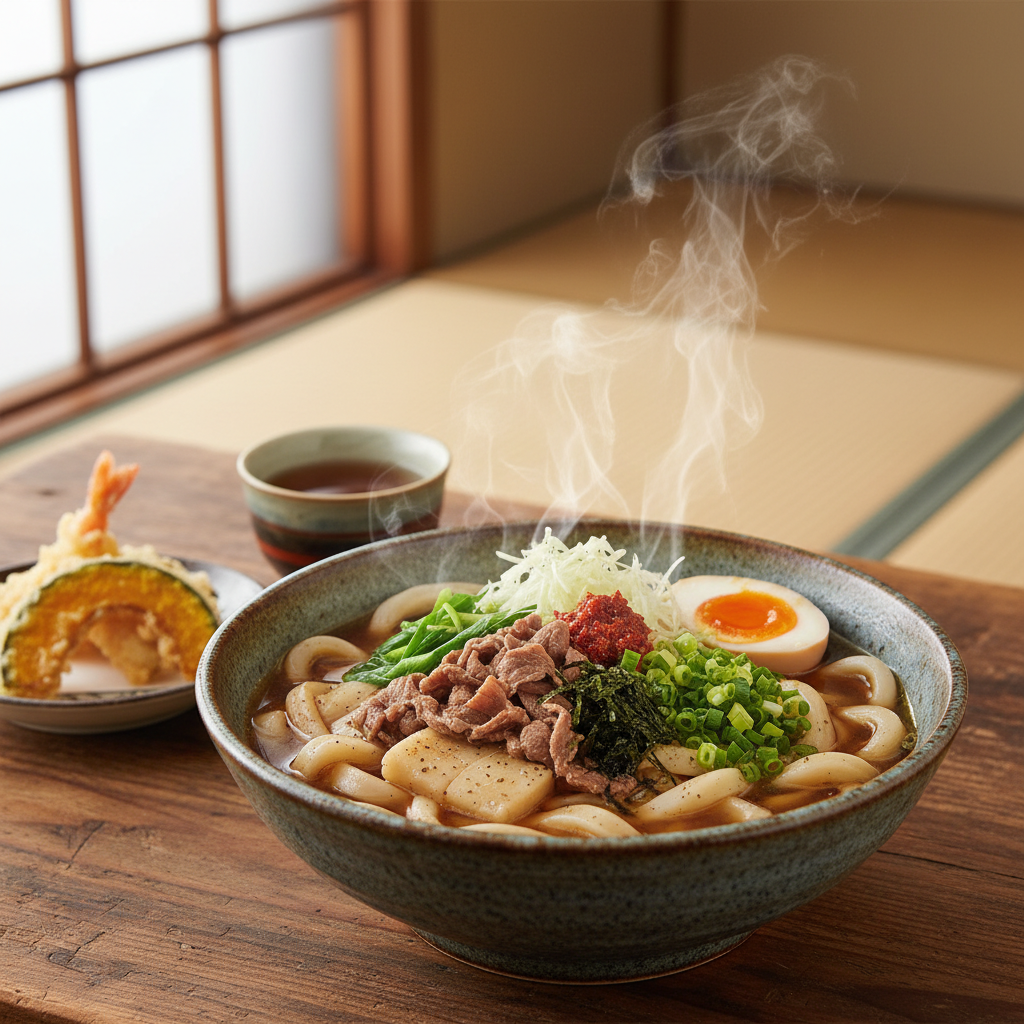
“Ozara” (or “Odara”) is a traditional local dish that has been cherished in Yamanashi Prefecture since ancient times. This dish, where chilled noodles are dipped into warm soy sauce-based broth, can be said to be the summer version of “houtou,” a local dish representative of Yamanashi Prefecture, and is deeply rooted in the region’s food culture.
Yamanashi Prefecture has a climate unique to basin areas, making it extremely cold in winter and intensely hot in summer. While warm miso-based “houtou” is preferred during the cold season, during the hot summer months, the combination of cold noodles with good throat appeal and warm broth has been valued as a dish that cares for the body.
The greatest characteristic of ozara is that it uses thinner noodles than those used in houtou, which are thoroughly chilled in cold water before being dipped in warm soy sauce-based broth filled with meat and vegetables. This contrast between “cold noodles” and “warm broth” feels pleasant to bodies fatigued by summer heat, and because it provides abundant nutrition, it is also appreciated as a dish for preventing summer fatigue.
History and Origins of Ozara
Development as a Local Dish
Ozara is a historical local dish that has been eaten in Yamanashi Prefecture since times when rice was precious. Because Yamanashi Prefecture has many mountainous areas and limited flatlands suitable for rice cultivation, noodle dishes using wheat developed. In particular, noodle dishes using “jiko” (wheat flour harvested locally) played an important role both as a staple food and as special dishes.
During times when rice was precious, ozara was specially prepared during the hot summer months and was positioned as a dish to entertain family and guests. The smooth throat appeal of chilled noodles combined with nutritious warm broth was an ideal meal to soothe bodies fatigued by farm work.
Origin of the Name
There are several theories about the origin of the name “ozara,” but the most prominent theory is that it came to be called “ozara” because noodles were served on a “zaru” (bamboo strainer). Additionally, in some regions it is called “odara,” and it is thought that the name changed due to dialect differences.
Inheritance into Modern Times
From the early to mid-Showa period, ozara began to be served at inns and restaurants throughout Yamanashi Prefecture. In particular, it is said that the former female proprietress of an old established inn such as “Kuroogi no Tei Kunitachi” in the Ishiwa hot spring area drew inspiration from a recipe eaten in her hometown, and providing it as a summer specialty dish greatly contributed to the spread of ozara. Through such efforts, ozara, which had been a home-cooked dish, developed into a local dish known to tourists.
Differences Between Ozara and Houtou
“Houtou” and “ozara,” both local dishes of Yamanashi Prefecture, are sometimes confused, but there are several clear differences.
Noodle Thickness and Texture
Houtou: Uses wide, thick flat noodles. Since the noodles are meant to be simmered, they are put into the broth raw and simmered together.
Ozara: Uses thinner noodles, about the thickness between hiyamugi and houtou. Since the noodles are chilled in cold water after being boiled, the characteristic is a smooth throat appeal with good texture.
Types of Broth and Temperature
Houtou: A rich miso-based broth where noodles and vegetables are simmered together. The broth is served piping hot, and eaten like a hot pot dish.
Ozara: Soy sauce-based broth where chilled noodles are dipped into warm broth with simmered ingredients. The basic style is dipping noodles.
Season for Eating
Houtou: Primarily preferred during winter months and has the effect of warming the body. It is eaten year-round but demand is especially high during cold periods.
Ozara: Preferred during summer months, and the combination of cold noodles and warm broth is said to be effective for preventing summer fatigue.
Cooking Method
Houtou: Raw noodles are simmered together with vegetables and meat, so cooking time is longer. Starch from the noodles gives the broth thickness.
Ozara: Noodles are boiled and chilled, then dipped in separately prepared warm broth, making it relatively easy to cook.
In this way, while both are noodle dishes using wheat flour, they have clear differences in season, cooking method, and eating style, demonstrating the diversity of food culture adapted to Yamanashi Prefecture’s severe climate.
Major Areas Where the Tradition is Passed Down
While ozara is eaten throughout Yamanashi Prefecture, it is particularly actively passed down in the following regions.
Kofu City
Kofu City, the prefectural capital, plays a central role in the spread and inheritance of ozara. It is served at many restaurants throughout the city and is introduced as a local dish on the city’s official website. It is also appreciated in homes as a standard summer dish and is inherited across generations.
Kai City
In Kai City, adjacent to Kofu City, ozara is also inherited as a traditional local dish. It is addressed in local food education activities and is sometimes served in school lunches.
Minobu Town
In Minobu Town, ozara is made using local wheat flour harvested in the area. One can enjoy ozara made by traditional methods at farm restaurants and private inns.
Showa Town
In Showa Town, ozara is also inherited as a local food culture and is recognized as a town local dish.
Ishiwa Hot Spring Area Surroundings
In the Ishiwa hot spring area of Fuefuki City, ozara is served at inns and restaurants and introduced to tourists as a Yamanashi local dish. Particularly during summer months, it is popular as a specialty dish that can be enjoyed along with hot springs.
In these regions, efforts utilizing ozara as part of regional revitalization and tourism promotion are also being made, with focus on preserving and passing down local dishes.
Ingredients (Serves 4)
Here are the basic ingredients for making ozara. While variations in ingredients differ from household to household, below is a standard recipe.
Noodles
- Ozara noodles (or thin houtou noodles): 400g
- ※Commercial udon or hiyamugi can be substituted, but specialized noodles are more authentic
Broth Ingredients
- Water: 800ml
- Soy sauce: 4 tablespoons
- Mirin: 2 tablespoons
- Sugar: 1 tablespoon
- Japanese dashi stock (granulated): 1 tablespoon (or 800ml dashi broth)
- Sake: 1 tablespoon
Ingredients
- Pork (thinly sliced): 150g
- Carrot: 1 (approximately 100g)
- Daikon radish: 100g
- Burdock root: 1/2
- Shiitake mushroom: 4
- Japanese leek: 1
- Fried tofu: 1
- Kabocha squash: 100g (optional)
- Komatsuna or spinach: 1/2 bunch (optional)
For Finishing
- Cold water (for chilling noodles): Plenty
- Ice (optional)
- Seasonings (green onion, ginger, Japanese myoga, etc.): As desired
Using local wheat flour (locally produced) for hand-made noodles will result in a more authentic flavor. Additionally, using seasonal vegetables improves nutritional balance and allows you to enjoy seasonal flavors.
How to Make It
Here is a detailed explanation of how to make ozara properly, broken down by process.
Preparation
- Prepare vegetables
- Cut carrots into thin sticks or thin slices
- Cut daikon radish into thin ginkgo leaf shapes
- Cut burdock root into fine shreds and soak in water to remove astringency
- Remove stems from shiitake mushrooms and slice thinly
- Slice Japanese leek diagonally
- Slice kabocha squash thinly
- Cut komatsuna into approximately 3cm pieces
- Pour boiling water over fried tofu to remove excess oil, then cut into thin sticks
- Prepare pork
- Cut pork into bite-sized pieces
- Season lightly with salt and pepper as desired
How to Make the Broth
- Make the dashi
- Pour 800ml of water into a pot and add granulated dashi
- Heat over a flame
- For more authentic preparation, make dashi from kombu seaweed and bonito flakes for enhanced flavor
- Simmer the ingredients
- Once the dashi is warm, add vegetables that take longer to cook (burdock root, carrot, daikon radish) in order
- Simmer over medium heat for about 5 minutes
- Add pork and remove scum while continuing to simmer
- Add kabocha, shiitake mushrooms, and fried tofu
- Season
- Once the vegetables are soft, add soy sauce, mirin, sugar, and sake
- Adjust taste while tasting (adjust saltiness with the amount of soy sauce)
- Add Japanese leek and komatsuna, cooking briefly
- Keep the broth warm
How to Boil the Noodles
- Boil noodles
- Bring plenty of water to a boil in a large pot
- Add noodles and boil for the time shown on the package (usually 5-7 minutes)
- Stir occasionally so noodles don’t stick together
- Chill the noodles
- Once boiled, drain in a colander and wash under running water
- Remove the sliminess from the noodles and chill thoroughly, which is important
- Prepare a large bowl of cold water and add ice to chill the noodles
- Once the noodles are thoroughly chilled, drain well
Plating
- Plate the noodles
- Plate the chilled noodles in a bowl
- Serving in a colander or bamboo container creates a cooler, more authentic atmosphere
- Prepare the broth
- Plate the warm broth in a separate bowl
- Arrange ingredients evenly
- Add seasonings
- Add chopped green onion, grated ginger, Japanese myoga, and other desired seasonings
- Adding seasonings increases aroma and creates a refreshing flavor
How to Eat
Dip the cold noodles into the warm broth and eat. The smooth throat appeal of the noodles and the delicious flavor of the ingredient-filled broth match exquisitely. Eating the broth ingredients together makes this a well-balanced dish nutritionally.
Occasions and Seasons for Eating
Ozara is a local dish closely related to Yamanashi Prefecture’s climate, and there are clear characteristics regarding when and where it is eaten.
Standard Summer Dish
Ozara is primarily eaten during summer. Due to the climate unique to basin areas, Yamanashi Prefecture experiences extremely hot summers, with temperatures often exceeding 35 degrees Celsius. In such severe heat, the combination of cold noodles and warm broth becomes an ideal meal that cares for the body while providing nutrition.
Demand particularly increases from July through September, and it is frequently made in homes. During the busy summer farm work season, ozara, which is easy to make and nutritious, has been valued as farm food.
Knowledge for Preventing Summer Fatigue
Even when appetite drops due to summer heat, the good throat appeal of cold noodles and the gentle flavor of warm broth are easy to eat, allowing one to firmly absorb vegetable and meat nutrition. This is a dish in which the wisdom of life of ancestors is concentrated.
Special Occasions in Homes
In times when rice was precious, ozara was made as a summer delicacy on special occasions. It was served when guests visited or when family gathered, also serving a role as hospitality food.
Modern Eating Habits
In modern times, it is increasingly served not only as home cooking but also as a summer-limited menu at restaurants and inns. It is introduced to tourists as a summer flavor of Yamanashi and enjoyed as part of local cuisine experiences.
Additionally, it is sometimes served in school lunches as part of local cuisine education, which helps pass down food culture to younger generations.
Main Ingredients Used and Nutritional Value
Local Wheat Flour (Locally Produced Wheat Flour)
Traditionally, ozara noodles have been made with Yamanashi Prefecture wheat flour (local flour). Noodles made with local flour have unique flavor and texture, and serve as an important element connecting regional agriculture with food culture.
Seasonal Vegetables
Various vegetables are used in ozara broth. Root vegetables such as carrots, daikon radish, and burdock root are rich in dietary fiber and have intestinal regulating effects. Shiitake mushrooms have immune system boosting effects, and kabocha is rich in beta-carotene, effective for preventing summer fatigue.
Pork
Pork contains abundant vitamin B1, which has fatigue recovery effects. It supplies energy to bodies fatigued by summer heat and helps prevent summer fatigue.
Fried Tofu
Fried tofu is a source of plant-based protein and contains calcium. It also adds umami to the broth.
Nutritional Balance
Ozara is a highly nutritious dish containing carbohydrates (noodles), protein (pork, fried tofu), and vitamins and minerals (vegetables) in good balance. Since it provides necessary nutrients in a single dish, it is ideal for nutritional supplementation during summer.
In particular, the combination of cold noodles and warm broth does not stress the digestive system and is easy to eat even when appetite drops during summer months.
Eating Manners and Methods
Basic Way of Eating
The basic way to eat ozara is to take cold noodles with chopsticks, dip them in warm broth. Since it is dipping noodle style, noodles and broth are plated in separate bowls.
- How to take noodles: Take an appropriate amount of noodles with chopsticks, lightly drain water, then dip in broth
- How to dip in broth: It is standard to dip half to two-thirds of the noodles in broth
- Together with ingredients: Eating broth ingredients together allows you to enjoy richer flavor
How to Use Seasonings
Seasonings are added to the broth according to preference. Adding chopped green onion, grated ginger, Japanese myoga, and similar seasonings increases aroma and creates a refreshing flavor. Especially on hot days, adding plenty of seasonings increases appetite.
How to Enjoy at Home
At home, family members can each choose their preferred ingredients. More vegetables for children, stronger seasonings for adults, etc.—the freedom of arrangement is a charm of ozara.
Temperature Management
The key to eating deliciously is thoroughly chilling the noodles while keeping the broth warm. This temperature contrast is the greatest feature of ozara and the secret to its deliciousness.
Preservation and Inheritance Efforts
Government Initiatives
Yamanashi Prefecture and municipalities throughout the prefecture position ozara as an important local dish and focus on its preservation and inheritance.
Ministry of Agriculture, Forestry and Fisheries “Our Local Cuisine”: The ministry’s official website introduces ozara as a representative local dish of Yamanashi Prefecture, contributing to increased national recognition.
Yamanashi Prefecture Food Education Promotion Plan: In the prefecture’s food education promotion plan, inheritance of local cuisine is positioned as one of the important pillars, with ozara as one of its targets.
Kofu City Initiatives: Kofu City introduces ozara on its official website and provides information to citizens and tourists.
Inheritance in Educational Settings
Through provision in school lunches and cooking practice in home economics classes, inheritance activities for ozara are conducted in educational settings. When children actually cook and eat it, understanding and affection for local cuisine deepen.
Commercialization Efforts
Hometown Tax Donation Return Gifts: Municipalities such as Nirasaki offer ozara sets (with noodles and broth) made by local noodle manufacturers as hometown tax donation returns. This increases opportunities for people nationwide to enjoy ozara.
Noodle Manufacturer Initiatives: Local noodle manufacturers such as Yamamoto Noodle Factory produce and sell ozara-specific noodles while maintaining traditional manufacturing methods. They are often provided in raw noodle form, allowing enjoyment of authentic flavor at home.
Provision at Restaurants and Inns
Inns in the Ishiwa hot spring area and restaurants throughout the prefecture serve ozara as summer-limited menu items. By providing tourists with local cuisine experience opportunities, Yamanashi’s food culture is promoted.
Information Sharing via SNS and Websites
In recent years, information sharing via SNS has become active. Photos of ozara made at home and local restaurant information shared online help increase recognition among younger generations.
The official Yamanashi Prefecture tourism website “Fuji no Kuni Yamanashi Tourism Net” also introduces ozara as gourmet information, linking tourism promotion with preservation of local cuisine.
Regional Events
In some regions, ozara is served at local cuisine fairs and food culture events, providing opportunities for residents and tourists to enjoy traditional flavors.
Through these multifaceted efforts, ozara is inherited as a local cuisine alive in modern times, not merely a dish of the past.
Arranged Recipes for Ozara
Building on traditional ozara as a base, adding modern arrangements expands ways to enjoy it further.
Chilled Broth Version
On extremely hot summer days, there is also a method of chilling the broth before serving. By chilling soy sauce-based broth and combining with cold noodles, it becomes an even more refreshing dish.
Spicy Ozara
By adding doubanjiang or chili oil to the broth, it becomes spicy flavored ozara. It has appetite-stimulating effects and is popular among younger generations as an arrangement.
Mushroom-Rich Ozara
By using multiple mushrooms such as shimeji, enoki, and maitake in addition to shiitake, the umami increases and dietary fiber is abundantly consumed.
Chicken Version
By substituting chicken for pork, it becomes a lighter flavored ozara. Using chicken breast makes it a healthy, high-protein, low-fat ozara.
Seafood Ozara
Adding seafood such as shrimp or squid to the ingredients makes it a luxurious dish. It is welcomed especially as hospitality food for special occasions.
Places to Enjoy Ozara
Cooking at Home
The most common way to enjoy it is cooking at home. Using commercially available ozara noodles or broth seasoning allows one to recreate authentic flavor easily.
Restaurants
Local cuisine restaurants and noodle specialty shops throughout Yamanashi Prefecture serve ozara primarily during summer. Particularly in Kofu City, there are multiple restaurants maintaining traditional flavors.
Inns and Hotels
In hot spring areas such as Ishiwa, ozara is sometimes served as part of summer lodging meal plans. One can enjoy Yamanashi local cuisine together with hot springs.
Roadside Stations and Farm Products Stands
Locally produced noodles and broth seasoning are sold at roadside stations and farm product stands throughout the prefecture. They are popular as souvenirs.
Events and Festivals
At local cuisine fairs and regional events, ozara is sometimes demonstrated, sold, and offered for tasting.
Summary
Ozara (Odara) is a local dish filled with the wisdom of ancestors for getting through Yamanashi Prefecture’s severe summers. The unique combination of cold noodles and warm broth is an ideal summer meal that simultaneously achieves good throat appeal and nutritional balance.
While houtou is the representative local dish of winter, ozara as the local dish of summer demonstrates the diversity of Yamanashi Prefecture’s food culture. While the basic elements—noodles made with local flour, seasonal vegetables, and soy sauce-based broth—remain unchanged, each household and region has individuality in ingredients and seasoning, with each having their own “our house’s ozara.”
In modern times, efforts to preserve and pass down ozara are being made from various positions—government, educational institutions, noodle manufacturers, and restaurants. While incorporating modern methods such as commercialization as hometown tax returns and information sharing via SNS, traditional flavors are being inherited by new generations.
When you have the opportunity to visit Yamanashi Prefecture, by all means try ozara during summer months. Also, using commercially available noodles and broth seasoning allows you to easily enjoy authentic flavor at home. On hot summer days, why not experience Yamanashi’s food culture while enjoying the contrast between cold noodles and warm broth?