Complete Guide to Kenchin-jiru, a Local Dish of Ibaraki Prefecture | Thorough Explanation of History, Recipe, and Regional Characteristics
What is Kenchin-jiru? Its Position in Ibaraki Prefecture
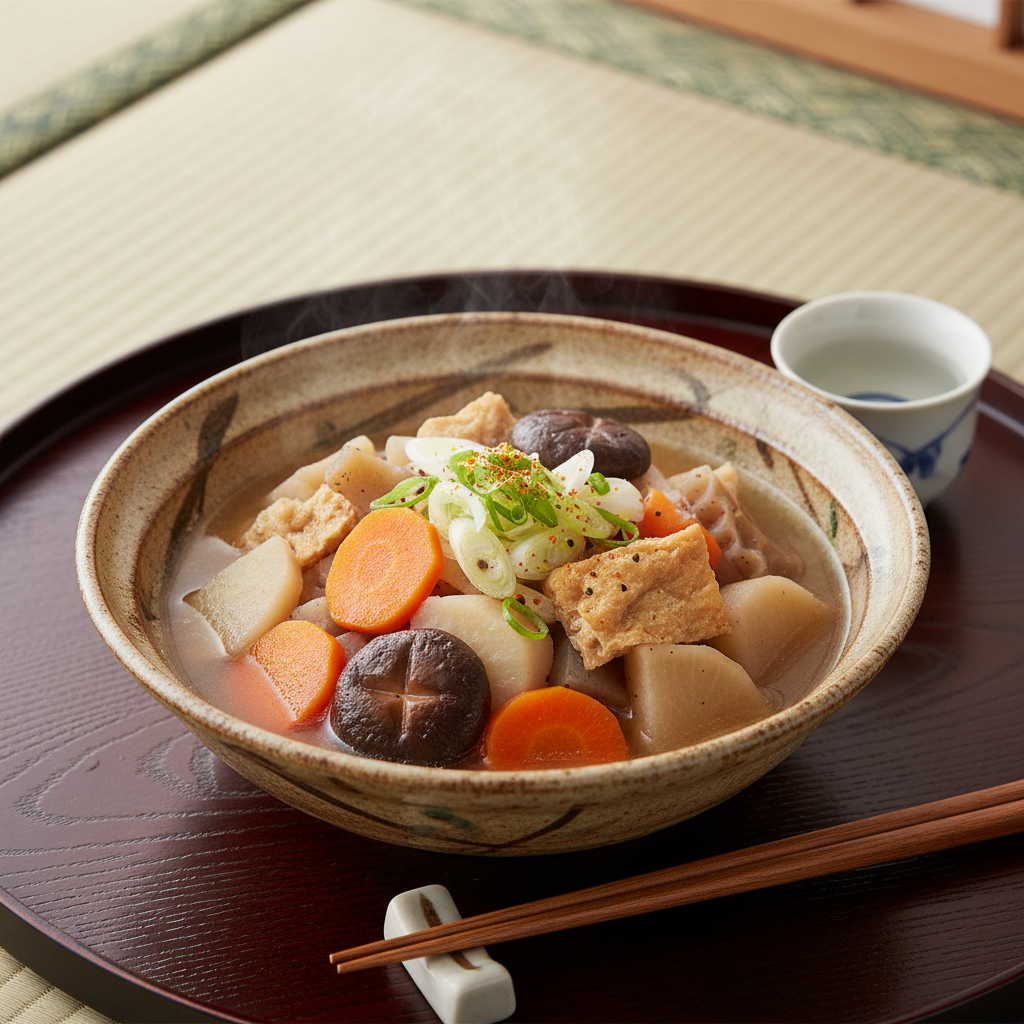
Kenchin-jiru is a traditional Japanese soup dish made with vegetables and tofu, and has long been cherished in Ibaraki Prefecture as one of its representative local dishes. In Ibaraki, it is particularly made in homes during the cold winter months and for special occasions, with ingredients and seasonings varying by region.
The cooking method is characterized by stir-frying vegetables centered on root vegetables and tofu in oil, then simmering them in broth. As a nutritionally balanced and healthy dish, it continues to be loved by many Ibaraki residents today.
Characteristics of Kenchin-jiru in Ibaraki Prefecture
Kenchin-jiru in Ibaraki Prefecture has the following characteristics:
- Abundant use of root vegetables: Fresh root vegetables such as daikon radish, carrot, burdock, and taro produced in Ibaraki are used abundantly
- Presence of tofu: Firm tofu is crumbled while stir-frying, creating depth and satisfying texture
- Soy sauce-based seasoning: Clear soy sauce flavor is the base, adjusted with mirin or sake depending on the household
- Aroma of sesame oil: Sesame oil is used when stir-frying vegetables, finishing the dish with rich flavor
History and Origins of Kenchin-jiru
Origins Nationwide
There are various theories about the origin of kenchin-jiru, but the most famous is the theory that it originated at Kenchoji Temple in Kamakura, Kanagawa Prefecture. According to the legend, a Buddhist monk at Kenchoji accidentally dropped and broke tofu, and rather than waste it, cooked it together with vegetables. The theory that “Kenchoji-jiru” was corrupted to “kenchin-jiru” is widely known.
There is also a theory that a Chinese vegetarian dish called “kenchin” was introduced to Japan and evolved into this form. In any case, as a Buddhist vegetarian dish, it developed using vegetables and tofu at its center without meat or fish.
History of Kenchin-jiru in Ibaraki Prefecture
In Ibaraki Prefecture, kenchin-jiru has been made since the Edo period, primarily in farming villages. It became established as a dish to warm the body during breaks in farm work and the cold winter months, as well as for special occasions like New Year and seasonal festivals.
Since agriculture thrived in Ibaraki Prefecture, particularly with abundant production of root vegetables, kenchin-jiru made with fresh local vegetables spread as a home-cooked dish. In some regions, it is called “kenchan-jiru” or “kenchon-jiru.”
Ibaraki Prefecture Ingredients and Kenchin-jiru
The Relationship Between Ibaraki Agricultural Products and Kenchin-jiru
Ibaraki Prefecture is one of Japan’s leading agricultural prefectures, with vegetable production ranking among the nation’s top. The main vegetables used in kenchin-jiru are abundantly produced within Ibaraki Prefecture:
- Daikon radish: Ibaraki ranks 2nd nationally in production, and its crisp, sweet radish is perfect for kenchin-jiru
- Carrot: With production second only to Chiba Prefecture, colorful and nutrient-rich carrots are used
- Burdock: Aromatic Ibaraki-grown burdock adds a unique flavor to kenchin-jiru
- Taro: Its creamy texture adds body to the broth
- Green onion: Ibaraki green onions are strongly sweet and serve as both garnish and ingredient
Spirit of Local Production for Local Consumption
Ibaraki’s kenchin-jiru strongly reflects the spirit of local production for local consumption. By using seasonal vegetables available in the region and utilizing local ingredients without waste, a nutritionally balanced and delicious soup is completed.
This approach to local production for local consumption connects to modern sustainable eating practices, making Ibaraki’s kenchin-jiru a local dish that combines tradition with contemporaneity.
Basic Recipe for Kenchin-jiru from Ibaraki Prefecture
Ingredients (serves 4)
Main ingredients:
- Daikon radish: 200g (about 5cm)
- Carrot: 1 medium
- Burdock: 1/2
- Taro: 4 medium pieces
- Konnyaku: 1/2 sheet
- Firm tofu: 1 block (300g)
- Long green onion: 1
- Shiitake mushrooms: 4 (fresh or dried)
Seasonings:
- Sesame oil: 2 tablespoons
- Broth: 1000ml (kombu and dried shiitake broth ideal)
- Soy sauce: 3 tablespoons
- Mirin: 2 tablespoons
- Sake: 2 tablespoons
- Salt: to taste
Cooking Instructions
Preparation:
- Peel daikon and carrot, cut into 5mm thick ginkgo leaf shapes
- Slice burdock thinly and soak in water to remove bitterness
- Peel taro and cut into bite-sized pieces
- Break konnyaku by hand or with a spoon into bite-sized pieces (tastes better than knife-cut)
- Remove stem from shiitake and slice thinly
- Cut green onion into thin diagonal slices
- Drain firm tofu and break apart roughly by hand
Cooking steps:
- Stir-fry vegetables: Heat sesame oil in a large pot over medium heat and stir-fry the tofu. Once the tofu’s surface becomes slightly dry, add daikon, carrot, burdock, taro, and konnyaku and continue stir-frying
- Distribute oil: Stir-fry for 3-4 minutes until oil is evenly distributed. This step is crucial for drawing out vegetable sweetness and creating depth
- Add broth: Pour in the broth and bring to a boil over high heat. Skim off any scum carefully
- Simmer: Once boiling, lower to medium heat and simmer for 15-20 minutes until vegetables are tender. Ensure taro and burdock are fully cooked
- Season: Add soy sauce, mirin, and sake to taste. Simmer for another 5 minutes to blend flavors
- Finish: Add shiitake and green onion and simmer for 2-3 minutes, then remove from heat. Adjust salt to taste
- Serve: Transfer to bowls and garnish with shichimi togarashi or yuzu peel if desired
Tips for Delicious Preparation
- Use firm tofu: Silken tofu will fall apart too much; firm tofu with a solid texture is recommended
- Don’t skip the stir-fry step: This step creates the deepest flavor, the most important point
- Make broth carefully: Broth made from kombu and dried shiitake highlights kenchin-jiru’s qualities as a vegetarian dish
- Don’t overcook: Be careful not to overcook to preserve vegetable texture
- Rest overnight: The flavors develop further when reheated the next day, tasting even better
Regional Differences and Characteristics
Northern Ibaraki Region Kenchin-jiru
In northern Ibaraki (Hitachi, Hitachiota, Takahagi cities, etc.), with many mountainous areas, kenchin-jiru with wild vegetables is sometimes made. Spring versions feature wild vegetables, and autumn versions are rich in mushrooms, creating seasonal dishes.
The northern region tends toward stronger seasoning, with pronounced soy sauce flavor. As a dish to survive cold winters, hearty seasoning is preferred.
Central Ibaraki Region Kenchin-jiru
In the central region centered on Mito, relatively standard kenchin-jiru is made. While the area is famous for Mito natto, kenchin-jiru doesn’t include natto, maintaining traditional style.
In the central region, some households eat kenchin-jiru instead of ozoni rice cake soup on New Year’s, with variations including mochi.
Southern Ibaraki Region Kenchin-jiru
In southern regions like Tsukuba and Tsuchiura, closer to urban areas, various arrangements of kenchin-jiru are seen. Variations with chicken or pork, transcending vegetarian dish traditions, have become established as home cooking.
Western Ibaraki Region Kenchin-jiru
In western areas like Koga and Yuki, influenced by neighboring Tochigi and Saitama prefectures, unique kenchin-jiru culture has developed. This region frequently adds fried tofu, adding richness and umami.
Kashiwa Region Kenchin-jiru
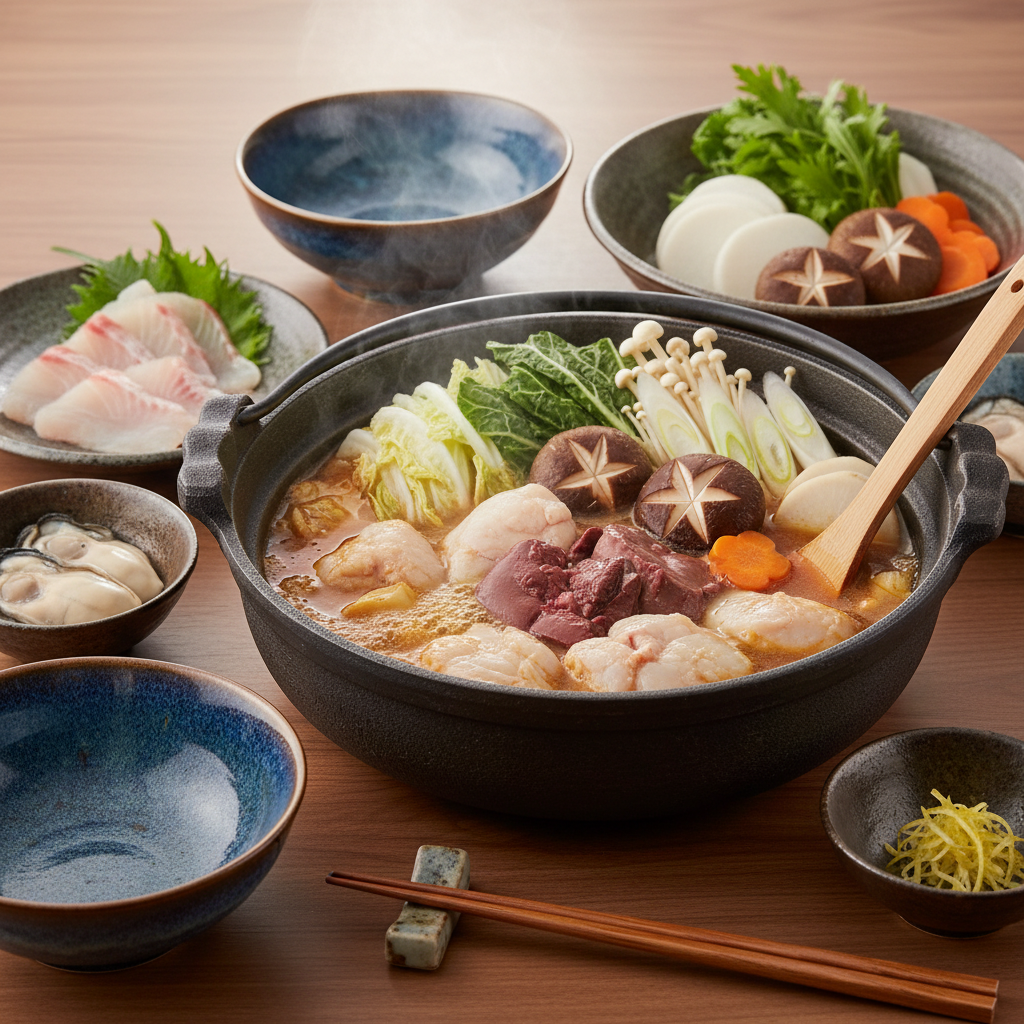
The Kashiwa region (Kashima, Itako cities) faces the sea, so variations using seafood exist. Particularly in winter, luxurious kenchin-jiru with angler fish is sometimes made.
Nutritional Value and Health Benefits of Kenchin-jiru
Nutritional Composition
Kenchin-jiru is a nutritionally balanced dish centered on vegetables and tofu. Typical nutritional content per serving (about 300ml) is as follows:
- Energy: approximately 150-200 kcal
- Protein: approximately 8-10g (from tofu)
- Fat: approximately 6-8g (from sesame oil and tofu)
- Carbohydrates: approximately 15-20g (from root vegetables)
- Dietary fiber: approximately 4-5g (from vegetables)
- Vitamins: Rich in vitamins A, C, E, K, and B-complex
- Minerals: Contains potassium, calcium, magnesium, and iron
Health Benefits
1. Rich in Dietary Fiber
Dietary fiber in root vegetables and konnyaku improves intestinal environment and is effective for constipation relief. It also prevents sharp blood sugar spikes and helps improve cholesterol levels.
2. Low-Calorie with Satiety
Centered on vegetables and tofu, it is low-calorie yet filling, making it recommended for those dieting. Warm soup naturally produces satiety and prevents overeating.
3. High-Quality Protein
Plant-based protein in tofu contains essential amino acids in good balance, important for maintaining muscle and organ health. Compared to animal protein, it contains less fat and is healthier.
4. Antioxidant Action
Rich in antioxidants like β-carotene in carrots and polyphenols in burdock, it is expected to help prevent aging and lifestyle diseases.
5. Body-Warming Effect
Root vegetables are said to warm the body, and eating them during cold winter months helps improve cold sensitivity and boost immunity. Sesame oil aroma also stimulates appetite.
6. Bone Health Maintenance
Calcium and isoflavones in tofu are important for bone health. Particularly effective for preventing osteoporosis in women.
Kenchin-jiru Arrangement Recipes
Kenchin-jiru with Meat
While traditional kenchin-jiru is a vegetarian dish, a version with chicken or pork is popular as home cooking.
Preparation tips:
- Cut chicken thigh or pork belly into bite-sized pieces and stir-fry before vegetables to extract umami
- Since meat releases fat, reduce sesame oil amount
- Adding meat increases richness and satisfaction, pleasing growing children
Curry-Flavored Kenchin-jiru
As a modern arrangement, adding curry powder appeals to children.
Preparation tips:
- Add 1-2 teaspoons curry powder at the end
- Curry flavor brings out vegetable sweetness and stimulates appetite
- Can be enjoyed over rice as “kenchin curry”
Miso-Based Kenchin-jiru
Replacing soy sauce with miso is seen in some Ibaraki regions.
Preparation tips:
- Use red or blended miso
- Add miso at the end without bringing to a boil
- Miso flavor creates a richer taste
Kenchin Udon and Kenchin Soba
Adding udon or soba noodles to kenchin-jiru as a complete dish is popular.
Preparation tips:
- Make kenchin-jiru in larger quantity and add cooked noodles
- Adding noodles makes it enjoyable as a main dish
- Perfect for winter lunch or dinner
Kenchin-jiru and Ibaraki’s Food Culture
Kenchin-jiru as Festival Food
In Ibaraki, kenchin-jiru is both everyday home cooking and special occasion food.
New Year:
In some regions, kenchin-jiru is eaten instead of ozoni soup. Called “kenchin ozoni,” it graces the New Year’s table.
Setsubun:
Some households eat kenchin-jiru alongside ehomaki rolls on Setsubun. Warm kenchin-jiru warms the body during still-cold February.
Winter Solstice:
Some eat kenchin-jiru with pumpkin on the winter solstice. Pumpkin’s sweetness adds flavor and nutritional value.
Kenchin-jiru in School Lunches
Many schools in Ibaraki regularly serve kenchin-jiru in school lunches. As part of food education to transmit local dishes to children and as part of nutritionally balanced menus, it is valued.
School lunch kenchin-jiru is adjusted for children—vegetables cut smaller and seasoning slightly sweeter. Through school lunches, Ibaraki’s food culture is passed to the next generation.
Regional Events and Kenchin-jiru
At agricultural and harvest festivals in Ibaraki, kenchin-jiru made in large pots is sometimes served. Large-pot kenchin-jiru using abundant locally-grown fresh vegetables deepens community bonds.
Spots in Ibaraki Where You Can Enjoy Kenchin-jiru
Roadside Stations
Many roadside stations throughout Ibaraki serve kenchin-jiru using local ingredients. Particularly in winter, warm kenchin-jiru is popular with travelers.
Recommended roadside stations:
- Roadside Station Okukuji Daigo
- Roadside Station Hitachi Omiya
- Roadside Station Hitachi Ota
At these stations, you can taste kenchin-jiru made with fresh vegetables picked that morning by local farmers.
Farm Restaurants
Many farm-operated restaurants throughout Ibaraki serve kenchin-jiru using homegrown vegetables. You can fully enjoy the delicious taste of freshly-harvested vegetables in a luxurious kenchin-jiru.
Farm Stands
Agricultural product farm stands sell fresh vegetables for making kenchin-jiru, and some sell prepared kenchin-jiru. Convenient when you don’t have time to cook at home.
Ibaraki Ingredients Useful for Making Kenchin-jiru
Ibaraki-Produced Seasonings
Using Ibaraki-produced seasonings when making kenchin-jiru creates more authentic taste.
Soy sauce:
Ibaraki actively produces soy sauce, with historic soy sauce breweries particularly in Ryugasaki and Tsuchiura. Using local soy sauce adds deep umami and richness.
Miso:
Ibaraki-produced miso is also high quality, suitable for miso-based kenchin-jiru.
Sesame oil:
Aromatic sesame oil is an important seasoning affecting kenchin-jiru’s flavor. Choosing high-quality sesame oil significantly elevates the entire dish.
Seasonal Vegetable Calendar
When using Ibaraki-produced vegetables, knowing their peak seasons is helpful:
Spring (March-May):
- New potatoes, new onions, spring carrots
Summer (June-August):
- Summer daikon, tomatoes (cold kenchin-jiru also recommended in summer)
Autumn (September-November):
- Sweet potatoes, taro, burdock, mushrooms
Winter (December-February):
- Daikon, carrot, napa cabbage, green onion, spinach
Storage Methods and Usage of Kenchin-jiru
Storage Methods
Refrigerator storage:
- Cool slightly, transfer to sealed container, store in refrigerator
- Eat within 2-3 days
- Bring to a full boil when reheating
Freezer storage:
- Konnyaku and tofu change texture when frozen; remove before freezing or avoid freezing
- Divide into small portions, place in freezer bags, flatten and freeze
- Keeps about 1 month
- Thaw slowly in refrigerator or reheat directly in pot
Leftover Usage Ideas
Kenchin Rice:
Use leftover vegetables in rice bowls. Drain ingredients, cook with rice, adjust seasoning with soy sauce and mirin.
Kenchin Croquettes:
Finely chop ingredients, mix with mashed potato, make croquettes. Popular with children.
Kenchin Gratin:
Place ingredients in gratin dish, top with white sauce and cheese, bake in oven for Western arrangement.
Conclusion: Passing Ibaraki’s Kenchin-jiru Culture to the Next Generation
Kenchin-jiru is a proud local dish of Ibaraki where abundant agricultural products and traditional cooking methods merge. Simple yet profound flavor, nutritional balance, and regional individuality form this dish’s appeal.
In modern eating, instant foods and dining out increase, possibly reducing opportunities to make traditional home cooking. However, local dishes like kenchin-jiru contain the wisdom and ingenuity of ancestors and the region’s food culture.
Making and eating Ibaraki’s kenchin-jiru means more than just eating. It is an opportunity to learn regional history, express gratitude for seasonal bounty, and feel family and community bonds.
Please make kenchin-jiru at home using fresh Ibaraki-grown vegetables. Once you master the basic recipe, add your own arrangements and enjoy original kenchin-jiru.
Pass this delicious local dish to children and younger generations to carry Ibaraki’s food culture to the future. Let us continue to cherish the rich nature and warmth of Ibaraki people contained in a single bowl of kenchin-jiru.