
Complete Guide to Kawara Soba | History, How to Make, and Famous Restaurant Information for this Local Dish Originating from Shimonoseki, Yamaguchi Prefecture
What is Kawara Soba? A Unique Local Dish Boasted by Yamaguchi Prefecture
Kawara soba (瓦そば) is a local dish born in Kawana Hot Spring, Shimonoseki City, Yamaguchi Prefecture. It is characterized by a unique style: tea soba is served on a heated tile, topped with ingredients such as egg threads, beef, seaweed, grated radish with red pepper, and lemon, and eaten by dipping it in warm noodle broth.
This dish, where the fragrant, crispy tea soba, the piping hot temperature transmitted from the tile, and the savory umami of sweetly braised beef harmonize perfectly, has become widely known throughout Japan as a representative gourmet specialty of Yamaguchi Prefecture.
Characteristics of Kawara Soba
- Tea soba used: Green tea soba made by kneading matcha is used
- Cooked on a tile: Actual tiles are heated and used as cooking utensils
- Fragrant crispiness: The part in contact with the tile becomes crispy and creates a unique texture
- Luxurious toppings: Beef, egg threads, seaweed, green onion, grated radish with red pepper, lemon
- Warm broth: Eaten with sweetish noodle broth
History and Birth Story of Kawara Soba
Birth in 1961
Kawara soba was devised in Showa 36 (1961) by Shinichi Takase, the first owner of the inn “Takase” in Kawana Hot Spring, Toyoura Town, Shimonoseki City. There is an interesting episode behind the creation of this dish.
Inspiration from the Satsuma Rebellion
When Takase visited Kumamoto Prefecture, he heard a story that during the Satsuma Rebellion (1877), soldiers of the Satsuma army would cook wild grass and meat using tiles during breaks in field combat. Inspired by this historical episode, the idea was born to utilize tiles as a cooking utensil.
Development in Kawana Hot Spring
Kawana Hot Spring is a historic hot spring resort dating back to the Edo period, and many tourists visited there. Takase, wanting to create a local specialty dish, developed kawara soba through trial and error. Initially it was a menu item for inn guests, but due to its unique visual presentation and delicious taste, word spread by word-of-mouth, and it eventually became established as a representative local dish of Yamaguchi Prefecture.
Spread Throughout Japan
From the 1990s onward, kawara soba became more frequently featured in television programs and gourmet magazines, and it became known nationwide. Currently, it is served at many restaurants throughout Yamaguchi Prefecture, and home kawara soba sets are also sold, allowing it to be enjoyed at tables throughout the nation.
How to Make Kawara Soba | Authentic Recipe
Required Ingredients (Serves 2)
Noodles and toppings:
- Tea soba: 200g
- Thinly sliced beef: 150g
- Eggs: 2
- Chopped seaweed: as needed
- Chopped green onion (thinly sliced): as needed
- Grated radish with red pepper (grated daikon radish + red pepper): as needed
- Lemon (sliced into rings): 2 slices
Seasoning for beef:
- Soy sauce: 2 tablespoons
- Mirin: 2 tablespoons
- Sugar: 1 tablespoon
- Sake: 1 tablespoon
Broth:
- Noodle broth (3x concentrated): 100ml
- Water: 300ml
- Sugar: 1 tablespoon (to taste)
Cooking Steps
1. Prepare the Egg Threads
Beat the eggs and make a thin omelet. Once cooled, cut it into fine threads to make the egg threads.
2. Season the Beef
Cut the beef into bite-sized pieces and simmer in a mixture of soy sauce, mirin, sugar, and sake. Reduce over medium heat until most of the liquid is gone, creating a sweet and salty flavor.
3. Cook the Tea Soba
Cook the tea soba according to the package instructions, rinse with cold water, and drain thoroughly.
4. Prepare the Broth
Add the noodle broth and water to a pot and heat. Adjust sweetness to taste by adding sugar if desired. Keep it warm in a bowl.
5. Cook on Tile (or Hot Plate)
Authentic method (using a tile):
- Heat the tile over a gas burner for about 10 minutes until very hot
- Lightly brush the hot tile with sesame oil
- Spread the tea soba on the tile and cook until it becomes crispy
Home cooking method:
- Set a hot plate to high temperature (200-230°C)
- Lightly brush with sesame oil and spread the tea soba
- Cook until the bottom becomes crispy (about 3-5 minutes)
6. Plate
Beautifully arrange the beef, egg threads, chopped seaweed, green onion, grated radish with red pepper, and lemon on top of the cooked tea soba.
Tips for Delicious Results
- Drain the tea soba well: Too much moisture prevents it from becoming crispy
- Heat the tile thoroughly: Low temperature won’t bring out the fragrant aroma
- Season the beef richly: A rich flavor pairs well with the broth
- Use warm broth: Cold broth diminishes the appeal of kawara soba
- Add lemon at the end: Squeezing lemon just before eating adds a fresh flavor
Famous Kawara Soba Restaurants | Restaurants Worth Visiting in Yamaguchi Prefecture
Ganso Takase (Toyoura Town, Shimonoseki City)
Known as the birthplace of kawara soba, “Takase” has its main shop in Kawana Hot Spring. Kawara soba made using traditional methods unchanged since its founding is a popular restaurant that draws many tourists.
Features:
- Traditional methods that preserve the original taste
- High-quality Japanese beef
- Homemade tea soba
- Atmospheric setting of Kawana Hot Spring
Access: About 15 minutes walk from JR Kawana Hot Spring Station
Kawara Soba Honten Otafuku (Shimonoseki City)
An established restaurant in Shimonoseki City that serves kawara soba. It is known as a famous shop loved by both tourists and local residents.
Features:
- Generous portions of toppings
- Reasonable pricing
- Convenient location
Kawara Soba Specialty Shops (Yamaguchi City, Hagi City, etc.)
There are numerous specialty shops and local cuisine restaurants serving kawara soba in major cities throughout Yamaguchi Prefecture. Each shop offers its own unique arrangements and creative takes on kawara soba.
Enjoy Kawara Soba at Home | Mail Order and Online Shopping Information
Kawara Soba Sets
In recent years, set products that allow you to enjoy authentic kawara soba at home have become popular. Many products include the following:
- Tea soba
- Special noodle broth
- Instructions on how to prepare
- Some products include a simple tile plate
How to Purchase
- Online shops: Available for purchase at Yamaguchi Prefecture antenna shops, Rakuten Ichiba, Amazon, and other sites
- Roadside stations: Local kawara soba sets are sold at roadside stations throughout Yamaguchi Prefecture
- Souvenir shops: Available at souvenir shops in tourist areas in Shimonoseki City and Yamaguchi City
Price Range
- 2-serving set: ¥1,500-¥2,500
- 4-serving set: ¥2,500-¥4,000
- Set with tile plate: ¥5,000-¥8,000
Nutritional Value and Health Benefits of Kawara Soba
Nutrition of Tea Soba
Because matcha is kneaded into tea soba, it contains the following nutrients in addition to regular soba:
- Catechins: Antioxidant effects, fat-burning effects
- Vitamin C: Skin health benefits, immune system enhancement
- Dietary fiber: Intestinal environment improvement
- Rutin: Blood vessel strengthening, high blood pressure prevention
- B vitamins: Energy metabolism promotion
Well-balanced Nutritional Composition
Kawara soba provides a well-balanced intake of the following nutrients in one dish:
- Carbohydrates: From tea soba
- Protein: From beef and eggs
- Vitamins and minerals: From vegetables and seaweed
- Fats: From an appropriate amount of beef
Kawara Soba Arrange Recipes
Seafood Kawara Soba
A version using seafood such as shrimp, squid, and scallops instead of beef. Since Yamaguchi Prefecture faces the sea, this arrangement using fresh seafood is also popular.
Pork Kawara Soba
By using pork instead of beef, you can enjoy it more affordably. Pork works well with a ginger-fried style seasoning.
Vegetarian Kawara Soba
A healthy version without meat, using plenty of mushrooms, thick fried tofu, and vegetables.
Spicy Kawara Soba
Arrangements are popular where spice is added by using more grated radish with red pepper or topping with kimchi.
Kawara Soba and Other Yamaguchi Prefecture Local Dishes
Yamaguchi Prefecture has many other fascinating local dishes in addition to kawara soba:
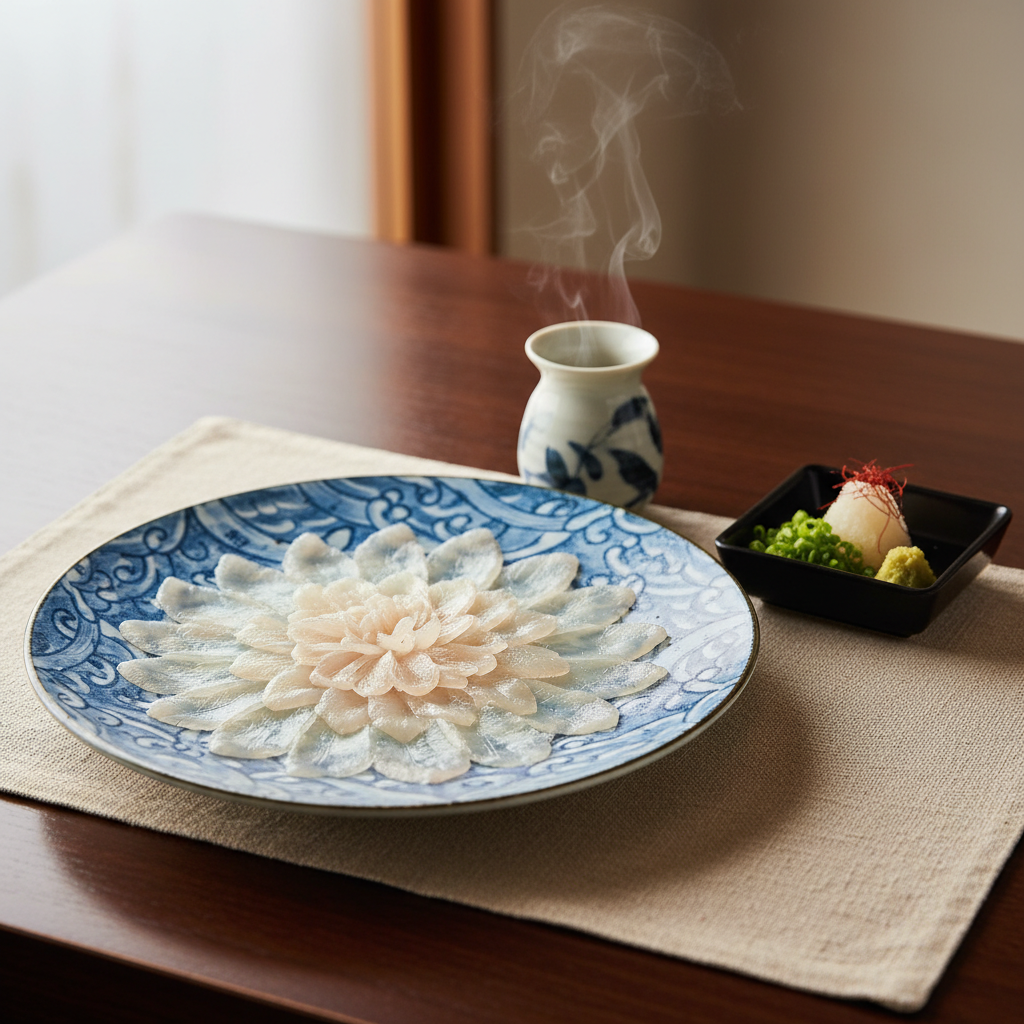
Fugu Cuisine
Shimonoseki City is known as “the home of fugu,” with tessa (fugu sashimi) and tecchiri (fugu hot pot) being famous dishes.
Iwakuni Sushi
A local dish from Iwakuni City, this is pressed sushi made by layering vinegared rice and ingredients in a wooden frame multiple times.
Biran Beef
Yamaguchi Prefecture’s brand beef, characterized by beautiful marbling and tender texture.
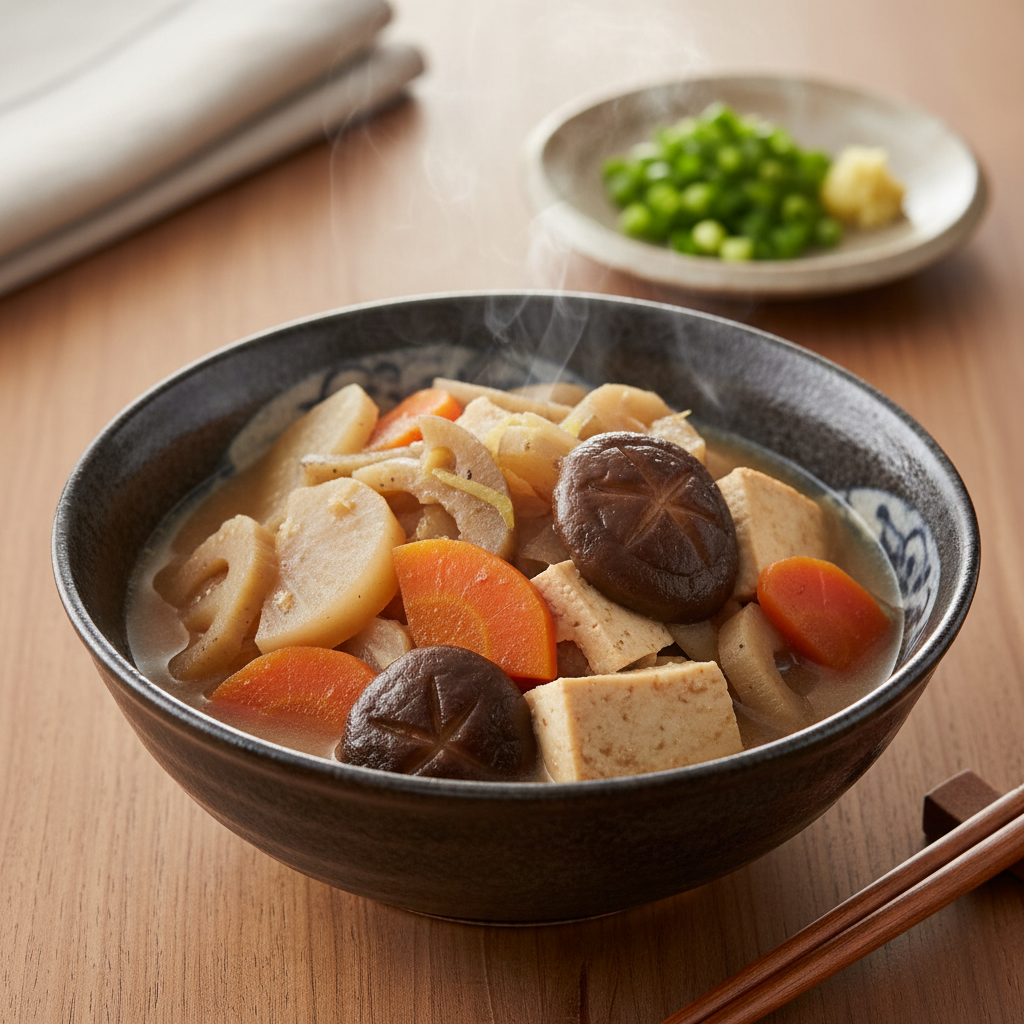
Kenchō
A home-cooked dish with a vegetarian cooking style made by sautéing and simmering daikon radish, carrots, tofu, and other ingredients.
Etiquette and Tips When Eating Kawara Soba
Basic Eating Method
- Enjoy the aroma first: Appreciate the fragrant, roasted aroma of the tea soba rising from the tile
- Start with the crispy parts: Eating from the part that is crispy from contact with the tile allows you to enjoy the fragrance to the fullest
- Dip in the broth: Dip the soba in warm broth and eat
- Squeeze lemon: Squeezing lemon partway through allows you to enjoy the flavor changes
- Adjust spice with grated radish: Adjust the level of spice with the amount of grated radish with red pepper
Caution About Heat
The tile becomes extremely hot, so be careful not to touch it directly. Extra caution is necessary, especially when bringing small children.
Cultural Significance of Kawara Soba
Contribution to Regional Revitalization
Kawara soba has greatly contributed to tourism promotion in Yamaguchi Prefecture, particularly in Kawana Hot Spring. Many tourists visit specifically to experience this unique dish, contributing to regional economic vitalization.
Fusion of Tradition and Innovation
Kawara soba, which was conceived from historical inspiration of the Satsuma Rebellion while developing as a modern local cuisine, is a prime example of the fusion of tradition and innovation.
Media Coverage
It has been featured in numerous television programs, magazines, and on social media, contributing to increased awareness of Yamaguchi Prefecture. In particular, its striking visual presentation carries significant appeal in the age of social media.
Recommendation for Kawara Soba Tourism
Trip to Kawana Hot Spring
Kawana Hot Spring, the birthplace of kawara soba, is an attractive tourist destination where you can not only eat kawara soba but also enjoy hot spring bathing.
Recommended itinerary:
- Morning: Arrive at Kawana Hot Spring, explore the hot spring town
- Lunch: Eat kawara soba at Ganso Takase
- Afternoon: Soak in the hot spring, relax
- Evening: Sightseeing in Shimonoseki City (Karato Market, etc.)
Combined with Shimonoseki Sightseeing
Shimonoseki City has many tourist attractions including the Kanmon Strait, Karato Market, and Akama Shrine. Combining kawara soba with these creates a fulfilling Yamaguchi Prefecture trip.
Seasonal Enjoyment
- Spring: Cherry blossoms and kawara soba
- Summer: Piping hot kawara soba at cool Kawana Hot Spring
- Autumn: Autumn foliage viewing and kawara soba
- Winter: Warming up with hot springs and kawara soba
Future of Kawara Soba
New Developments
In recent years, new products and services based on kawara soba have appeared:
- Frozen kawara soba: Easy microwave cooking
- Kawara soba cup noodles: Convenient instant version
- Kawara soba sauce: Specialty sauce applicable to other dishes
International Expansion
Against the backdrop of the Japanese food boom, kawara soba’s recognition overseas is gradually increasing. Its unique cooking method and striking visuals are attracting the attention of food connoisseurs abroad.
Sustainability Initiatives
Efforts are underway to pass on kawara soba as a sustainable local cuisine for the next generation, including the use of local ingredients and the continuation of traditional cooking methods.
Summary | The Appeal of Kawara Soba
Kawara soba is an innovative local dish born in Kawana Hot Spring, Shimonoseki City, Yamaguchi Prefecture. Conceived from the historical inspiration of the Satsuma Rebellion and created in Showa 36 (1961), this dish, with a history of more than 60 years, continues to captivate many people to this day.
The fragrant crispiness of tea soba cooked on a heated tile, the savory umami of sweetly braised beef, the harmony of various toppings, and the excellent compatibility with warm broth. All of these combine to create one-of-a-kind deliciousness.
Whether you visit the birthplace of Kawana Hot Spring to enjoy the authentic taste or make it at home to enjoy with family and friends, kawara soba is a local dish with great depth that can be enjoyed in various ways.
When visiting Yamaguchi Prefecture, be sure to experience this unique local dish. The aroma and sound of tea soba being cooked on a tile, and its taste, will surely become an unforgettable memory.