Kenchō: Yamaguchi Prefecture’s Local Cuisine – Complete Guide from History to Recipes and Arrangements
What is Kenchō?
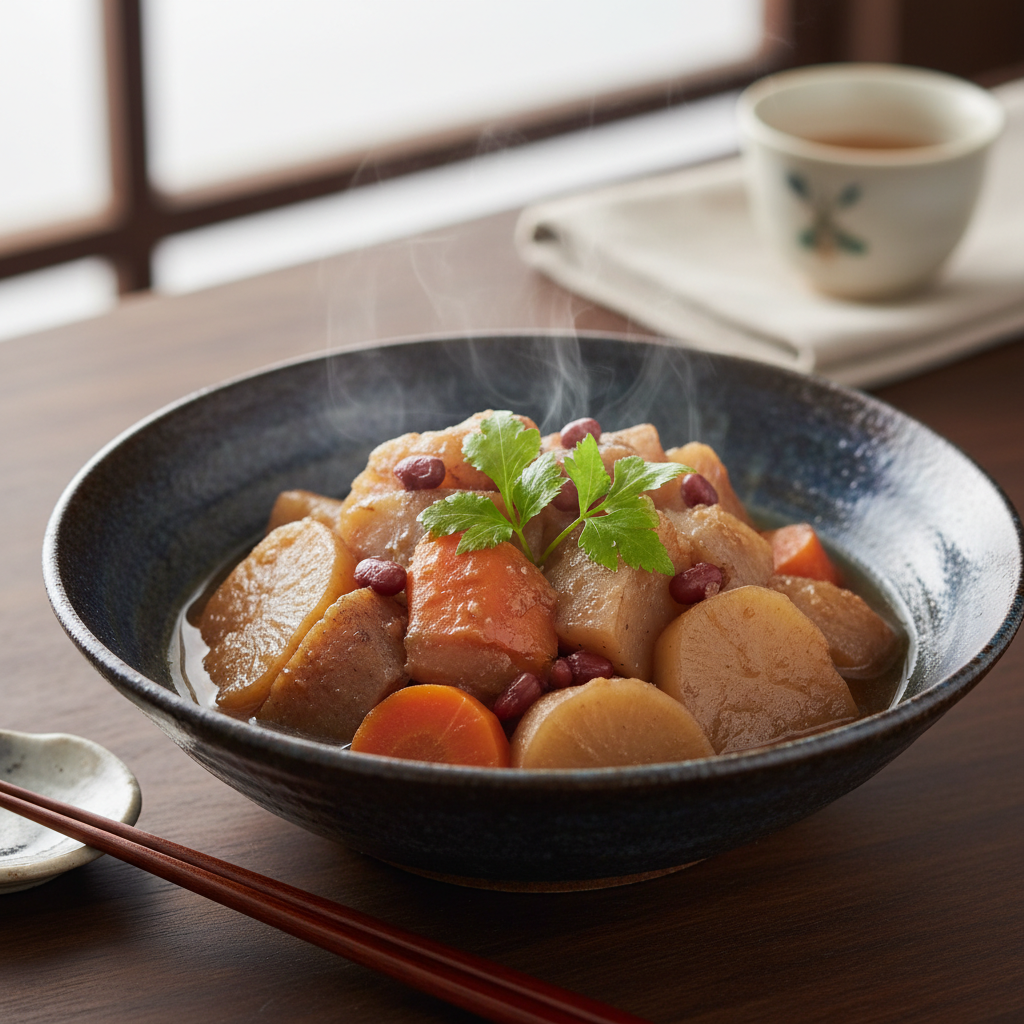
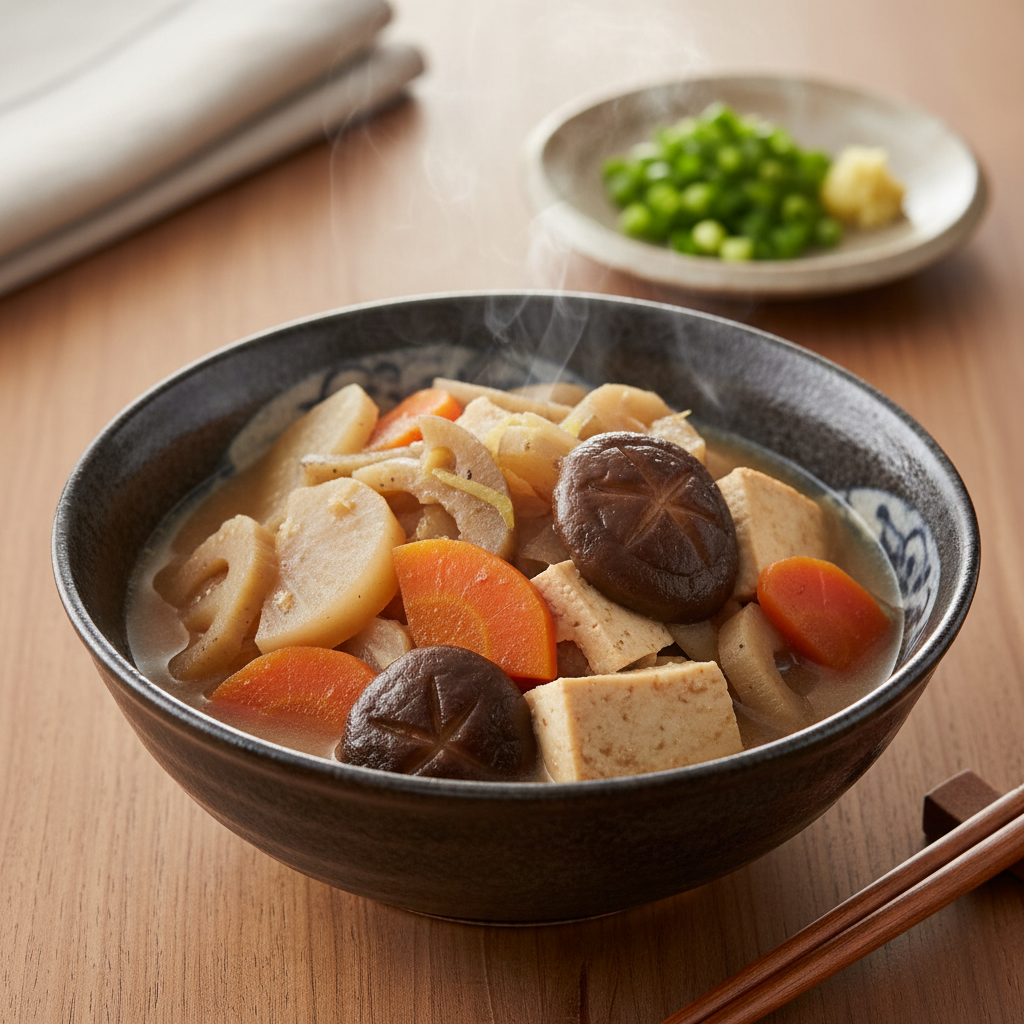
Kenchō is one of Yamaguchi Prefecture’s representative local dishes. A simmered dish made primarily from tofu, daikon radish, and carrots, seasoned sweetly and saltily with soy sauce and sugar, it is loved throughout Yamaguchi Prefecture. Depending on the region or household, it is also called “kenchō-ni” or “kenten,” and has been passed down as a standard dish essential to winter tables.
Despite its simple ingredients and cooking method, it is characterized by a deep flavor where the sweetness of vegetables harmonizes with the richness of tofu. The fact that the flavor penetrates more deeply when left overnight is one of the reasons it is loved by many households.
Origin of the Name Kenchō
There are several theories about the origin of the name kenchō. The most prominent theory is that it derives from a dish called “kensai (巻繊)” transmitted from China during the Kamakura period, which underwent phonetic change. Some theories point to a connection with kenchin soup, but in Yamaguchi Prefecture it developed as a simmered dish rather than a soup and became established as a unique local cuisine.
Another theory attributes its origin to the vegetarian dishes of Kenchō-ji Temple, or proposes it was named as an auspicious word from “kenchō (堅調).” In any case, it has taken root in Yamaguchi’s food culture over long history and has been passed down in households.
History and Cultural Background of Kenchō
Position of Local Cuisine in Yamaguchi Prefecture
Yamaguchi Prefecture is located at the westernmost tip of Honshu, facing both the Seto Inland Sea and the Japan Sea, blessed with a rich natural environment. Kenchō developed as a dish combining fresh vegetables harvested in this region with tofu, which has been manufactured since ancient times.
Particularly in winter, daikon radish becomes delicious, and many households prepare dishes using daikon. Kenchō is its representative example, sometimes served during celebrations such as New Year’s and Obon festivals.
Regional Differences in Names
Even within Yamaguchi Prefecture, the name differs by region. In the central prefecture it’s called “kenchō,” in the eastern prefecture “kenchō-ni,” and in some areas “kenten.” This variation in names also serves as evidence of independent development in each region.
Basic Ingredients and Nutritional Value of Kenchō
Basic Ingredients
The basic ingredients for kenchō are very simple:
- Firm tofu: 1 block (300-400g)
- Daikon radish: 300-400g
- Carrot: 1 medium-sized (100-150g)
- Dashi broth: 1-1.5 cups
- Soy sauce: 2-3 tablespoons
- Sugar: 1-2 tablespoons
- Mirin: 1-2 tablespoons
- Sesame oil: 1 tablespoon
These ingredients are easily obtainable in any household and can be cooked regardless of season, which is part of their appeal.
Nutritional Value and Health Benefits
Kenchō is a nutritionally well-balanced dish. Firm tofu contains abundant high-quality protein and calcium, while daikon contains diastase, a digestive enzyme. Carrots are rich in β-carotene, offering expected benefits for immune enhancement and beautiful skin.
Additionally, since it uses little oil and is vegetable-centered, it provides satisfaction while being low in calories. It is also rich in dietary fiber, offering expected benefits for intestinal health—a healthy local dish.
How to Make Kenchō
Basic Recipe (Serves 4)
Ingredient Preparation
- Daikon radish preparation: Peel the daikon and cut into approximately 1cm cubes. Uniformly sized pieces ensure even cooking.
- Carrot preparation: Similarly peel the carrot and cut to approximately the same size as the daikon.
- Tofu water removal: Wrap the firm tofu in paper towels and place a light weight on top for approximately 15-20 minutes. Proper water removal prevents the tofu from falling apart and allows flavor to penetrate better.
Cooking Steps
- Stir-fry vegetables: Heat sesame oil in a pot and stir-fry the daikon and carrot over medium heat for 3-4 minutes. Stir until the vegetables are coated with oil and become slightly translucent, increasing richness and umami.
- Add dashi broth: Once the vegetables are coated with oil, add the dashi broth. You can use iriko dashi, bonito dashi, kombu dashi, or your preferred type.
- Add tofu: Add the water-removed tofu while crumbling it by hand. Leaving it in larger pieces adds substance to the dish.
- Season with seasonings: Add soy sauce, sugar, and mirin, place a drop lid on top, and simmer over medium heat for 20-30 minutes. Stir once during cooking to distribute flavor evenly.
- Finishing: When the vegetables are tender and the cooking liquid has reduced by about half, remove from heat. Cooling as is allows the flavor to penetrate further.
Tips for Making It Delicious
Handling Tofu
Using firm tofu is important. Silken tofu tends to fall apart easily and has a different texture. Proper water removal and crumbling by hand into larger pieces preserve the presence of the tofu.
Heat and Cooking Time
Start with medium heat to bring to a boil, then continue with lower-medium heat for slow simmering. High heat causes vegetables to fall apart or the cooking liquid to evaporate too quickly. Using a drop lid ensures flavor reaches throughout even with minimal cooking liquid.
Flavor Balance
The perceived saltiness varies depending on the sweetness of the daikon, so start with mild seasoning and adjust while tasting. Since flavor intensifies overnight, slightly light seasoning is advisable.
Regional Differences and Variations
Characteristics of Different Areas
Different cooking methods and ingredients appear in different regions within Yamaguchi Prefecture.
Around Yamaguchi City, many households add konnyaku in addition to the basic three ingredients. Adding konnyaku provides textural accent and increases volume.
Around Shimonoseki City, dried shiitake mushroom is sometimes added. Using the soaking liquid from the mushrooms as part of the dashi adds deeper umami.
Around Iwakuni City, a variation with taro potato is seen. The starchy texture of taro gives the overall dish more cohesion.
Individual Household Variations
Individual households also create their own arrangements. Some households add fried tofu for richness, some add chicken for increased volume, some add burdock for enhanced flavor—various variations exist.
This diversity is one reason kenchō has remained beloved. While the basics are simple, its flexibility to accommodate regional preferences and traditions is its charm.
Kenchō Arrangement Recipes
Kenchō with Chicken
An arrangement adding 100-150g of chicken thigh to the basic recipe. Dice the chicken and stir-fry it before sautéing the vegetables, setting it aside. When simmering the vegetables and tofu, return the chicken, spreading meat umami throughout and creating a more voluminous dish.
Kenchō with Fried Tofu
An arrangement adding 1-2 sheets of fried tofu cut into thin strips. Pour boiling water over the fried tofu to remove excess oil before use. The richness and texture of fried tofu add depth, recommended for those who find tofu alone insufficient.
Kenchō with Plenty of Mushrooms
An arrangement adding shiitake, shimeji, enoki, and other mushrooms. Mushroom umami compounds dissolve into the cooking liquid, creating deep flavor. Particularly recommended for autumn.
Kenchō with Konnyaku
Adding 100-150g of konnyaku increases textural variation and satisfaction. Pre-boil konnyaku for parboiling, then tear with a spoon before adding for better flavor penetration.
Kenchō with Taro
An arrangement adding approximately 200g of taro potato. Peel taro, cut into bite-sized pieces, and rinse away the slime before use. The starchy texture of taro and thickening of the cooking liquid create a mellow flavor.
Storage Methods and Ways to Enjoy Kenchō
Storage Method
Kenchō can be refrigerated for 3-4 days. Allow to cool, then store in an airtight container in the refrigerator. Letting it sit overnight allows flavor to penetrate, making it more delicious than when freshly made; making extra to eat the following day is also recommended.
Freezing is possible, but the tofu’s texture changes, so early consumption after refrigeration is recommended. When freezing, divide into portions, then thaw naturally or reheat in a microwave before eating.
How to Reheat
When reheating refrigerated kenchō, transferring to a pot and slowly warming over low heat is ideal. Using a microwave: cover with plastic wrap and heat at 600W for 2-3 minutes. If liquid has evaporated, add a small amount of dashi or water before heating.
Ways to Enjoy
Kenchō is typically eaten as a side dish, but can also be enjoyed as follows:
- Over rice: Served bowl-style, the sweet-salty seasoning pairs well with rice.
- In lunch boxes: Delicious even when cold, ideal for lunch box sides.
- With added broth: Adding more dashi creates a kenchin soup-style arrangement.
- On udon or soba: Serving on warm noodles is also recommended.
Comparison of Kenchō with Other Local Dishes
Differences from Kenchin Soup
Kenchō is often compared with the nationally known “kenchin soup.” Though similarly named with similar ingredients, clear differences exist.
Kenchin soup is a soup using abundant dashi broth. Kenchō is a simmered dish using minimal cooking liquid, emphasizing flavor penetration into ingredients. Additionally, kenchin soup as vegetarian cuisine uses no meat, while kenchō as home cooking may include chicken.
Other Yamaguchi Prefecture Local Dishes
Yamaguchi Prefecture has various local dishes beyond kenchō.
Iwakuni sushi is an Iwakuni City local dish, a type of pressed sushi. As a traditional dish of Iwakuni City, famous for Kintai Bridge, it is essential at festivals and celebrations.
Chisha namasu is a vinegared salad using lettuce, characterized by refreshing flavor.
Kawara soba originates from Shimonoseki and is popular for its unique style of serving tea soba and ingredients on a heated roof tile.
Compared to these local dishes, kenchō is the simplest and most homestyle, notable for being eaten in daily life.
Places to Experience Kenchō
Kenchō as Home Cooking
Kenchō is fundamentally home cooking, daily prepared in many Yamaguchi households. Winter particularly, when daikon is delicious, sees weekly appearances on many tables.
Restaurants and Direct Sales
Kenchō can be enjoyed at restaurants serving local cuisine, roadside stations, and food halls at agricultural product direct sales shops within Yamaguchi Prefecture. Particularly at food halls with locally-sourced vegetables, authentic kenchō made with fresh ingredients can be savored.
Kenchō is sometimes sold at direct sales shops and morning markets operated by JA Yamaguchi. A valuable opportunity to enjoy authentic taste using local farmers’ vegetables.
Food Events
At food events and local cuisine fairs held in Yamaguchi Prefecture, kenchō is sometimes featured. Such events allow comparing kenchō from various regions and experiencing regional differences.
Food Education and Community Revitalization Through Kenchō
School Lunch Initiatives
In school lunches throughout Yamaguchi Prefecture, kenchō is sometimes served as local cuisine. An important opportunity to transmit regional food culture to children, it also becomes a catalyst for households to prepare kenchō.
Children who eat kenchō at lunch often request it at home, creating positive circulation where local cuisine is inherited across generations.
Use for Community Revitalization
Recently, kenchō is utilized for tourism promotion and community revitalization as a dish representing Yamaguchi Prefecture’s food culture. Through events like kenchō contests and recipe contests, traditional local cuisine is preserved while new arrangements emerge.
Efforts to introduce kenchō to people moving from outside the prefecture and tourists also showcase the richness of Yamaguchi’s food culture.
Conclusion: The Appeal and Future of Kenchō
Kenchō, as a representative local dish of Yamaguchi Prefecture, is a simple yet deeply flavored cuisine. Made from familiar ingredients—tofu, daikon radish, and carrots—and passed down in households, its traditional taste will continue to be loved by many.
While maintaining the basic recipe, its great appeal lies in flexibility to adapt to household preferences and regional characteristics. Adding various ingredients such as chicken, fried tofu, mushrooms, konnyaku, and taro creates infinite variations.
Nutritionally well-balanced and low in calories while satisfying, kenchō suits modern health-conscious preferences. Its harmony of vegetable sweetness, tofu richness, and sweet-salty seasoning makes it ideal as a side dish, and being delicious even cold makes it suitable for lunch boxes.
Additionally, kenchō improves with overnight resting, excelling as a make-ahead dish. Adaptable to modern busy lifestyles, this local cuisine will continue serving many households.
When visiting Yamaguchi Prefecture, please enjoy kenchō at local restaurants or direct sales shops. Also easily made at home, please try the recipe introduced here. Starting with the basic recipe and gradually adding personal arrangements will complete your own kenchō.
Through kenchō, we hope you experience Yamaguchi’s rich food culture and family flavors inherited across generations. Because simple ingredients and methods allow ingredients’ essence to shine, we invite you to incorporate this local dish—kenchō—into your daily table.