
A Complete Guide to “Kani Jiru,” Tottori Prefecture’s Local Dish | The Umami of Seiko Crab, History, and Authentic Recipe
What is Kani Jiru – Tottori’s Traditional Dish Using Winter’s King of Flavors
“Kani jiru,” a local specialty representing Tottori Prefecture, is a miso-based soup made with fresh crabs caught in the winter Sea of Japan. It has been selected by the Ministry of Agriculture, Forestry and Fisheries as one of the “One Hundred Traditional Dishes of Japan’s Agricultural, Mountain, and Fishing Villages,” and is nationally recognized as a dish symbolizing Tottori Prefecture’s food culture.
The greatest characteristic of this dish is the use of “Seiko Crab,” the female of the snow crab (Zuwai Crab), shell and all. Seiko Crab is also called “oya gani” (parent crab) or “seko gani,” and while smaller than the male snow crab, it is characterized by the rich umami flavor found in its naigo (orange-colored eggs inside the shell) and sotoko (eggs held on the abdomen).
This simple soup, made with only crab and daikon radish as ingredients, embodies the accumulated wisdom of Tottori’s fishermen in maximizing the natural flavors of the ingredients.
The History and Cultural Background of Kani Jiru
Origins as a Fisherman’s Dish
Kani jiru is said to have originated among fishermen living along the coast of Tottori Prefecture’s Sea of Japan. It was conceived by fishermen returning from fishing in the harsh winter sea as a way to warm their cold bodies.
At that time, while male snow crabs were traded at high prices, female Seiko crabs were relatively inexpensive and regularly appeared on fishing families’ tables. This familiar ingredient was developed into a nutritious, warming dish that became established as kani jiru.
Tottori Prefecture’s Deep Connection to Crab Fishing
Tottori Prefecture faces the Sea of Japan and has long been known for its active crab fishing. Sakaiminato Port, in particular, is known as one of Japan’s premier crab ports, where various types of crabs including snow crabs and red snow crabs are caught.
November 6, the opening day of snow crab fishing season, is an important date marking the arrival of winter in Tottori Prefecture, and the Seiko Crab fishing season runs from this date until early January of the following year. The fact that this seasonal delicacy can only be enjoyed for about two months is one reason kani jiru is cherished as a special local dish.
Selection in the One Hundred Dishes of Japan’s Rural Areas
In 2007, the Ministry of Agriculture, Forestry and Fisheries selected kani jiru as one of Tottori Prefecture’s representative dishes in the “One Hundred Traditional Dishes of Japan’s Agricultural, Mountain, and Fishing Villages.” This selection led to nationwide recognition of the local food culture’s value.
Characteristics of Seiko Crab and the Secret of Its Umami
What is Seiko Crab?
Seiko Crab refers to the female of the Zuwai Crab (snow crab). While male snow crabs grow to a shell width of 14 cm or more, Seiko Crabs are smaller, around 8 cm. However, their small bodies contain an astonishing concentration of umami components.
The names vary by region: in Tottori Prefecture they are called “oya gani” (parent crab) or “seko gani,” in Ishikawa Prefecture “kagashigani,” and in Fukui Prefecture “seiko.”
The Rich Taste of Naigo and Sotoko
The greatest appeal of Seiko Crab lies in two types of eggs: naigo and sotoko.
Naigo is the immature orange-colored eggs found inside the shell, characterized by a rich, creamy flavor. When mixed with crab miso, it creates a deep umami and richness.
Sotoko is the mature eggs held on the abdomen, offering a pleasant popping texture. When heated, it turns a vibrant orange, creating a beautiful appearance.
The umami components that leach from these eggs into the miso soup create a unique depth unattainable in other crab dishes.
The Science of Umami Components
The primary umami components in crab are amino acids such as glycine and alanine, along with nucleic acid-based umami components like inosinate. Seiko Crab eggs in particular contain these umami components in high concentrations, and through a synergistic effect with miso, create an even richer flavor.
When simmered with the shell intact, umami is also extracted from the chitin contained in the shell, and combined with the briny aroma, creates a taste that fully captures the blessings of the Sea of Japan.
Basic Recipe and Instructions for Kani Jiru
Ingredients (serves 4)
- Seiko Crab (parent crab): 2-3 crabs
- Daikon radish: 300g
- Water: 800ml
- Miso: 3-4 tablespoons (adjust to taste)
- Green onion: as needed (for garnish)
- Ginger: a small amount (optional)
Preparation
- Processing Seiko Crab
- Wash the Seiko Crab well with a brush to remove dirt
- Remove the shell and discard the gills
- Cut the body in half lengthwise
- Preserve the miso and naigo attached to the shell
- Carefully remove the sotoko separately
- Preparing the Daikon
- Peel the daikon and cut into thin 5mm-thick strips
- Thin slicing helps the daikon cook quickly
Cooking Instructions
- Simmer the Daikon
- Pour water into a pot, add the daikon, and bring to medium heat
- Simmer for about 10 minutes until the daikon becomes translucent
- Add the Crab
- Once the daikon is soft, add the crab body
- Remove any scum that appears
- Simmer for about 5 minutes to cook the crab
- Add the Shell and Eggs
- Add the shell, naigo, and sotoko
- Simmer for another 3-4 minutes to fully extract the crab’s umami
- Finish with Miso
- Reduce heat and dissolve in the miso
- Add miso gradually, adjusting to taste
- Warm carefully without boiling until the miso is completely dissolved
- Serving
- Pour into bowls and sprinkle with chopped green onion
- Add ginger if desired
Tips for Delicious Preparation
Freshness is Key
Using fresh Seiko Crab is the most important factor. Loss of freshness can introduce unpleasant odors.
Simmer with the Shell
Simmer with the shell intact as it releases umami. We recommend this despite the extra effort.
Remove Scum Thoroughly
Carefully removing scum results in a clean, refined flavor.
Don’t Boil After Adding Miso
Avoid boiling after adding miso to preserve its flavor.
Cut Daikon Thinly
Thin daikon slices absorb the crab’s umami more easily.
Kani Jiru Arrangement Recipes
Kani Jiru with Tofu
Adding silken tofu to the basic recipe creates a creamier flavor. Cut tofu into 1cm cubes and add at the end, heating just until warm to prevent crumbling.
Vegetable-Rich Kani Jiru
Adding vegetables such as Chinese cabbage, carrots, and burdock root creates a more nutritious dish. Be careful not to add too many vegetables, as this can dilute the crab’s flavor.
Sake Lees Kani Jiru
Adding sake lees along with the miso creates a perfect winter dish for warming the body from the core. Use about 2 tablespoons of sake lees, dissolved before adding the miso.
Kani Jiru Risotto Style
You can also arrange it risotto-style by adding rice. Rice infused with crab umami is exquisite and makes an excellent finishing course.
Renowned Restaurants Serving Kani Jiru in Tottori
Authentic Taste Near Fishing Ports
Numerous dining halls near Sakaiminato and Garo ports serve kani jiru made with fresh Seiko Crabs. The authentic taste made with port-direct fresh crabs is an experience not to be missed.
Particularly from November to January during the fishing season, many restaurants add kani jiru to their menu. Freshly made kani jiru using morning-caught Seiko Crabs is popular with both tourists and locals.
Luxurious Breakfast at Inns and Guesthouses
Many hot spring inns and guesthouses in Tottori Prefecture serve kani jiru for breakfast. For a body warmed by hot springs, piping hot kani jiru is incomparably delicious.
Roadside Stations and Seafood Markets
Dining halls at roadside stations and seafood markets offer kani jiru at relatively reasonable prices. Shopping for souvenirs while savoring local flavors is the appeal.
How to Select Seiko Crab and Storage Methods
Identifying Fresh Seiko Crab
Shell Color and Luster
Fresh crabs have lustrous shells with a deep orange color.
Weight
A crab that feels heavy for its size is well-packed with meat and eggs.
Smell
Choose crabs that have a sea aroma but no unpleasant ammonia smell.
Leg Condition
Select crabs with sturdy legs that are not coming off.
Storage Methods
Seiko Crabs lose freshness quickly, so we recommend cooking them as soon as possible after purchase.
Refrigerator Storage
For cooking the same day, wrap in newspaper, place in a plastic bag, and store in the refrigerator’s chilled section.
Freezer Storage
If cooking is delayed, boil the crab, remove the meat, place in an airtight container, and freeze. Never freeze raw crabs, as this damages texture; always boil before freezing.
Other Tottori Local Dishes to Enjoy with Kani Jiru
Inari (Triangle Sushi)
An Eastern Tottori local specialty—large triangular inari sushi with vinegared rice or ingredients stuffed inside fried tofu. It pairs excellently with kani jiru.
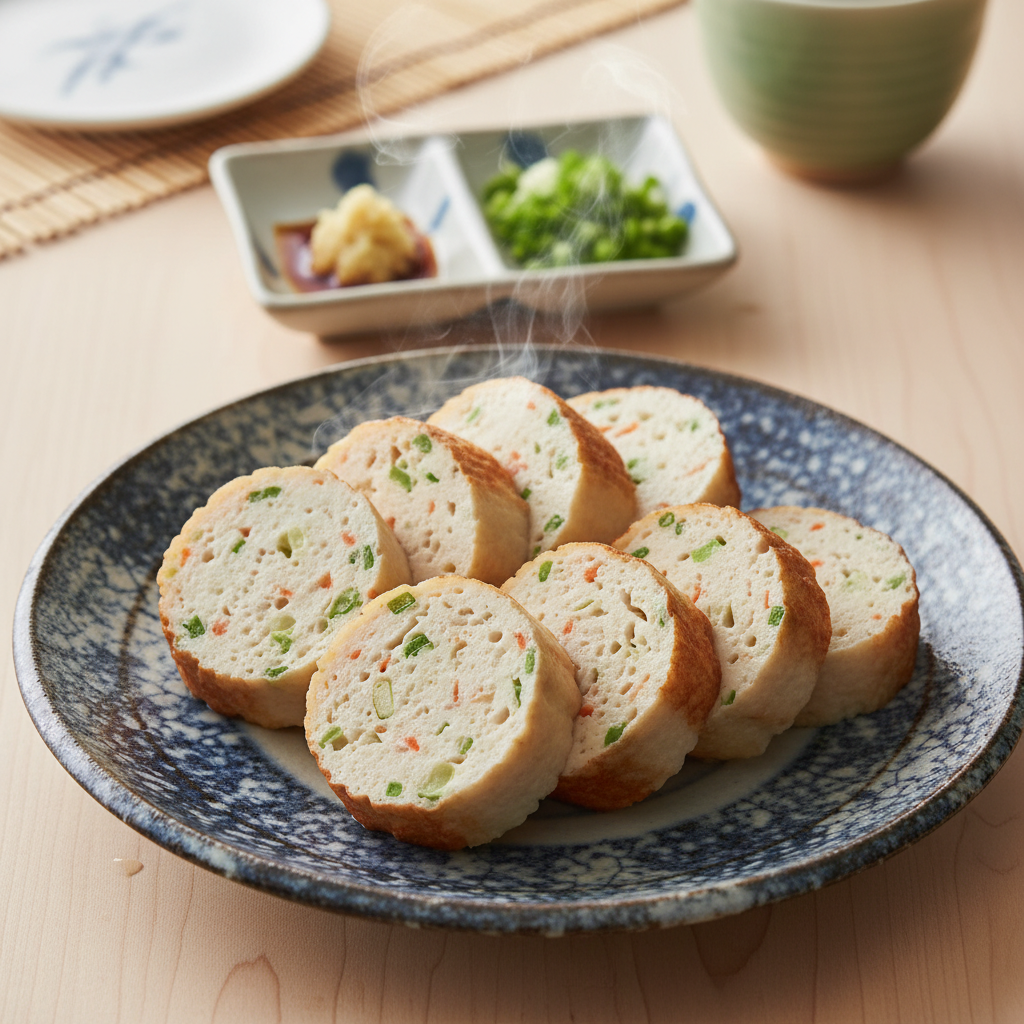
Tofu Chikuwa
A unique Tottori fish cake made by mixing fish paste with tofu, characterized by a healthy and gentle flavor.
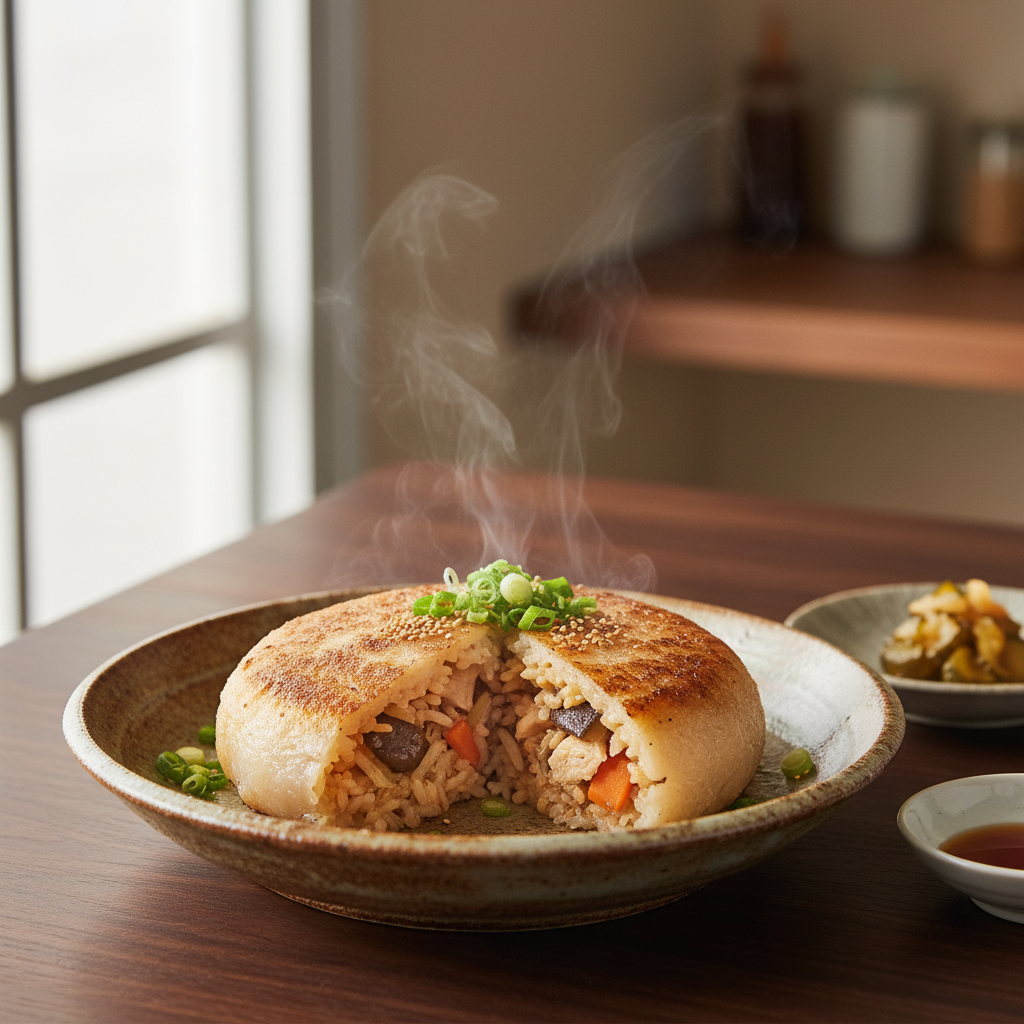
Daisen Okowa
Sticky rice cooked with ingredients from the foothills of Daisen Mountain, a local dish featuring mountain bounty.
Understanding Tottori’s Food Culture Through Kani Jiru
A Culture Living with Ocean’s Blessings
Tottori’s food culture is closely connected to the Sea of Japan’s abundant bounty. Kani jiru is emblematic of this, embodying the life wisdom of fishermen working in harsh winter seas.
The Spirit of Valuing Seasons
The limited fishing season for Seiko Crab demonstrates how Tottori’s people feel seasonal changes through food and cherish seasonal delicacies. Kani jiru, announcing the arrival of winter, continues to be loved in many households.
Transmission as Home Cooking
Kani jiru developed not as fine dining but as everyday home cooking in fishing towns. Passed down through generations from mother to daughter, this taste forms the foundation of Tottori’s food culture.
Recommended Times and Events for Tourism Visits
Best Season: November to December
To enjoy authentic kani jiru, November through early January, especially November and December when Seiko Crab fishing is in season, is recommended. This period coincides with peak fishing, and many restaurants offer kani jiru.
Sakaiminato Crab Appreciation Festival
A crab-related event is held annually in Sakaiminato in November. The event features fresh crab sales and kani jiru servings, drawing many tourists.
Tottori Crab Festival
Winter events themed around crabs are also held in Tottori City, with local restaurants offering signature crab dishes.
Tips for Enjoying Kani Jiru at Home
How to Obtain Seiko Crab
Even for those living outside Tottori, Seiko Crabs can be purchased during the fishing season through online shops and department store seafood counters. Direct-from-origin delivery services make it possible to enjoy fresh Seiko Crabs at home.
Enjoying with Substitute Ingredients
If Seiko Crab is unavailable, you can substitute with snow crab legs or blue crab. While the rich egg flavor cannot be replicated, the crab’s umami can still be enjoyed.
Cooking with Frozen Crab
For frozen Seiko Crab, thaw naturally before cooking. Rapid thawing causes umami loss; slow thawing in the refrigerator is key.
Nutritional Value and Health Benefits of Kani Jiru
Rich in Protein
Crab is an excellent high-protein, low-fat food. It aids muscle maintenance and immune system improvement.
Taurine Effects
Taurine found in crab is said to improve liver function and aid fatigue recovery.
B Vitamins and Minerals
Rich in vitamin B12, zinc, copper and other minerals, it offers benefits for anemia prevention and skin health.
Body-Warming Effects
As a hot soup combined with ginger, kani jiru effectively warms the body from the core—ideal for winter cold relief.
Conclusion – Kani Jiru Conveying Tottori’s Heart
Tottori’s local dish “kani jiru” transcends being mere food to become a cultural heritage conveying the Sea of Japan’s blessings, fishermen’s wisdom, the heart of valuing seasons, and family bonds.
The remarkably concentrated umami extracted from the tiny Seiko Crab is the crystallization of wisdom accumulated by Tottori’s people over many years. Embodying the essence of Japanese cuisine that values ingredients, this simple yet profound flavor speaks to the art of cooking.
While kani jiru has gained nationwide recognition through selection in the Ministry’s One Hundred Dishes, its true deliciousness can only be understood by tasting an authentic bowl made with fresh seasonal Seiko Crabs in Tottori itself.
When visiting Tottori in winter, please warm your body with hot kani jiru and fully savor the Sea of Japan’s blessings and Tottori’s food culture. We hope you will also enjoy Tottori’s flavors at home using this recipe, shared with family and friends.
The heart of Tottori and the sea’s blessings embodied in a single bowl of kani jiru—we hope many will come to know and pass down this local dish to future generations.