
Ago Chikuwa: Tottori Prefecture’s Proud Flying Fish Local Dish | Complete Explanation of History, How to Eat, and How to Purchase
What is Ago Chikuwa? The Traditional Taste Representing Tottori Prefecture
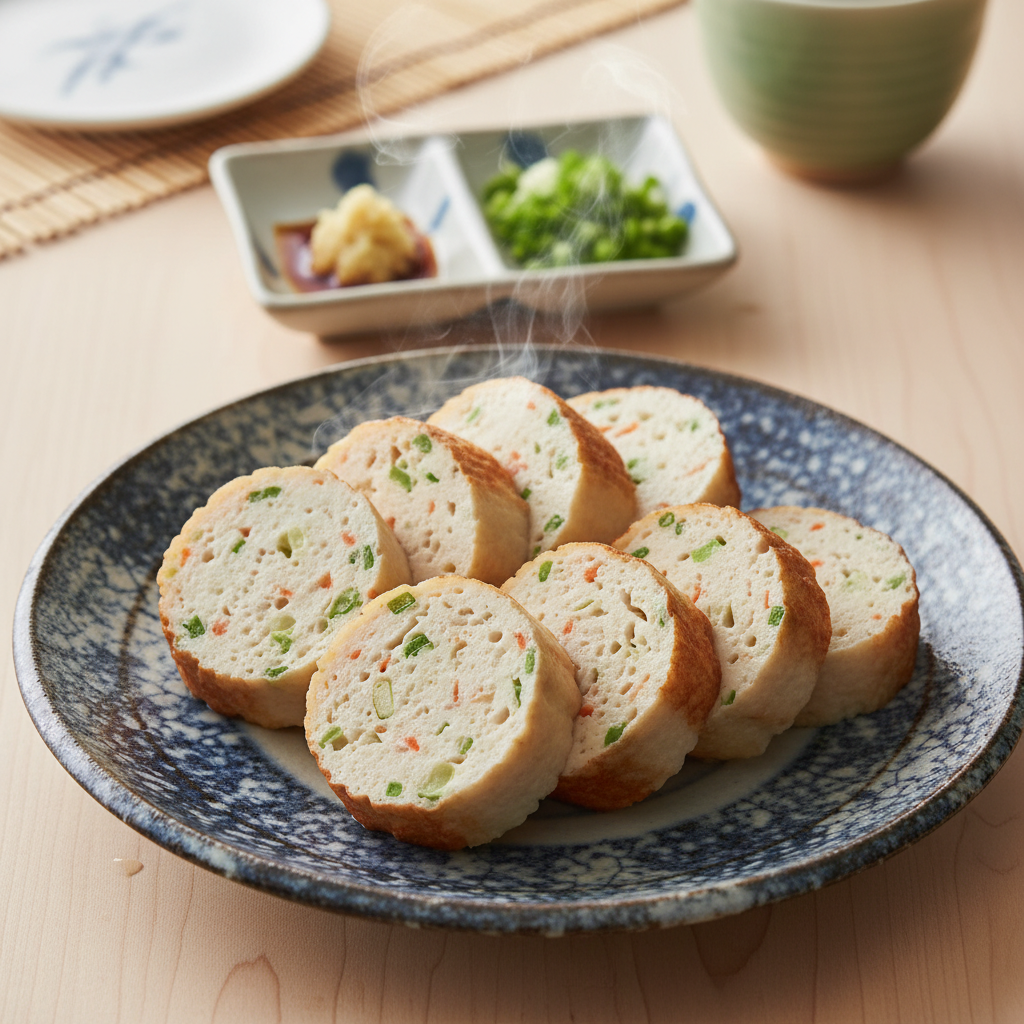
“Ago chikuwa” is one of Tottori Prefecture’s representative local dishes, a type of chikuwa (fish cake) made primarily from flying fish (locally called “ago”). Facing the Sea of Japan, Tottori Prefecture has a long history of flying fish fishing, and a food culture utilizing this fresh fish has taken root there.
While the main ingredients of ordinary chikuwa are white fish such as pollock, shark, and atka mackerel, ago chikuwa is made using flying fish surimi, creating a unique flavor and texture. The savory aroma of the grilled skin, the elastic chewiness, and the subtle yet deep umami are characteristic features, making it something of a soul food for local residents.
In Tottori Prefecture, “ago” is the common name for flying fish. Although there are various theories about the origin, one says it was named after the way flying fish leap out of the water with their chins (ago) protruding. The chikuwa made from this “ago” became known as “ago chikuwa” and developed into a local dish enjoyed throughout the Sanin region.
The Deep Connection Between Tottori Prefecture and Flying Fish (Ago)
The Rich Bounty of the Sea of Japan
Tottori Prefecture faces the Sea of Japan and is blessed with rich fishing grounds. Particularly from summer through autumn, when flying fish migrate to coastal waters, fish are landed at various fishing ports throughout the prefecture. At ports such as Sakaiminato and Akasaki, fresh flying fish are unloaded in steady succession and transformed into various seafood processed products by local processors.
Flying fish are low in fat and light-tasting, yet rich in umami components. This characteristic makes them ideal as chikuwa material, and when grilled, the savory quality stands out, creating a product where one can fully enjoy the fish’s natural flavor.
Position in Sanin Region Food Culture
In the Sanin region, ago chikuwa is manufactured not only in Tottori Prefecture but also in Shimane Prefecture, and has become widely established as a regional food culture. However, Tottori Prefecture is particularly known for active flying fish fishing and high production volume of ago chikuwa, recognized as a representative local dish of the prefecture.
Tottori’s food culture, blessed by the majestic Mount Daisen and the Sea of Japan, is rich and varied. In seafood, there exist diverse local dishes such as “gancha soup,” “red flatfish roe preparation,” “flying fish sushi,” “sardine dumplings,” and “squid koji pickle,” with ago chikuwa being a representative item deeply rooted in the region’s food life.
History, Origins, and Related Events of Ago Chikuwa
Inheritance of Traditional Manufacturing Methods
The manufacture of ago chikuwa has been conducted in coastal areas of Tottori Prefecture since ancient times. It is believed that processing technology for chikuwa developed from the Edo to Meiji periods, when flying fish fishing became prevalent, as a preservation method.
In traditional manufacturing, fresh flying fish meat is carefully ground into surimi, then mixed with salt and seasonings and kneaded. Afterward, it is shaped by wrapping around bamboo skewers and slow-grilled over charcoal or with specialized grilling equipment. This grilling process is a crucial point in creating ago chikuwa’s characteristic savory aroma and texture.
Seasonal Occasions and Times Rooted in the Community
Ago chikuwa is consumed year-round in Tottori Prefecture as part of daily eating habits. Rather than being a special occasion food, it is enjoyed as an essential ingredient at the everyday dinner table, and is widely used not only eaten plain but also as an ingredient in various dishes.
While flying fish fishing season is primarily summer through autumn, advances in freezing technology now enable stable year-round production and sales of ago chikuwa of consistent quality. However, ago chikuwa made from fresh flying fish caught during peak season is particularly flavorful and is enjoyed by locals as a seasonal taste.
Preservation and Succession Efforts
Several long-established food processors manufacturing ago chikuwa exist within Tottori Prefecture, continuing production while maintaining traditional methods. These businesses play an important role in passing on the region’s valuable food culture to future generations.
In recent years, various initiatives have been undertaken to raise awareness of ago chikuwa and expand its distribution channels. Internet sales, information sharing through SNS, product development as tourist souvenirs—modern methods are being adopted while efforts continue to deliver this traditional taste nationwide.
The Ministry of Agriculture, Forestry and Fisheries’ “Our Local Cuisine” project also introduces ago chikuwa as a representative local dish of Tottori Prefecture, with attention being paid to these efforts as part of documenting and promoting regional food culture.
Main Traditional Areas and Ingredients Used
Major Production Areas Within Tottori Prefecture
Ago chikuwa is enjoyed throughout Tottori Prefecture, but is particularly actively manufactured in coastal regions. In areas with fishing ports such as Sakaiminato City, Kotsuura Town (formerly Akasaki Town), and Yonago City, food processing industries utilizing fresh flying fish have developed, producing high-quality ago chikuwa using locally landed fish.
In eastern Tottori Prefecture (Inaba region), alongside ago chikuwa, there exists a unique local dish called “tofu chikuwa.” Tofu chikuwa is made primarily from tofu and white fish, is manufactured around Tottori City, and is regularly consumed in the eastern prefecture. These two types of chikuwa, representing Tottori’s food culture, continue to be loved by local residents.
Primary Ingredients and Raw Materials
The main ingredient of ago chikuwa is, of course, flying fish (ago). Flying fish are caught along the Sea of Japan coast from summer through autumn, and freshness is essential. By processing immediately after landing, one can maximize the fish’s natural umami and flavor.
In addition to flying fish surimi, salt, sugar, mirin, and sake are used as seasonings. Manufacturing methods vary among producers, but generally simple ingredients are used, with emphasis on bringing out the fish’s flavor.
Compared to ordinary chikuwa, ago chikuwa is characterized by flying fish’s distinctive lightness and refined umami. It offers a more delicate flavor and more elastic texture than regular chikuwa made with pollock.
Characteristics and Appeal of Ago Chikuwa
Unique Texture and Flavor
Ago chikuwa’s greatest characteristic lies in its texture and flavor. By using flying fish surimi, it has greater elasticity than ordinary chikuwa with firmer chewiness. As you bite into it, the fish’s umami spreads across your palate, while the savory aroma of the grilled skin stimulates the appetite.
The surface has a pleasant brown color, and this grilling degree determines the aroma and taste. The interior is soft with a moist texture, and the contrast with the crispy exterior is exquisite.
Nutritional Value and Health Benefits
Flying fish is a high-protein, low-fat fish gaining attention as a healthy ingredient. Ago chikuwa similarly contains abundant high-quality protein while being low in lipids, making it a healthful food.
It also contains unsaturated fatty acids such as DHA and EPA found in fish, providing nutrients beneficial for maintaining health. It contains calcium and B vitamins, making it a well-balanced source of nutritional intake.
How to Enjoy Ago Chikuwa: Delicious Ways to Eat It
Eating Plain
The simplest and most delicious way to enjoy ago chikuwa is to eat it plain. After purchase, simply remove it from the package, cut into bite-sized pieces, and eat to fully savor the fish’s natural umami and the savory aroma of the grilling.
Eating with wasabi soy sauce or ginger soy sauce further enhances the flavor. It is perfect as an appetizer, with excellent compatibility with sake and beer.
Lightly Grilled
Lightly grilling in a toaster oven or fish broiler makes the surface even more savory and can be enjoyed warm. Grilling causes the fish’s fat to melt out, creating a richer flavor. Topping with mayonnaise or seven-spice chili powder is also recommended.
Use as a Cooking Ingredient
Ago chikuwa can be utilized as an ingredient in various dishes.
Simmered dishes: When added to oden or simmered dishes, it becomes tender while absorbing the broth, and the fish’s umami dissolves into the cooking liquid, deepening overall flavor.
Stir-fries: Stir-fried with vegetables becomes a hearty side dish. Adding to kinpira or vegetable stir-fries is also recommended.
Salads: Thinly sliced and added to salads creates a healthy dish with protein.
Bento box side dish: Simply or lightly grilled and sliced, adding to a bento box creates a colorful, nutritionally balanced side.
Noodle dish ingredient: When used as an ingredient in udon or soba, the fish’s umami dissolves into the noodle broth, enhancing the taste.
Local Ways of Eating
In Tottori households, ago chikuwa regularly appears on the dinner table. It serves as a breakfast side, a children’s snack, and an appetizer for evening drinks, appearing in various settings.
Locally, thinly slicing ago chikuwa diagonally and making it into a vinegared dish with cucumber and cabbage is also popular. Its light taste makes it easy to eat even during summer when appetite wanes.
How to Purchase and Store Ago Chikuwa
Purchasing Within Tottori Prefecture
Ago chikuwa is widely sold in supermarkets, fish shops, souvenir stores, and similar establishments throughout Tottori Prefecture. Especially in coastal regions, purchasing directly from manufacturers is possible, allowing one to obtain freshly made ago chikuwa.
At major stations such as Tottori and Yonago, souvenir shops carry it and it is popular with tourists. It is sold in forms easy to carry, such as vacuum packs and refrigerated packs.
Purchasing via Online Shopping
Even from outside the prefecture, ago chikuwa from Tottori can be purchased through internet shopping. Many manufacturers operate their own online shops and offer nationwide shipping.
It is also available on major shopping sites such as Rakuten and Amazon, allowing comparison and purchase of products from multiple manufacturers. Shipped via refrigerated or frozen courier, it arrives home in fresh condition.
Storage Methods and Expiration Dates
Ago chikuwa is a refrigerated food product. After purchase, store in the refrigerator and consume within the expiration date. The typical expiration date is approximately five days from manufacture, though this varies by product, so check the package label.
For longer storage, freezing is possible. Wrap each piece individually in plastic wrap, place in a freezer storage bag, and store in the freezer for approximately one month. When thawing, slowly thaw in the refrigerator or use a microwave’s defrost function.
Differences from Tofu Chikuwa
Tottori Prefecture also has a unique local dish called “tofu chikuwa” alongside ago chikuwa. These two are known as Tottori’s two major chikuwa types, each with distinct characteristics.
Characteristics of Tofu Chikuwa
Tofu chikuwa, made primarily from tofu and white fish, is produced and consumed mainly in eastern Tottori Prefecture (Inaba region). It is said to have originated in the late Edo period when, under frugality orders by the Tottori domain, fish was scarce, so tofu was mixed in to stretch ingredients.
The inclusion of tofu creates a softer, fluffier texture than ordinary chikuwa. Its light taste is mild, making it easy to combine with various dishes.
Regional Use Distinctions
Within Tottori Prefecture, tofu chikuwa is predominant in the east while ago chikuwa is mainstream in the west and center, showing regional differences. Currently, however, both circulate throughout the prefecture and are used according to preference and cuisine.
Both are representative local dishes of Tottori Prefecture, symbolizing the wealth of regional food culture.
Connections with Other Tottori Local Dishes
Tottori Prefecture, surrounded by the Sea of Japan and Mount Daisen, is blessed with a rich natural environment, resulting in diverse local dishes utilizing both sea and mountain bounty.
Local Dishes Using Ocean Bounty
Gancha soup: A miso soup using crab meat and organs, characterized by rich umami.
Red flatfish roe preparation: A simmered dish using red flatfish eggs, offering a pleasantly crunchy texture.
Flying fish sushi: Pressed sushi made from flying fish, enjoyed as a winter taste.
Sardine dumplings: A dish of sardine surimi formed into dumplings and simmered.
Squid koji pickle: A preserved food made by pickling squid in koji, with distinctive flavor.
Along with these ocean-product-based local dishes, ago chikuwa also represents the sea’s bounty in Tottori Prefecture, forming part of the region’s food culture.
Local Dishes Using Mountain Bounty
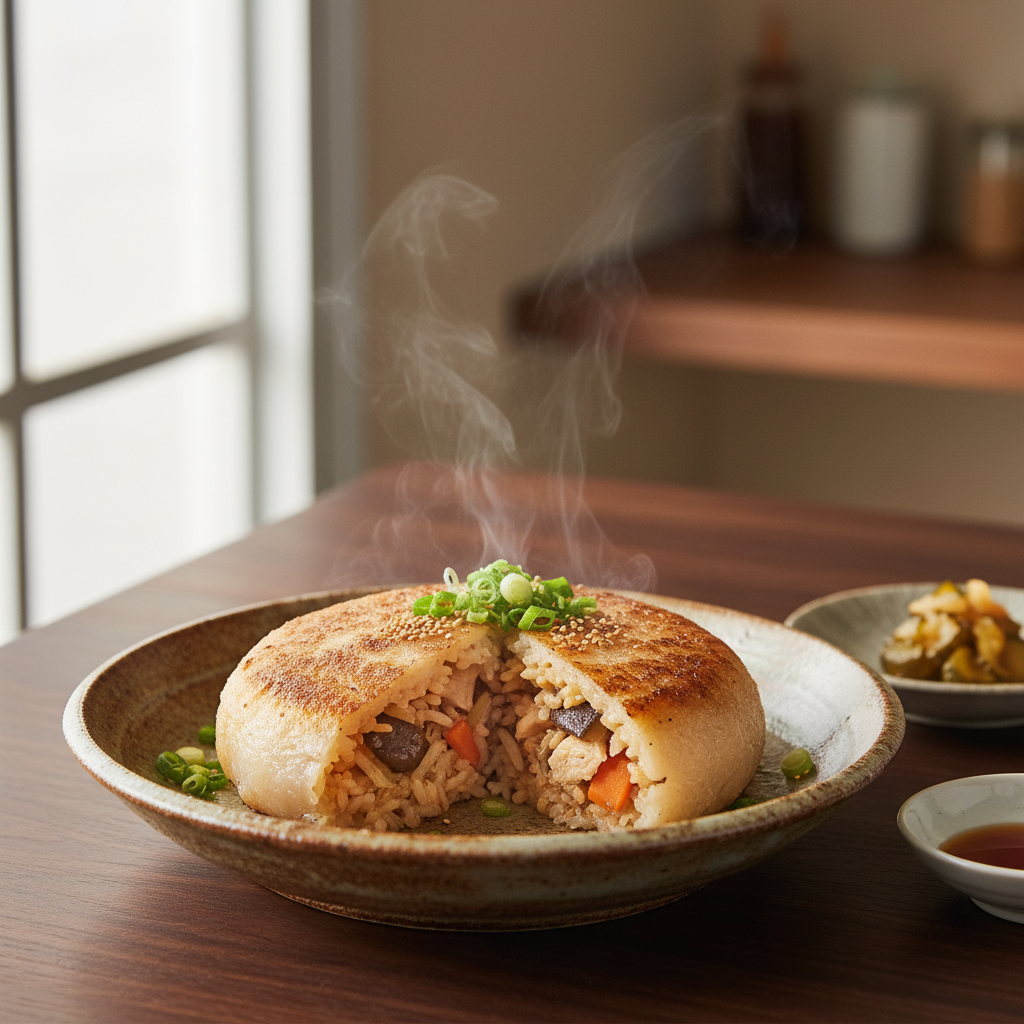
Daisen okowa: A soy-flavored rice dish with glutinous rice using ingredients from the Daisen foothills, representing the local cuisine of the western prefecture. Using mountain vegetables, vegetables, and chicken, the ingredients vary by household.
In this way, Tottori’s local dishes are closely connected to the region’s natural environment, with each dish reflecting the area’s history and lifestyle.
Trivia for Enjoying Ago Chikuwa
The Origin of the Flying Fish (Ago) Name
There are various theories about why flying fish are called “ago” in Tottori Prefecture. The most credible theory is that it was named after the posture flying fish take when leaping from the sea surface, appearing to thrust out their chins (ago).
Another theory suggests it was named for the flying fish’s developed, distinctive jaw. In any case, it remains a beloved local name used continuously over time.
Ago Chikuwa and Dashi Culture
In the Sanin region, “ago dashi” (broth made from flying fish) is also famous. Particularly in Nagasaki and Shimane prefectures, broth made from grilled flying fish is indispensable to local cuisine.
Ago chikuwa is deeply related to this dashi culture and has developed as a processed product that leverages flying fish’s umami. Adding ago chikuwa to simmered dishes or oden releases fish umami into the broth, deepening the overall flavor—an effect of this dashi.
Flavor Differences Among Manufacturers
Multiple ago chikuwa manufacturers exist within Tottori Prefecture, each with unique manufacturing methods and seasonings. Flying fish mixture ratios, seasoning balance, grilling degree, and other factors vary subtly, and comparing flavors reveals individuality.
Local residents have favorite manufacturers, with each household purchasing their preferred ago chikuwa. When visiting as a tourist, comparing products from multiple manufacturers is one enjoyable approach.
Tourism and Food Culture Experience
Tourist Spots for Enjoying Ago Chikuwa
When visiting Tottori Prefecture, ago chikuwa can be enjoyed at local restaurants and izakayas. Particularly at dining establishments near fishing ports, fresh ago chikuwa is often on the menu, allowing one to experience local ways of eating.
Near Sakaiminato City’s “Mizuki Shigeru Road” and tourist areas close to Tottori Sand Dunes, ago chikuwa can be purchased and sampled at souvenir shops and restaurants.
Factory Tours and Experience Programs
Some manufacturers offer factory tours and manufacturing experience programs. One can observe ago chikuwa production up close and learn artisans’ techniques—a valuable opportunity.
Advance reservations are often required, so those interested should contact respective manufacturers’ websites or tourism associations.
Summary: Ago Chikuwa Supporting Tottori’s Food Culture
Ago chikuwa is a local dish resulting from the convergence of Tottori Prefecture’s abundant sea bounty and food processing techniques developed over many years. Utilizing flying fish, a region-specific ingredient, this food with its simple yet profound flavor has become an indispensable part of local residents’ daily lives.
While maintaining traditional manufacturing methods, ago chikuwa has also adopted modern sales approaches, playing a role in promoting Tottori’s food culture nationwide. Now easily purchasable through online shopping, the taste of Tottori can be enjoyed at home by those outside the prefecture.
When visiting Tottori Prefecture, be sure to taste ago chikuwa. It can be enjoyed in various ways, whether eaten plain or as a cooking ingredient. Experiencing regional food culture allows one to feel Tottori’s appeal more deeply.
Ago chikuwa is not merely food but a precious local dish containing Tottori’s history, nature, and people’s lives. We hope this traditional taste continues to be passed to future generations and loved by many.