
Goma Tofu (Local Cuisine of Wakayama Prefecture) – History and Traditional Flavors of Koyasan Shojin Cuisine
Goma tofu, a representative local dish of Wakayama Prefecture, is a flagship example of shojin (Buddhist vegetarian) cuisine that has been passed down for approximately 1200 years at Koyasan. Despite having “tofu” in its name, it is a unique dish made primarily from sesame seeds and kudzu starch rather than soybeans, and has been carefully preserved and transmitted to the present day as a valuable source of nutrition for monks in training and as part of the region’s food culture.
What is Goma Tofu (Goma Tofu)?
Goma tofu is a representative local dish of Wakayama Prefecture that developed as a form of shojin cuisine. Although it is called “tofu,” its manufacturing process and ingredients differ completely from ordinary tofu. The main ingredient is sesame seeds, which are combined with Yoshino kudzu or hon-kudzu and water, then carefully kneaded and hardened.
It is characterized by a unique mochi-like texture and rich sesame flavor. For training monks who did not consume meat or fish as part of shojin cuisine, it served as an important source of high-quality protein, lipids, and minerals. Today, goma tofu is served in temple lodgings and shojin restaurants on Koyasan, as well as being widely sold as a souvenir, and has become rooted in the region as a representative food culture of Wakayama Prefecture.
History, Origins, and Related Events
Kobo Daishi Kukai and the Founding of Koyasan
The history of goma tofu begins with Kobo Daishi Kukai founding Koyasan in 816 (Konin 7). It is said that when Kukai studied Buddhism in China (Tang Dynasty), he also acquired techniques of shojin cuisine and brought them back to Japan. Koyasan became a sacred site of Shingon Buddhism and a place of strict training, and the cuisine served there centered on shojin dishes in accordance with Buddhist precepts.
Development as Shojin Cuisine
Monks training at Koyasan were unable to eat meat or fish according to Buddhist teachings. Therefore, they needed to obtain sufficient nutrition from plant-based foods, and ingredients high in nutritional value like sesame seeds were highly valued. Sesame is rich in high-quality lipids and protein, making it a precious source of nutrition to support the physical strength consumed by training.
Goma tofu was born in this context and became an indispensable dish in Koyasan shojin cuisine over approximately 1200 years. Even today, it is a standard shojin dish served at Zen temples, including Koyasan, and its traditional manufacturing method is preserved.
Spread to the Local Region and Food Culture
Although goma tofu was initially eaten only among the monks at Koyasan, it gradually spread to pilgrims and local residents. People who visited Koyasan were enchanted by its flavor and began taking it home as a souvenir, leading to its recognition as a local dish throughout Wakayama Prefecture.
Main Areas of Transmission
Goma tofu is known throughout Wakayama Prefecture, but is particularly transmitted in the following areas.
Koyasan (Ito District, Koya Town)
Koyasan, the birthplace of goma tofu, remains the center of goma tofu culture today. There are numerous goma tofu specialty shops and manufacturing facilities on Koyasan, each preserving their own unique manufacturing methods and flavors. Shojin cuisine at temple lodgings almost always includes goma tofu, which is served to pilgrims and tourists.
Wakayama City and Other Areas of the Prefecture
Spreading from Koyasan, goma tofu is now sold at supermarkets and roadside stations throughout Wakayama City and the prefecture. It has become established as a home-cooked dish and is a familiar item that appears on dining tables daily. It is also served at restaurants throughout the prefecture and is widely recognized as a representative food culture of Wakayama Prefecture.
Spread Nationwide
As shojin cuisine, goma tofu is made not only in Wakayama Prefecture but also in temples throughout Japan, including Nara, Yamagata, Fukui, Shiga, and Saga prefectures. However, goma tofu from Koyasan, as the birthplace and for the perfection of its manufacturing method and flavor, holds a special position.
Main Ingredients Used
The manufacture of goma tofu uses carefully selected materials.
Sesame (Goma)
White sesame is the main ingredient typically used. In the traditional method at Koyasan, sesame is used raw without roasting. The skin is carefully removed to maximize the original flavor of the sesame. Sesame has extremely high nutritional value and is rich in high-quality lipids, protein, vitamin E, calcium, iron, and other nutrients.
Kudzu Starch (Kuzu Ko)
Kudzu starch is what creates the mochi-like texture of goma tofu. Yoshino kudzu (from Nara Prefecture) is particularly prized as a premium product, though hon-kudzu is also used. Kudzu starch is starchy and becomes smooth with a translucent quality when heated; combined with sesame, it creates a unique texture.
Water
Clear water from Koyasan is used. Water quality is an important factor influencing the taste of goma tofu, and water nurtured by Koyasan’s abundant nature enhances the flavor of goma tofu.
Other Ingredients
Some manufacturers add a small amount of salt, but traditionally the method avoids seasonings and additives, instead bringing out the umami and nutrition of sesame as they are.
Ingredients (for 5 servings)
The basic ingredients for making goma tofu at home are as follows.
- White sesame (raw): 100g
- Kudzu starch (Yoshino kudzu or hon-kudzu): 50g
- Water: 500ml
- Salt: a small amount (to taste)
Garnishes and condiments:
- Wasabi soy sauce, or
- Ginger soy sauce, or
- Yuzu miso
Preparation Method
The traditional manufacturing method of goma tofu is characterized by careful work that takes time and effort.
Preparation
- Removing sesame skin: Soak raw white sesame in water and carefully remove the skin. This step is crucial to the flavor.
- Draining: Place the sesame with skin removed in a colander and drain the water thoroughly.
Cooking Process
- Grinding: Place the sesame in a mortar and grind carefully until it becomes a smooth paste. The traditional method may take over 30 minutes for this step. In modern times, a food processor or mixer may be used.
- Adding water: Gradually add water to the ground sesame while mixing well. It is important to mix carefully so that the sesame’s flavor transfers to the water.
- Straining: Strain through cheesecloth or gauze to extract the sesame juice. Squeeze the remaining residue thoroughly to extract all sesame components.
- Dissolving kudzu starch: Dissolve kudzu starch in a small amount of water in a separate container. The key is to dissolve it carefully without lumps.
- Heating: Place the sesame juice and dissolved kudzu starch in a pot and heat over low heat. Continuously stir with a wooden spatula or rice paddle while heating slowly.
- Kneading: As viscosity gradually increases, continue kneading with more force. Continue kneading for about 20-30 minutes until it becomes translucent and develops a mochi-like elasticity. This step is the most important and determines the texture of goma tofu.
- Molding: Once sufficiently kneaded, pour into a water-dampened mold or container. Level the surface and let cool slightly.
- Cooling: Refrigerate for 2-3 hours to firm up. When thoroughly chilled, the unique mochi-like texture is complete.
Plating
- Cut into appropriate sizes and arrange on a plate. Top with wasabi soy sauce, ginger soy sauce, or yuzu miso and similar condiments to finish.
Eating Method
Basic way of eating
Goma tofu is typically enjoyed by adding condiments to appreciate its simple flavor.
Wasabi soy sauce: The most popular way to eat it. The sesame flavor and wasabi’s spiciness match perfectly.
Ginger soy sauce: The fresh flavor of ginger brings out the richness of goma tofu.
Yuzu miso: One of the traditional ways of eating it at Koyasan. The aroma of yuzu and the depth of miso deepen the flavor of goma tofu further.
Salt: Eating it with just salt allows one to most purely taste the original flavor of sesame.
Modern Arrangements
In recent years, in addition to traditional ways of eating, various arrangements are also enjoyed.
- Dessert-style with brown sugar or kinako (roasted soybean flour) sprinkled on top
- As a salad topping
- As an ingredient in miso soup
- Dengaku-style with miso spread on and grilled
Differences in taste by temperature
It is typically eaten chilled, though it can also be eaten warm. When warmed, it becomes softer and the sesame aroma is more pronounced. Depending on the season and preference, it can be enjoyed at different temperatures.
Opportunities and Seasons for Eating
Positioning as everyday food
Goma tofu is not limited to specific events or seasons and is eaten year-round. At temple lodgings on Koyasan, it is included in daily shojin cuisine, and it is constantly sold at local supermarkets, making it a familiar dish that regularly appears on dining tables.
Role as shojin cuisine
At Buddhist events and memorial services, goma tofu is always prepared as part of shojin cuisine. Especially at Koyasan, it is served at various Buddhist events held throughout the year.
As a souvenir and gift
For pilgrims and tourists visiting Koyasan, goma tofu is a standard souvenir. Many vacuum-packed and refrigerated products are sold, and it is widely known nationally as a specialty product representing Wakayama Prefecture.
Seasonal ways of enjoying it
In summer, it is enjoyed chilled as a refreshing dish; in winter, it is heated to warm the body, allowing for seasonal variations in how it is enjoyed.
Nutritional Value and Health Benefits
Goma tofu, having served as a nutritional source for training monks in shojin cuisine, is an extremely nutritious dish.
Nutritional components of sesame
High-quality lipids: Most of the lipids in sesame are unsaturated fatty acids, particularly rich in linoleic acid and oleic acid. These are said to have the effect of lowering blood cholesterol.
Protein: Contains high-quality plant-based protein and serves as an important nutritional source in shojin cuisine where animal protein is not consumed.
Vitamins and minerals: Rich in vitamin E, calcium, iron, zinc, magnesium, and other nutrients.
Sesamin: Sesamin, a compound unique to sesame, has antioxidant effects and is said to help prevent aging and improve liver function.
Good digestibility and absorption
Kudzu starch is easily digestible and gentle on the stomach. Additionally, making sesame into a paste increases the absorption rate of nutritional components.
Compatibility with modern health consciousness
The characteristics of goma tofu—100% plant-based, gluten-free, and free of additives—make it compatible with modern health-conscious eating and vegetarian and vegan diets, attracting new attention.
Preservation and Transmission Efforts
Transmitters and specialty shops
There are several long-established specialty shops at Koyasan that have passed down goma tofu making through generations. Specialty shops including Kakuhama Goma Tofu Sohonten continue to manufacture high-quality goma tofu while preserving traditional methods. These shops provide traditional flavors made with care by skilled craftsmen.
Transmission through temple lodgings
Goma tofu continues to be served at temple lodgings on Koyasan as part of shojin cuisine. Guests staying at these lodgings, whether pilgrims or tourists, can experience traditional shojin cuisine, which greatly contributes to the transmission and dissemination of food culture.
Commercialization and modern initiatives
Vacuum-packed products: The development of long-lasting vacuum-packed products has made distribution nationwide possible.
Online shops: Through internet shopping, goma tofu from Koyasan can now be purchased from anywhere in Japan.
New product development: In addition to traditional goma tofu, new products have been developed, including those using black sesame, matcha versions, and dessert types.
Experience workshops: Some shops and facilities hold goma tofu-making workshops to promote knowledge of the manufacturing method and transmission of food culture.
Support from government
Goma tofu has been selected for the Ministry of Agriculture, Forestry and Fisheries’ “Our Local Cuisine” project, and efforts to recognize and preserve it as a local dish are advancing through public institutions. Wakayama Prefecture also supports the preservation and transmission of goma tofu as a regional food culture.
Utilization as a tourism resource
Koyasan is registered as part of the UNESCO World Heritage site “Sacred Sites and Pilgrimage Routes in the Kii Mountain Range,” attracting many visitors from Japan and abroad. Goma tofu, as a representative dish of Koyasan’s food culture, holds an important place as a tourism resource.
Information dissemination through SNS
Specialty shops and regional tourism associations use SNS to disseminate the appeal of goma tofu. Beautiful plating, manufacturing processes, and suggestions for how to eat are introduced on Instagram, Facebook, Twitter, and other platforms, contributing to increased awareness among younger generations.
Relationship with other local dishes of Wakayama Prefecture
Wakayama Prefecture has various local dishes nurtured by its abundant nature in addition to goma tofu.
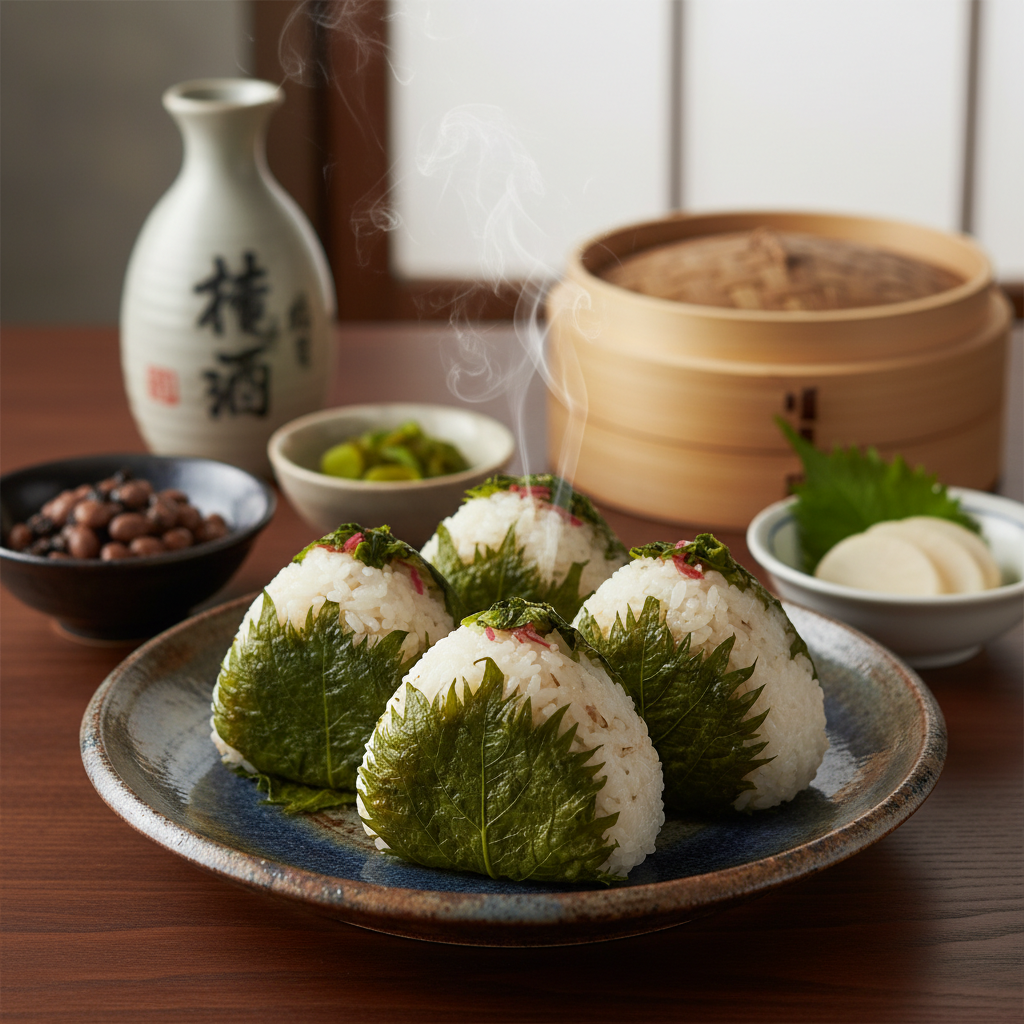
Mehari sushi: Onigiri wrapped in takana (mustard greens), which developed as portable food for forestry and agricultural workers.
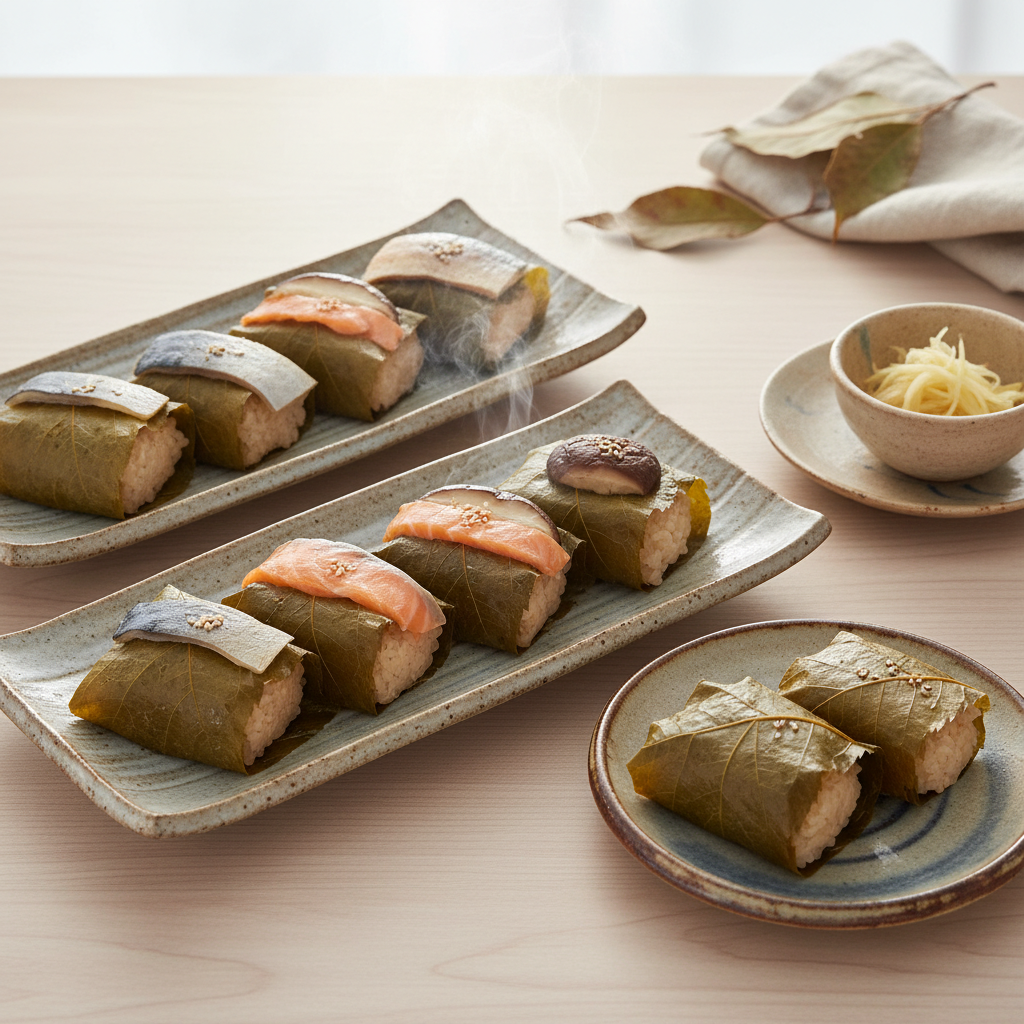
Saury sushi: A local dish from the Kumano region, oshi-sushi made with salt-preserved saury.
Uzumi: Clear soup made with dashi from shiitake mushrooms and kombu, with tofu and shiitake mushrooms, with rice buried underneath, a ceremonial dish for memorial services.
Tea porridge: Porridge cooked with tea, widely eaten as everyday food.
These local dishes are each deeply connected to the region’s history, topography, and industries, forming Wakayama Prefecture’s rich food culture. Goma tofu is a special existence among them, with a unique cultural background of shojin cuisine.
Places to enjoy goma tofu
On Koyasan
Temple lodgings: At 52 temple lodgings on Koyasan, goma tofu can be enjoyed as part of shojin cuisine. Guests can experience traditional shojin cuisine at breakfast and dinner.
Specialty shops: Kakuhama Goma Tofu Sohonten and several other specialty shops are located on Koyasan, where dining and purchases are possible.
Shojin restaurants: There are restaurants serving shojin cuisine on Koyasan where you can enjoy goma tofu as part of shojin cuisine at lunch or dinner.
Throughout Wakayama Prefecture
Roadside stations: Goma tofu from Koyasan is sold at roadside stations throughout the prefecture.
Supermarkets: Goma tofu is regularly available for purchase at supermarkets throughout the prefecture.
Department stores: Department stores in Wakayama City carry premium goma tofu for gifting purposes.
Online purchase
Many specialty shops on Koyasan have opened online shops, making it possible to purchase authentic goma tofu from anywhere in Japan.
Conclusion
Goma tofu, a local dish of Wakayama Prefecture, is a flagship example of shojin cuisine that has been passed down for approximately 1200 years at Koyasan, founded by Kobo Daishi Kukai. Born as a precious nutritional source for training monks, it is now widely enjoyed as part of the region’s food culture.
Made from simple ingredients—sesame seeds, kudzu starch, and water—goma tofu is characterized by its unique mochi-like texture and rich sesame flavor and is an extremely nutritious dish. While traditional manufacturing methods are preserved at specialty shops and temple lodgings, commercialization and modern initiatives have made it widely known throughout Japan.
When visiting Koyasan, be sure to taste authentic goma tofu and experience 1200 years of history and tradition. You can also purchase it as a souvenir and enjoy Wakayama’s food culture at home. Goma tofu is a precious local dish that transmits Japan’s shojin cuisine culture and regional food culture to the present day.