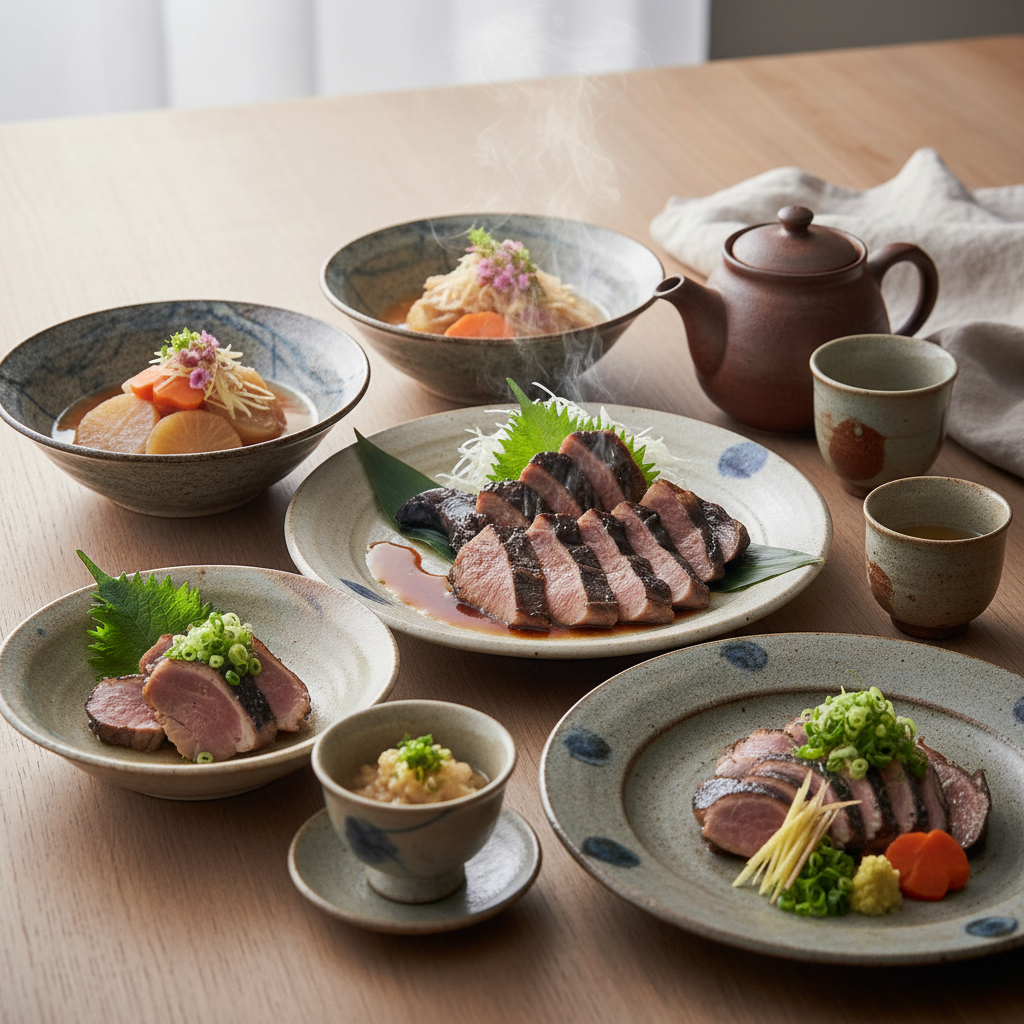

Narezushi (Aged Sushi) Complete Guide: History, How to Make, and How to Enjoy This Traditional Local Dish of Wakayama Prefecture
What is Narezushi: The Prototype of Japan’s Oldest Sushi
Narezushi (aged sushi/fermented sushi) is a traditional Japanese preserved food made by fermenting fish with salt and cooked rice for an extended period, and is a fermented food in a completely different form from the hand-formed sushi of today. It is a local dish that has been passed down through the Kii Peninsula region, including Wakayama Prefecture, and its history spans more than 1,000 years.
“Nare” means to become accustomed or to mature, expressing how fermentation progresses over time and creates unique flavors. It is characterized by the sourness and umami created through lactic acid fermentation of fish and rice, and a distinctive aroma. While preferences vary, many people are fascinated by its deep taste. It is a food culture that divides opinions.
Modern sushi is called “hayazushi” (quick sushi), a form that developed in the Edo period, but narezushi is far older than that. It is a precious food culture heritage that conveys to the present day the prototype of “sushi” that was made throughout Japan from the Nara period through the Heian period.
History and Cultural Background of Narezushi in Wakayama Prefecture
A Tradition from Ancient Times
In Wakayama Prefecture, particularly in the Kinan region, narezushi is more than just food. Historical documents from the Heian period mention narezushi from Kishu (present-day Wakayama Prefecture), and it was also treasured as an offering to the imperial court.
During the era when pilgrimage to the three shrines of Kumano was popular, it served as a valuable source of protein for those visiting the Kumano Kodo trail. Along the coast of the Kii Peninsula, blessed with maritime bounty, the technology for making narezushi developed as wisdom for long-term preservation of abundantly caught fish.
Connection with Regional Society
In Wakayama Prefecture, narezushi is positioned as an indispensable dish for festivals and special events. It most often appears on family tables during important times of the year such as summer festivals, Obon, and New Year, becoming a taste passed down across generations.
What characterizes Wakayama’s narezushi culture is that production methods, fish used, and fermentation periods differ depending on each household and region, and it is made and passed down with pride as “our family’s taste.”
The Method of Making Narezushi: Details of Traditional Production
Types of Fish Used
The fish most commonly used in narezushi from Wakayama Prefecture are:
Mackerel (Saba)
The most popular ingredient, with excellent balance between fat content and umami from fermentation. Narezushi made with autumn mackerel in particular is considered exceptional.
Sweetfish (Ayu)
Narezushi made with sweetfish caught in clean streams is characterized by its refined flavor. By pickling with the internal organs left in, a unique bitterness and umami are added.
Saury (Sanma)
A popular ingredient alongside mackerel. High in fat, it develops a mellow taste through fermentation.
Other Fish
Sardines, horse mackerel, and eel are also used in some regions.
Basic Production Process
1. Fish Preparation (Salt Curing)
Once fresh fish is obtained, first remove the internal organs (though in the case of sweetfish, they are sometimes left in), and clean thoroughly. Then, apply salt equal to 20-30% of the fish’s weight, arrange in a barrel or container, and place a weight on top. This salt-curing period typically lasts two to four weeks.
The salt-curing removes moisture from the fish, increasing its shelf life and preparing it for subsequent fermentation.
2. Desalting
Remove the sufficiently salt-cured fish and soak in fresh water to remove the salt. This process is done for several hours to overnight, adjusting until the fish reaches the right salt level when pressed with a finger. Insufficient desalting makes it too salty, while over-desalting increases the risk of decay, so this step requires experience and intuition.
3. Rice Pickling (Main Fermentation)
Cool cooked rice (cooked somewhat firm) and mix in salt. Spread rice on the bottom of a barrel, arrange fish on top, and cover with rice. Repeat this process, with a thicker layer of rice on top. Fill the inside of the fish’s belly with rice as well, so fermentation proceeds from the inside.
Finally, place a weight on top and allow to ferment in a cool place.
4. Fermentation and Aging
The fermentation period varies depending on temperature and preference, but typically ranges from one to six months. Short-term fermentation produces a relatively mild taste, while long-term aged products are characterized by intense aroma and deep umami.
As fermentation progresses, the sugar in the rice undergoes lactic acid fermentation, creating sourness. This lactic acid increases shelf life and forms the distinctive flavor.
Changes in Production Methods in Modern Times
Since traditional methods are very time-consuming, simplified methods have become common in modern times. Some producers shorten fermentation periods or adjust temperature control to create products that are easier to make and have a more approachable taste.
However, craftspeople and households that preserve tradition still adhere to traditional methods today, carefully creating narezushi over extended periods.
Nutritional Value and Health Benefits of Narezushi
Value as a Fermented Food
Narezushi is a fermented food, and many beneficial microorganisms work during its production. Fermentation by lactic acid bacteria provides the following health benefits:
Intestinal Regulation by Lactic Acid Bacteria
Lactic acid bacteria created through fermentation help regulate the intestinal environment and aid digestion.
Protein Breakdown
During fermentation, proteins are broken down into amino acids, making them easier to digest and absorb.
Vitamin B Generation
Fermentation increases B vitamins, which help with fatigue recovery and metabolic promotion.
Improved Shelf Life
The acidic environment created by lactic acid suppresses the growth of harmful bacteria, making it a valuable preserved food in the era before refrigeration.
Nutrients from Fish
The fish used (particularly mackerel and saury) are rich in omega-3 fatty acids such as DHA and EPA. These are said to be beneficial for maintaining cardiovascular health and supporting brain function.
Additionally, high-quality protein, calcium, and vitamin D can also be obtained, making it a nutritionally well-balanced food.
Points of Caution
On the other hand, narezushi is a relatively high-sodium food, so those with conditions like high blood pressure should be careful about intake. Also, the strong aroma and taste characteristic of fermented foods can be intense for first-time eaters.
How to Eat Narezushi and Ways to Enjoy It
Basic Ways to Eat
Narezushi often has rice that has become porridge-like through fermentation, so the traditional style is to eat the fish along with the rice.
Eat as is
The simplest way. Slice thinly and savor together with the fermented rice. You can fully enjoy its distinctive sourness and umami.
As ochazuke (tea over rice)
Thinly slice narezushi, place on warm rice, and pour tea or broth over it. The strong fermented aroma becomes milder and easier to eat.
As a sake snack
It pairs exceptionally well with Japanese sake. When combined with dry sake or shochu, narezushi’s umami stands out.
Combinations with Condiments
Condiments to soften the strong flavor of narezushi and enjoy it more:
- Grated daikon: Its sourness and spiciness neutralize the oiliness of narezushi
- Fresh ginger: Its aroma and spiciness freshen the palate
- Green onion: When added as a garnish, it enhances the flavor
- Vinegar: Added sourness makes it easier to eat
Modern Arrangements
In addition to traditional ways of eating, various arrangements have been attempted in modern times:
- Sliced thinly carpaccio-style and drizzled with olive oil
- Combined with cream cheese as crudités
- Used as a pasta ingredient
- As a salad topping
These arrangements are more easily accepted by younger generations unfamiliar with narezushi, demonstrating new possibilities for traditional food.
Places to Enjoy Narezushi in Wakayama Prefecture
Specialty Shops and Restaurants
Throughout Wakayama Prefecture, particularly in the Kinan region (Tanabe City, Shingu City, Kushimoto Town, etc.), there are restaurants and specialty shops that serve narezushi. At long-established sushi shops and local cuisine restaurants, you can enjoy narezushi made using traditional methods.
For tourists, some restaurants offer assortments of local dishes including narezushi, making it easy for first-timers to try.
Rest Areas and Local Product Shops
At rest areas and local product shops throughout Wakayama Prefecture, you can sometimes purchase narezushi made locally. Many products are sold vacuum-packed and are popular as souvenirs.
Particularly at rest areas near the Kumano Kodo, narezushi is sold as a local specialty, and many tourists purchase it as a travel memory.
Festivals and Events
At local festivals and food events, narezushi tastings and sales are sometimes held. Events themed around narezushi, such as the “Kumano River Narezushi Festival,” are held where you can enjoy demonstrations of production methods and taste comparisons.
Comparison of Narezushi with Fermented Sushi from Other Regions
Aged Sushi Culture Throughout Japan
Narezushi exists not only in Wakayama Prefecture but also as similar fermented sushi cultures throughout Japan:
Funa Sushi (Crucian Carp Sushi) from Shiga Prefecture
A fermented sushi made with crucian carp from Lake Biwa, comparable to narezushi as a representative aged sushi in Japan. Long-term aging of over a year is characteristic, with an extremely intense aroma and taste.
Kabura Sushi from Ishikawa Prefecture
A fermented sushi made with yellowtail and turnip. Characterized by a mild taste resulting from relatively short fermentation.
Hatahata Sushi from Akita Prefecture
A fermented sushi made with hatahata fish. Using rice and koji produces a sweet-tasting result.
Characteristics of Wakayama’s Narezushi
Narezushi from Wakayama Prefecture is said to have a relatively well-balanced taste among these. Using ocean fish, it has different flavor from river fish sushi like funa-zushi, and most fermentation periods are moderate, making it easier for those trying aged sushi for the first time to attempt. Additionally, with diverse varieties of fish used—mackerel, saury, and sweetfish depending on the season and region—enjoying various iterations is a charm of Wakayama’s narezushi.
Storage Methods and Shelf Life of Narezushi
Home Storage
Since narezushi is a fermented food, it can be stored for relatively long periods if kept properly:
Refrigerated Storage
After purchase or production, store in the refrigerator. Place in an airtight container or wrap securely with plastic wrap to prevent air contact. For refrigerated storage, one to two weeks is the guideline, though fermentation progresses and flavor changes.
Frozen Storage
Freezing is possible for long-term storage. Divide into portions, wrap in plastic wrap, and store in a freezer bag. When eating, thaw slowly in the refrigerator.
Fermentation Progress During Storage
Narezushi continues to ferment while stored. As time passes, sourness intensifies and aroma becomes more potent. Depending on preference, you can choose to eat it early or allow it to age further.
After opening, contact with air increases risk of oxidation and contamination by harmful bacteria, so it is recommended to eat it quickly.
Tips for Making Narezushi at Home
Advice for Beginners
It is possible to make narezushi at home, though there are several precautions:
Thorough Hygiene Management
Boil-sterilize all containers and tools used and work in a clean environment. Contamination by harmful bacteria can cause decay.
Use Fresh Fish
Using high-quality fresh fish is key to success. Purchase from a trusted fishmonger.
Salt Adjustment
Salt also plays a preservative role. For first-time attempts, using more salt is safer.
Temperature Control
Fermentation is greatly affected by temperature. In summer, fermentation proceeds too quickly, so manage in a cool place. The ideal temperature is around 15-20 degrees Celsius.
Observe Fermentation
Check the status regularly and ensure there are no unusual odors or discoloration. If there is a clearly rotten smell, discard without eating.
To Avoid Failure
For first attempts, it is recommended to learn from experienced people or start with a short-term fermentation recipe. Also, trying a small batch to get a feel for it before undertaking a full project is advisable.
Cultural Value of Narezushi and Its Transmission to the Future
Value as Intangible Cultural Heritage
Narezushi is not merely food, but the very food culture cultivated over long history. It possesses multilayered cultural value including knowledge of production methods, relationship with seasons, and roles within the regional community.
In Wakayama Prefecture, efforts are underway to pass down these traditional food cultures to the next generation. By serving narezushi in school meals and holding local cooking classes, its value is communicated to younger generations.
Current Challenges
On the other hand, narezushi production requires time and effort, creating challenges such as the aging of makers and lack of successors. Additionally, changes in modern taste preferences have led to a tendency to shun strong fermented odors and sourness.
In response to these challenges, efforts are being made to simplify some production methods and develop milder-tasting products. There is a need to preserve tradition while passing it down in forms suited to modern lifestyles.
Potential as a Tourism Resource
In recent years, with growing interest in fermented foods, narezushi has been gaining attention as an important tourism resource in Wakayama Prefecture. As part of “fermentation tourism,” narezushi-making experiences and tastings are being organized, attracting domestic and international tourists.
As part of “Japanese cuisine” registered as a UNESCO Intangible Cultural Heritage, traditional fermented foods like narezushi are important elements demonstrating the diversity and depth of Japanese food culture.
Summary: Rediscovering the Charm of Narezushi
Narezushi, a local dish of Wakayama Prefecture, is a masterpiece created by the wisdom of our ancestors through fermentation, representing Japan’s oldest form of sushi with over 1,000 years of history. Though its unique flavor divides opinions, once one understands its deep taste, many become captivated by this profoundly complex food culture.
This fermented sushi, completely different from modern hand-formed sushi, creates complex umami and aroma through time invested in simple ingredients of fish, rice, and salt. It is also nutritious, with health benefits expected as a fermented food.
When visiting Wakayama Prefecture, please try this traditional narezushi. You may be bewildered at first, but by understanding the history and culture behind it and the thoughts of its makers, you can savor it more deeply.
Narezushi is a symbol of Wakayama’s food culture that continues from the past through the present and into the future. Preserving this precious tradition and passing it to the next generation is also our responsibility as people of today. By valuing regional flavors and rediscovering their worth, Japan’s rich food culture will continue to shine brightly.