Satsuma-age (Tsukeage) Complete Guide | History, How to Make, and How to Eat Kagoshima’s Traditional Local Cuisine
Satsuma-age, known nationwide as a local dish representing Kagoshima Prefecture, is called “tsukeage” in Kagoshima. This traditional food is made by deep-frying fresh fish surimi in oil. This article provides a comprehensive introduction to the appeal of Kagoshima’s proud local cuisine, covering everything from the history and manufacturing methods of satsuma-age to regional characteristics, how to make it at home, and recommended ways to eat it.
What is Satsuma-age (Tsukeage)?
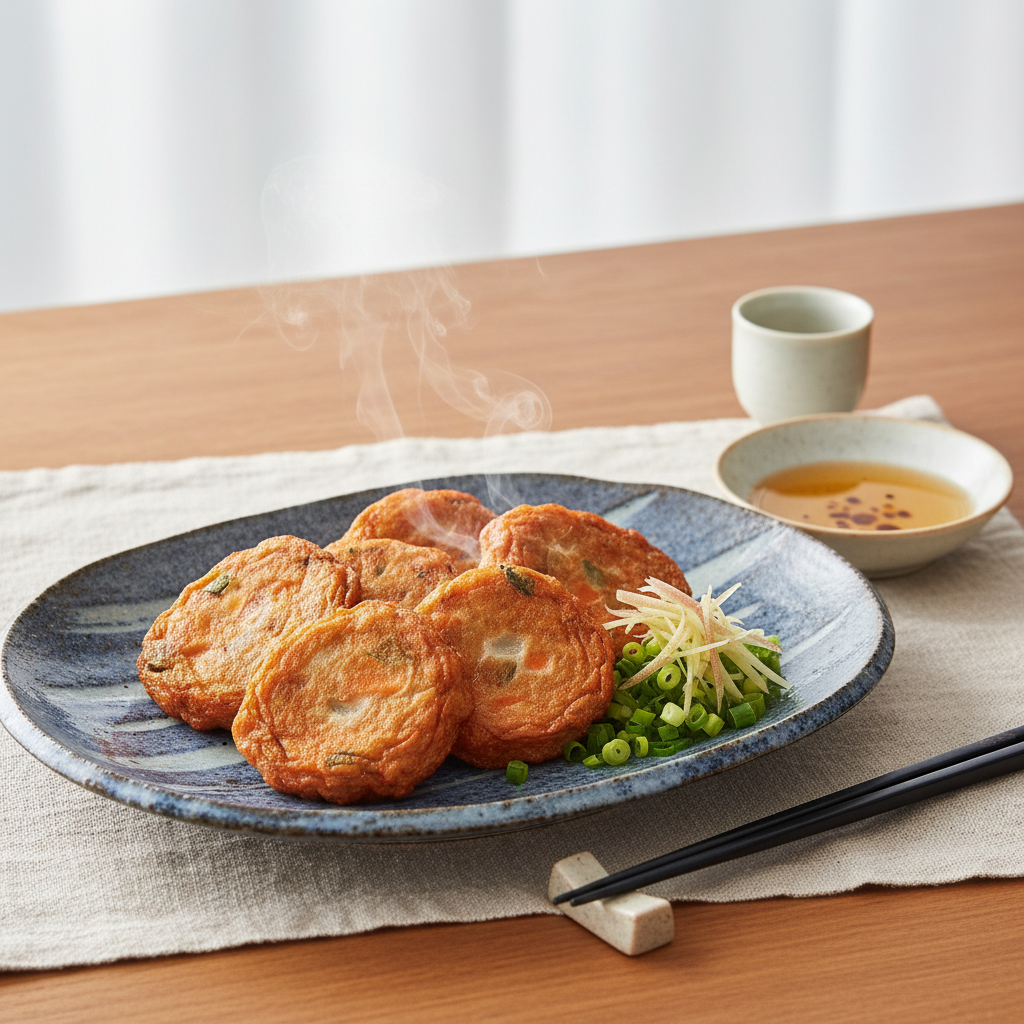
Satsuma-age is a processed food made by mixing white fish surimi with seasonings, shaping it, and then deep-frying it in oil. In Kagoshima Prefecture, it is commonly called “tsukeage,” and it is cherished by local people.
Origin of the Name and Differences in How It’s Called
The name “satsuma-age” comes from the fact that it was made in the Satsuma Domain (present-day Kagoshima Prefecture). On the other hand, in Kagoshima Prefecture, it is often called “tsukeage,” which is said to be named after the method of “dipping and frying” in oil.
The way it’s called varies by region, which is also a characteristic of satsuma-age:
- Kagoshima Prefecture: Tsukeage
- Kanto Region: Satsuma-age
- Kansai Region: Tempura
- Northern Kyushu: Hiraten
Characteristics of Satsuma-age
The greatest characteristic of satsuma-age is the harmonious blend of fish surimi’s umami flavor and the fragrant aroma of deep-fried oil. It has a crispy exterior and fluffy interior. Satsuma-age from Kagoshima is often made using fresh fish caught locally, and it is characterized by being made using traditional methods that minimize the use of additives.
History and Cultural Background of Satsuma-age
Manufacturing Method Transmitted from the Ryukyu Kingdom
The origin of satsuma-age dates back to the mid-Edo period. The Satsuma Domain maintained close relations with the Ryukyu Kingdom (present-day Okinawa Prefecture), and it is thought that fish surimi dishes transmitted from China through the Ryukyus became the prototype of satsuma-age.
Fish surimi dishes from Fukien Province in China, such as “gyu-wan” and “gyu-bing,” were transmitted to the Ryukyus and subsequently spread to Satsuma, where they developed uniquely. In the Satsuma Domain, abundant fish resources were utilized, and a deep-frying method was established to increase shelf life.
Development in the Satsuma Domain
During the Edo period, satsuma-age was highly valued in the Satsuma Domain as a preserved food and nutritional source for samurai. It was efficient for obtaining fish protein and could be preserved for long periods, making it a valuable food supply for expeditions and voyages.
After the Meiji Restoration, as people from Satsuma migrated to various parts of the country, the manufacturing method of satsuma-age also spread, and it became known nationwide as “Satsuma’s fried food” under the name “satsuma-age.”
Position in Kagoshima’s Food Culture
In present-day Kagoshima Prefecture, satsuma-age is everyday home cooking that appears on dining tables, and it is an essential dish on special occasions such as celebrations and New Year’s. There are numerous specialty shops in Kagoshima City, each maintaining its own unique flavor.
Raw Materials and Types of Satsuma-age
Basic Raw Materials
The main raw materials for satsuma-age are as follows:
Primary Ingredients
- White fish surimi (flying fish, threadfin bream, lizardfish, etc.)
- Salt
- Sugar
- Mirin
- Egg white
- Starch (binder)
Frying Oil
- Rapeseed oil or soybean oil (traditionally rapeseed oil)
Satsuma-age from Kagoshima often uses fresh fish caught locally, and those made with flying fish (ago) are considered premium products.
Types of Satsuma-age
There are various types of satsuma-age, classified by shape and ingredients:
Classification by Shape
- Maruten: Round shaped
- Kakuten: Square shaped
- Bouten: Rod shaped
- Hiraten: Flat shaped
Types with Ingredients
- Vegetable-filled: Burdock, onion, carrot, etc.
- Ika-ten: Mixed with squid
- Ebi-ten: With shrimp
- Cheese-filled: Wrapped around cheese (modern arrangement)
- Red ginger-filled: Mixed with red ginger
- Edamame-filled: Mixed with edamame
Special Types
- Bone-filled: Small fish with bones included, rich in calcium
- Black satsuma-age: Mixed with squid ink
- Mustard-filled: Added with chili pepper, spicy type
Traditional Manufacturing Method of Satsuma-age
Manufacturing Process at Specialty Shops
Traditional satsuma-age manufacturing requires skilled craftspeople:
1. Fish Preparation
Fresh fish is filleted into three pieces, and bones and skin are carefully removed. At Kagoshima specialty shops, fish caught that morning is often used, and freshness is the key to taste.
2. Making Surimi
Fish is ground using a mortar or food processor. In traditional methods, a stone mill is used, and grinding slowly over time creates smooth, sticky surimi. This process is most important, as the quality of surimi determines the texture of satsuma-age.
3. Seasoning and Mixing
Salt, sugar, mirin, egg white, and other ingredients are added to the surimi and mixed thoroughly. The time and force of mixing are important, and craftspeople use long years of experience to achieve proper stickiness and elasticity. Craftspeople also fine-tune the seasoning ratio based on temperature and humidity.
4. Shaping
The mixed surimi is shaped by hand or spoon. When adding ingredients, they are mixed in or wrapped during this stage. Shaping to uniform thickness prevents uneven frying.
5. Frying
Fry in oil heated to 170-180 degrees Celsius. Temperature control is important; if too low, it becomes oily, and if too high, only the surface burns. Fry until golden brown, and remove when it floats to the surface.
6. Oil Draining
Fried satsuma-age is placed on a net to drain excess oil. This process gives the surface a crispy texture.
Characteristics of Famous Kagoshima Shops
There are many established satsuma-age specialty shops throughout Kagoshima Prefecture, each continuing to guard their own unique methods and flavors:
- Tsukiageian: An established shop in Kagoshima City that maintains traditional methods while offering diverse varieties
- Agetateyā: Committed to freshly fried products, always providing fresh satsuma-age at the shop
- Arimuraya: A famous shop in Ibusuki City that uses local fish for simple, honest flavors
These famous shops use no chemical seasonings or preservatives and uphold methods that bring out the natural umami of fish.
How to Make Satsuma-age at Home
You can make authentic satsuma-age at home. Here is a basic recipe.
Basic Satsuma-age Recipe
Ingredients (about 10 pieces)
- White fish surimi: 400g (store-bought is fine)
- Salt: 1/2 teaspoon
- Sugar: 1 tablespoon
- Mirin: 1 tablespoon
- Egg white: 1
- Potato starch: 2 tablespoons
- Frying oil: as needed
Instructions
- Prepare the surimi: If using store-bought surimi, place it in a bowl and bring to room temperature. If making from fresh fish, process the fish meat in a food processor to a paste.
- Add seasonings: Add salt, sugar, mirin, egg white, and potato starch to the surimi and mix thoroughly until sticky.
- Shape: Wet your hands, take an appropriate amount of surimi, and shape into oval or round forms. Thickness should be about 1.5-2cm.
- Fry: Fry in oil heated to 170-180 degrees Celsius until golden brown, about 3-4 minutes. Once one side is set, flip and fry until both sides are beautifully colored.
- Drain oil: Remove to a net and drain excess oil. Done.
Recipe with Ingredient Filling Arrangement
Burdock-ten
Julienne burdock and mix into basic surimi before frying. The texture and aroma of burdock add accent.
Edamame-filled
Remove edamame from pods and mix into surimi. Good color and enhanced nutrition.
Cheese-filled
Cut process cheese into small pieces, wrap in surimi, and fry. Popular with children.
Tips for Delicious Results
- Mix the surimi thoroughly: Mixing until sticky creates a fluffy texture.
- Temperature control of oil: Too low makes it oily, too high causes burning. Maintaining 170-180 degrees is important.
- Don’t overfry: Overfrying makes it hard. Remove immediately when golden brown.
- Use fresh ingredients: Fish surimi especially depends on freshness. Use the freshest available.
Delicious Ways to Eat Satsuma-age
Eat as Is
Freshly fried satsuma-age is best eaten plain. You can fully enjoy the fish’s umami and the fragrant aroma of oil. In Kagoshima, buying freshly fried pieces from specialty shops and eating them on the spot is standard.
Enjoy with Condiments and Seasonings
In Kagoshima, people often eat satsuma-age with the following condiments:
Ginger Soy Sauce
Mix grated ginger and soy sauce for a dip. The fresh spiciness of ginger reduces the oiliness of satsuma-age.
Mustard Soy Sauce
Mix prepared mustard and soy sauce. The spicy kick adds accent.
Ponzu Sauce
Eating with light ponzu sauce is also recommended. The citrus acidity pairs excellently with the oil.
Grated Daikon
Eating with grated daikon and soy sauce aids digestion and creates a lighter flavor.
Use in Dishes
Satsuma-age can be used in various dishes:
Oden
Adding satsuma-age to Kanto-style oden allows it to absorb the broth flavor deliciously.
Simmered dishes
Simmering with daikon and carrots allows satsuma-age to release good broth, making vegetables delicious too.
Udon and Soba
Thin-sliced satsuma-age as a topping for udon or soba.
Stir-fries
Stir-frying with vegetables creates a hearty side dish.
Bento boxes
Whether eaten plain or in an egg mixture, it’s delicious cold, making it perfect for bento boxes.
How to Reheat
Methods for reheating store-bought satsuma-age:
Oven toaster
Toast for 3-4 minutes until the surface is crispy. The freshly fried texture returns.
Frying pan
Fry both sides in a pan without oil. Cooking until browned increases the fragrant aroma.
Microwave
Convenient but slightly softens it. Heat uncovered for 30 seconds to 1 minute.
Steaming
Steaming for 2-3 minutes creates a fluffy texture.
Nutritional Value and Health Benefits of Satsuma-age
Nutritional Components
Satsuma-age is a nutritious food since fish is the main ingredient:
Protein: High-quality protein from fish is abundant, beneficial for maintaining muscle and skin health.
DHA and EPA: Omega-3 fatty acids found in fish support brain health and blood circulation.
Calcium: Bone-included satsuma-age is rich in calcium and good for bone health.
B Vitamins: B vitamins that assist energy metabolism are included.
Calories and Precautions
Satsuma-age is deep-fried, so calories are somewhat high (approximately 140-160 kcal per 100g). It also contains salt, so excessive consumption should be avoided.
Points for Enjoying Healthily:
- Eat with condiments that aid digestion like grated daikon
- Combine with vegetables for nutritional balance
- Limit intake (2-3 pieces per day approximately)
- Choose low-salt varieties
Storage Methods for Satsuma-age
Room Temperature Storage
If consuming the day of purchase, room temperature storage is fine, though avoid this in summer. Store in a cool place away from direct sunlight.
Refrigerator Storage
Storage period: Approximately 3-4 days
Method:
- Wrap each piece individually
- Place in an airtight container or ziplock bag
- Store in the vegetable crisper of the refrigerator (avoid storing at very low temperatures as texture suffers)
Freezer Storage
Storage period: Approximately 1 month
Method:
- Wrap each piece individually
- Place in a freezer-storage bag, remove air, and seal
- Store in freezer
Thawing methods:
- Natural thawing: Thaw overnight in the refrigerator
- Microwave: Thaw using defrost mode, then warm lightly
- Cook while frozen: For dishes like simmered preparations, cooking from frozen is possible
Enjoying Satsuma-age in Kagoshima
Recommended Specialty Shops
Specialty satsuma-age shops worth visiting when in Kagoshima:
In Kagoshima City
Many specialty shops are located around Tenmonkan and near Kagoshima Central Station, where you can purchase freshly fried pieces. Many shops offer tastings, so you can enjoy comparisons.
Ibusuki and Chiran areas
The South Satsuma region has many shops maintaining traditional methods, where you can enjoy simple-flavored satsuma-age.
Kirishima and Kokubu areas
Shops in mountainous areas fuse mountain and sea ingredients, offering unique satsuma-age.
Satsuma-age as a Souvenir
Satsuma-age is a popular Kagoshima souvenir:
Purchase at airports and stations
Kagoshima Airport and Kagoshima Central Station carry many vacuum-packed satsuma-age varieties, including shelf-stable types for taking home.
Online purchase
Many specialty shops operate online shops, allowing you to order authentic flavors from anywhere nationwide. Shipped by refrigerated delivery, you can enjoy it at full freshness.
Differences Between Satsuma-age and Processed Fish Products from Other Regions
Differences from Kamaboko
Both kamaboko and satsuma-age use fish surimi, but the manufacturing differs:
- Kamaboko: Made by steaming
- Satsuma-age: Made by deep-frying
This difference creates significant differences in texture and flavor. Satsuma-age gains fragrance from deep-frying and improved shelf life.
Differences from Chikuwa
Chikuwa is made by wrapping around bamboo or metal rods and grilling or steaming, while satsuma-age is shaped and deep-fried. Chikuwa has a hollow center, while satsuma-age is solid.
Differences from Hanpen
Hanpen is made by steaming with mountain yam added, so it has a light, fluffy texture. Satsuma-age has higher density and firmer texture.
Modern Arrangements of Satsuma-age
Western-Style Arrangements
In modern times, products with traditional satsuma-age arranged in Western styles have appeared:
Cheese Satsuma-age
Cheese-wrapped or cheese-mixed varieties are popular as wine snacks.
Herb-filled
Western-style satsuma-age mixed with herbs like basil or parsley.
Curry Flavor
Satsuma-age mixed with curry powder offers a spicy option popular with children.
Use in Creative Cuisine
Restaurants and cafes feature creative dishes using satsuma-age:
- Satsuma-age Burger: Sandwiched in bread hamburger-style
- Satsuma-age Pizza: As a pizza topping
- Satsuma-age Salad: Thin-sliced in salads
- Satsuma-age Pasta: As a pasta ingredient
Kagoshima’s Food Culture Through Satsuma-age
Satsuma-age is not merely a food but embodies Kagoshima’s history and culture as a local cuisine. The rich fishing resources of Kagoshima, surrounded by sea, the history of exchange with the Ryukyu Kingdom, the wisdom of food preservation, and skilled craftsmanship converge in this crystallization of food culture.
In modern times, satsuma-age regularly appears on Kagoshima household tables, and it is an essential dish for celebrations and New Year’s, continuing to be passed down. Additionally, specialty shops, while maintaining traditional methods, continue to challenge new flavors and forms, and satsuma-age culture continues to evolve.
When visiting Kagoshima, be sure to taste freshly fried satsuma-age and feel its deep flavors and history. Making it at home also allows you to feel Kagoshima’s food culture more closely.
Summary
Satsuma-age (tsukeage) is a local dish representing Kagoshima Prefecture, possessing long history and tradition. While it is a simple dish of deep-fried fresh fish surimi in oil, its manufacturing method contains skilled craftsmanship and wisdom of craftspeople.
Whether eaten plain or used in cooking, delicious and nutritious satsuma-age symbolizes Kagoshima’s food culture. While maintaining tradition, modern arrangements continue to emerge, and it will continue to be loved by many people.
Satsuma-age born from Kagoshima’s abundant ocean bounty and the wisdom of ancestors. Why not touch Kagoshima’s history and culture through its flavors?