Kibi-nago Sashimi | A Complete Guide to the Charm and Delicious Ways to Enjoy This Kagoshima Local Specialty
When discussing Kagoshima Prefecture’s food culture, “kibi-nago sashimi” is indispensable. These translucent silver small fish brighten the Kagoshima dining table as a traditional local dish loved by local people. This article provides detailed information about the appeal of kibi-nago sashimi, cooking methods, nutritional value, and eating styles unique to Kagoshima.
What is Kibi-nago? Characteristics of This Small Fish Representing Kagoshima
Basic Information About Kibi-nago
Kibi-nago (黍魚子) is a small fish about 10cm in body length belonging to the herring family. Its scientific name is “Spratelloides gracilis,” and it inhabits warm sea regions. In Kagoshima Prefecture, it has been cherished since ancient times, with particularly abundant catches along the coasts of the Satsuma and Osumi peninsulas.
The fish is characterized by a distinctive silver vertical stripe running along its side, which becomes a visual appeal when served as sashimi. The flesh has a transparent quality, and fresh specimens display a lustrous silver-white color.
The Deep Connection Between Kagoshima Prefecture and Kibi-nago
Kagoshima Prefecture boasts one of Japan’s highest kibi-nago catch volumes. Particularly in the Kinko Bay (錦江湾) and sea regions facing the East China Sea, high-quality kibi-nago are abundantly caught.
Locally called “kibi-nago,” it is also called “kiminago” or “kanagi” in some regions. For Kagoshima residents, kibi-nago is not merely a fish but a special existence connected to local flavor and nostalgic memories.
Why Kibi-nago Sashimi is Beloved as a Local Dish
Historical and Cultural Background
Kibi-nago sashimi is said to have appeared on Kagoshima commoners’ tables since the Edo period. Even in an era without refrigeration technology, port towns had a culture of enjoying freshly caught kibi-nago as sashimi.
Historical records show that samurai of the Satsuma domain also enjoyed eating kibi-nago. Perhaps this easily-caught, highly nutritious, and delicious fish aligned well with the Satsuma spirit that valued martial virtue and simplicity.
Position in Kagoshima’s Food Culture
Today, kibi-nago sashimi appears on the menus of almost every izakaya and restaurant in Kagoshima Prefecture. It is an indispensable dish at local celebrations and gatherings.
For tourists, it is recognized as “something you must eat when visiting Kagoshima,” establishing itself as a representative local dish.
The Season and Optimal Time for Kibi-nago
Taste Variations by Season
Kibi-nago is caught year-round, but the peak season when it tastes best is spring to early summer (March to June). During this period, kibi-nago is fatty and the flesh has a sweet taste.
Fish caught from autumn through winter are also available, but compared to spring specimens, they are slightly less fatty and have a lighter taste. However, kibi-nago from this season is still quite delicious, allowing one to enjoy seasonal taste variations.
Why Freshness is Crucial
Kibi-nago is an extremely perishable fish. Therefore, freshness is the most important factor for eating it as sashimi. Ideally, it should be processed within a few hours of being caught.
Within Kagoshima Prefecture, morning-caught kibi-nago reaches markets and restaurants the same day. This strict freshness management is fundamental to enjoying delicious kibi-nago sashimi.
Traditional Cooking Methods for Kibi-nago Sashimi
Hand-Opening Technique
When preparing kibi-nago sashimi, Kagoshima traditionally uses a technique called “hand-opening.” This method involves removing the head without a knife, removing internal organs, and removing the backbone using only fingers.
Steps for hand-opening:
- Hold the kibi-nago’s head with your thumb and index finger and twist to remove it
- Pull out the internal organs from where the head was removed
- Insert a finger from the belly side and open the flesh along the backbone
- Pull the backbone toward the tail to remove it
- Carefully remove belly bones and small bones
- Rinse lightly under running water and wipe dry
With practice, skilled fish preparers can process one fish in just a few seconds. Among Kagoshima chefs and homemakers, many can hand-open kibi-nago with surprising speed and beauty.
The Aesthetics of Plating
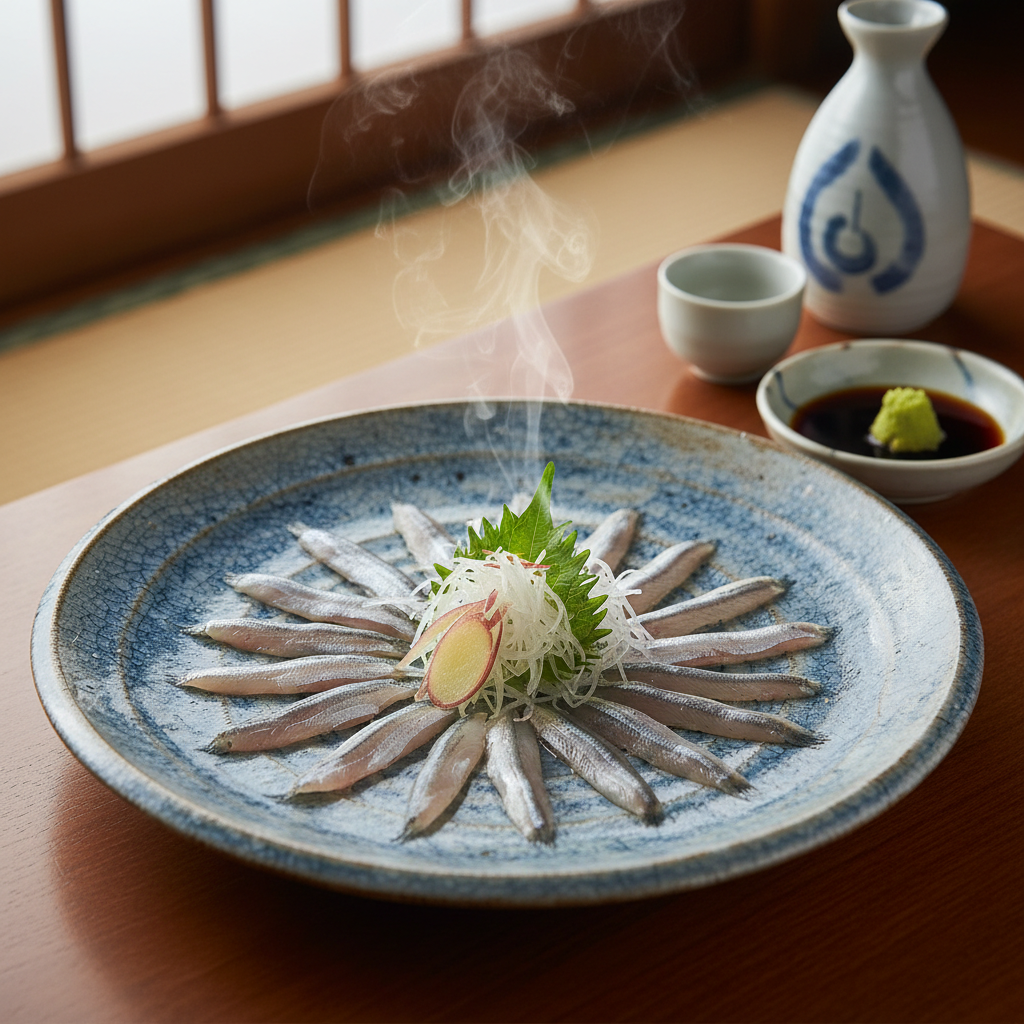
Kibi-nago sashimi is characterized by plating that showcases its beautiful appearance. Common methods include arranging them radially like a chrysanthemum flower or in circular patterns.
Kibi-nago sashimi arranged carefully to preserve the beauty of its gleaming silver skin is truly like a work of art. Green shiso leaves and daikon radish garnish are added for color.
How to Eat Kibi-nago Sashimi and Sauce Options
Kagoshima-Style Eating
In Kagoshima Prefecture, a unique sauce is used when eating kibi-nago sashimi. The most popular is vinegared miso.
Basic recipe for vinegared miso:
- White miso or barley miso: 3 tablespoons
- Sugar: 1 to 2 tablespoons
- Vinegar: 2 to 3 tablespoons
- Ground mustard: a small amount
Mix these together and adjust to your preferred sweetness and acidity. Kagoshima’s vinegared miso is characteristically made slightly sweet.
When kibi-nago sashimi is dipped in vinegared miso and eaten, the fish’s sweetness matches perfectly with the miso’s richness. The mustard’s pungent spiciness adds an accent, making it deliciously easy to eat many pieces.
Other Eating Style Variations
Beyond vinegared miso, there are several other ways to enjoy kibi-nago:
Soy Sauce and Wasabi:
Like typical sashimi, mix wasabi into soy sauce. This method allows you to enjoy the delicate flavor of kibi-nago simply.
Ponzu:
The refreshing citrus flavor pairs excellently with kibi-nago’s fat. Especially recommended in summer.
Ginger Soy Sauce:
Add grated ginger to soy sauce. The ginger’s aroma eliminates any fishiness and creates a fresh taste.
Salt and Lemon:
A light sprinkling of salt with squeezed lemon. This method best showcases the natural flavor of kibi-nago.
Nutritional Value and Health Benefits of Kibi-nago
Abundant Nutrients
Kibi-nago is a small fish packed with nutrition in its tiny body. Main nutrients include:
DHA and EPA:
Rich in omega-3 fatty acids, beneficial for maintaining brain health and promoting healthy blood circulation.
Calcium:
Essential minerals for bone and teeth health. The abundant calcium content is characteristic of small fish.
Protein:
Serves as a high-quality protein source, helpful for muscle maintenance and growth.
Vitamin D:
Vitamin D aids in calcium absorption and is also included in kibi-nago.
B Vitamins:
Rich in B vitamins that assist energy metabolism.
Health Benefits
Regularly eating kibi-nago can provide the following health benefits:
- Prevention of lifestyle diseases
- Maintenance and improvement of brain function
- Prevention of osteoporosis
- Beautifying effects on skin
- Recovery from fatigue
Particularly, as a small fish that can be eaten whole, it offers the major advantage of efficient calcium intake.
Enjoying Kibi-nago Sashimi at Home
How to Select Fresh Kibi-nago
When making kibi-nago sashimi at home, selecting fresh kibi-nago is the most important factor.
How to identify fresh kibi-nago:
- Eyes are clear with transparency
- The entire body is firm with good elasticity when touched
- The silver luster shines beautifully
- Lacks the typical fishy smell, with a pleasant sea aroma
- The belly is not torn
- The flesh is not crumbled
When purchasing at fish shops or markets, telling them it’s for sashimi will help them select particularly fresh specimens for you.
Storage Methods and Precautions
Kibi-nago spoils easily, so it should be prepared immediately after purchase. If storage is unavoidable:
- Store in a container lined with ice in the refrigerator
- Consume on the same day if possible
- If storing until the next day, remove internal organs before refrigeration
The rule is to eat it as sashimi on the day of purchase. If freshness has declined, redirect it to cooked preparations like simmered dishes or tempura instead.
Cooking Tips for Beginners
If hand-opening is difficult, try these alternatives:
- Using a knife method: Use a small deba or sashimi knife to remove the head, open the belly to remove organs, and remove the backbone
- Partial hand-opening: Process the head and organs with a knife, while hand-opening just the body
- Purchasing pre-processed: Some fish shops sell kibi-nago that has already been hand-opened
Even if it takes time initially, you’ll gradually improve with practice. Doing this with family or friends makes cooking enjoyable.
Other Kagoshima Local Dishes Using Kibi-nago
Tempura and Fried Chicken
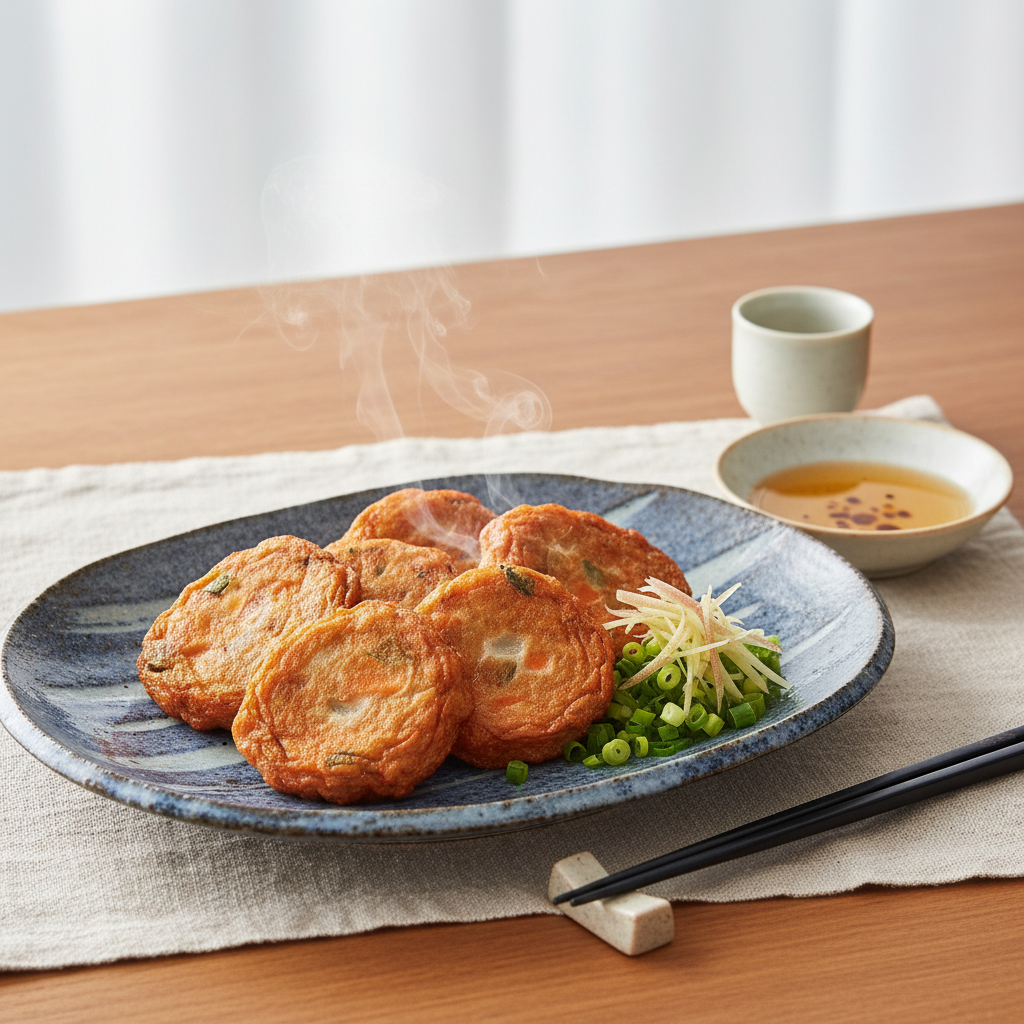
The most popular cooking method besides sashimi is tempura or karaage (fried chicken). Frying whole kibi-nago allows complete calcium intake.
The crispy texture and soft, fluffy flesh inside are exquisite. It’s served with salt or tempura sauce.
Simmered Dish
Simmering in soy sauce, sugar, mirin, and ginger for a sweet-savory flavor is also common. Perfect as a rice side dish, it’s still delicious when cooled.
Nanban-Zuke
Fried kibi-nago marinated in sweet vinegar is also popular. Its light taste is easy to eat even when appetite is poor during summer.
Dried Fish
Kibi-nago dried in the sun is also a Kagoshima specialty. When grilled, concentrated umami spreads across your palate.
Where to Eat Kibi-nago Sashimi
Recommended Spots in Kagoshima Prefecture
Kagoshima City:
Izakayas and local cuisine restaurants around the Tenmonkan area almost certainly serve kibi-nago sashimi. Choosing restaurants busy with locals leads to fresher kibi-nago.
Ibusuki City:
At the southern tip of the Satsuma Peninsula, fresh seafood is abundant. Kibi-nago sashimi often appears in hot spring inn dinners.
Makurazaki City:
Known as a fishing port town, Makurazaki allows you to taste kibi-nago immediately after being caught.
Kanoya City:
Fresh kibi-nago can also be enjoyed in Kanoya on the Osumi Peninsula.
How to Enjoy It Outside the Prefecture
You can enjoy kibi-nago outside Kagoshima through:
- Kagoshima cuisine specialty restaurants: Major cities like Tokyo and Osaka have restaurants serving Kagoshima local dishes
- Online shopping: Advanced freezing technology now makes online purchase possible
- Local product exhibitions: Kagoshima specialty fairs at department stores sometimes sell frozen kibi-nago
However, the best taste is definitely enjoyed eating fresh catch on Kagoshima soil.
Culture and Trivia Related to Kibi-nago Sashimi
Local Sayings and Customs
In Kagoshima, there’s a saying that “eating kibi-nago gives you vigor.” This nutritious fish has long been valued as a health-building food.
Serving kibi-nago sashimi to guests is considered the ultimate hospitality. Putting effort into hand-opening preparation demonstrates warm welcome.
Fishing Methods and Fisherman’s Skills
Kibi-nago is primarily caught using “purse seine fishing,” utilizing the fish’s tendency to swim in schools. The method involves surrounding and catching groups of kibi-nago with nets.
Fishermen develop skills from years of experience to identify where kibi-nago schools are located. Reading various natural signs like sea color, tidal flow, and bird movements guides their fishing.
Origin of the Name
The name “kibi-nago” has several theories:
- The striped pattern resembles a “band (obi),” so “obi-nago” transformed to “kibi-nago”
- The slender body resembles “millet (kibi)” grains, becoming “millet fish fry”
- A word meaning “beautiful young fish” evolved into the name
In any case, the name likely derives from the fish’s distinctive appearance.
Kibi-nago and Environmental Protection
Sustainable Fishing Practices
With growing emphasis on marine resource protection, kibi-nago fishing incorporates sustainability considerations.
Kagoshima Prefecture conducts regular resource surveys and manages appropriate catch volumes. Fishing is also restricted during spawning seasons to protect resources.
Connection to Marine Environment
Kibi-nago occupies an important position in marine ecosystems. Feeding on plankton and serving as food for larger fish, kibi-nago is positioned in the middle of the food chain.
Abundant kibi-nago populations indicate healthy marine environments. Protecting the sea is essential to continue enjoying delicious kibi-nago in the future.
Q&A for Enjoying Kibi-nago Sashimi
Q: Does kibi-nago sashimi have a fishy smell?
A: Fresh kibi-nago sashimi has almost no fishy smell. Rather, it’s characterized by subtle sweetness and ocean aroma. If you detect a smell, the freshness may have declined. Eating it with vinegared miso or ponzu makes it more refreshing.
Q: Can you eat kibi-nago bones?
A: The middle bone is removed when hand-opening for sashimi, but small bones may remain. These bones are soft and safe to eat as-is. Those concerned can chew thoroughly or carefully remove them.
Q: Is kibi-nago sashimi safe during pregnancy?
A: Kibi-nago contains low mercury levels, making it relatively safe to eat during pregnancy. However, like all raw fish, choosing fresh specimens and maintaining appropriate portions is important. Consult a doctor if concerned.
Q: What alcohol pairs well with kibi-nago sashimi?
A: As a Kagoshima local dish, kibi-nago sashimi pairs best with Kagoshima shochu. Sweet potato shochu served hot or as a water-based drink is particularly recommended. Dry sake also pairs well. Beer compatibility is also excellent.
Conclusion: Experiencing Kagoshima’s Sea Through Kibi-nago Sashimi
Kibi-nago sashimi is a representative local dish that Kagoshima Prefecture proudly offers. The delicate taste of fresh kibi-nago, beautiful appearance, traditional hand-opening technique, and vinegared miso eating method all embody Kagoshima’s food culture.
With high nutritional value and health benefits, kibi-nago has supported the daily tables of local residents. Simultaneously, for tourists, it becomes an unforgettable taste memory of visiting Kagoshima.
When visiting Kagoshima, be sure to taste fresh kibi-nago sashimi. When dipped in vinegared miso and placed in your mouth, you’ll sense the bounty of Kagoshima’s sea and the warmth of its people.
Residents outside Kagoshima can also enjoy this wonderful local dish through mail order or Kagoshima cuisine restaurants. Why not experience Kagoshima’s rich food culture through kibi-nago sashimi?
This small fish gleaming in beautiful silver contains Kagoshima’s sea, history, culture, and people’s lives. One bite will surely captivate you with kibi-nago’s charm.