Sasa Dango: Niigata’s Representative Local Dish | Comprehensive Explanation of History, How to Make, and Recommended Shops
Sasa dango, known nationwide as a representative local dish of Niigata Prefecture, is a traditional food packed with Niigata’s history and culture. This Japanese confection wraps bean paste in vivid green mugwort mochi and is then wrapped in bamboo leaves. This article provides a thorough explanation of sasa dango’s appeal from every angle, from its origins and manufacturing methods to regional characteristics and ways to enjoy it in modern times.
What is Sasa Dango? Niigata’s Pride: A Traditional Local Dish
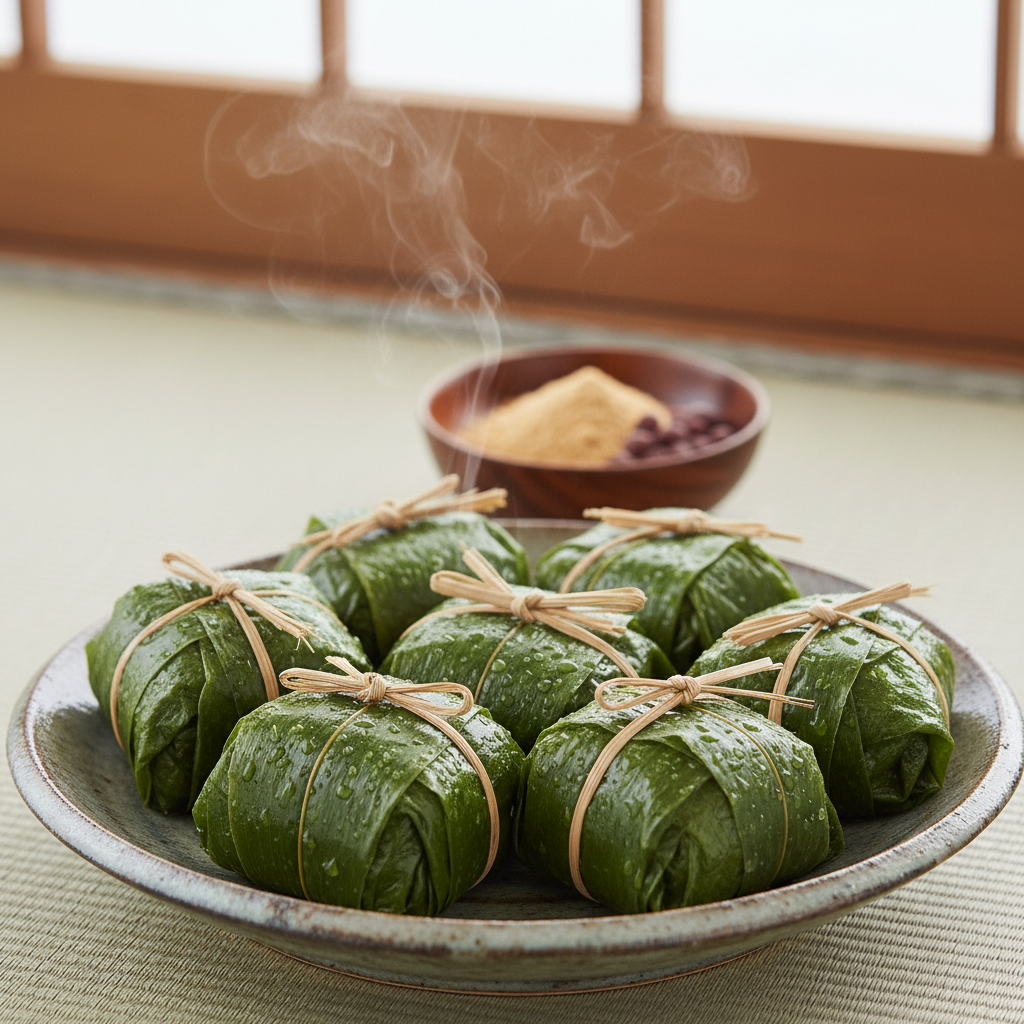
Sasa dango (笹団子) is a local dish and type of Japanese confection that has long been cherished throughout Niigata Prefecture. The basic form consists of mugwort-kneaded green mochi dough wrapped around bean paste, then wrapped in bamboo leaves and tied with rush or palm fiber before being steamed.
The exquisite harmony of the refreshing aroma of bamboo leaves, the flavor of mugwort, and subtly sweet bean paste makes it a soul food for Niigata residents and is highly popular as a homecoming souvenir and gift.
Basic Structure of Sasa Dango
Sasa dango is composed of the following elements:
- Mugwort mochi: Green mochi dough made by kneading mugwort picked in spring
- Bean paste: Smooth red bean paste, chunky bean paste, or kinpira, etc. (varies by region and shop)
- Bamboo leaves: Three to five bamboo leaves wrap the mochi
- Tying string: Tied with rush (igusa) or palm fiber
This traditional manufacturing method is the crystallization of ancestral wisdom that increased preservation and utilized the antibacterial properties of bamboo leaves.
History and Cultural Background of Sasa Dango
Origins and Development History
There are various theories about the origins of sasa dango, but the most plausible traces back to the Warring States period. The widely known legend holds that Uesugi Kenshin devised it as provisions to carry during military campaigns. It is thought to have been valued as military rations because wrapping it in bamboo leaves increased its preservation, made it easy to carry, and provided high nutritional value.
During the Edo period, sasa dango became established in farming villages of Niigata as a food eaten during the Boys’ Festival (May 5). This season coincided with when mugwort was most fragrant and bamboo leaves were most tender, making it cherished as a seasonal food that utilized nature’s bounty.
Cultural Significance in Niigata Prefecture
In Niigata Prefecture, sasa dango holds meaning beyond being a mere confection:
- Seasonal symbol: Traditions of making sasa dango at home during the Boys’ Festival remain in some areas
- Community solidarity: Sasa dango making serves as a means for intergenerational interaction and skill transmission
- Symbol of local pride: For Niigata residents who have moved away, it is a special taste that evokes memories of home
Traditional Method of Making Sasa Dango
Preparation of Ingredients
Making traditional sasa dango requires the following ingredients:
For mochi dough
- Mochiko (sweet rice flour) or joshinko (new rice flour): 500g
- Mugwort: 100g (fresh, blanched and drained of bitter flavors)
- Sugar: 2 tablespoons
- Salt: a pinch
- Water: as needed
For bean paste
- Azuki bean paste: about 400g (commercial products acceptable)
For wrapping
- Bamboo leaves: 30-40 leaves (3-5 leaves used per piece)
- Rush or igusa fiber: as needed
Manufacturing Process
1. Preliminary Processing of Mugwort
Mugwort picked in early spring is first blanched in boiling water to remove bitter flavors. Once blanched, the mugwort is rinsed in cold water, thoroughly wrung dry, then finely chopped. This process reduces the characteristic bitterness of mugwort and preserves its vibrant green color.
2. Creating Mochi Dough
Mochiko (or joshinko) is mixed with sugar and salt, then water is gradually added while kneading until it reaches an earlobe-like softness. The preprocessed mugwort is then added and thoroughly kneaded until uniform. The intensity of the green color varies depending on the amount of mugwort added.
3. Shaping
The mochi dough is divided into 10-12 portions, each flattened into a round shape. Bean paste is placed in the center, wrapped with the mochi dough, and shaped into a barrel or oval form. It is important to seal it firmly so the bean paste does not leak out.
4. Wrapping in Bamboo Leaves
The bamboo leaves are briefly blanched in boiling water beforehand to soften them. Three to five bamboo leaves are slightly overlapped, the shaped mochi is placed on top, and then wrapped in the leaves. Both ends are tied with rush or igusa. This tying method has regional characteristics, and family traditions also exist.
5. Steaming
The sasa dango are arranged in a steamer and steamed on high heat for 20-25 minutes. As they steam, the aroma of bamboo rises, and the mochi dough transforms into a translucent green color. The steamed sasa dango are left to cool before eating.
Regional Variations of Sasa Dango
Sasa dango has various regional variations even within Niigata Prefecture.
Sasa Dango of the Kaetsu Region
In the Kaetsu region centered on Niigata City, sasa dango using smooth red bean paste is mainstream. The mochi dough is relatively soft, and strong mugwort flavor is characteristic. Commercialization has advanced, and it can be purchased at many Japanese confectionery shops and souvenir stores.
Sasa Dango of the Chuetsu Region
In the Chuetsu region including Nagaoka and Ojiya cities, chunky bean paste is often used, and a slightly firmer texture is preferred. Additionally, “savory sasa dango” using kinpira or pickled greens as filling are traditionally made.
Sasa Dango of the Joetsu Region
In the Joetsu area, unique wrapping techniques exist for the bamboo leaves, and the shape of the knot differs from other regions. Also, a tendency to use subtly sweet bean paste is observed.
Sasa Dango of the Sado Region
Sado Island has developed a unique sasa dango culture distinct from the mainland. Creative variations can be seen, such as dough mixed with seaweed and fillings using local ingredients.
Nutritional Value and Health Benefits of Sasa Dango
Sasa dango is noteworthy not only for its deliciousness but also for its health aspects.
Nutritional Components of Mugwort
Mugwort contains abundant nutritional components:
- Dietary fiber: Effects on improving intestinal health
- Beta-carotene: Antioxidant properties contributing to immune enhancement
- Vitamin K: Important for bone health maintenance
- Iron: Effective for anemia prevention
- Chlorophyll: Expected detoxification effects
Antibacterial Properties of Bamboo Leaves
Bamboo leaves contain natural antibacterial compounds that increase food preservation when used as wrapping. This is an example of ancestral empirical knowledge scientifically validated.
Calories and Nutritional Balance
A typical sasa dango (about 80g per piece) contains approximately 150-180 calories. As a Japanese confection, it is relatively low in calories and low in fat, making it a good choice for moderate snacking. However, it does contain sugars, so moderation in consumption is advised.
Renowned Shops in Niigata Prefecture Where Sasa Dango Can Be Purchased
Many long-established shops and renowned stores manufacturing and selling sasa dango exist throughout Niigata Prefecture.
Tanakaya Honten (Niigata City)
A long-established shop founded in 1868, representing Niigata’s finest sasa dango. While maintaining traditional manufacturing methods, it has adapted to modern hygiene standards. Purchases are available at Niigata Station and the airport, with nationwide shipping available.
Kotake Seika (Niigata City)
Committed to handmade production, offering freshly made sasa dango every morning. Characterized by strong mugwort aroma and soft mochi texture. Known as a hidden gem beloved by locals.
Minatoya (Nagaoka City)
A manufacturer representing the Chuetsu region, popular for its traditional flavor using chunky bean paste. Seasonal variations with different fillings are also offered.
Sasa Dango Honpo Otake (Shibata City)
A long-established shop in Shibata City manufacturing sasa dango using local mochigome and mugwort. Characterized by a simple, nostalgic taste with many repeat customers.
Storage Methods and Delicious Ways to Enjoy Sasa Dango
Storage Methods
Room temperature storage: Can be stored at room temperature on the day of purchase, but should be avoided during summer.
Refrigeration: For consumption within 2-3 days, store in the refrigerator. However, mochi tends to harden, so reheating before eating is recommended.
Freezing: For long-term storage, freezing is optimal. Wrapping each piece individually in plastic wrap before placing in a freezer storage bag allows storage for 1-2 months.
Delicious Ways to Enjoy
Eaten as is: Freshly purchased sasa dango are most delicious eaten directly after peeling away the bamboo leaves.
Reheating: Refrigerated or frozen sasa dango can be steamed for 5-10 minutes or microwaved for 30 seconds to 1 minute to restore the just-made texture. For microwave use, wrapping in slightly dampened paper towels prevents drying.
Recipe adaptations: Recently, enjoying sasa dango with ice cream or creating sasa dango tempura by frying them has become popular.
Relationship Between Sasa Dango and Other Local Dishes
Niigata Prefecture has many local dishes besides sasa dango, each reflecting the region’s history and culture.
Differences from Chimaki
A food similar to sasa dango is “chimaki,” but there are several differences:
- Ingredients: Sasa dango uses mochiko with kneaded mugwort, while chimaki uses mochigome as is
- Shape: Sasa dango is barrel or oval shaped; chimaki is often triangular cone or cone shaped
- Regional nature: Sasa dango is unique to Niigata Prefecture; chimaki exists in various forms throughout Japan
Other Local Dishes of Niigata Prefecture
Local dishes representing Niigata alongside sasa dango include:
- Hegisobae: Distinctive buckwheat noodles using fabric seaweed as binding
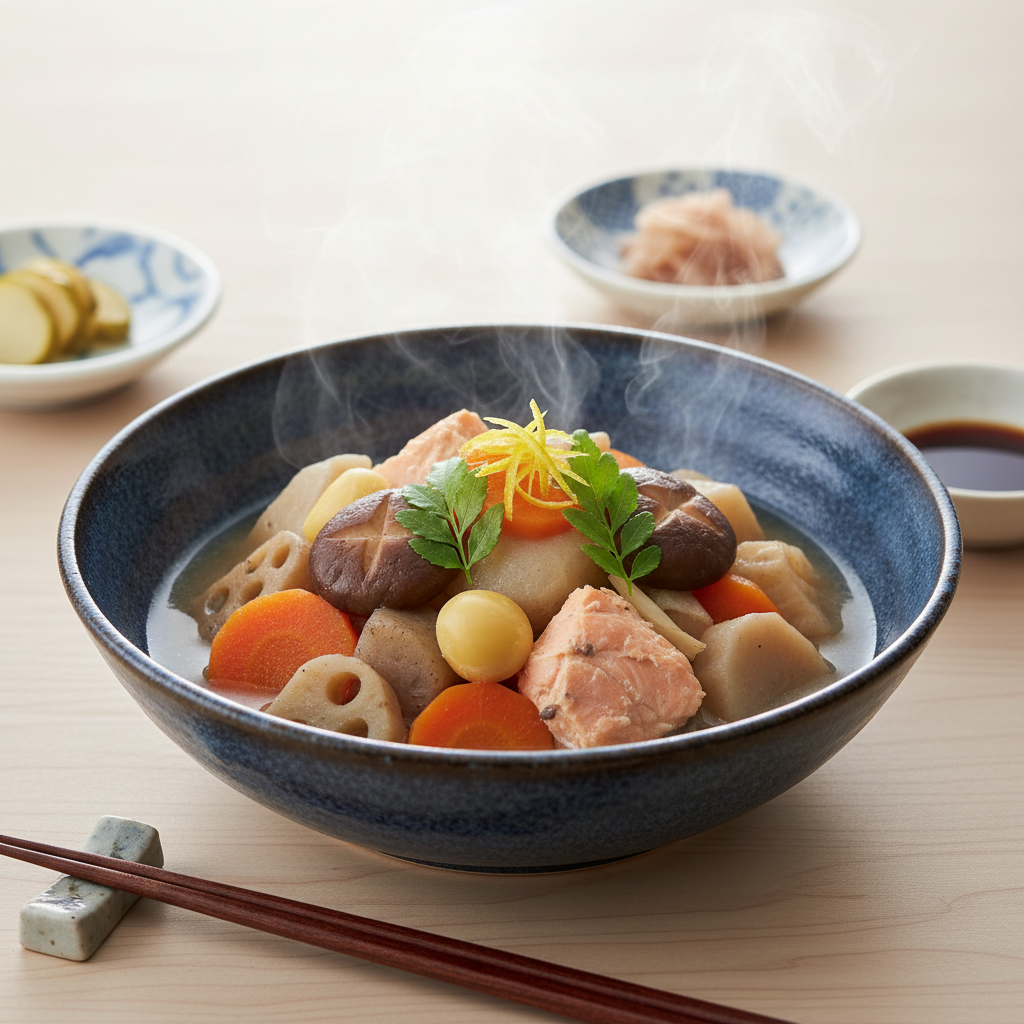
- Noppe: A local dish of stewed taro, carrots, and other vegetables
- Sake’s grilled marinade: Grilled salmon marinated in soy sauce—a preserved food
- Tochiao’s fried tofu: Giant, thick fried tofu
These local dishes and sasa dango symbolize Niigata’s rich natural environment and food culture, continuing to be beloved by residents.
Modern Development of Sasa Dango
Product Development and Innovation
Recently, various new products based on traditional sasa dango have been developed:
Western-style arrangements: Sasa dango using chocolate or cream cheese as filling
Health-conscious products: Sugar-free, gluten-free, or brown rice-based sasa dango
Seasonal limited products: Sakura paste, chestnut paste, pumpkin paste and other seasonal limited flavors
Expansion of Online Sales
The proliferation of the internet has made it easy for people living outside Niigata Prefecture to purchase authentic sasa dango. Many long-established shops have opened online stores with nationwide shipping. Improved freezing technology allows sasa dango to be delivered while maintaining its freshly-made deliciousness.
Sasa Dango as a Tourism Resource
Sasa dango is positioned as an important tourism resource for Niigata Prefecture:
Sasa dango making experiences: Facilities and events allowing tourists to experience making sasa dango are increasing
Sasa dango festivals: Some regions hold events themed around sasa dango where various shops’ offerings can be sampled and compared
Inbound response: Products with explanations in English and Chinese for foreign tourists have appeared
Technical Succession and Challenges in Sasa Dango Making
Succession of Traditional Techniques
Sasa dango making requires skilled craftsmanship, particularly in the following processes requiring experience and intuition:
- Determining appropriate mugwort proportion
- Water content and kneading quality of mochi dough
- Wrapping and tying technique for bamboo leaves
- Adjusting steaming time and heat intensity
Many long-established shops practice intergenerational technical succession, though a shortage of successors presents a challenge.
Securing Raw Materials
Securing high-quality raw materials is essential for making excellent sasa dango:
Mugwort: Fresh wild mugwort picked in early spring is considered highest quality, but collection locations and quantities are limited
Bamboo leaves: Stable supply of clean, food-safe bamboo leaves has become a challenge
Mochigome: Using high-quality Niigata-grown mochigome is a requirement for delicious sasa dango
Balancing Mechanization and Handcraft
While some processes are being mechanized to meet increased demand, finding the appropriate balance to maintain handmade flavor and texture is important. Many renowned shops still perform critical processes by hand.
Sasa Dango and Niigata Residents’ Identity
For Niigata residents, sasa dango holds meaning far beyond being mere food.
Symbol of Local Pride
Many Niigata residents who have moved away speak of “missing sasa dango,” marking it as a special presence that evokes memories of home. Some make a point of buying sasa dango whenever returning home.
Intergenerational Connection
Many people have memories of making sasa dango with grandmothers or mothers, and sasa dango making serves as an opportunity for communication transcending generations. Through this experience, local culture and history are naturally passed to future generations.
Promoting Niigata Outside the Prefecture
When residents from Niigata introduce their prefecture to people outside it, sasa dango is an indispensable item. Its distinctive appearance and flavor serve as an effective PR tool symbolizing Niigata’s cultural richness.
Regional Revitalization Through Sasa Dango
Sixth Sector Industrialization Efforts
Cases are increasing where agricultural workers engage in sixth sector industrialization by manufacturing and selling sasa dango. Using self-cultivated mochigome and mugwort, conducting manufacturing through sales as integrated operations increases added value and revitalizes the regional economy.
Establishing Regional Brands
The “Niigata sasa dango” brand enjoys high national recognition. Leveraging this powerful brand strength, collaborative products with other Niigata-grown agricultural products and specialty items are being developed.
Application to Food Education
School meals incorporating sasa dango and teaching sasa dango making to children represent food education activities being conducted. This conveys the value of local cuisine to younger generations and cultivates attachment to the region.
Future Prospects for Sasa Dango
Balancing Tradition with Innovation
The future of sasa dango lies in maintaining traditional manufacturing while incorporating innovations responding to contemporary needs. Development of new sasa dango incorporating younger generations’ sensibilities is anticipated.
Response to Globalization
With Japanese cuisine receiving worldwide attention, sasa dango has potential for international market expansion. Product development considering diverse food cultures, such as halal and vegan options, is advancing.
Sustainability Considerations
Heightened environmental consciousness has made sustainability important in sasa dango manufacturing. Various initiatives are underway, including promoting local production for local consumption, reducing food waste, and using environmentally friendly packaging materials.
Conclusion: Sasa Dango is Niigata’s Treasure
Sasa dango is a local dish containing the concentrated essence of Niigata’s nature, history, and culture. While possessing a long history continuing from the Warring States period, it is loved by many people today and continues to evolve.
The aroma of mugwort, refreshing quality of bamboo, and gentle sweetness. This harmonious trio forms sasa dango, part of Niigata residents’ identity and etched in hearts as the taste of home.
While preserving tradition and continuing new challenges, sasa dango plays an important role in regional revitalization and tourism. Though challenges exist in technical succession and raw material procurement, through efforts of many people, this precious food culture will be passed to future generations.
Should you have the opportunity to visit Niigata, be sure to taste authentic sasa dango. If possible, participating in sasa dango making is recommended. Through this process, one touches the lives and culture of Niigata’s people, deepening understanding and affection for sasa dango.
Sasa dango is not merely a Japanese confection. It is Niigata’s pride and treasure.