Complete Guide to Kirizai | History, How to Make, and How to Enjoy This Traditional Local Cuisine of Uonuma, Niigata Prefecture
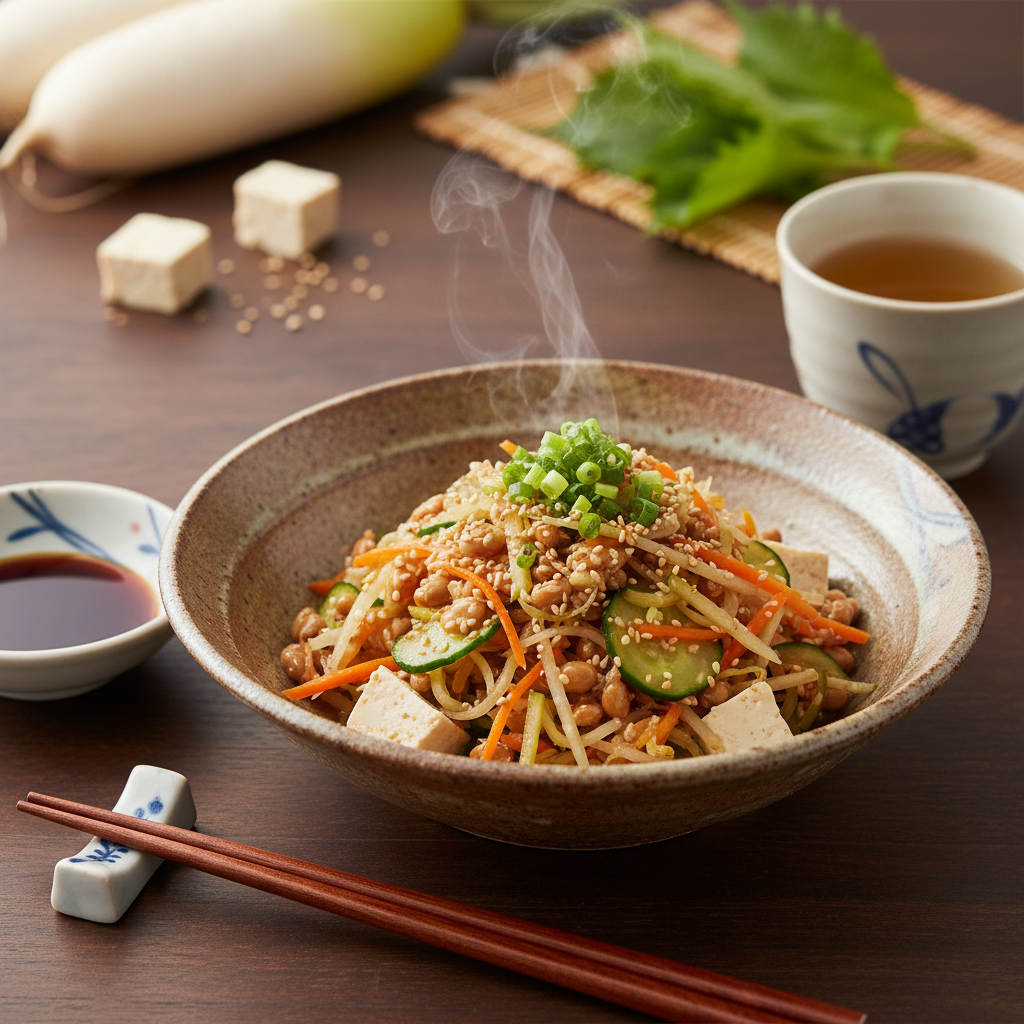
“Kirizai,” a traditional local dish passed down for centuries in the Uonuma region of Niigata Prefecture, is a simple yet nutritious traditional food made by mixing natto with finely chopped vegetables. Born from the wisdom of daily life in a heavy snowfall region, this dish carries a long history dating back to the Sengoku period and remains cherished on the dining tables and school lunches of the region today.
This article provides a thorough explanation of the charm of this local cuisine, covering kirizai’s historical background, the origin of its name, basic preparation methods, regional variations, and modern efforts to preserve and inherit it.
What is Kirizai | A Traditional Local Cuisine of Uonuma, Niigata Prefecture
“Kirizai” is a local dish primarily eaten in the Chuetsu region of Niigata Prefecture, particularly in the Uonuma region (Minami-Uonuma City, Uonuma City, Tokamachi City, etc.). It is a dish made by finely chopping vegetables and pickles and mixing them with natto, and the typical way to eat it is to top rice with it.
Origin and Meaning of the Name
The name “kirizai” plainly expresses the characteristics of this dish.
- “Kiri”: Means to cut or chop
- “Zai”: Represents “na” (菜), meaning vegetables
In other words, “kirizai” means “finely chopped vegetables,” a straightforward name that derives from the cooking method itself. It is sometimes written in kanji as 切り菜 (cut vegetables).
Main Areas of Transmission
While kirizai is eaten across a wide range of the Chuetsu region of Niigata Prefecture, it is particularly actively preserved in the following areas:
- Minami-Uonuma City: Known as a representative production area of kirizai, the city conducts preservation and inheritance activities for this local cuisine
- Uonuma City: As a production area for Uonuma Koshihikari rice, kirizai has developed as a perfect accompaniment to rice
- Tokamachi City: Known as a heavy snowfall region, kirizai was valued as a precious source of nutrition during winter
- Ojiya City: Unique recipes are passed down in homes throughout the surrounding Chuetsu region
These regions share a common point: they are all heavy snowfall areas where this food culture was born under harsh winter conditions.
History, Origin, and Related Events of Kirizai
A Long History Spanning the Sengoku Period
The history of kirizai is extremely ancient. According to surveys conducted by Minami-Uonuma City, records of kirizai remain in documents from the Sengoku period. There are records indicating that samurai warriors carried it as military rations, and it was valued as a portable food offering high nutritional value and excellent preservation.
Feudal warlords of the Sengoku period needed lightweight, nutrient-rich food supplies for long-distance expeditions and siege warfare. Kirizai, combining natto (a fermented food) with salted vegetables, had the characteristic of being relatively long-lasting at room temperature, making it ideal for military rations.
Wisdom of Daily Life Born in Heavy Snowfall Regions
The Uonuma region where kirizai developed is a heavy snowfall area where snow accumulates to heights exceeding a person’s height in winter. From the Edo period through the early Showa period, winters brought roads closed by snow, making fresh food difficult to obtain.
In such harsh conditions, people had to make creative use of limited ingredients. In an era when meat and fish were precious, natto was an important source of protein. To share it among many people and eat it for longer periods, the ingenuity of finely chopping and mixing vegetables and pickles to increase the quantity was born. This is the origin of kirizai.
Role as Preserved Food
Vegetables harvested in autumn were made into pickles for storage and used as a precious source of vitamins during winter—this was the wisdom of snowy regions. Kirizai, by combining these pickles with natto, made it possible to efficiently absorb nutrients otherwise lacking in winter.
By mixing various pickles prepared in autumn—such as nozawana (pickled mustard greens), daikon (radish) pickles, and turnip pickles—with natto, it was possible to enjoy variety even when eating the same dish daily. This was not merely a thrift dish but rather a meal reflecting the wisdom of ancestors regarding nutritional balance.
Positioning as Daily Food
Kirizai is positioned as “ke” (everyday) food rather than “hare” (festival/special occasion) food. As an ordinary everyday meal, it has developed unique recipes and flavors in different households.
Passed down from grandmother to mother to daughter, kirizai has been inherited across generations as a family taste.
Main Ingredients Used and Nutritional Value
Basic Ingredients
The basic ingredients for kirizai are as follows:
Essential Ingredients:
- Natto: Serves as the central source of protein
- Nozawana pickles: The most commonly used pickle in the Uonuma region
- Daikon pickles (takuan): Adds textural accent and sweetness
- Carrots: Enhance color and nutritional value
- Nameko mushrooms: Some regions add these for sliminess and umami
Seasonings:
- Soy sauce: Forms the base of the flavor
- Mirin: Adds mellow sweetness
- Sugar: Some households add a hint of sweetness
All ingredients are finely chopped and mixed with natto.
Variations by Region and Household
One of the charms of kirizai is that ingredients and seasonings differ by region and household.
Variations in Vegetables and Pickles Used:
- Turnip pickles
- Napa cabbage pickles
- Cucumber pickles
- Mountain vegetables (bracken fern, ostrich fern, etc.)
- Fried tofu (finely chopped and added)
- Kombu seaweed (some regions add seaweed)
- Leafy green pickles
- Red turnip pickles
Flavor Variations:
- Soy sauce base (most common)
- Addition of miso
- Small amount of vinegar for a lighter taste
- Mustard mixed in for a spicy kick
- Ginger added for rich flavor
Nutritional Value and Health Benefits
Kirizai is a well-balanced, healthy food.
Nutrients from Natto:
- High-quality protein
- Vitamin K2 (important for bone health)
- Nattokinase (blood-thinning effect)
- Dietary fiber
- Soy isoflavones
Nutrients from Vegetables and Pickles:
- Vitamin C (abundant particularly in nozawana)
- Dietary fiber
- Potassium
- Calcium
- Lactic acid bacteria (in the case of fermented pickles)
Nutrients from Nameko Mushrooms:
- Mucin (slimy component that protects the stomach)
- Vitamin D
- Dietary fiber
By combining these ingredients, you can obtain a well-balanced intake of protein, vitamins, minerals, and dietary fiber. The role of supplementing vitamin deficiencies during winter was particularly important.
How to Make Kirizai | Basic Recipe and Cooking Tips
Basic Kirizai Recipe (Serves 4)
Ingredients (Serves 4):
- Natto: 2 packs (approximately 100g)
- Nozawana pickles: 100g
- Takuan (daikon pickles): 50g
- Carrots: 50g
- Nameko mushrooms: 1 pack (approximately 100g) *optional
- Soy sauce: 1-2 tablespoons
- Mirin: 1 tablespoon
Instructions:
- Preparation
- Lightly squeeze excess moisture from nozawana pickles and finely chop into 3-5mm cubes
- Chop takuan in the same manner
- Peel carrots and mince finely
- If using nameko, briefly blanch and drain
- Mixing
- Place natto in a bowl and mix well without using the included sauce
- Add chopped nozawana pickles, takuan, carrots, and nameko
- Add soy sauce and mirin and mix thoroughly
- Taste Adjustment
- Taste and add more soy sauce if needed
- Flavor develops better after standing for a while
- Serving
- Generously top warm rice and enjoy
Cooking Tips and Pointers
Chopping Tips:
- Chopping all ingredients to the same size creates uniform texture
- Chopping too fine results in a paste-like consistency; 3-5mm cubes are ideal
- Traditional chopping with a knife is standard, though some households now use food processors (keeping it coarse)
Seasoning Tips:
- Since pickles contain salt, start with a small amount of soy sauce and adjust
- Adding mirin creates a mellow flavor and brings out the natural sweetness of vegetables
- Traditionally, the included natto sauce is not used, though using it is acceptable
Storage Method:
- Can be stored in the refrigerator for 2-3 days
- Flavor deepens with time, though natto’s aroma becomes stronger
- The traditional Uonuma way is to make a batch and eat small portions daily
Application Recipes and Arrangements
Kirizai Donburi:
Generously top warm rice with kirizai and add optional toppings such as chopped nori, green onions, and egg yolk. This is a popular menu item at restaurants and roadside stations in Minami-Uonuma City.
Chilled Tofu with Kirizai:
Top cold tofu with kirizai for a refreshing summer dish.
Kirizai Onigiri:
Onigiri with kirizai mixed in becomes a nutrition-packed portable food.
Kirizai Pasta:
Use as a sauce for Japanese-style pasta—a modern arrangement that’s the Uonuma version of natto pasta.
Kirizai Chazuke:
Top rice with kirizai and pour hot tea or dashi for an easy dish.
Eating Occasions and Seasons
Year-Round Consumption
While kirizai can be eaten year-round, traditionally it has been consumed as follows:
Fall (September-November):
- Coinciding with new rice harvest, fresh pickles are made for kirizai
- Autumn vegetables are pickled to prepare for winter
- Kirizai made during this season is particularly flavorful with fresh vegetable flavors
Winter (December-March):
- During heavy snowfall when travel is difficult, kirizai is valued as preserved food
- Pickles ferment and deepen in flavor, changing kirizai’s taste
- Served over warm rice, it provides warmth
- Was an important nutrient source supplementing winter vitamin deficiencies
Spring (April-May):
- Kirizai made with spring mountain vegetables is also prepared
- Fiddlehead ferns, bracken fern, ostrich fern, and other mountain vegetables are sometimes added
Summer (June-August):
- Light, refreshing kirizai using summer vegetables is preferred
- Shallow pickled cucumber may be used
- Often eaten with cold rice or chilled tofu
Positioning as Daily Food
Kirizai is not a special occasion dish but is eaten daily as “ordinary food.”
- Breakfast: As a rice accompaniment
- Lunch: As filling for onigiri
- Dinner: As a side dish or served over rice
- Snack: As a light bite when hungry
In homes of the Uonuma region, kirizai is typically stocked in the refrigerator, always ready to eat.
How to Eat and Enjoy Kirizai
Basic Ways to Eat
Served Over Rice:
The most common way is to generously top freshly cooked warm rice and eat while mixing. The sliminess of natto and the crispness of vegetables create an exquisite harmony.
As Onigiri Filling:
Onigiri with mixed-in kirizai is nutrition-packed and convenient to carry. Historically, this was valued as a lunchbox for farm work and mountain labor.
In a Small Bowl:
Served as a side dish in a small bowl, it can be enjoyed as a palate cleanser.
Modern Ways to Enjoy
Kirizai Donburi:
Restaurants and roadside stations in Minami-Uonuma City serve “kirizai donburi.” Generous kirizai is topped on rice with a soft-boiled egg or chopped nori. This has become a popular tourist menu item.
As an Alcoholic Drink Pairing:
Pairs perfectly with Niigata’s local sake. Natto’s umami and pickles’ saltiness enhance the flavor of Japanese sake.
On Toast:
An unexpected combination, but increasing numbers of young people top toast with kirizai. The Uonuma version of natto toast.
As a Salad Topping:
Top fresh vegetable salads with kirizai as a dressing substitute. Enjoy as Japanese-style salad.
Well-Paired Dishes
- Miso Soup: Kirizai, rice, and miso soup is a standard Uonuma breakfast combination
- Grilled Fish: Simple grilled fish pairs well with excellent nutritional balance
- Pork Soup: Hearty pork soup with kirizai creates a satisfying meal
- Various Pickles: Serving kirizai alongside other pickles creates an all-pickles table
Preservation and Inheritance Efforts
Regional Inheritance Activities
School Lunch Adoption:
Kirizai regularly appears on school lunch menus in Minami-Uonuma City and throughout the Uonuma region. By creating opportunities for children to become familiar with local cuisine, the region aims to pass it to the next generation.
Local schools conduct food education classes about kirizai’s history and preparation methods, with experiential learning where students actually make kirizai.
Cooking Classes and Experience Events:
Regular cooking classes and experience events for kirizai-making are held at community centers and tourist facilities. Local elders serve as instructors, passing traditional preparation methods to younger generations and tourists.
Commercialization and Popularization
Retort and Frozen Products:
Local food manufacturers have commercialized kirizai as retort packs and frozen foods, allowing people living far away and busy modern people to easily enjoy kirizai.
Sales at Roadside Stations and Antenna Shops:
Kirizai products are sold at roadside stations throughout Niigata and at antenna shops such as “THE NIIGATA” in Ginza, Tokyo, providing opportunities for people outside the region to learn about the local cuisine.
Online Sales:
Kirizai is now available through internet shopping, making it possible to enjoy Uonuma’s flavors from anywhere in Japan.
Service at Restaurants
Restaurants in Minami-Uonuma City and the Uonuma region serve dishes featuring kirizai.
- Kirizai Donburi Specialty Shops: Shops have emerged serving donburi featuring kirizai as the main ingredient
- Set Restaurants: Serve kirizai in a small dish with set meals
- Izakayas: Offer kirizai as an alcoholic drink pairing
- Cafes: Serve modern arrangement menus such as kirizai toast
Information Sharing Using Social Media
Instagram and Twitter:
Among younger generations, sharing photos and preparation methods of kirizai on social media is spreading. Many posts can be seen with hashtags such as “#kirizai” and “#Niigata local cuisine.”
YouTube:
Cooking YouTubers and cooking video channels publish videos about kirizai preparation methods, making it possible to learn traditional cuisine in an easy-to-understand visual format.
Recipe Sites:
Many kirizai recipes have been posted on major recipe sites such as Cookpad and Delish Kitchen, with household-specific arrangements being shared.
Use as a Tourism Resource
Tourism Promotion:
Minami-Uonuma City and Uonuma City actively promote kirizai as a distinctive local cuisine in tourism promotions. It is featured in tourism pamphlets and websites and is positioned as “edible tourism resources.”
Food Culture Tourism:
Tourism plans combining kirizai-making experiences with hot springs and ski resort visits are offered, promoting regional revitalization through food culture.
Ministry of Agriculture, Forestry and Fisheries “Our Local Cuisine” Project
Kirizai is listed in the database of the “Our Local Cuisine” project operated by the Ministry of Agriculture, Forestry and Fisheries, officially recognized as a nationwide local cuisine. Through this project, kirizai’s history and cultural value have become more widely known.
Kirizai and Uonuma Koshihikari Rice
Local Cuisine of a Rice Region
The Uonuma region where kirizai developed is known as the production area for “Uonuma Koshihikari,” Japan’s finest brand rice. Where delicious rice is grown, there is delicious rice topping—kirizai is a perfect example.
Reasons for Perfect Pairing:
- Koshihikari’s sweetness and stickiness match exquisitely with kirizai’s umami
- Natto’s sliminess and Koshihikari’s stickiness unite for satisfying texture
- Kirizai’s simple flavor enhances the rice’s natural taste
Evolution as a Rice Topping
In the Uonuma region, from the perspective of “making delicious rice taste even more delicious,” various rice toppings have developed. Kirizai is one such example, and its characteristic is a flavor that does not interfere with rice taste but rather enhances it.
Cultural Value of Kirizai
Symbol of Regional Identity
Kirizai transcends being merely a dish, becoming a cultural symbol representing the identity of Uonuma residents.
“Our household’s kirizai is the best”—there is household pride, and each home possesses recipes passed down through generations. People marrying from other regions and moving to Uonuma eventually come to make “our kirizai,” becoming integrated into the regional community.
Tool for Intergenerational Exchange
When a grandmother teaches her grandchild how to make kirizai—in such intergenerational exchange moments, kirizai plays an important role. Through cooking, many things are transmitted: regional history, food ingredient knowledge, seasonal changes.
Sustainable Food Culture
From a modern perspective, kirizai is an exceptionally excellent dish.
- Local Production for Local Consumption: Uses local vegetables and pickles
- Food Waste Reduction: Can effectively utilize leftover pickles and vegetables
- Nutritional Balance: Achieves balanced intake of plant-based protein and vegetables
- Preservation: Lasts several days refrigerated
- Convenience: Simple to prepare, suitable for busy modern people
These characteristics can be evaluated as sustainable food culture from an SDGs perspective.
Conclusion | The Charm and Future of Kirizai
“Kirizai,” a traditional local cuisine of Niigata’s Uonuma region, carries a long history spanning from the Sengoku period and contains the wisdom of daily life born in heavy snowfall regions. Though a simple dish mixing natto with finely chopped vegetables and pickles, it offers excellent nutritional balance and depth as flavors vary by household.
In modern times, preservation and inheritance efforts are carried out in various forms: adoption in school lunches, commercialization, information sharing on social media, and utilization as a tourism resource. While preserving tradition, new arrangements and ways of eating continually emerge—this is the charm of kirizai.
Kirizai eaten with Uonuma Koshihikari, the finest rice, represents the crystallization of food culture unique to the Uonuma region. Precisely because of its simplicity, it never becomes tiresome, accompanying the daily dining table—this is kirizai’s universal value.
Should you have occasion to visit Niigata Prefecture, be sure to taste authentic kirizai. It is also easy to make at home, so why not recreate Uonuma’s traditional flavor in your own kitchen? Your household’s own “kirizai” might become established as a new family taste.