
Complete Guide to Daisen Okowa|The Charm and Recipe of a Historic Local Dish Representing Western Tottori Prefecture
What is Daisen Okowa?
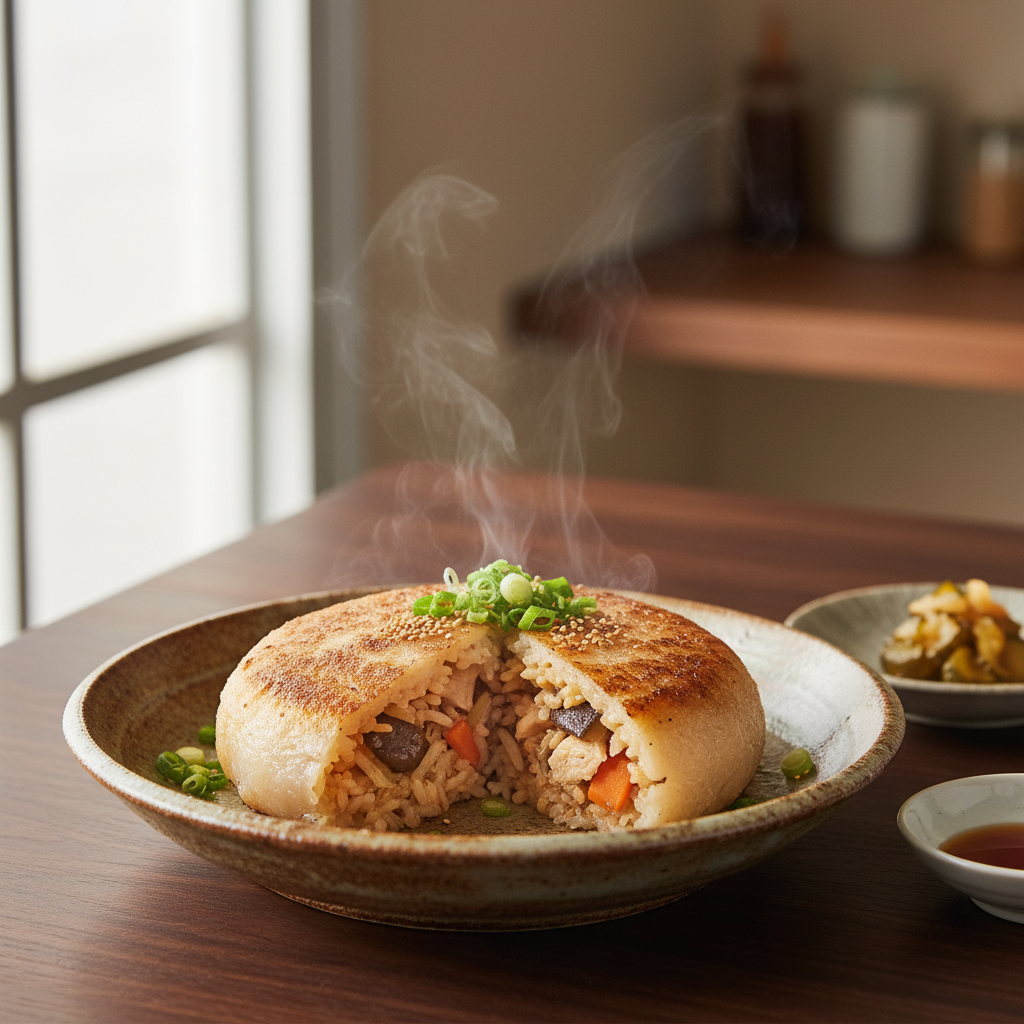
Daisen Okowa (大山おこわ) is a representative local dish of the western region of Tottori Prefecture, cultivated at the foot of Daisen (elevation 1,729m), the highest peak in the Chugoku region. It is okowa made primarily from glutinous rice, cooked together with wild vegetables and vegetables nurtured by Daisen’s rich nature, chicken, and other ingredients seasoned with soy sauce-based flavoring. It is characterized by a simple yet profound flavor.
The name “okowa” derives from “kowaiii” (強飯), which means glutinous rice that has been steamed. Unlike ordinary cooked rice dishes, it offers a unique chewy texture. Daisen Okowa fundamentally uses 100% glutinous rice, and this very texture is one of the reasons it has been beloved by local people for many years.
Today, it is sold not only as a home-cooked dish but also as a station bento at JR Yonago Station, and has become established as a famous local dish familiar to tourists visiting Tottori Prefecture. As a dish symbolizing the region’s food culture, it continues to be passed down across generations.
History and Origins of Daisen Okowa
A Tradition Beginning with Warrior Monks’ Prayers for Victory
The origins of Daisen Okowa trace back to the era of warrior monks who served Daisen Temple. According to tradition, when warrior monks set out for the battlefield, they would cook rice with wild game birds and mountain herbs as a prayer for victory. Daisen has long been known as a sacred mountain where many monks and ascetics conducted their religious training at this holy site. Among them, the warrior monks devised nutritious meals using the blessings of the mountain as provisions for long journeys.
Mountain game birds were a valuable source of protein found in Daisen’s forests, and mountain herbs refer to various wild plants harvested seasonally. By combining these, they ensured the nutrition necessary to maintain physical strength on the battlefield. It is believed that glutinous rice was used because it had better satiety than ordinary rice and was superior as an energy source.
Transition to a Celebratory Dish
Subsequently, as times changed and warrior monk culture faded, Daisen Okowa was passed down as a special dish for regional festivals and celebrations. It became established as a “hare no hi” (a special occasion) dish served at weddings, memorial services, regional festivals, and other significant occasions.
Each household has a recipe passed down through generations, with subtle differences in ingredients and seasoning, but the fundamental spirit of utilizing Daisen’s natural blessings remains unchanged. In the past, it was common for each household to gather wild plants and use seasonal vegetables to prepare it. This regionality and seasonal awareness are what make Daisen Okowa not merely a cooked rice dish but something special as a local cuisine.
Main Transmission Areas and Regional Culture
Positioning in Western Tottori Prefecture
Daisen Okowa has primarily been transmitted in western Tottori Prefecture, particularly in areas surrounding Daisen Mountain such as Daisen Town, Yonago City, Sakaiminato City, Hiyoshi Village, Daisen Town, Nanbu Town, Hoki Town, Nichinan Town, Hino Town, and Koge Town. This region is blessed with a rich natural environment centered on Daisen and has long been an area where agriculture and forestry have flourished.
In the western region, Daisen is affectionately called “Daisen-san” and has been respected as a regional symbol. The blessings of Daisen—clear water, fertile soil, and abundant mountain resources—form the foundation of this region’s food culture. Daisen Okowa is a dish closely connected to the region’s nature and serves as a symbol of regional identity.
Food Ingredient Variations by Region
Interestingly, even the same Daisen Okowa shows differences in ingredients used depending on the region and household. Mountainous areas tend to use more wild plants, with bracken ferns, ostrich ferns, and bamboo shoots as main ingredients. Conversely, in lowland areas, the proportion of cultivated vegetables increases, with carrots, burdock root, and shiitake mushrooms becoming central ingredients.
Particularly interesting is the custom in some areas of adding chikuwa (fish cake tubes). This is a practice unique to areas closer to the sea, combining mountain provisions with seafood to create a richer flavor. Such regional differences illustrate the diversity and depth of Daisen Okowa.
Primary Ingredients and Nutritional Value
Basic Ingredients
The basic ingredients for Daisen Okowa are as follows:
Grains
- Glutinous rice: 100% use is standard. Characteristic in stickiness and sweetness.
Protein Sources
- Chicken: Using thigh or breast meat. In modern times, replacing wild game birds.
- Fried tofu: Adds richness and umami.
Wild Plants and Vegetables
- Bracken ferns, ostrich ferns: Representative spring wild plants.
- Bamboo shoots: Textural accent.
- Burdock root: Aroma and flavor.
- Carrots: Color and sweetness.
- Shiitake mushrooms: Foundation of umami.
- Chestnuts: Autumn flavors (seasonal).
Seasonings
- Soy sauce: Flavor base.
- Sugar: Subtle sweetness.
- Mirin: Gloss and depth.
- Sake: Eliminates unwanted odors from ingredients.
- Dashi broth: Made from kombu seaweed or dried anchovies.
Nutritional Value
Daisen Okowa is a dish with excellent nutritional balance. Glutinous rice has higher energy density than ordinary rice and serves as a sustained energy source needed for extended activity. Chicken provides high-quality protein, while wild plants and vegetables offer abundant dietary fiber, vitamins, and minerals.
Wild plants in particular are rich in dietary fiber, which is often lacking in modern diets and helps improve intestinal health. Vitamins in shiitake mushrooms support bone health, while inulin in burdock root helps moderate blood sugar rise. While soy sauce-based seasoning raises sodium concerns, the high vegetable quantity provides abundant potassium, achieving balance with sodium.
How to Make Daisen Okowa (Detailed Recipe)
Ingredients (Serves 10)
Main Ingredients
- Glutinous rice: 5 cups (approximately 750g)
- Chicken thigh: 300g
- Fried tofu sheets: 2
- Burdock root: 1 root (approximately 150g)
- Carrots: 1 (approximately 150g)
- Shiitake mushrooms: 6
- Canned bamboo shoots: 200g
- Canned bracken ferns: 150g (or other wild plants)
Seasonings
- Soy sauce: 5 tablespoons
- Sugar: 3 tablespoons
- Mirin: 3 tablespoons
- Sake: 2 tablespoons
- Dashi broth: 400ml
- Salt: 1/2 teaspoon
Preparation
- Glutinous Rice Preparation: Wash glutinous rice and soak in water overnight. Soaking for at least six hours or more allows water to penetrate fully to the center, resulting in fluffy steaming.
- Ingredient Cutting:
- Cut chicken into bite-sized pieces
- Cut burdock root into thin shavings and soak in water
- Cut carrots into matchstick pieces
- Remove mushroom stems and slice thinly
- Slice bamboo shoots thinly
- Cut bracken ferns into 3cm pieces
- Pour hot water over fried tofu to remove oil, then cut into thin strips
Instructions
Step 1: Preliminary Cooking of Ingredients
Place dashi broth in a pot over medium heat and add chicken until it changes color. Next, add burdock root, carrots, shiitake mushrooms, bamboo shoots, and fried tofu, then add soy sauce, sugar, mirin, sake, and salt. Simmer for about 10 minutes until flavors have soaked into the ingredients. Separate the ingredients from the broth and set aside; do not discard the broth as you’ll use it later.
Step 2: Draining Glutinous Rice and Mixing
Place the overnight-soaked glutinous rice in a colander and drain thoroughly. Put the drained glutinous rice in a large bowl, add the cooked ingredients and bracken ferns, and mix evenly. At this point, add only a small amount of broth (3-4 tablespoons) and set the remainder aside.
Step 3: Steaming
Line a steamer with steaming cloth, add the mixed glutinous rice and ingredients. Level the surface and steam over high heat for approximately 30 minutes. After 30 minutes, open the lid once and sprinkle the reserved broth over the entire surface. Cover again and steam for another 15-20 minutes.
Insert a bamboo skewer; if no raw rice remains at the center, it is done. After steaming is complete, let it rest for about 10 minutes, then gently mix with a shamoji (rice paddle) to incorporate air.
Using a Rice Cooker
If you don’t have a steamer, you can use a rice cooker. After washing glutinous rice and soaking for about 30 minutes, place in the rice cooker. Add the pre-cooked ingredients and broth, then cook using the “okowa mode” or “cooked rice mode.” Adjust the broth quantity to match the rice cooker’s markings. Be careful not to add too much liquid as this results in mushy texture.
Tips and Pointers
- Glutinous Rice Soaking Time: Soaking overnight significantly improves the chewy texture of the finished product
- Pre-flavoring of Ingredients: Properly flavoring the ingredients sets the overall taste. Always use the broth without discarding it
- Steaming Technique: The step of adding broth midway (“supplementary water”) is crucial. This allows heat to penetrate to the center of the rice, resulting in fluffy cooking
- Handling Wild Plants: If using fresh wild plants, always remove bitterness first. Even when using canned varieties, rinse with water first to remove any odor
- Storage Method: Once cooled, wrap individual portions in plastic wrap and freeze. Reheat in a microwave or steam again before serving
Eating Occasions and Seasonality
As a Special Occasion Dish
Daisen Okowa has been positioned as a “hare no hi” (special occasion) dish rather than everyday food. It invariably appears at weddings, memorial services, regional festivals, house-raising ceremonies, 60th birthday celebrations, and other life milestones and community events.
Especially during autumn festival season, each household prepares Daisen Okowa and shares it with relatives and neighbors. The sight of large batches prepared and packed in tiered boxes to entertain guests remains an autumn landscape tradition in western Tottori Prefecture today.
Ingredient Changes by Season
While Daisen Okowa is made year-round, the ingredients used vary seasonally.
Spring: Spring wild plants like bracken ferns, ostrich ferns, and bamboo shoots take center stage. Wild plants harvested from the green Daisen offer a fragrant taste of spring’s arrival.
Summer: Preserved wild plant varieties and dried ingredients are used, sometimes incorporating summer vegetables.
Autumn: Chestnuts and mushrooms are used abundantly, making this the season for the most luxurious Daisen Okowa. Using newly harvested glutinous rice makes it especially delicious.
Winter: The ingredient composition centers on preserved dried wild plants and root vegetables.
This very seasonality proves that Daisen Okowa is not merely a recipe but a local cuisine deeply rooted in regional nature and life.
Eating Methods and Ways to Enjoy
Traditional Way of Eating
Daisen Okowa should be enjoyed while warm. One appreciates the glutinous texture unique to glutinous rice combined with the umami of the ingredients. No special side dishes are necessary; simply serving with pickles or miso soup is sufficient.
At celebratory gatherings, it is typically presented packed in tiered boxes and served to guests. It remains delicious when cooled, making it ideal as a bento lunch. In fact, it’s sold as a station bento at JR Yonago Station where it’s beloved by many as a travel companion.
Modern Arrangements
While preserving traditional preparation methods, modern variations suited to contemporary lifestyles have emerged.
- Western-Style Arrangement: Adding a small amount of butter increases richness and makes it more palatable for children
- Health-Conscious Arrangement: Adding mixed grains further increases nutritional value
- Time-Saving Arrangement: Using a rice cooker with pre-cut vegetables or canned ingredients makes it easier to prepare
- Onigiri Style: Forming into bite-sized rice balls for use as party food
Preservation and Transmission Efforts
Community Transmission Activities
To pass Daisen Okowa traditions to the next generation, various initiatives are undertaken in western Tottori region. Community cooking classes have elderly practitioners teach younger generations not only recipes but also ingredient selection and seasonal wild plant identification.
Elementary school local studies also cover Daisen Okowa, with classes conducting actual cooking experiences. Learning regional food culture aims to foster affection for one’s hometown.
Commercialization and Use as Tourist Resource
Daisen Okowa has been commercialized. The “Daisen Okowa” station bento sold at JR Yonago Station uses local ingredients abundantly and has become a standard souvenir for tourists visiting Tottori Prefecture. Roadside stations and tourist facility restaurants also serve it, playing an important role as a tourism resource.
Some restaurants feature authentic Daisen Okowa made by proprietors who personally gather wild plants, also offering takeout bento boxes. Through such efforts, traditional flavors have become widely known to tourists.
Information Dissemination Through SNS
Recently, active information sharing occurs through SNS. Local cooking enthusiasts and restaurants post photos of Daisen Okowa preparation methods and beautiful plating, sharing Tottori’s food culture nationwide. Searching hashtags like “#大山おこわ” or “#鳥取グルメ” reveals various Daisen Okowa variations.
Such digital-age initiatives transmit Daisen Okowa’s appeal to younger generations, enabling new forms of transmission. Continuing to evolve while preserving tradition supports the sustainability of local cuisine.
Daisen Okowa and Regional Food Culture
Positioning in Western Tottori’s Food Culture
Daisen Okowa is indispensable when discussing western Tottori’s food culture. The region also has “nonokemeshi” (wild plant cooked rice) and “itadaki” (fried tofu stuffed with rice), among other rice-based local dishes.
Common to these dishes is maximum utilization of natural regional blessings and experiencing seasonal transitions at the dining table. Among them, Daisen Okowa holds particular status as a “special occasion” dish with deep regional attachment.
Connection Between Daisen Faith and Food Culture
Daisen has long been called “Hoki Fuji” and been an object of faith. Daisen Temple, founded in the Nara period, was an ancient temple that at its peak had over one hundred temples. Monks and ascetics developed shojin ryori (Buddhist vegetarian cuisine) using mountain blessings, which became the foundation of regional food culture.
Daisen Okowa emerged from this historical background and holds cultural and spiritual significance beyond mere food. It is treasured by regional people as a dish embodying gratitude to the mountains and reverence for nature.
Comparison with Other Local Dishes
While various okowa and cooked rice dishes exist nationwide, Daisen Okowa’s characteristics are using 100% glutinous rice and abundantly using Daisen’s wild plants. For example, northeastern “sekihan” (red rice) uses azuki beans, while Daisen Okowa features soy sauce flavoring with wild plants and chicken as starring ingredients.
Even within Chugoku region, Hiroshima’s “kaki meshi” (oyster rice) features oysters, while Okayama’s “bara sushi” uses vinegared rice. Each reflects regional characteristics. Daisen Okowa, making use of mountain blessings, is an inland-specific local dish clearly reflecting regional geography.
Places to Experience Daisen Okowa
Home Preparation
The most authentic Daisen Okowa is made in regional homes. Each household has recipes passed through generations with distinctive flavoring nuances and ingredient combinations. Opportunities exist to purchase homemade Daisen Okowa at regional events or farmers markets.
Restaurants and Roadside Stations
Multiple restaurants and roadside stations in western Tottori serve Daisen Okowa. Particularly in the Daisen tourist area, several establishments specializing in local ingredient-focused Daisen Okowa exist. Some proprietors personally harvest wild plants, allowing guests to experience different seasonal flavors.
As Station Bento
The “Daisen Okowa” station bento sold at JR Yonago Station is popular as a product allowing travelers to easily enjoy authentic local flavor. Made using local ingredients while respecting traditional methods, it has become one of Tottori’s representative station bentos.
Conclusion: The Regional Heart Transmitted by Daisen Okowa
Daisen Okowa transcends mere cuisine to become a regional treasure embodying the history, culture, nature, and people’s lives of western Tottori Prefecture. Beginning with warrior monks’ prayers for victory and passed down as a special occasion dish, this cuisine contains the wisdom and ingenuity of regional people and their gratitude toward nature.
The chewy texture from 100% glutinous rice, the rich flavor of Daisen’s wild plants and local vegetables, and the simple yet profound soy sauce-based taste—all harmonize to create a uniquely incomparable local dish.
Today, while preserving tradition, new initiatives progress with commercialization, use as a tourism resource, and SNS-based information dissemination, creating diverse forms for next-generation transmission. Daisen Okowa, maintaining regional food culture while evolving with the times, represents a model case for sustainable local cuisine.
When visiting Tottori Prefecture, please taste authentic Daisen Okowa. Should opportunity arise, trying to make it at home is recommended. The very process of soaking glutinous rice overnight and carefully preparing it with local ingredients becomes a valuable experience in encountering regional food culture.
We hope Daisen Okowa allows you to rediscover Japan’s rich food culture and regional charm.