Saba no Narezushi: The Charm and Traditional Methods of Fukui Prefecture’s Ancient Fermented Local Cuisine
Saba no narezushi, an ancient fermented food passed down for centuries in the Wakasa region of Fukui Prefecture, is said to be the root of Japanese sushi culture. This local dish, made by further pickling “heshiko” (salt-preserved mackerel) with rice koji and rice, then fermenting it through lactic acid fermentation, is a precious traditional cuisine that conveys to the present day Fukui’s food history, which supported the food culture of the capital as the “Miketsukuni” (the nation’s kitchen).
Saba no Narezushi: The Culmination of Fukui Prefecture’s Fermented Food Culture
A Traditional Dish with Roots in Ancient Sushi
Saba no narezushi is a type of “narezushi” (aged sushi), the oldest form of Japanese sushi made by pickling fish with rice and salt and fermenting it through lactic acid fermentation. Unlike modern nigiri sushi, this dish developed as a preserved food, and records remain showing it was presented to the imperial court from the Asuka to Nara periods.
In Fukui Prefecture, it is particularly carried on in the Akaikaichi and Tagrashu districts of Obama City in the Wakasa region and is made in each household as an essential dish for auspicious occasions such as New Year’s and festivals. Characterized by its unique sourness and umami, it is also called “ancient sushi” and is considered the root of sushi culture throughout various regions.
Food Culture Nurtured by Miketsukuni, Wakasa
The Wakasa region of Fukui Prefecture has served an important role since ancient times as the “Miketsukuni,” delivering salt and marine products to the imperial court. The abundant seafood caught in Wakasa Bay was transported to Kyoto via the road called the “Saba Kaido” (Mackerel Road), supporting the food culture of the capital.
This geographical and historical background promoted the development of saba no narezushi as a preserved food. The abundant supply of fresh mackerel and the necessity of long-distance transport to the capital gave rise to superior preservation techniques.
The Traditional Method of Making Saba no Narezushi
The Long Process Beginning with Heshiko Production
Making saba no narezushi begins with making “heshiko.” Heshiko is a traditional preserved food of Fukui Prefecture made by pickling mackerel in salt and rice bran, and this process alone takes several months to over a year.
Fresh mackerel is gutted and pickled in large amounts of salt to remove moisture. It is then transferred to a bran bed for aging, resulting in heshiko with a unique flavor and umami. During this process, the mackerel’s proteins break down and amino acids are generated, creating deep umami.
The Processing Steps to Narezushi
Once the heshiko is complete, the narezushi-making process begins. First, the heshiko is carefully washed with water and soaked in water for a full day to remove salt. This salt removal balance is a crucial point that determines the final taste.
After removing salt, the skin is peeled from the heshiko, the belly is opened, and the bones are removed. Cooked rice mixed with rice koji is then stuffed inside, and the fish is placed in a barrel or container for pickling. Fermenting in this state for one to four weeks completes the saba no narezushi.
Taste Changes Through Fermentation
During the pickling period, through the action of rice koji enzymes and lactic acid bacteria, the rice’s starch breaks down into sugar, and lactic acid fermentation progresses further. This fermentation process creates the unique sourness, sweetness, and complex umami. Like fermented foods such as natto and cheese, it transforms into food with abundant nutrients and a unique flavor.
Since the taste changes depending on the progress of fermentation, different individuality is created by different households and manufacturers. In the shallow-pickled state, the sweetness of rice koji stands out, and as fermentation progresses, sourness and umami increase.
The Taste and Characteristics of Saba no Narezushi
Unique Flavor and Texture
The greatest characteristic of saba no narezushi is the complex taste that harmonizes the unique sourness from fermentation with the umami of mackerel. Unlike the general image of narezushi, those made in Fukui Prefecture are often finished relatively mildly and easy to eat, and particularly those modernly adapted are being researched with the goal of being “delicious enough for children to enjoy.”
The mackerel flesh softens through fermentation, and the rice and koji become unified to create a unique texture. The surface retains rice koji granules, and when chewed, a puffy texture spreads along with sweetness and sourness in the mouth. The fishy smell almost disappears during fermentation, replaced by a characteristic mellow fermented aroma.
A High-Nutrition Fermented Food
Saba no narezushi has also been attracting attention for its health benefits as a fermented food. The abundant DHA and EPA omega-3 fatty acids in mackerel change through fermentation into forms that are easier to absorb. Additionally, the lactic acid bacteria generated during fermentation can be expected to have the effect of improving intestinal health.
Fermentation with rice koji increases B vitamins, and proteins are broken down into amino acids, making them easier to digest and absorb. Though it developed as a preserved food, from a modern perspective it can be said to be a food with excellent nutritional balance.
Delicious Ways to Enjoy Saba no Narezushi
Basic Way of Eating
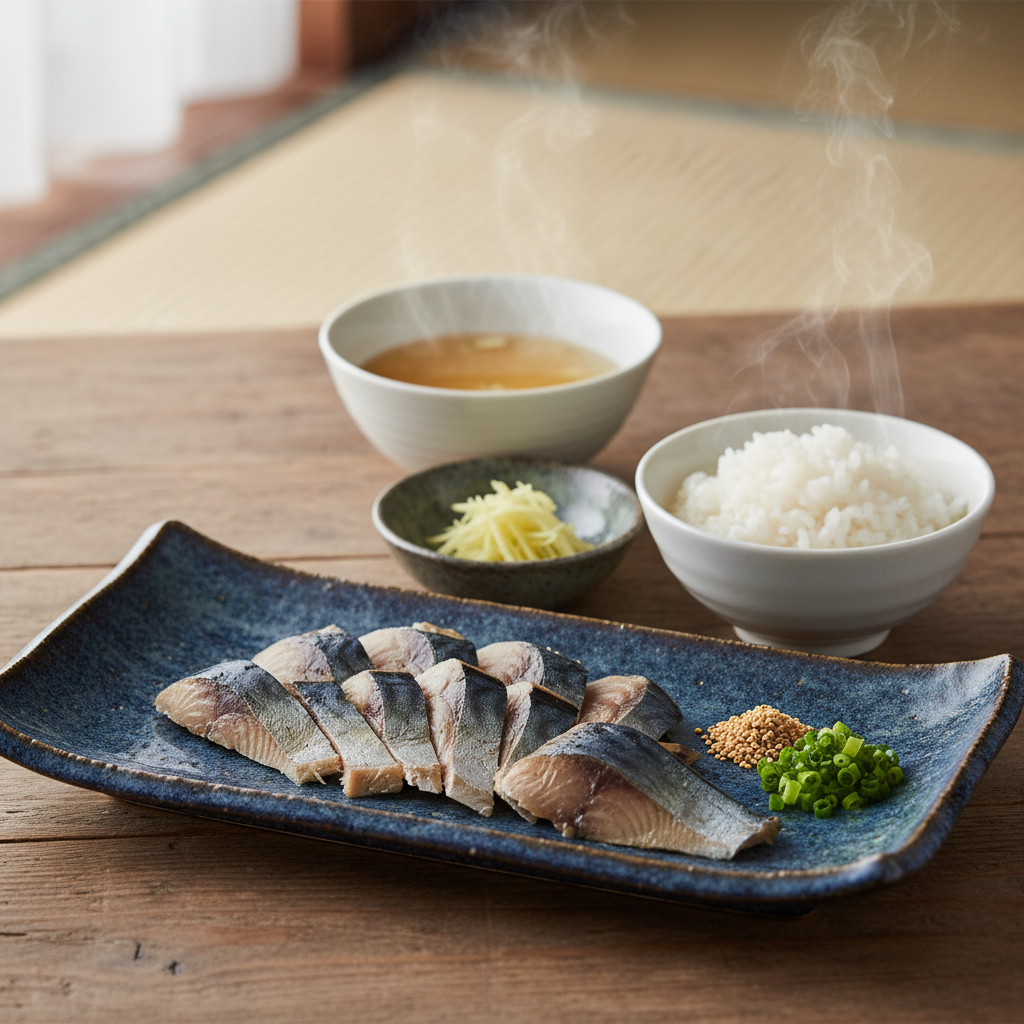
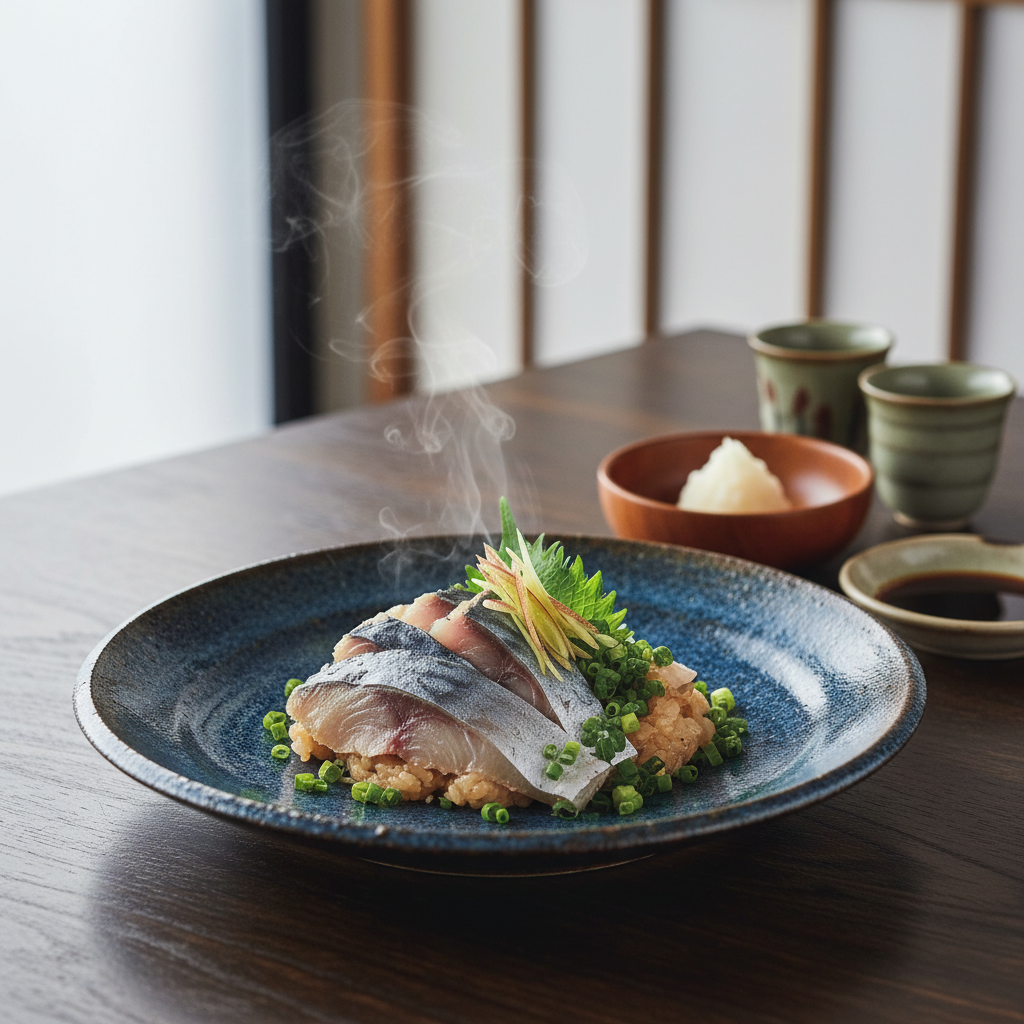
The basic way to eat saba no narezushi is to slice it thinly and eat it as is. By enjoying the fermented rice along with the mackerel flesh, you can fully appreciate the taste of the entire dish. Rather than eating it straight from the refrigerator, bringing it to room temperature slightly first will enhance its flavor.
The slicing is typically done following the mackerel’s fibers to create thin slices. If cut too thickly, the sourness and saltiness can feel too strong, so about 5mm thin slices are recommended. When plating, arranging it with the rice koji on the surface also creates a beautiful appearance.
Culinary Applications and Arrangements
Saba no narezushi can be arranged in various dishes beyond eating it plain. Sliced thinly and used as ochazuke (tea rice), the fermented sourness becomes a refreshing accent. It can also be finely chopped and used as a filling for onigiri (rice balls) or tossed with pasta, allowing for modern arrangements.
When lightly grilled, it gains a roasted aroma, creating a different taste. By grilling only the surface, a textural contrast is created with the outside crispy and the inside moist. It pairs excellently with alcohol such as Japanese sake and wine, making it perfect as a delicacy to accompany drinks.
Food Pairings and Combinations
Saba no narezushi pairs well with condiments such as grated daikon, ginger, and green onion, which can add variation to the taste. Grated daikon in particular makes the unique fermented food flavor milder and creates a refreshing aftertaste.
As a Fukui local cuisine, it is also pleasant to enjoy it paired with the traditional Echizen soba and local sake from the region. Cheese also pairs surprisingly well, offering the discovery of new flavors through the combination of fermented foods.
Major Production Areas in Fukui Prefecture and Their Characteristics
Akaikaichi and Tagarashu Districts of Obama City
The Akaikaichi and Tagarashu districts of Obama City in Fukui Prefecture are known as the heartland of saba no narezushi. In this region, there is a tradition of eating narezushi without fail during the New Year’s, with each household making it according to methods passed down through generations.
The narezushi of Tagarashu District is particularly characterized by its strong sweetness, making it popular with women. It is often manufactured during the limited period from October to April, with the cold season fermentation said to produce superior taste. As a local traditional dish, families begin preparing it at the year’s end.
Traditions Throughout the Wakasa Region
Beyond Obama City, saba no narezushi is made throughout the Wakasa region. In fishing villages along the Wakasa Bay coast, slightly different manufacturing methods and seasonings are passed down in each area, allowing for the enjoyment of regional individuality.
Narezushi using heshiko is also made along the Echizen coast, and traditional manufacturers still exist within Fukui City. In each region, differences in flavor arise depending on climate, water quality, and the type of rice koji used.
The Saba Kaido and the Tradition of Kuroki
In the Kuroki region of Shiga Prefecture along the “Saba Kaido” (Mackerel Road) that continues from Fukui Prefecture to Kyoto, the tradition of saba no narezushi is also carried on. The Kuroki narezushi made using mackerel transported from Wakasa is an example of food culture born from street trading culture.
The Saba Kaido was an important trading route for transporting Wakasa marine products to Kyoto. Through this road, food culture was transmitted, and unique narezushi culture flourished in various areas. Even today, the tradition of making narezushi is preserved in regions along the Saba Kaido.
Tradition and Innovation Carried into Modern Times
Craftspeople Preserving Traditional Methods
In Fukui Prefecture, there are craftspeople and producers who continue to make saba no narezushi while preserving methods passed down through generations. While respecting the wisdom and techniques of their predecessors, they conduct manufacturing that also conforms to modern hygiene standards and quality control.
There are also producers like Yasushi Shimasaki, owner of the izakaya “Oide Yasushi,” who conducts research aimed at creating “narezushi that even children can enjoy deliciously.” The efforts to pursue ease of eating suited to modern life while maintaining the taste of tradition play an important role in the inheritance of traditional cuisine.
Recognition as a “Fukui no Megumi” (Fukui’s Blessings) Certified Product
Saba no narezushi has also been selected as a “Fukui no Megumi” certified product, where Fukui Prefecture recognizes superior regional products. This certification is granted to products that use local raw materials and are made using traditional methods or unique techniques, being recognized as products representative of Fukui’s food culture.
As a certified product, efforts continue to maintain the taste of tradition while meeting standards for quality and hygiene management. It has become an opportunity for tourists and people from outside the prefecture to learn of Fukui’s food culture, contributing to the dissemination of local cuisine.
Inheritance by Younger Generations and Challenges
Like narezushi and other traditional fermented foods, saba no narezushi faces challenges in inheritance by younger generations due to the time and labor required for manufacturing. The unique flavor can also be difficult for young people accustomed to modern eating habits to accept.
However, in modern times when the health benefits of fermented foods are receiving renewed attention, the nutritional value and functionality of saba no narezushi are being reevaluated. Efforts to pass the taste of tradition to younger generations through food education activities and local cuisine classes are being undertaken in various places.
Purchasing and Storage Methods for Saba no Narezushi
Where to Purchase
Saba no narezushi can be purchased at roadside stations, specialty product shops, and souvenir stores in Obama City throughout Fukui Prefecture. It is also available through online shops such as “Fukui-san,” making it possible to purchase from throughout the country.
Since manufacturing is limited to the cold season from October to April, the times when it is available for purchase are also limited. During December and January before New Year’s, when demand increases, products often become scarce, so early purchasing is recommended.
Storage Methods and Shelf Life
While saba no narezushi is a fermented food, it should be stored in the refrigerator after purchase. When unopened, it can be stored in a refrigerator for several weeks to about a month, but it is recommended to eat it relatively soon after opening.
Freezing is also possible, though texture may change upon thawing. When freezing, divide into portions, wrap in plastic wrap, and store in an airtight container. When eating, thawing slowly in the refrigerator minimizes flavor deterioration.
Precautions When Purchasing Online
When purchasing from an online shop, carefully confirm the information of the manufacturer and seller. Select products where information about whether they are made using traditional methods, the origin of raw materials, and manufacturing dates is clearly stated.
Also, due to the unique flavor characteristic of fermented foods, it is recommended to start with a small amount when purchasing for the first time. Referring to reviews and comments from other purchasers makes it easier to find products that match your preferences.
Relationship with Other Fukui Local Cuisines
Differences from Heshiko
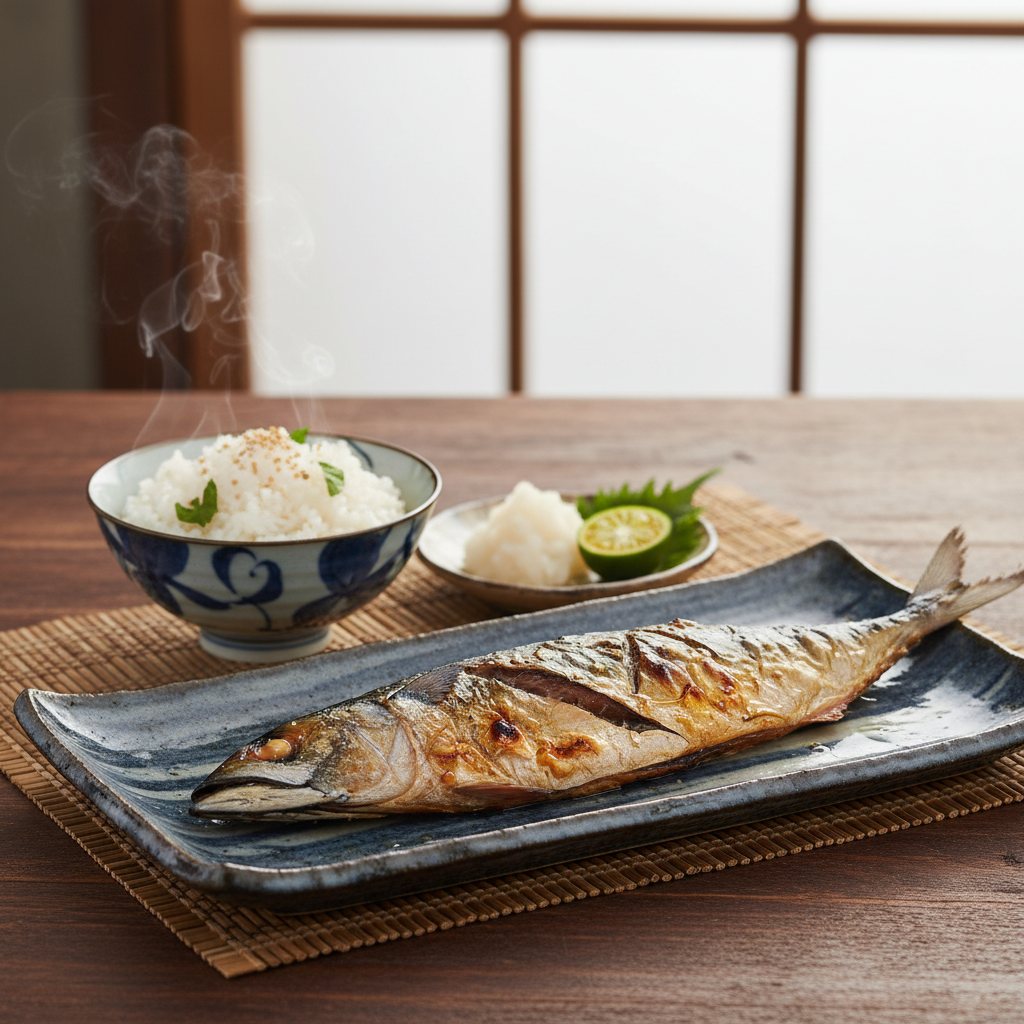
“Heshiko,” which is the raw material for saba no narezushi, is also a representative local dish of Fukui Prefecture. Heshiko is a preserved food made by pickling mackerel in salt and rice bran, and it is enjoyed grilled as is or as ochazuke (tea rice).
The major difference between heshiko and narezushi is the presence or absence of fermentation with rice koji. While heshiko’s aging is primarily through bran pickling, narezushi undergoes more complex fermentation by further pickling with rice koji and rice, adding sourness and sweetness. Heshiko becomes the material for narezushi, and both can be said to be representative dishes of Fukui’s fermented food culture.
Connection to Saba Nuta
Fukui Prefecture also has a local dish called “saba nuta,” which is mackerel mixed with vinegar miso, differing in cooking method from saba no narezushi but cherished as a traditional mackerel dish.
The development of various mackerel dishes utilizing the abundant mackerel of the Wakasa region tells of the richness of the area’s food culture. The history of mackerel-centered food culture forming as the starting point of the Saba Kaido is reflected in these local dishes.
Fukui’s Fermented Food Culture
Fukui Prefecture is a region where the production of fermented foods such as narezushi, heshiko, miso, soy sauce, and sake is thriving. The cold winters and abundant water resources have provided an environment suited to fermented food production.
These fermented foods have held important positions not only as preserved foods but also as dishes for auspicious occasions. During New Year’s and festivals, fermented foods including narezushi have adorned the dining table and supported the region’s food culture.
Inheritance of Food Culture Through Saba no Narezushi
Value as a Tourism Resource
Saba no narezushi has also been attracting attention as a tourism resource for Fukui Prefecture. As food culture experience tourism grows in popularity, tasting traditional local cuisine offers a valuable opportunity to understand a region’s history and culture.
For tourists visiting Obama City and the Wakasa region, saba no narezushi is a must-try dish. Local restaurants also serve creative dishes using narezushi, allowing visitors to experience a new gastronomic experience where tradition and innovation fuse.
Food Education and Regional Identity
Introducing local cuisine such as saba no narezushi in school lunches and food education activities provides important opportunities to pass the region’s food culture to children. Learning the manufacturing process also deepens understanding of fermentation as a scientific process.
Local cuisine plays an important role in forming regional identity. Making and eating saba no narezushi is a cultural activity that fosters pride and sense of belonging as Fukui Prefecture residents.
As Sustainable Food Culture
Saba no narezushi is a dish packed with the wisdom of ancestors who utilized fish caught locally without waste and enabled long-term preservation. It is food culture rich in implications for addressing modern issues such as food waste reduction and local production for local consumption.
The technique of utilizing natural fermentation processes and raising preservation and nutritional value without using additives is an important reference point when considering sustainable approaches to food. The possibilities for future food are hidden within traditional food culture.
Conclusion: The Food History of Fukui Told by Saba no Narezushi
Saba no narezushi is a traditional fermented local dish of pride to the Wakasa region of Fukui Prefecture. As the root of sushi continuing from ancient times and a precious food culture heritage conveying to the present the history of Fukui, which supported the capital’s food culture as the nation’s kitchen.
The unique method of fermenting heshiko with rice koji and rice is the crystallization of the wisdom of ancestors cultivated over long years. This dish, made with time and effort, has been deeply rooted in the lives of local people as a special dish for New Year’s and auspicious occasions.
Saba no narezushi, with its unique sourness and umami and complex flavor, is a taste that once tasted is unforgettable. In modern times, versions adapted to be easier to eat have appeared, with continued efforts to make it acceptable to younger generations and people from outside the prefecture.
When visiting Fukui Prefecture, be sure to taste this traditional local dish. With just one bite, you will feel the Wakasa sea and history, as well as the depth of inherited food culture. Saba no narezushi is a symbol of Fukui’s food culture, connecting past, present, and future.