Complete Guide to Hesiko | History, How to Make, and Delicious Ways to Eat Fukui Prefecture’s Traditional Local Cuisine
What is Hesiko? Traditional Local Cuisine of the Wakasa Region in Fukui Prefecture
Hesiko is a traditional local dish that has been passed down for centuries in the Wakasa region (Reinan area) of Fukui Prefecture. It is primarily a preserved food made by fermenting mackerel (saba) with salt and rice bran (nuka), representing the crystallization of food culture containing the wisdom of our ancestors who endured harsh winters along the Sea of Japan coast.
There are several theories about the origin of the unique name “hesiko,” but the most prominent theory is that it comes from “pressing (he) fish into a barrel (heshi-komu).” There is also a theory that it derives from “hesu,” a dialect word meaning “to dry.”
While mackerel is the most common variety today, hesiko made with sardines (iwashi), yellowtail (buri), and pufferfish (fugu) also exist, each offering different flavors and textures.
Characteristics of Hesiko
- Deep umami unique to fermented foods: Complex flavors created through long-term fermentation with salt and bran
- High preservation: Food preservation techniques passed down since before the era of refrigeration
- High nutritional value: Amino acids and vitamins that increase through fermentation
- Unique aroma: Fragrant aroma characteristic of the bran bed and fermented smell
- Rich salty taste: High salt concentration to enhance preservation
History and Cultural Background of Hesiko
Development of Food Preservation Culture in the Wakasa Region
The history of hesiko is believed to have been established from the Muromachi period through the Edo period. Wakasa Bay is known as one of Japan’s finest fishing grounds, particularly for mackerel catches. However, mackerel is a representative example of a “fish that spoils easily,” with the saying “saba no ikizarei” (mackerel’s living decay) expressing how quickly its freshness deteriorates.
To preserve this abundant but easily perishable mackerel for long periods, the method of making hesiko was invented. In an era without refrigeration technology, it was cherished as a valuable source of protein during winter months and as portable food for those going out to work or fish.
The “Mackerel Road” Connecting Wakasa and Kyoto
Mackerel caught in the Wakasa region was transported to Kyoto via a route called the “mackerel road.” Hesiko also influenced Kyoto’s food culture through this distribution route, and even today, hesiko is prized in some areas of Kyoto.
The distance from Wakasa to Kyoto is approximately 70 kilometers. According to a famous anecdote, when fresh mackerel was carried on foot for a day and a night, the salt balance would be just right by the time it reached Kyoto. Hesiko developed as a form more capable of long-term preservation within this distribution network.
Current Positioning of Hesiko
Today, hesiko has advanced in regional branding as a representative local dish of Fukui Prefecture. In 2007, it was selected by the Ministry of Agriculture, Forestry and Fisheries in the “Folk Dishes of Rural and Fishing Villages Nationwide,” with its cultural value widely recognized.
The tradition of making homemade hesiko in winter remains in households throughout the Wakasa region, with subtly different flavors being passed down in each home.
How to Make Hesiko – Manufacturing Process
Basic Manufacturing Steps
The manufacture of hesiko is divided into the following steps. The entire process takes approximately 1 to 2 years.
1. Fish Preparation (October to November)
- Prepare fresh mackerel (autumn mackerel with good fat content is optimal)
- Remove the head and remove internal organs
- Open the fish along the back or belly
- Rinse away any blood and remaining internal organs thoroughly
- Wipe away all moisture
2. Salt Curing (First Stage)
- Lay salt on the bottom of a barrel
- Arrange mackerel and sprinkle generously with salt on top
- Layer mackerel and salt alternately
- Cover the top thickly with salt as well
- Place a weight stone and cure for 1-2 months
- This process removes water from the fish and increases preservation ability
3. Desalting and Preparation for Bran Pickling
- Remove the salt-cured mackerel
- Rinse away excess salt and desalt appropriately
- Wipe away moisture and air-dry in shade for half a day to 1 day
4. Bran Pickling (Second Stage)
- Prepare a bran bed (mix rice bran, salt, red pepper, kombu, etc.)
- Lay the bran bed on the bottom of the barrel
- Apply bran evenly over the surface of the mackerel
- Arrange the mackerel and pack bran in with no gaps
- Layer continuously until everything is packed
- Place a weight stone and seal tightly
5. Aging and Fermentation
- Age in a cool, dark place for 6 months to 1 year or longer
- As fermentation progresses, unique flavors develop
- Perform appropriate maintenance of the bran bed
Tips for Making Hesiko at Home
Salt balance is most critical: If there is too little salt, the fish will rot; if there is too much, it becomes overly salty. It is common to use salt equal to 20-30% of the fish’s weight.
Bran bed proportions: Mix approximately 10-15% salt with rice bran. Red pepper has insect-repelling and preservative effects, while kombu adds umami.
Temperature control: An ideal fermentation temperature is 10-15 degrees Celsius. Higher temperatures cause fermentation to proceed too quickly and flavor to be compromised, while lower temperatures slow fermentation.
Importance of weight stones: Placing weight stones 2-3 times the fish’s weight removes excess moisture, cuts off air, and prevents aerobic bacterial growth.
Nutritional Value and Health Benefits of Hesiko
Nutritional Value as a Fermented Food
As a fermented food, hesiko contains the following nutritional components in abundance.
Protein: Rich in high-quality protein from mackerel, which is broken down into amino acids through fermentation and becomes easily absorbable.
DHA and EPA: Contains abundant omega-3 fatty acids unique to oily fish, helping with blood flow and maintenance of brain function.
B Vitamins: Microorganisms generate B vitamins during fermentation, helping with fatigue recovery and metabolism promotion.
Calcium: Eating the bones allows for efficient calcium intake.
Lactic acid bacteria: Lactic acid bacteria from the bran bed improve intestinal environment and contribute to improved immunity.
Health Precautions
Hesiko is a high-salt-content food. One piece (approximately 30g) may contain 3-5g of salt, which is nearly half the daily salt intake target (less than 7.5g for men, less than 6.5g for women).
Enjoy in appropriate amounts: Rather than consuming large quantities at once, it is wise to enjoy small amounts as a seasoning or side dish for alcohol.
Those with high blood pressure should exercise caution: Those requiring salt restriction should consult a physician and adjust intake accordingly.
Salt-reduction techniques: Eating hesiko lightly grilled or in tea rice can ease salt intake.
Delicious Ways to Eat Hesiko and Recipes
Basic Ways to Eat
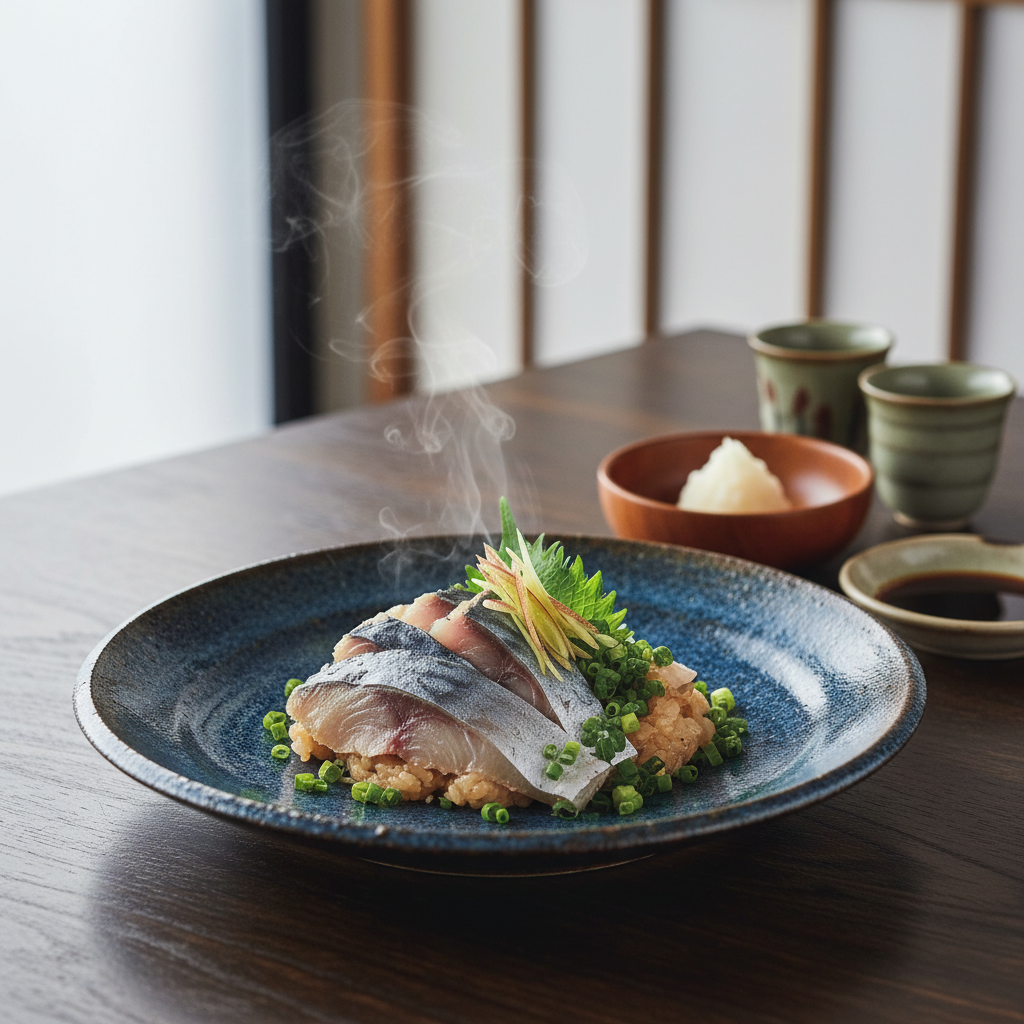
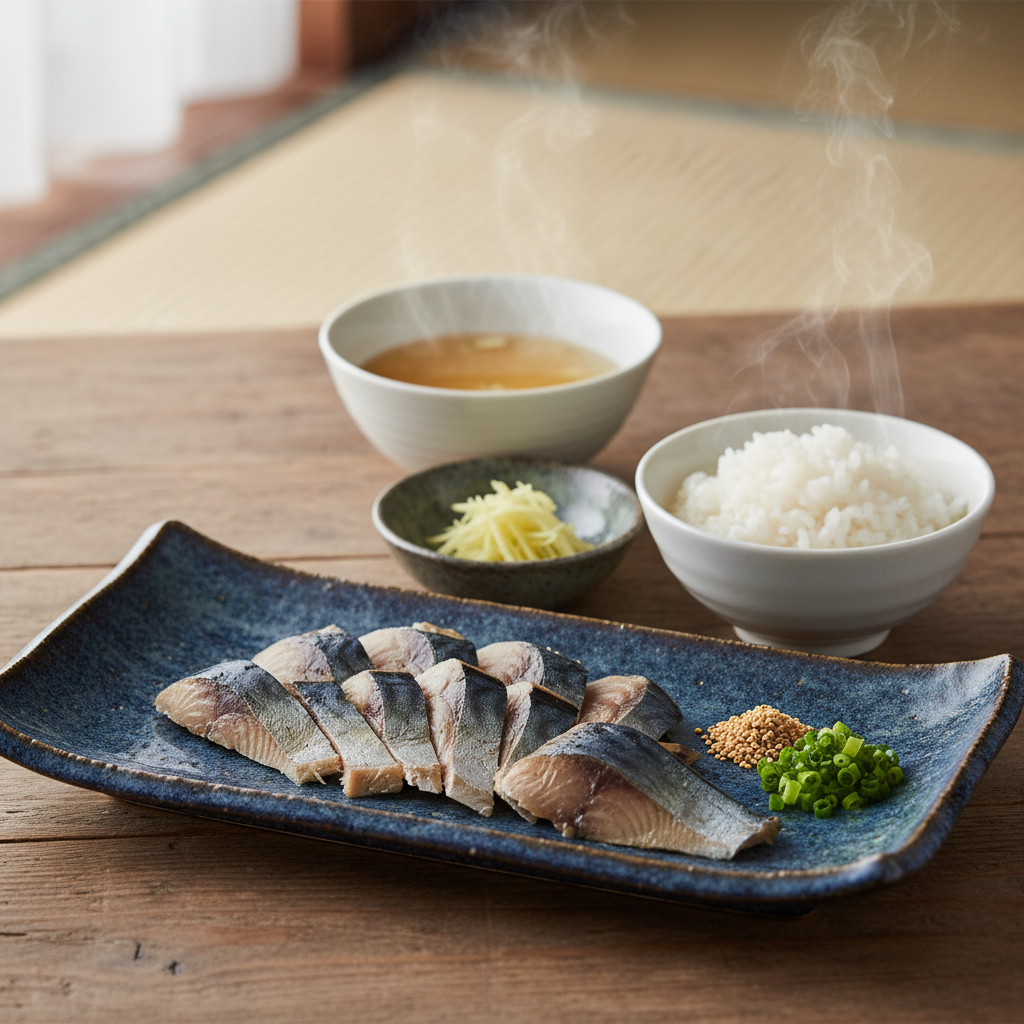
Thin-sliced Plain
The simplest and most traditional way to eat it.
- Remove hesiko and lightly wipe away the bran on the surface
- Slice thinly (approximately 2-3mm)
- Eat as is or lightly grilled
It pairs wonderfully with Japanese sake and shochu, with the rich umami and saltiness making it perfect as a side dish for alcohol.
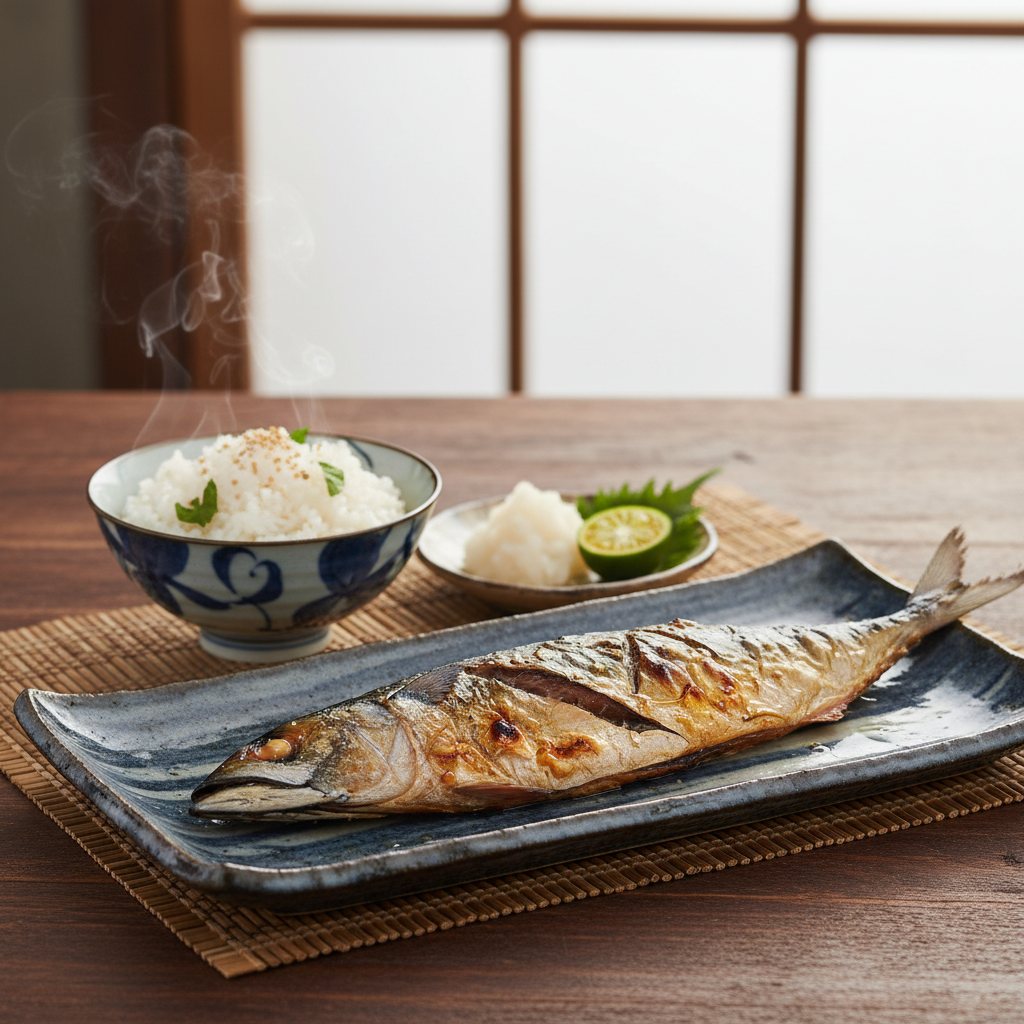
Grilled Hesiko
A classic way to eat hesiko that adds smokiness.
- Cut hesiko into appropriate sizes
- Lightly grill both sides in a fish grill or frying pan
- Grill until browned
- Eat while hot
Grilling removes excess salt and brings out the smokiness of the bran. Serving with grated daikon radish makes it refreshingly light.
Arranged Recipes
Hesiko Tea Rice
A standard way to eat it in Fukui Prefecture.
- Grill hesiko and finely shred it
- Place on top of warm rice
- Pour hot green tea or dashi broth
- Add finely chopped green onion, nori seaweed, and wasabi as desired
Perfect for breakfast or a late-night snack, easily eaten bite by bite.
Hesiko Pasta
A popular contemporary arrangement.
- Finely chop hesiko (remove the bran)
- Sauté garlic in olive oil
- Add hesiko and lightly sauté
- Add cooked pasta and toss
- Scatter shiso leaves or chopped green onion
Using hesiko instead of anchovies creates something like a Japanese-style spaghetti aglio e olio.
Hesiko Onigiri (Rice Ball)
- Grill hesiko and finely shred it
- Mix into warm rice
- Shape into onigiri
- Wrap with nori seaweed and complete
No additional salt is needed due to the salt content. Also ideal for packed lunches.
Hesiko Potato Salad
- Finely chop hesiko
- Mash boiled potatoes
- Mix with hesiko, onion, and mayonnaise
- Season with black pepper
The salty and umami flavors of hesiko add depth to potato salad.
Hesiko Pizza
- Spread tomato sauce on pizza dough
- Add cheese
- Top with thinly sliced hesiko
- Bake in an oven
- Place shiso leaves on top after baking
Enjoy as a Japanese version of anchovy pizza.
Recommended Pairings
Grated daikon radish: Softens the salty taste of hesiko and allows for a fresh eating experience.
Japanese sake: Pairs wonderfully with Fukui Prefecture’s local sake, especially dry pure rice sake.
Warm rice: The saltiness and umami enhance the rice and stimulate appetite.
Cucumber and cabbage: Eating with fresh vegetables reduces salt absorption.
Types and Variations of Hesiko
Mackerel Hesiko (Most Common)
The most traditional hesiko in the Wakasa region. Made with fat-rich autumn mackerel, it is characterized by rich umami and moderate saltiness. The flesh is firm and easily adaptable to various dishes.
Sardine Hesiko
Smaller than mackerel, with soft bones suitable for eating whole. Said to have a milder flavor than mackerel hesiko and easier for first-time eaters. It also offers the advantage of abundant calcium intake.
Yellowtail Hesiko
A luxurious hesiko made with the premium fish yellowtail. Characterized by good fat content and a melting texture. Small production quantities make it a rare and valuable delicacy.
Pufferfish Hesiko
Pufferfish bran pickling is traditionally made in the Wakasa region. The mild-flavored pufferfish flesh develops deep umami through fermentation. Only non-poisonous portions are used, making it safe to enjoy.
Squid Hesiko
A relatively new variation using Japanese squid. Offers a texture different from fish along with squid’s natural sweetness highlighted through fermentation.
Where to Buy and How to Store Hesiko
Where to Purchase
Souvenir shops in Fukui Prefecture: Available at roadside stations and tourism facilities in the Wakasa region. Obama City, Mihama Town, and Wakasa Town are major production areas.
Online shops: Nationwide shipping is possible through Fukui Prefecture antenna shops and producers’ direct sales websites.
Department store product fairs: Available at Fukui Prefecture product fairs held in department stores across the country.
Specialty shops: In major cities like Tokyo and Osaka, there are specialty shops and stores handling fermented foods from around Japan that carry hesiko.
Selection Tips
Reliability of manufacturer: Products from long-established makers following traditional methods are reliable.
Check ingredients: Confirm whether domestic mackerel is used and whether additives are present.
Aging period: Products aged for 6 months or longer have sufficient umami from fermentation.
Appearance: Quality products have firm flesh with evenly applied bran.
Storage Methods
If unopened: Store in the refrigerator and consume within the expiration date. If kept in bran, it can be preserved for several months to a year.
After opening:
- Keep in an airtight container with bran attached and refrigerate
- Ideally consume within 2 weeks to 1 month
- Use promptly if bran is removed
Frozen storage: For long-term storage, portion into pieces, wrap with plastic wrap, place in freezer bags, and freeze. Can be stored for approximately 3 months and used after thawing naturally.
Reusing the bran bed: The bran bed after removing hesiko can be used for vegetable pickling. With absorbed umami, delicious pickles result.
Hesiko in Fukui Prefecture’s Food Culture
Annual Events and Hesiko
In the Wakasa region of Fukui Prefecture, hesiko is positioned not merely as a preserved food but as an indispensable food for annual events and life milestones.
New Year: Hesiko may be added to celebratory New Year’s meals, offering prayers for yearly health and bountiful catches.
Festival rituals: At community festivals, hesiko is served and helps deepen community bonds.
Gifts: As a special item, it is gifted to relatives and acquaintances, with each household’s pride in its flavor exchanged.
Taste Differences by Region
Even within the Wakasa region, hesiko tastes subtly different depending on the area and household.
Obama City vicinity: Adhering to traditional methods, characterized by deep umami from long aging.
Mihama Town: Often slightly lower in salt, with products adjusted to modern tastes.
Wakasa Town: Some households use more red pepper, creating distinctly spicy characteristics.
Hesiko Festivals and Events
Events are held in Fukui Prefecture to promote the appeal of hesiko.
Wakasa Obama Hesiko Festival: Held annually with hesiko sales, tastings, and cooking contests using hesiko.
Hesiko-making experience classes: Classes for tourists to experience traditional hesiko-making.
Comparison of Hesiko with Other Fermented Foods
Japanese Fermented Fish Foods
Various fermented and preserved fish foods similar to hesiko exist throughout Japan.
Funa sushi (Shiga Prefecture): A fermented food using carp and rice, characterized by distinctive sourness and aroma. More highly fermented than hesiko, possessing more intense flavor.
Iizushi (Hokkaido): A fermented food made by pickling salmon or herring with rice and koji, characterized by stronger sourness than hesiko.
Kusaya (Izu Islands): Preserved food made by pickling fish in fermentation liquid and drying, known for its intense aroma. Manufacturing methods differ significantly from hesiko.
Konowata (Noto Peninsula, etc.): A delicacy made from sea cucumber innards as salted paste, with similar fermented food positioning but different raw materials.
Similar Foods Worldwide
Hesiko can be compared with world fermented fish foods.
Anchovies (Mediterranean coast): Salt-cured anchovies with similar salty and intense umami to hesiko. Differ in not using bran.
Surströmming (Sweden): A fermented herring salt-cure food known as the world’s smelliest food. More advanced fermentation than hesiko.
Nam pla (Southeast Asia): A fermented fish seasoning that uses fermented fish as a liquid seasoning, differing in how umami components are utilized.
The Future of Hesiko and Challenges
Inheritance of Traditional Techniques
Presently, the aging of artisans possessing traditional hesiko-making techniques is advancing, with technical succession becoming a challenge. Recording traditions and passing techniques to younger generations are urgent matters.
Conversely, among regional revitalization volunteers and migrants, increasing numbers are interested in hesiko-making and learning traditional techniques. Technical transmission and innovation by new practitioners are anticipated.
Product Development and Market Expansion
In recent years, product development using hesiko has progressed.
Hesiko oil: Hesiko steeped in olive oil as a seasoning suitable for pasta and salads.
Hesiko furikake: Hesiko finely chopped and dried as seasoning easily used daily.
Hesiko pâté: Hesiko made into paste form, spreadable on bread and crackers.
Hesiko seasoning: Liquid seasoning extracting hesiko’s umami, usable in various dishes.
Through this product development, hesiko’s appeal expands to younger generations and urban consumers unfamiliar with traditional consumption methods.
Compatibility with Health-Conscious Trends
As interest in fermented foods increases, hesiko attracts attention for the following reasons.
Fermented food boom: From intestinal health and immunity enhancement interests, hesiko is reevaluated as a fermented food.
Return to traditional foods: Rising awareness of food safety and local production revives traditional preserved foods.
Slow Food movement: Valued within slow food movement contexts as a traditional food product made over time.
Use as Tourism Resource
Fukui Prefecture is advancing efforts to utilize hesiko as a tourism resource.
Hesiko factory tours: Facilities allowing manufacturing process viewing are being developed and prove popular with tourists.
Restaurants serving hesiko cuisine: Local restaurants offer creative dishes using hesiko, enriching tourist dining experiences.
Hesiko-making experience tours: Tours allowing actual hesiko pickling experiences are planned and gain positive reception.
Conclusion: The Appeal and Enjoyment of Hesiko
Hesiko is a traditional local dish passed down in the Wakasa region of Fukui Prefecture and represents one of Japan’s fermented food culture. It is preserved food containing the wisdom of ancestors born from harsh natural environments and continues loved by many people today.
The deep umami and unique flavor created through long-term fermentation with salt and bran is an unforgettable taste once experienced. Whether eaten plain or arranged in various dishes, it is delicious, and pairs excellently with Japanese sake.
First-time eaters of hesiko may be surprised by its saltiness and unique aroma. However, trying it in various ways—enjoyed in small amounts as seasoning, made fragrant through grilling, or eaten fresh in tea rice—will reveal its profound appeal.
When visiting Fukui Prefecture, be sure to try authentic hesiko. It is also available through online shops, allowing you to enjoy Fukui’s traditional flavors at home.
Hesiko is a food symbolizing the richness and diversity of Japanese food culture. Passing this traditional local cuisine to the next generation and sharing its appeal with more people represents our responsibility.