Kishimen | Thorough Explanation of the History, Origin, and How to Make Aichi Prefecture’s Signature Local Cuisine
What is Kishimen?
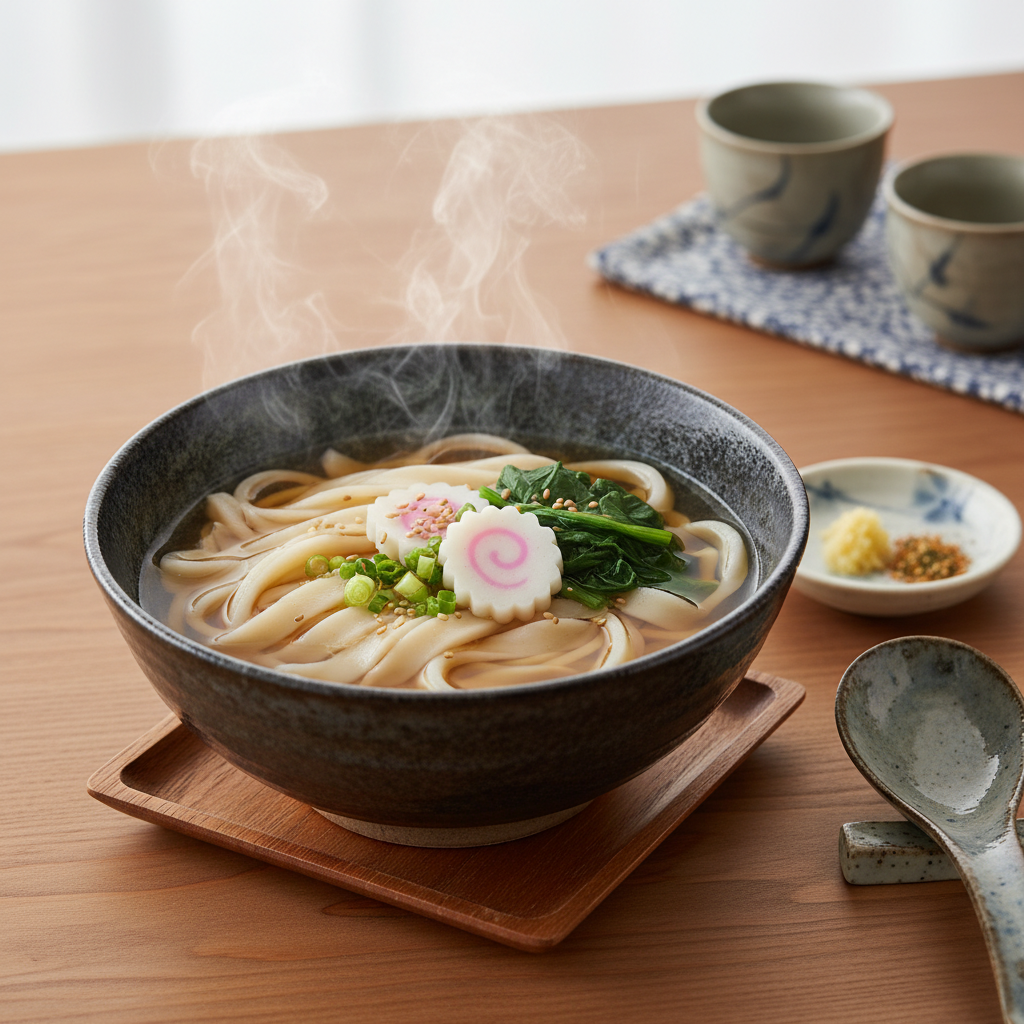
Kishimen (棊子麺) is a noodle dish with a flat, wide shape approximately 1mm thick and 7-8mm wide. It is eaten throughout Aichi Prefecture and is known nationwide as a specialty of the Owari region, particularly centered in Nagoya. While it is a type of udon, its distinctive shape gives it the unique characteristic of having both a chewy texture and a smooth, slippery mouthfeel.
Compared to regular udon, kishimen’s thin noodles and wide surface area allow the broth and sauce to cling well to the noodles, and they cook in a short time. This distinctive texture has been loved by people across generations, from small children to the elderly, and has long been cherished as an essential local dish in the dining tables of Aichi residents.
Currently, a “Kishimen Promotion Committee” has been established, and preservation and succession activities are being carried out by the region as a whole, positioning kishimen as a representative of Aichi Prefecture’s food culture.
History and Origin of Kishimen
Various Theories of Origin
There are multiple theories about the origin of kishimen, and its derivation remains a subject of debate. The most widely accepted theory is that the flat-noodle udon called “himokawa,” which was a specialty of present-day Kariya City (formerly Kariya Domain), is its root. It is said that the flat noodles eaten in Kariya during the Edo period gradually spread to Nagoya and eventually became established under the name “kishimen.”
Another theory suggests that “kiji noodles” transmitted from Kishu (present-day Wakayama Prefecture) became corrupted into “kishimen,” and yet another theory claims it was named “kishimen” (棊子麺) because of its go-board-like grid pattern. There is also a theory that it derives from a dish made with pheasant (kiji) meat.
Development in the Owari Region
From the Edo period through the Meiji period, kishimen became established as a common food in the Owari region centered on Nagoya. Particularly as Nagoya Castle town developed, kishimen became familiar to people across all social classes, from samurai to townspeople.
In the Showa period, standing-room-only kishimen restaurants appeared at Nagoya Station, and the dish became widely known among travelers and business people. In particular, the standing-room-only kishimen on the Nagoya Station platform became nationally recognized as a standard gourmet experience for visitors to Nagoya.
Current Positioning
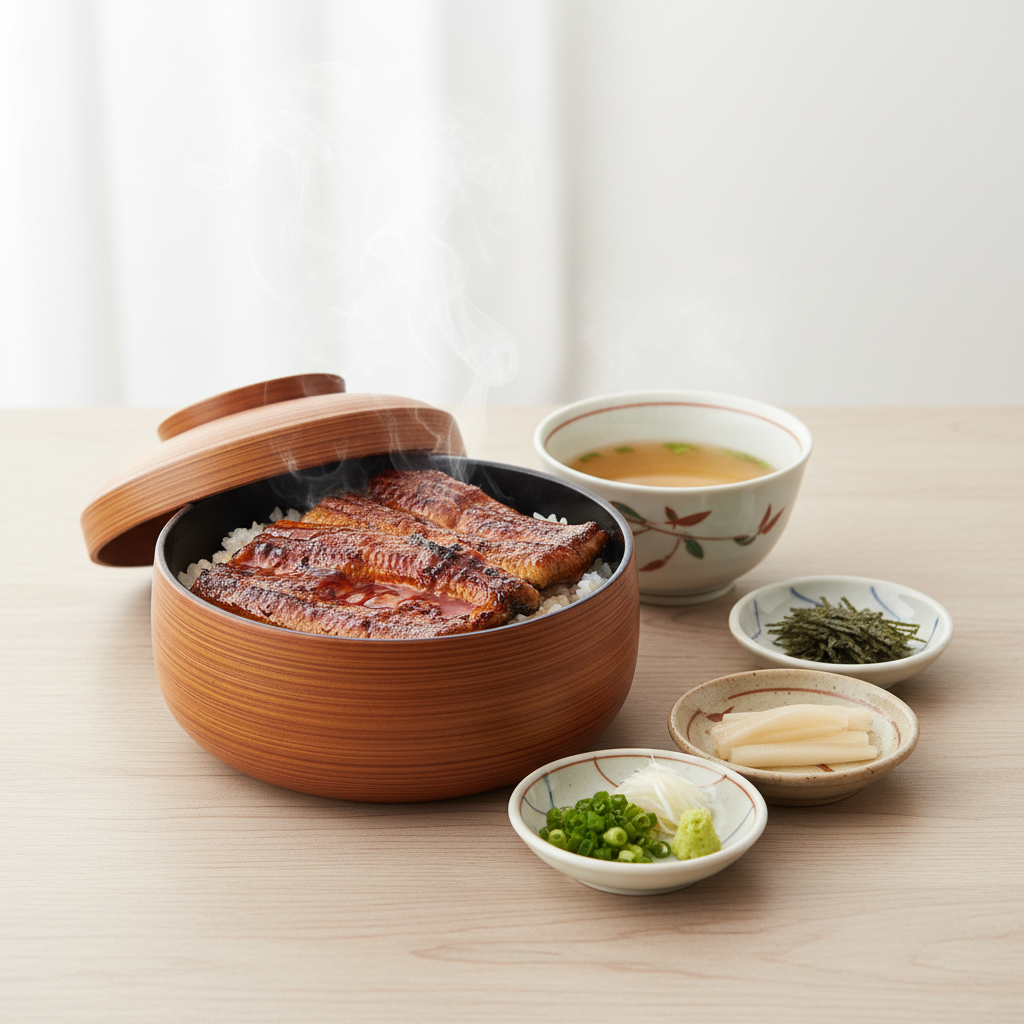
Today, kishimen stands alongside miso katsu and hitsumabushi as one of “Nagoya meshi” and a representative local specialty of Aichi Prefecture. Not only as home cooking, but numerous specialty restaurants exist, and it is enjoyed in various styles ranging from traditional preparations to creative dishes.
Characteristics and Appeal of Kishimen
Distinctive Texture and Mouthfeel
The greatest appeal of kishimen lies in its distinctive texture. The wide, thin noodles have a chewy elasticity while achieving a smooth, slippery mouthfeel. Because of the larger surface area compared to regular udon, the broth and sauce cling well to the noodles, allowing you to enjoy rich flavors with each bite.
Quick Cooking Time
Because of the thin noodles, the cooking time is shorter than regular udon. This practical advantage has contributed to its establishment as home cooking, as it can be prepared easily even in busy daily life.
Versatility Regardless of Season
Hot kishimen with warm broth is a winter staple, but in summer it can also be enjoyed as cold zaru-kishimen with chilled broth. With room for creative arrangements such as curry kishimen and miso-stewed kishimen, its versatility—offering various ways to eat depending on season and preference—is also a major appeal.
Major Regions of Transmission and Food Culture
Widespread Throughout the Prefecture
While kishimen is a local specialty eaten throughout Aichi Prefecture, it is particularly popular in the Owari region centered on Nagoya. In Kariya City, it is cherished as a symbol of the region’s food culture as the birthplace of the dish.
Household Eating Habits
In Aichi households, kishimen has become established as an everyday meal. Rather than something for special occasions, it is casually eaten as part of lunch, dinner, or late-night snacks. In many households, dried or semi-dry kishimen noodles are kept on hand as convenient pasta easily prepared.
Occasions and Seasons for Eating
Kishimen is eaten year-round without being limited to specific events or seasons. However, warm kishimen tends to be consumed more in winter, while cold kishimen is more popular in summer. Additionally, not a few households eat kishimen instead of year-end buckwheat noodles.
Ingredients and Basic Preparation Method
Ingredients (Serves 2)
Noodles:
- Kishimen (dried or fresh noodles) 200g
Broth:
- Dashi stock 600ml (made from round herring or bonito flakes)
- Dark soy sauce 3 tablespoons
- Mirin 2 tablespoons
- Sugar 1 teaspoon
Toppings:
- Deep-fried tofu 1 sheet (cut into strips)
- Fish cake 4 slices
- Green onion 1/2 stalk (cut diagonally into thin slices)
- Leafy greens such as spinach or komatsuna as needed
- Bonito flakes as needed
Basic Preparation Method
Preparation:
- Pour boiling water over the deep-fried tofu to remove excess oil, then cut into strips
- Blanch the leafy greens, drain well, and cut into 3-4cm lengths
- Cut the green onion diagonally into thin slices
Making the broth:
- Pour the dashi stock into a pot and bring to heat
- Once boiling, add soy sauce, mirin, and sugar to taste
- Add the deep-fried tofu and simmer for 2-3 minutes to absorb the flavors
Cooking the noodles:
- Bring plenty of water to a boil in a large pot
- Add the kishimen and cook according to the package instructions (approximately 8-10 minutes for dried noodles)
- Drain in a colander and rinse away the sliminess under running water
- For serving hot, briefly dip the noodles in boiling water again to warm
Serving:
- Place the kishimen in a bowl
- Pour the heated broth over the noodles
- Arrange the deep-fried tofu, fish cake, leafy greens, and green onion in a balanced manner
- Top with bonito flakes to finish
Cooking Tips
- Traditionally round herring is used for the dashi, but bonito flakes or kombu seaweed also make delicious broth
- Take care with cooking time for kishimen, as overcooking damages the texture
- Making the broth slightly strong in flavor helps it cling well to the noodles and tastes better
- When the deep-fried tofu is simmered sweet and salty, it creates a more authentic flavor
Main Ingredients Used and Characteristics of Dashi
Noodle Ingredients
Kishimen noodles are made from wheat flour, salt, and water as basic ingredients. Like regular udon, the same materials are used, but the flat-noodle preparation method creates the distinctive texture. They come in various forms—fresh, semi-dry, and dried noodles—each with its own characteristics.
Dashi Characteristics
The traditional dashi for kishimen in Aichi Prefecture uses round herring (muroaji). Round herring has a rich and powerful flavor that pairs well with soy sauce-based broths. This distinctive dashi is an important element that characterizes the flavor of kishimen.
Combining bonito flakes and kombu seaweed can create a deeper, more complex flavor. Households typically use commercially available dashi packets or instant dashi.
Topping Variations
While the basic toppings are deep-fried tofu, fish cake, leafy greens, and green onion, various regional and household variations exist.
- Tempura kishimen: topped with shrimp tempura or vegetable fritters
- Tsukimi kishimen: with a raw egg dropped on top
- Meat kishimen: topped with beef or pork simmered sweet and salty
- Kitsune kishimen: featuring sweet and salty stewed deep-fried tofu as the main topping
Recipe Arrangements and Modern Ways of Eating
Curry Kishimen
A popular menu item born from Nagoya’s coffee shop culture. Combining curry roux with kishimen creates a new flavor experience. The thick curry clings well to the flat noodles, creating a unique deliciousness.
Miso-Stewed Kishimen
An arrangement that fuses with Aichi’s miso culture. Simmering in a rich red miso-based broth creates a deep, flavorful taste. Particularly popular during cold seasons.
Chilled Kishimen
Recommended as a summer preparation. Cold kashimen rinsed in cold water is served with chilled broth. Adding condiments such as wasabi, ginger, and shiso leaves provides a light, refreshing flavor.
Pasta-Style Arrangements
As a modern arrangement, preparing kishimen like pasta is also popular. Stir-frying with olive oil and garlic or combining with cream sauce opens up new ways of eating.
Grilled Kishimen
A cooking method where cooked kishimen is stir-fried like okonomiyaki. Stir-frying with vegetables and meat creates a hearty main dish. The flat noodles absorb seasonings well and offer a distinctive texture.
Ways of Eating and Dining Etiquette
Basic Way of Eating
Kishimen is eaten by picking up the noodles with chopsticks and bringing them to the mouth along with the broth. The flat noodles are easier to hold with chopsticks than regular udon and easier to slurp. Making sound while slurping is generally accepted in Japanese noodle culture.
Enjoying the Toppings
Toppings can be eaten together with the noodles, or varied throughout the meal. The deep-fried tofu, well-soaked in broth, spreads umami when eaten with the noodles. Bonito flakes, to enjoy their aroma until the end, can be added as you eat.
How to Drink the Broth
Whether to drink the remaining broth after finishing the noodles is a matter of personal preference. However, if concerned about salt content, leaving some broth is a healthier choice.
Renowned Restaurants Serving Kishimen
Standing-Room-Only Shops in Stations
Major stations including Nagoya Station have long-standing standing-room-only kishimen restaurants. They are popular with businesspeople and travelers because they can be eaten quickly and conveniently. In particular, “Sumiyoshi” on the Nagoya Station platform is known nationwide as a Nagoya specialty.
Specialty Restaurants
Numerous specialty kishimen restaurants exist throughout Nagoya, ranging from long-established to contemporary-style establishments, each with its own characteristics where you can enjoy signature broths and noodles.
Kishimen at Coffee Shops
Within Nagoya’s coffee shop culture, kishimen is often served as part of morning or lunch menus, integrated into the daily lives of local people.
Preservation and Succession Efforts
Activities of the Kishimen Promotion Committee
In Aichi Prefecture, the “Kishimen Promotion Committee” carries out activities to widely communicate the cultural value of kishimen. They engage in contemporary information dissemination methods such as publishing recipes on their website and creating maps of kishimen restaurants.
Use in School Lunches
Kishimen is sometimes served in school lunches throughout Aichi Prefecture as a local specialty. It is also featured by the National Association of School Nutrition Teachers as a local dish and is utilized as part of food education for children.
Commercialization and Contemporary Development
Kishimen, commercialized as dried and semi-dry noodles, is widely sold in supermarkets and souvenir shops. Commercialization in various forms, such as vacuum-packed and cup noodles, promotes household consumption.
In recent years, Internet shopping has made it possible to purchase kishimen easily, creating an environment where people outside Aichi Prefecture can enjoy it readily.
Information Sharing on SNS
Information dissemination using SNS is actively conducted. Kishimen specialty restaurants and enthusiasts publish cooking videos and arrangement recipes on Instagram, Twitter, YouTube, and other platforms, contributing to increased awareness among younger generations.
Use as a Tourism Resource
In Aichi Prefecture’s tourism PR, kishimen is positioned as an important food culture resource. It is featured in tourism pamphlets and websites, and events such as food-tasting tours are also held.
Health Aspects
Nutritional Balance
Kishimen is primarily a carbohydrate-based dish, but by adding toppings such as deep-fried tofu (protein), leafy greens (vitamins and minerals), and fish cake (protein), nutritional balance can be improved.
Easy Digestion
The thin noodles are easily digested and place little strain on the stomach and intestines, making them suitable for times of poor health or meals for the elderly. The smooth, slippery mouthfeel has the advantage of being easy to eat even when lacking appetite.
Consideration for Salt Content
Traditional kishimen broth is soy sauce-based and relatively high in salt, but it can be enjoyed healthfully by using reduced-sodium soy sauce or adjusting the amount of broth.
Kishimen and Aichi’s Food Culture
A Pillar of Nagoya Meshi
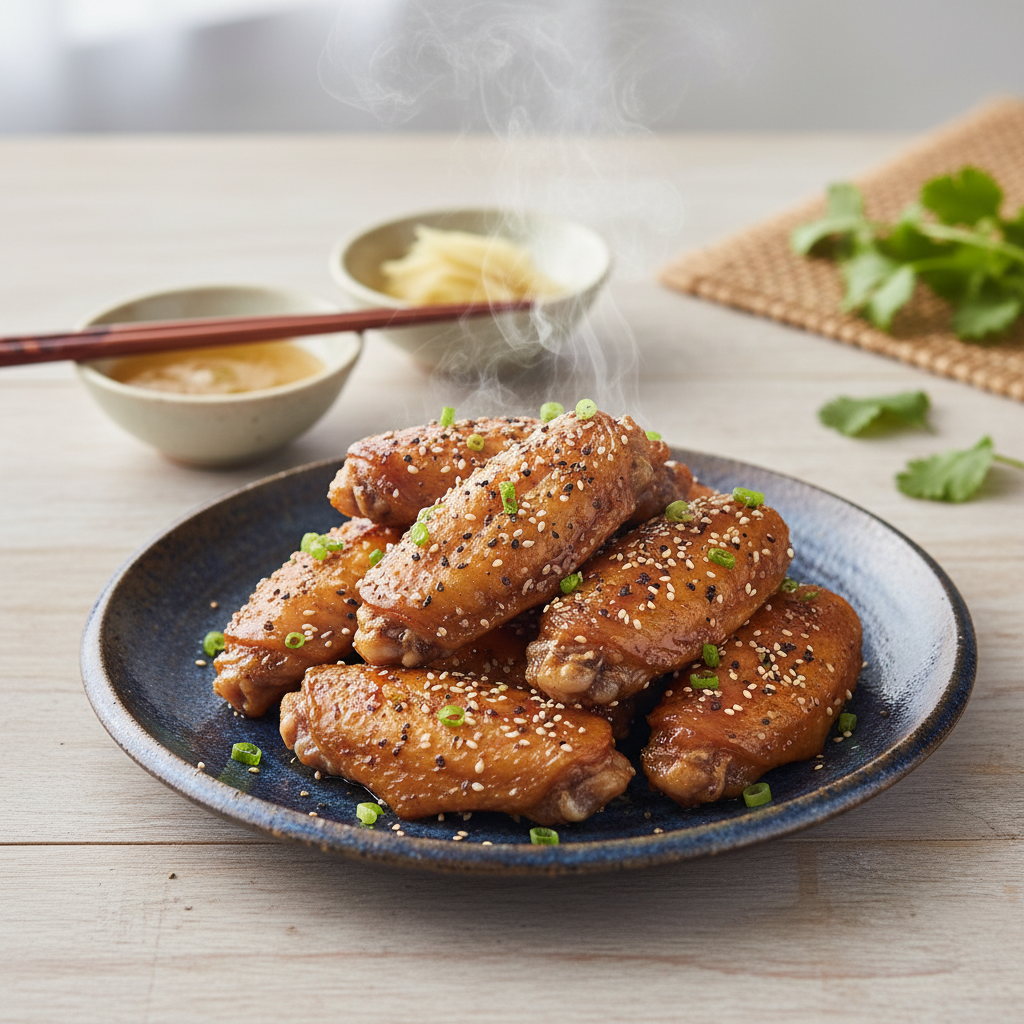
Kishimen stands alongside miso katsu, hitsumabushi, chicken wings, miso-stewed udon, and others as an important part of “Nagoya meshi.” Together with these dishes, it forms Aichi Prefecture’s distinctive food culture.
Connection to Miso Culture
Aichi Prefecture is known as a producer of hatcho miso (red miso), and arrangements using miso such as miso-stewed kishimen are popular. In this way, kishimen culture has developed while becoming connected with regional ingredients and seasonings.
Boundary Between Daily Life and Special Occasions
Kishimen exists at the intersection of special-occasion food and everyday meals, deeply rooted in the dietary life of Aichi residents. This “ordinariness” is one reason it continues to be loved as a local specialty.
Conclusion
Kishimen, as a representative local specialty of Aichi Prefecture, possesses a long history and rich food culture. The distinctive texture and smooth, slippery mouthfeel created by its wide, thin, flat noodles continue to captivate many people.
Beginning with “himokawa” from Kariya City, kishimen developed centered on Nagoya and has become a soul food throughout Aichi Prefecture. Its great appeal lies in the combination of familiarity as home cooking, authentic flavors at specialty restaurants, and the potential for modern arrangements.
Preservation and succession activities by the Kishimen Promotion Committee, use in school lunches, and information sharing through SNS represent contemporary initiatives that protect tradition while adapting to the times. Through these efforts, kishimen will certainly be passed on to future generations.
When visiting Aichi Prefecture, be sure to try authentic kishimen. Additionally, since it can be easily made at home, why not try the recipes introduced in this article to experience Aichi’s food culture?