Complete Guide to Hitsumabushi | History, How to Eat, and Restaurant Information of Aichi Prefecture’s Regional Cuisine
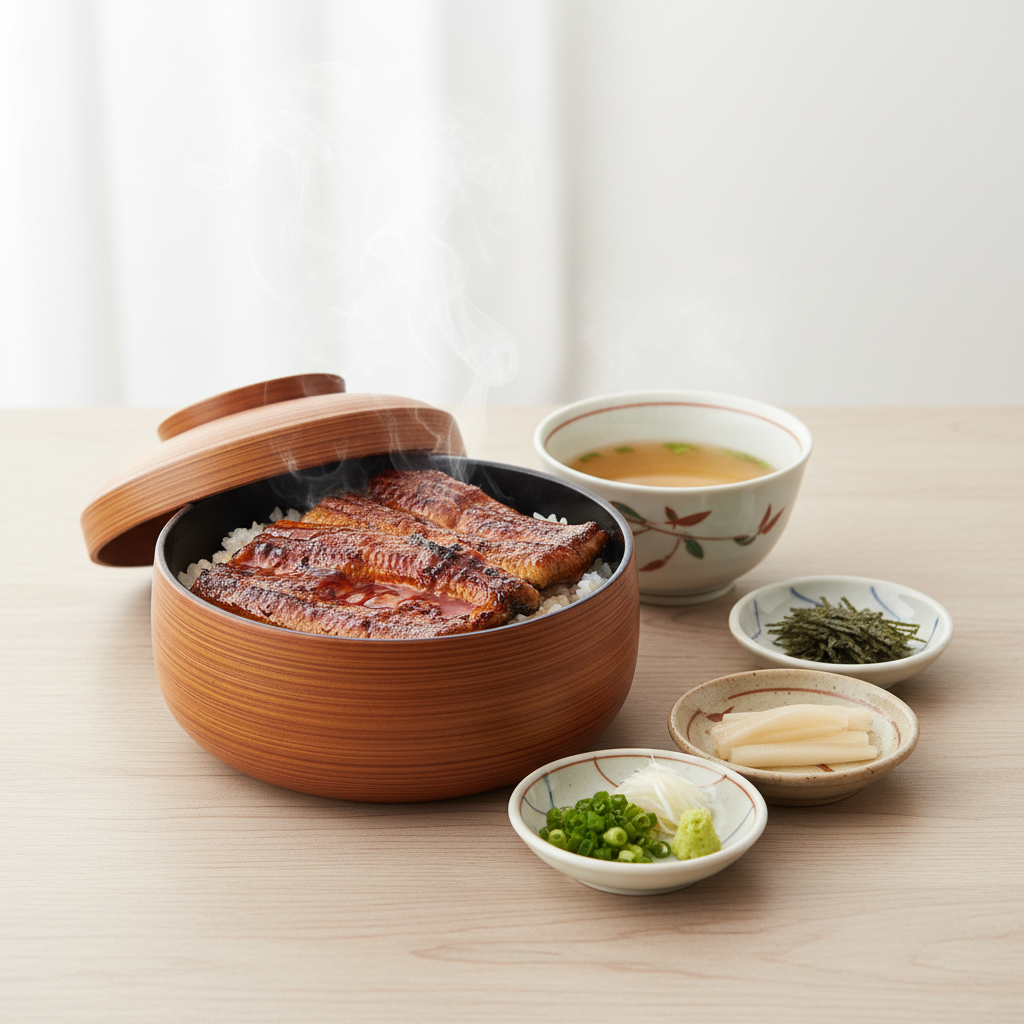
Hitsumabushi, a regional dish representative of Nagoya City, Aichi Prefecture, is a luxurious dish made by finely chopping succulent grilled eel and serving it over rice in a wooden rice box (ohitsu). The unique way of enjoying one dish three different times is rare nationwide and continues to fascinate food enthusiasts.
This article presents the appeal of this regional cuisine in full detail, from the historical background of hitsumabushi to the correct way to eat it and information about famous restaurants in Aichi Prefecture.
What is Hitsumabushi? | Aichi Prefecture’s Representative Regional Cuisine
Hitsumabushi is a type of eel dish born in Nagoya City, Aichi Prefecture, where finely chopped grilled eel is placed on rice served in an ohitsu (wooden rice box). The name “hitsumabushi” is derived from placing the eel “mabasu” (mixed in) with rice in a “hitsu” (rice box).
Characteristics of Hitsumabushi
Main characteristics:
- Finely chopped grilled eel: Unlike regular eel rice bowls, chopping the eel finely creates a sense of unity with the rice
- Service in a wooden rice box: By serving in a wooden rice box, excess moisture from the rice is absorbed, maintaining optimal condition
- Three ways to eat: A unique style where one dish allows you to enjoy three different flavors
- Abundant condiments: Green onion, wasabi, seaweed, and other condiments are provided, allowing you to enjoy varied flavors
In contrast to regular eel rice bowls or eel donburi that place a whole piece or several slices of eel on top, hitsumabushi is designed so that by finely chopping the eel, every bite contains the taste of eel.
History and Origins of Hitsumabushi
Background of Its Birth
There are several theories about the origin of hitsumabushi, but it is said to have been born in Nagoya between the late Meiji era and the Taisho era. According to the most credible theory, it originated at “Atsuta Houraiken,” an eel restaurant in Atsuta Ward, Nagoya City.
Circumstances of its creation (legend):
- Delivery theory: When delivering eel, it was placed in an ohitsu and finely chopped to keep it from cooling quickly and maintain deliciousness
- Staff meal theory: It was devised as a staff meal for restaurant employees, created to efficiently eat leftover eel
- Banquet catering theory: For large banquets, eel was finely chopped and served to make it easy to divide equally among many people
Connection with Nagoya Culture
Nagoya has long been known as a region with high eel consumption. In the Nobi Plain where the Kiso Three Rivers (Kiso River, Nagara River, Ibi River) flow, wild eels were once abundant.
In addition to the eel-eating culture that has continued since the Edo period, the pragmatic spirit of Nagoya people, who are said to want to enjoy “multiple experiences from one thing,” is believed to have created this unique way of eating hitsumabushi.
Spread Throughout Japan
Since the 1990s, hitsumabushi has become nationally known as it has been featured more frequently on gourmet television shows and travel magazines. Today, it has become an established must-try menu item for tourists visiting Nagoya and is recognized as one of Aichi Prefecture’s representative regional cuisines.
Correct Way to Eat Hitsumabushi | Three (or Four) Ways to Enjoy
The greatest feature of hitsumabushi is that one dish can be enjoyed in three (or four) different ways. This unique eating style is what sets hitsumabushi apart from other eel dishes.
Basic Eating Procedure
Composition when served:
- Eel and rice in an ohitsu
- Rice bowls (normally divided into 4 servings)
- Condiments (chopped green onion, wasabi, seaweed, etc.)
- Dashi broth (or green tea)
- Shamoji (rice paddle)
First bowl: Enjoying the taste as is
How to eat:
- Open the lid of the ohitsu and use the shamoji to divide it into four equal parts with a crisscross pattern
- Serve one quarter into a rice bowl
- Eat it as is without using condiments
Points:
- Savor the original fragrance of the eel and the sweet and salty flavor of the sauce
- Confirm the exquisite balance with the rice
- Taste the grilling quality and fat content of the eel
Second bowl: Enjoying flavor variation with condiments
How to eat:
- Serve the second quarter from the ohitsu into a rice bowl
- Add your preferred condiments (green onion, wasabi, seaweed, etc.) in appropriate amounts
- Mix lightly and enjoy
Points:
- The aroma of green onion enhances the flavor of the eel
- The peppery heat of wasabi sharpens the taste
- The oceanic aroma of seaweed adds a new dimension to the flavor
- You can freely arrange the combination of condiments
Third bowl: Tea bowl with dashi broth for a refreshing finish
How to eat:
- Serve the third quarter from the ohitsu into a rice bowl
- Add condiments in appropriate amounts
- Pour hot dashi broth (or green tea) over it
- Enjoy it as chazuke (tea rice bowl) sipping it down smoothly
Points:
- The hot dashi broth appropriately drains the fat from the eel, creating a refreshing taste
- The umami of the broth adds yet another deliciousness
- This is a thoughtful touch that prevents you from tiring of the dish until the end
Fourth bowl: Enjoying it your preferred way
How to eat:
Enjoy the remaining one quarter in the way you most enjoyed from the first through third bowls. Or you can add your own unique arrangement.
Arrangement examples:
- Use generous amounts of condiments for extra punch
- Use less dashi to enjoy something between chazuke and eating it straight
- Add sansho (Japanese pepper) to enjoy a change in aroma
Differences Between Hitsumabushi, Unagidon, and Unaju
Differences in Cooking Method and Presentation
Hitsumabushi:
- Eel is finely chopped (approximately 1-2 cm cubes)
- Served in an ohitsu
- Condiments and dashi broth are included
- Multiple ways to enjoy are featured
Unagidon and Unaju:
- Eel is served as a whole piece or several slices
- Served in a wooden box or bowl
- Basically one way to eat
- Usually only sansho pepper is added
Differences in Flavor
Hitsumabushi, by finely chopping the eel, ensures that every bite contains equal amounts of eel and rice. This allows the dish to maintain consistent deliciousness from start to finish.
On the other hand, unaju and unagidon have the advantage of allowing you to fully taste the texture of the eel’s flesh. The satisfaction of biting into large pieces of fluffy eel is a charm unique to unaju.
Differences in Price Range
Generally, hitsumabushi is priced slightly higher than unaju. This is because of added value such as service in an ohitsu, abundant condiments, and prepared dashi broth.
Price guide (specialty restaurants in Nagoya City):
- Hitsumabushi: Approximately 3,500 to 5,000 yen
- Unaju (premium): Approximately 3,000 to 4,500 yen
Information on Famous Hitsumabushi Restaurants in Aichi Prefecture
Aichi Prefecture, particularly Nagoya City, has many well-known restaurants that serve traditional hitsumabushi.
Atsuta Ward Area | Birthplace of the Dish
Atsuta Houraiken (Main Branch)
Known as the birthplace of hitsumabushi, this long-established eel restaurant was founded in 1873 (Meiji 6).
- Characteristics: Fragrant eel carefully grilled over binchotan charcoal, secret sauce
- Popular menu: Hitsumabushi (from 3,900 yen)
- Wait time: Waiting times of 2-3 hours are not uncommon on holidays
- Reservations: Not available (drawing system for waiting numbers)
Atsuta Houraiken (Jingu Branch)
A branch offering the same taste as the main branch. The location is easily accessible from Atsuta Shrine.
Nagoya Station Area
Bincho (びんちょう)
A popular restaurant near Nagoya Station where you can enjoy authentic hitsumabushi. The main appeal is relatively easy access.
- Characteristics: Binchotan charcoal grilling, fluffy grilling texture
- Advantage: Close to the station, convenient for tourists
Maruya Honten
A restaurant where you can comprehensively enjoy Nagoya regional cuisine, with hitsumabushi being one of its popular menu items.
Sakae and Osu Area
Iba Sho (いば昇)
A hidden gem loved by locals. It provides high-quality hitsumabushi in a calm atmosphere.
Points to Keep in Mind When Visiting Famous Restaurants
Reservations and wait times:
- Most famous restaurants do not accept reservations and use a drawing system for waiting numbers
- Lunch hours on holidays are particularly crowded
- It is recommended that you line up 30 minutes to 1 hour before opening
Best season:
- Eel has a summer image, but actually autumn through winter is when the fat content peaks and it’s most delicious
- The Doyou no Ushi no Hi (summer tradition, late July) is especially crowded
Price guide:
- Hitsumabushi: 3,500 to 5,500 yen
- Unaju: 2,500 to 4,000 yen
- Mini hitsumabushi: 2,500 to 3,500 yen
Nutritional Value and Health Benefits of Hitsumabushi
Nutritional Components of Eel
Eel is called a “treasure trove of nutrition” as it contains a wide variety of nutrients.
Main nutritional components (per 100g):
- Vitamin A: Approximately 2,400μg (about 3 times the daily requirement)
- Vitamin B1: Approximately 0.75mg (effective for fatigue recovery)
- Vitamin B2: Approximately 0.74mg (maintains health of skin and mucous membranes)
- Vitamin D: Approximately 19μg (assists calcium absorption)
- Vitamin E: Approximately 7.4mg (antioxidant effect)
- DHA and EPA: Rich in unsaturated fatty acids (brain health, blood-thinning effect)
- Protein: Approximately 17g (high-quality protein source)
Health Benefits
Expected effects:
- Fatigue recovery: Rich in B vitamins, effective for preventing summer fatigue
- Vision maintenance: Vitamin A maintains eye health
- Beauty effects: Vitamins A and E prevent skin aging
- Bone health: Vitamin D and calcium strengthen bones
- Brain function maintenance: DHA and EPA support cognitive function
Precautions
Calories and lipids:
- One serving of hitsumabushi contains approximately 700-900 calories
- Eel is high in lipids, so be careful not to overeat
- The sauce contains sugar, so those on sugar-restricted diets should adjust portions
Vitamin A overdose:
- Women in early pregnancy should be careful about excessive vitamin A intake
- There is no problem within normal eating ranges, but avoid large amounts consumed daily
Enjoying Hitsumabushi at Home
While homemade versions may not match the taste of famous restaurants, you can still enjoy hitsumabushi-style cooking at home.
Required Ingredients (Serves 2)
Main ingredients:
- Grilled eel (commercially available): 2 pieces
- Warm cooked rice: 2 cups
- Chopped green onion: to taste
- Wasabi: to taste
- Chopped seaweed: to taste
- Dashi broth (or green tea): to taste
Sauce (commercial eel sauce may also be used):
- Soy sauce: 3 tablespoons
- Mirin: 3 tablespoons
- Sugar: 1.5 tablespoons
- Sake: 2 tablespoons
Instructions
Steps:
- Eel preparation
- Warm the commercially available grilled eel according to package instructions
- Lightly grilling it in a grill or toaster oven makes it more fragrant
- Once warmed, chop it into 1-2 cm cubes
- Rice preparation
- Prepare freshly cooked rice
- If you don’t have an ohitsu, a bowl or large dish can be substituted
- Plating
- Evenly distribute the chopped eel over the rice
- Pour the included sauce (or homemade sauce) over it
- Dashi preparation
- Make concentrated dashi using commercial dashi powder
- Or green tea can be substituted
- Condiment preparation
- Arrange green onion, wasabi, and seaweed in small dishes
Tips for Making It Delicious
How to warm the eel:
- Not only microwave, but lightly grilling the surface at the end increases fragrance
- Steaming with a small amount of sake splashed on in a frying pan is also effective
Sauce arrangement:
- Adding a small amount of sansho pepper gives a more authentic taste
- Adding grated ginger creates a refreshing flavor
Dashi pointer:
- Dashi made from kombu seaweed and bonito flakes is ideal, but delicious results can be achieved with commercial white dashi
- Adding mitsuba (trefoil) or yuzu peel enhances the aroma
Other Aichi Regional Cuisine to Enjoy with Hitsumabushi
Enjoying other Aichi regional dishes alongside hitsumabushi allows you to more deeply understand the region’s food culture.
Nagoya Cuisine
Miso katsu:
- Breaded pork cutlet topped with rich sauce based on Hatcho miso
- Characterized by sweet and savory flavors
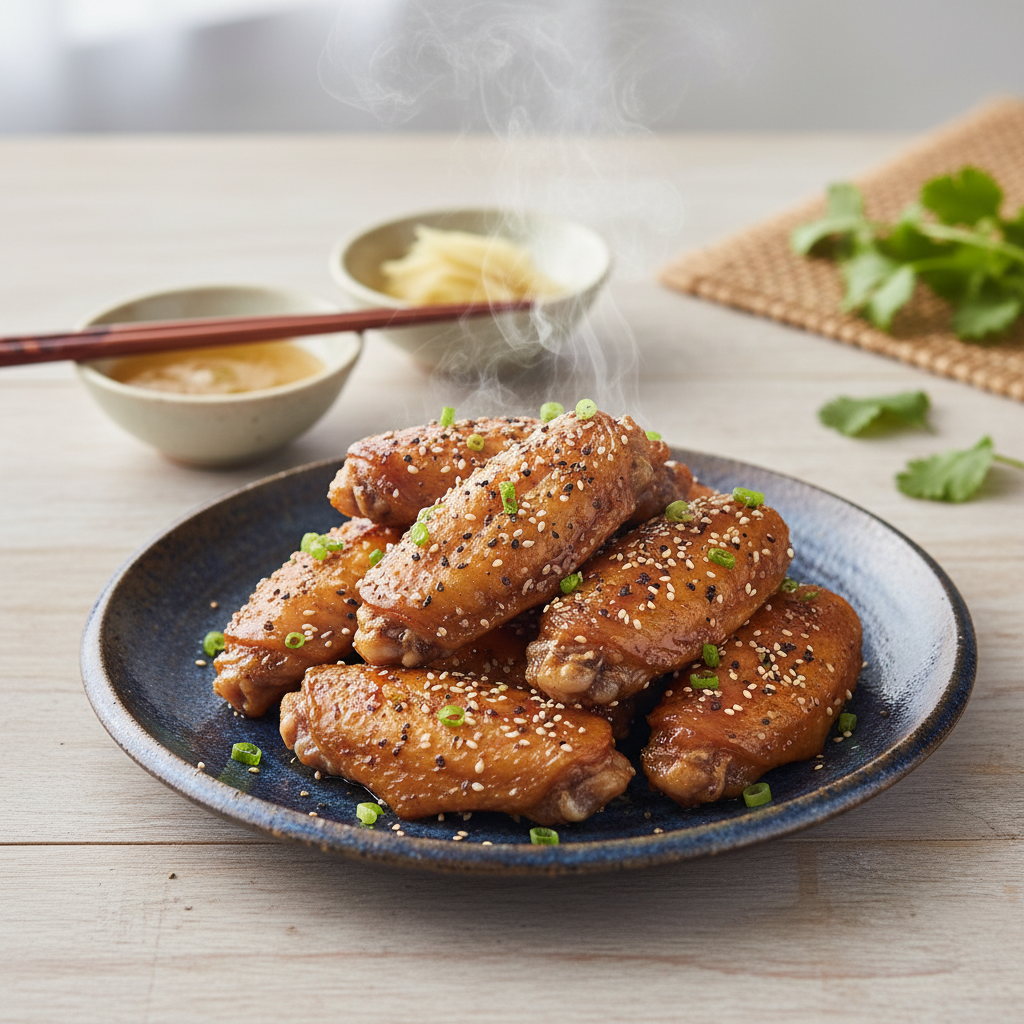
Teba saki no karaage:
- Chicken wings fried with sweet and spicy sauce and pepper
- Popular for its crispy texture
Miso nikomi udon:
- Udon noodles simmered in rich broth made with Hatcho miso
- A piping hot dish served in an earthenware pot
Kishimen:
- Nagoya-style udon characterized by flat noodles
- Easy to eat with light broth
Aichi Prefecture Local Sake and Beverages
Local sake:
- “Houraisen” and “Kamosu Hito Kyuhachiji” are highly acclaimed nationwide
- Pair excellently with hitsumabushi
Matcha:
- Nishi’o City is famous as a matcha production area
- A dessert option after enjoying hitsumabushi
Sightseeing Plans for Enjoying Hitsumabushi
Here are suggested sightseeing plans centered on hitsumabushi for visits to Aichi Prefecture, particularly Nagoya.
One-Day Sightseeing Model Course
Morning:
- 10:00 Visit Atsuta Shrine (Atsuta Ward, Nagoya City)
- 11:00 Obtain waiting number at famous hitsumabushi restaurant
- 11:30 Browse around Atsuta Shrine
Lunch:
- 12:30 Hitsumabushi lunch
- 14:00 Visit Nagoya Castle
Afternoon:
- 16:00 Food tasting and shopping at Osu shopping street
- 18:00 Dinner in Sakae area (miso katsu and chicken wings)
Atsuta Shrine and Hitsumabushi
Atsuta Shrine, located in Atsuta Ward where hitsumabushi originated, is a venerable shrine. It enshrines the “Kusanagi Sword,” one of the three imperial regalia, and is a prestigious shrine and standard Nagoya tourist spot.
Combination benefits:
- After visiting Atsuta Shrine, multiple hitsumabushi restaurants are within walking distance
- You can simultaneously enjoy history and food culture
- You can have a fulfilling Nagoya experience in half a day
Recommended Souvenirs
Eel-related:
- Vacuum-packed grilled eel
- Eel sauce (bottled)
- Eel chazuke seasoning
Nagoya souvenirs:
- Uiro (a representative Nagoya Japanese sweet)
- Chicken wing crackers
- Hatcho miso
- Ogura toast-style sweets
Conclusion: Hitsumabushi is a Masterpiece of Aichi’s Regional Cuisine
Hitsumabushi is an innovative eel dish born in Nagoya City, Aichi Prefecture. Its greatest appeal is that one dish can be enjoyed in three different ways. The style of finely chopping eel and placing it on rice in an ohitsu, then eating it straight, with condiments, and as chazuke creates a food culture with no equal.
While maintaining traditions continuing from the Meiji era, hitsumabushi continues to evolve as modern food culture. It will undoubtedly continue to be beloved as one of Aichi Prefecture’s representative regional cuisines for years to come.
When visiting Nagoya, be sure to taste authentic hitsumabushi and experience its profound appeal. The simplistic deliciousness of the first serving, the flavor variation with condiments in the second, the refreshing chazuke of the third—this three-stage flavor progression is why hitsumabushi has been cherished for so long.