Complete Guide to Zeri-Fry | History, How to Make, and Famous Restaurants of Gyoza’s Local Cuisine in Gyoda City, Saitama Prefecture
What is Zeri-Fry? A Local Dish Representing Gyoda City, Saitama Prefecture
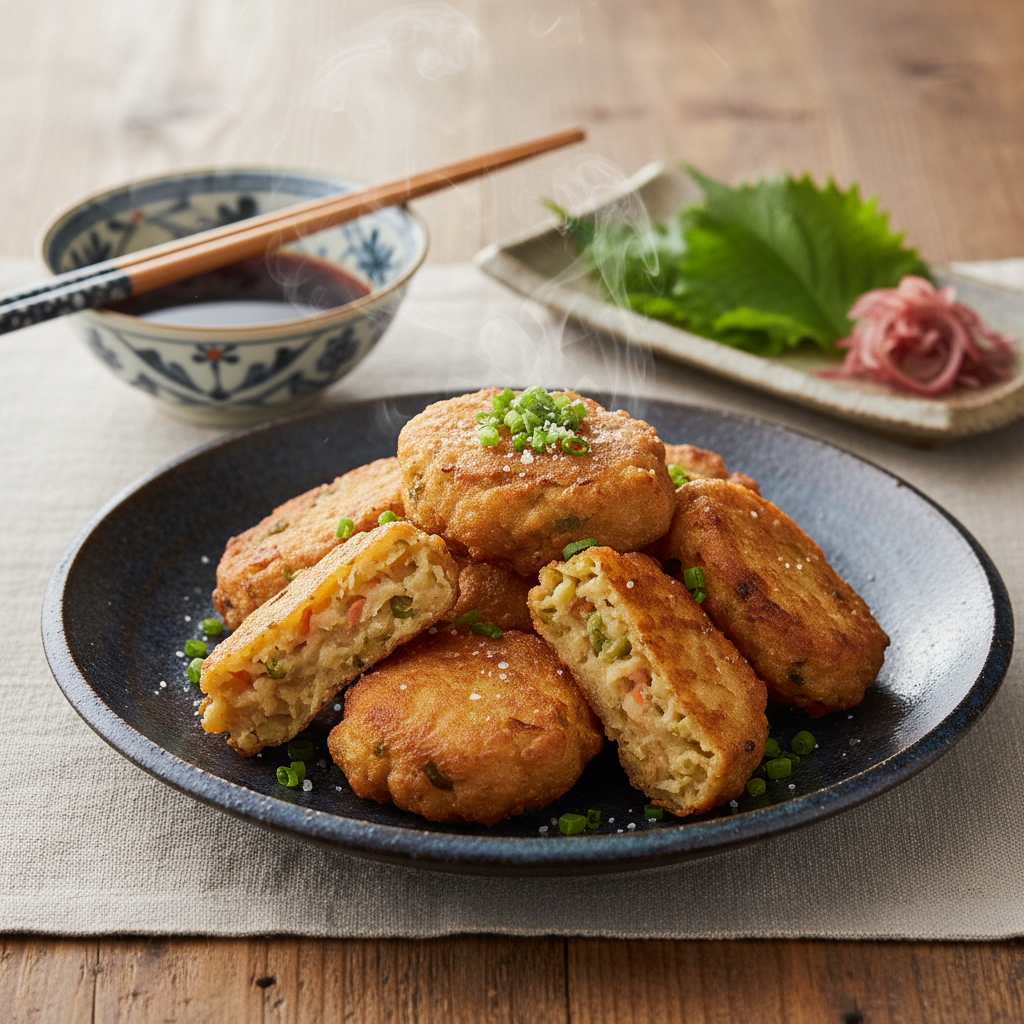
Zeri-Fry is a local dish that has been cherished in Gyoda City, Saitama Prefecture since ancient times. Made primarily from okara and potatoes, it is a small oval-shaped fried food similar to a croquette that is deep-fried without breading. It is also called “Zerifu-Rai” by locals.
At first glance, it might seem like a dish using “jelly,” but in reality, no jelly is used at all. It is characterized by a crispy exterior and fluffy interior, and is typically eaten with sauce poured over it.
Basic Information about Zeri-Fry
- Place of Origin: Gyoda City, Saitama Prefecture
- Main Ingredients: Okara, potatoes, Japanese leeks, carrots, etc.
- Cooking Method: Deep-fried (without breading)
- Shape: Oval (elliptical)
- How to Eat: With Worcestershire sauce poured over
- Price Range: Around 100 yen per piece
Zeri-Fry is cherished as a soul food of Gyoda City by local people, and the city is dotted with specialty shops and old-established restaurants that continue to maintain traditional cooking methods.
The Origin of the Name Zeri-Fry and Its History
The Mysterious Origin of the Name “Zeri”
While there are various theories about the origin of the name Zeri-Fry, the most widely accepted theory is that “Zeni-Fry” (coin-fry) became corrupted into this name.
It is said that because of its oval shape resembling old “zeni” (coins) or small oval coins, it was called “Zeni-Fry,” and this was later corrupted to “Zeri-Fry.” The fact that in the Gyoda dialect “zenifu-rai” is pronounced as “zeri-fu-rai” also supports this theory.
Other theories include:
- The Zeni-Fry Theory: Because it was an inexpensive, common food, it was named after “zeni” (money)
- The Shape Theory: The oval shape resembled “zeni,” the currency of the Edo period
The Birth and Historical Background of Zeri-Fry
Zeri-Fry is believed to have originated in Gyoda City from the Meiji through Taisho periods. At that time, Gyoda City was an industrial city that thrived on the production of tabi (traditional split-toe socks), with many sock factory workers.
Background of Its Creation:
- The Boom of the Tabi Industry: Gyoda City was known as the “tabi town” with many factory workers
- Demand for Convenient Light Meals: Busy factory workers needed convenient and inexpensive light meals
- Utilization of Okara: Resourceful use of okara, a byproduct of tofu production
- High Nutritional Value: While inexpensive, it had high nutritional value and was filling
With these circumstances, “Zeri-Fry,” made by mixing okara and potatoes and frying them, became established as a taste of the common people.
The Position of Zeri-Fry as a Local Dish of Gyoda City
Currently, Zeri-Fry is preserved and passed down as a representative local dish of Gyoda City through the following initiatives:
- Recognition as B-class Gourmet: Participation in events such as the “B-1 Grand Prix”
- Tourism Resource: Used in tourism promotion for Gyoda City
- School Lunch: Served as a school lunch menu in local elementary and middle schools
- Local Events: Hosting of “Zeri-Fry Festivals” and similar events
Characteristics and Appeal of Zeri-Fry
Differences from Other Fried Foods
While Zeri-Fry may appear similar to a croquette, there are several important differences.
Comparison with Croquettes:
| Item | Zeri-Fry | Croquette |
|——|———-|———–|
| Breading | None (plain fried) | Coated with panko breadcrumbs |
| Main Ingredients | Okara + potatoes | Potatoes |
| Shape | Oval | Oval or round, etc. |
| Texture | Crispy on the outside, fluffy inside | Crispy throughout |
| Price | Inexpensive (around 100 yen) | Slightly higher |
Differences from French Fries and Kakiage:
- Not thin and elongated like French fries
- Not loose and scattered like kakiage, but rather molded
- Without breading, the taste of the ingredients comes through directly
Nutritional Value and Health Benefits of Zeri-Fry
Since Zeri-Fry uses okara as its main ingredient, it is a highly nutritious food.
Main Nutritional Components:
- Dietary Fiber: Abundant in okara, helps improve intestinal health
- Protein: High-quality protein derived from soybeans
- Vitamins: Vitamin C from potatoes, vitamins from vegetables
- Minerals: Potassium, calcium, iron, etc.
Health Benefits:
- Low Calorie: Lower in calories than regular croquettes due to lack of breading
- Satiety: Rich in dietary fiber, provides good fullness
- Nutritional Balance: Good balance of carbohydrates, protein, and dietary fiber
- Aids Digestion: Okara helps with digestion
However, as it is a fried food, it is important to avoid overeating.
How to Make Zeri-Fry | Detailed Authentic Recipe
Basic Ingredients (Makes about 10 pieces)
Main Ingredients:
- Okara: 200g
- Potatoes: 3 medium-sized (about 300g)
- Japanese leek: 1
- Carrot: 1/2
Seasonings:
- Salt: 1 teaspoon
- Soy Sauce: 1 tablespoon
- Sugar: 1 teaspoon
- Potato Starch: 2-3 tablespoons (for binding)
Other Items:
- Frying oil: As needed
- Worcestershire sauce: To taste
Detailed Cooking Instructions
Preparation:
- Preparing Potatoes:
- Peel the potatoes and cut into bite-sized pieces
- Place potatoes in a pot of water and boil until a bamboo skewer easily pierces them
- Drain the water and mash while still hot using a masher
- Mincing Vegetables:
- Mince the Japanese leek finely
- Finely chop the carrot
Cooking Process:
Step 1: Making the Dough
- Place mashed potatoes, okara, minced leek, and minced carrot in a bowl
- Add salt, soy sauce, and sugar and mix well
- Add potato starch and mix until the dough comes together
- If the dough is too dry, gradually add a small amount of water (about 1 tablespoon)
Step 2: Shaping
- Divide the dough into 10 portions
- Shape each portion into an oval (coin-shaped) with your palm
- The ideal thickness is 1.5-2cm
- Arrange the shaped portions on a baking sheet
Step 3: Frying
- Heat the frying oil to 170-180°C
- Gently place the shaped dough into the oil
- Fry each side for 3-4 minutes until golden brown
- Once the surface is crispy, remove from oil and drain
Step 4: Finishing
- Place the freshly fried Zeri-Fry on a plate
- Pour plenty of Worcestershire sauce over it
- Optionally garnish with aonori (seaweed powder) or mustard
Tips and Points for Delicious Results
Important Points for Success:
- Moisture Adjustment of Okara:
- Okara varies in moisture content depending on the product
- If using fresh okara, lightly toast it to remove excess moisture for easier handling
- If the dough does not hold together, add more potato starch
- How to Mash Potatoes:
- Mashing while hot results in a smoother finish
- Rough mashing preserves a fluffy texture
- Completely smooth mashing creates a moister texture
- Oil Temperature Management:
- Too low a temperature results in greasy, soggy texture
- Too high a temperature burns the surface before the inside cooks through
- It is important to maintain 170-180°C
- Shaping Tips:
- Wetting your hands makes shaping easier
- Uniform thickness ensures even cooking
- Round shapes are fine if you don’t want to stick to oval
Variation Recipes
Variations on Basic Zeri-Fry:
- Cheese-filled Zeri-Fry:
- Place cheese in the center before shaping
- Cheese melts when fried
- Curry-flavored Zeri-Fry:
- Mix curry powder into the dough
- Offers a spicy flavor
- Vegetable-packed Zeri-Fry:
- Add corn, edamame, bell peppers
- Enhanced color and nutritional value
- Meat-filled Zeri-Fry:
- Mix in ground pork or chicken
- Creates a heartier dish
Famous Restaurants Serving Zeri-Fry in Gyoda City
Established Traditional Shops
Kanetsukkido
One of the most famous Zeri-Fry specialty shops in Gyoda City. It has maintained traditional cooking methods for decades.
- Characteristics: Simple, old-fashioned taste
- Price: Around 100 yen per piece
- Business Hours: Open weekdays and weekends (closed on certain days)
- Access: Within walking distance of Gyoda Station
Food Stall in Front of Takasawa Memorial Hall
A food stall-style shop operating in front of the “Takasawa Memorial Hall,” a tourist spot in Gyoda City.
- Characteristics: Freshly fried, popular with tourists
- Price: Reasonable
- Atmosphere: Classic food stall style
Restaurants Throughout the City
Many dining establishments throughout Gyoda City include Zeri-Fry on their menus.
Pubs and Restaurants:
- Local pubs serve Zeri-Fry as an appetizer
- Restaurants offer it as a side dish with set meals
Event Vendor Stalls:
- Zeri-Fry vendor stalls operate at various Gyoda City events
- Available at “B-class Gourmet Festivals” and similar events
Zeri-Fry for Souvenirs
Frozen Zeri-Fry:
Souvenir shops and supermarkets throughout Gyoda City sell frozen Zeri-Fry.
- Advantages: Enjoy authentic taste by simply frying at home
- Storage Duration: Several months when frozen
- Cooking Method: Simply fry without thawing
Mail Order:
Some shops offer online mail-order sales. Even those who cannot visit Gyoda City can enjoy the authentic taste at home.
Other Local Dishes of Gyoda City to Enjoy with Zeri-Fry
Fry (Gyoda Fry)
Gyoda City has another specialty alongside Zeri-Fry called “Fry.” It is a dish similar to okonomiyaki, made by mixing ingredients into a thin batter made from flour dissolved in water.
Characteristics of Fry:
- Thin batter
- Chewy texture
- Eaten with sauce
- Around 100-200 yen per piece
Zeri-Fry and Fry together are known as the “Two Major B-class Gourmet Dishes” of Gyoda City.
Gyoda Native Green Soybeans
Native variety green soybeans cultivated in Gyoda City. They have stronger sweetness and richer flavor than regular soybeans.
Uses:
- Tofu
- Natto
- Boiled soybeans
- Soybean flour
Local Sake from Gyoda
Saitama Prefecture is known as a sake-producing region, and there are breweries around Gyoda. Enjoying local sake with Zeri-Fry is also recommended.
Visiting Gyoda City and Zeri-Fry Restaurant Hopping
Major Tourist Attractions in Gyoda City
Oshi Castle (Oshi-jo):
- Historic castle that served as the setting for “The Legend of King Ashoka”
- Developed as castle ruins park
- Houses the Gyoda City Local History Museum
Ancient Lotus Park (Kodai-Hasu no Sato):
- Park with ancient lotus flowers
- Excellent view from observation tower
- Best viewing time: late June to early August
Sakitama Ancient Burial Mound Park:
- National historic site with ancient burial mounds
- Features Japan’s largest circular mound “Marubokezan-kofun”
- Contains the Saitama Prefecture Sakitama Historical Museum
Model Itinerary for Zeri-Fry Restaurant Hopping
Half-Day Course:
- Morning: Arrive at JR Gyoda Station or Chichibu Railway Gyoda City Station
- 10:00: Visit Oshi Castle
- 11:30: Lunch at a famous Zeri-Fry restaurant in the city
- 13:00: Stroll around Takasawa Memorial Hall area
- 14:00: Purchase Zeri-Fry as souvenirs
Full-Day Course:
- Morning: Visit Sakitama Ancient Burial Mound Park
- Lunch: Taste comparison of Zeri-Fry and Fry
- Afternoon: Oshi Castle and Gyoda City Local History Museum
- Evening: Restaurant hopping at multiple Zeri-Fry shops
Access Information
By Train:
- Get off at “Gyoda Station” on the JR Takasaki Line
- Get off at “Gyoda City Station” on the Chichibu Railway (closer to downtown area)
- About 1 hour 30 minutes from Tokyo
By Car:
- About 20 minutes from “Hanyu IC” on the Tohoku Expressway
- About 40 minutes from “Higashi-Matsuyama IC” on the Kan-Etsu Expressway
Parking:
- Parking available at major tourist attractions
- Public parking available in downtown area
Cultural Significance and Future Prospects of Zeri-Fry
Importance as Regional Culture
Zeri-Fry is more than just food; it embodies the history and culture of Gyoda City.
Cultural Significance:
- Regional Identity: Symbol of Gyoda City residents’ pride and identity
- Intergenerational Transmission: A taste passed from grandparents to grandchildren
- Community Bonds: Connects people at local festivals and events
- Historical Witness: Communicates the everyday life of common people in the Meiji and Taisho periods
Activities as B-Class Gourmet Food
Gyoda City actively promotes Zeri-Fry as B-class gourmet food.
Main Activities:
- Participation in B-1 Grand Prix: Increased national recognition
- Media Coverage: Featured on television programs and in magazines
- SNS Promotion: Information sharing on Instagram and Twitter
- Merchandise Development: Selling products featuring Zeri-Fry motifs
Passing Down to the Next Generation and Challenges
Current Issues:
- Shortage of Successors: Succession problems at old-established shops
- Securing Raw Materials: Stable supply of quality okara
- Appeal to Younger Generations: Raising awareness among young people
- Sanitation Management: Transition from food stall format to established shops
Future Initiatives:
- Recipe Standardization: Maintaining traditional flavors while establishing easy-to-follow recipes
- New Product Development: Development of frozen and retort products
- Integration into Education: Including local cuisine study in school curricula
- Tourism Collaboration: Appealing to inbound tourists
Ideas for Enjoying Zeri-Fry at Home
Variations in How to Eat It
Basic Way:
- Pour Worcestershire sauce over (most popular)
- Also delicious with tonkatsu sauce or chuno sauce
Variation in Eating Methods:
- Mayonnaise + Sauce: Mellow taste
- Ketchup: Popular with children
- Soy Sauce + Mayonnaise: Japanese-style taste
- Tartar Sauce: Western-style arrangement
- Curry Sauce: Spicy flavor
- Grated Daikon + Ponzu Sauce: Light and healthy
Use in Lunch Boxes
Zeri-Fry is ideal as a lunch box side dish since it remains delicious even when cooled.
Tips for Lunch Box Use:
- Make the day before and refrigerate
- Lightly warm before packing the next morning
- Put sauce in a separate container
- Cut in half before packing for easier eating
Enjoyment as a Side Dish with Alcohol
Zeri-Fry is also an excellent accompaniment to alcoholic beverages.
Well-Matched Alcoholic Beverages:
- Beer: Classic pairing
- Japanese Sake: Paired with local Saitama sake
- Highball: Light pairing
- Shochu: Neat or with water
Side Dish Arrangements:
- Make smaller for one-bite portions
- Top with cheese and bake in oven
- Serve with condiments (leek, ginger, etc.)
Summary: Rediscovering the Appeal of Zeri-Fry
Zeri-Fry is a local dish representing Saitama Prefecture’s Gyoda City, a common person’s taste continuing since the Meiji period. Though a simple dish made primarily from okara and potatoes, its deep history, cultural significance, and above all, its delicious taste continue to captivate many people.
Summary of Zeri-Fry’s Appeal:
- History and Tradition: Over 100 years of history continuing from the Meiji and Taisho periods
- Unique Cooking Method: A rare cooking technique of plain frying without breading
- Nutritional Value: A healthy food using okara
- Convenience: Easy to make at home
- Affordability: Reasonable price at around 100 yen per piece
- Regionality: Embodying Gyoda City’s identity
- Versatility: Possible in various ways of eating and arranging
When visiting Gyoda City, be sure to taste authentic Zeri-Fry. Also, since it can be easily made at home, it is recommended to try reproducing Gyoda’s taste at home using the recipe in this article.
Zeri-Fry is a wonderful local dish that teaches us about the diversity of Japanese food culture and the importance of regional cuisine. Passing this taste and culture on to the next generation is our important responsibility.