Herring in Sansho Pepper Brine: The Charm and Preparation of a Traditional Aizu Dish from Fukushima Prefecture
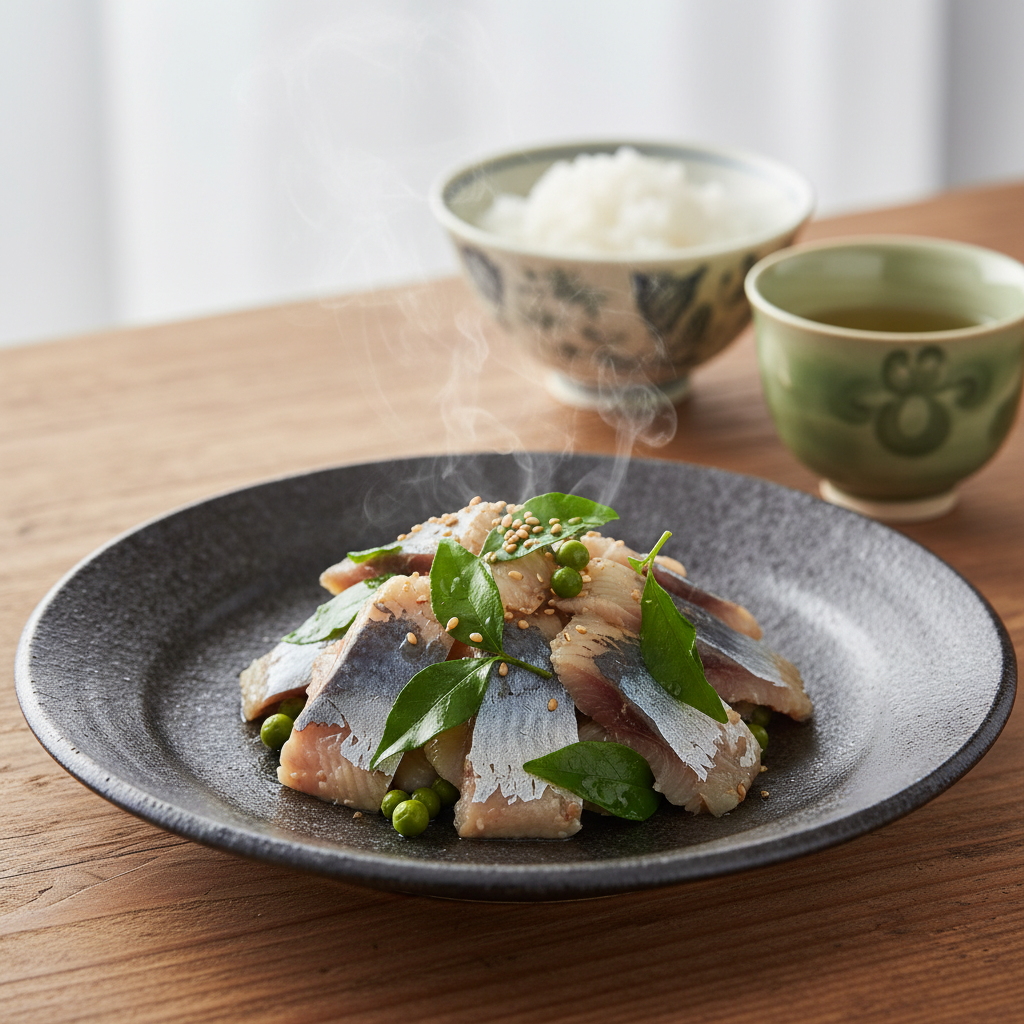
“Herring in sansho pepper brine” (nishin no sansho-zuke), a traditional local dish handed down since ancient times in the Aizu region of Fukushima Prefecture, is a preserved food packed with the wisdom unique to an inland area without access to the sea. This dish, made by pickling dried herring (migaki-nishin) together with sansho pepper berries in a soy sauce-based seasoning liquid, is known as a representative dish of Aizu food culture, where the pungent flavor of sansho pepper and the umami of herring harmonize exquisitely.
What is Herring in Sansho Pepper Brine?
Herring in sansho pepper brine is a traditional preserved food from the Aizu region of Fukushima Prefecture, made by rehydrating dried herring (migaki-nishin) and pickling it with sansho pepper berries in a seasoning liquid prepared from soy sauce, sake, mirin, and sugar. The refreshing pungency and aroma of sansho pepper bring out the rich umami of the herring, and it has been enjoyed as a rice accompaniment or sake snack.
Historical Background in the Aizu Region
The Aizu region is located in the inland part of Fukushima Prefecture, far from the sea. From the Edo period through the Meiji period, herring caught off the coasts of Hokkaido and the Japan Sea side of the Tohoku region was processed into “dried herring” and transported inland via kitamaebune (trading ships) and overland routes. In the Aizu region, this dried herring was treasured as a valuable source of protein and used in various dishes.
The birth of herring in sansho pepper brine stems from Aizu’s harsh winter climate. It came to be made in households as a preserved food to survive the long winters and as food for special occasions such as New Year’s and Obon. Adding sansho pepper not only increased its shelf life but also added a unique flavor, creating an Aizu-specific taste.
Characteristics of Herring in Sansho Pepper Brine
Taste and Texture
The greatest characteristic of herring in sansho pepper brine is the combination of sansho pepper’s refreshing, pungent spiciness and herring’s deep umami. When rehydrated, dried herring becomes tender, and the seasoning liquid permeates thoroughly, resulting in a moist texture. With each bite of the sansho pepper berries, they burst with a crisp sensation, spreading a cool, pungent flavor throughout the mouth.
The soy sauce-based seasoning liquid typically has a sweet-savory flavor, but the proportions vary by household and region, ranging from sweeter to spicier versions. When chilled in the refrigerator before eating, the sansho pepper’s flavor stands out even more, making it delicious even in summer.
Nutritional Value and Health Benefits
Herring is rich in high-quality protein and contains abundant omega-3 fatty acids like DHA and EPA. These nutrients are expected to help maintain brain health and promote blood circulation. Additionally, it is rich in vitamin D and B vitamins, which contribute to bone health and fatigue recovery.
Sansho pepper contains a pungent compound called “sanshool,” which is said to activate digestive function and promote digestion. It also possesses antimicrobial properties, serving a function as a preserved food. The aromatic compounds in sansho pepper also stimulate appetite, making it suitable for preventing summer fatigue.
Recipe for Homemade Herring in Sansho Pepper Brine
Ingredients (Convenient Quantity)
Main Ingredients:
- Dried herring: 4-5 pieces (approximately 300g)
- Sansho pepper berries (salt-preserved or frozen): 2-3 tablespoons
Seasoning Liquid:
- Soy sauce: 150ml
- Sake: 100ml
- Mirin: 100ml
- Sugar: 3-4 tablespoons
- Water: 100ml
- Ginger slices: 2-3 pieces (optional)
Preparation Steps
1. Preparing the Dried Herring
Dried herring is extremely hard, so the rehydration process is crucial. First, soak the dried herring in plenty of water for half a day to overnight (approximately 12 hours). Changing the water 2-3 times during this process removes any unpleasant odors and improves the taste.
Once rehydrated, the herring becomes soft and the central bone is easy to remove. Carefully remove the central bone and cut into manageable pieces (3-4cm wide). Gently wipe away any slime or excess fat from the surface with paper towels.
2. Preparing the Sansho Pepper
If using salt-preserved sansho pepper berries, rinse lightly to remove the salt. Be careful not to oversalt the entire dish, so adjust by tasting. If using frozen sansho pepper berries, allow them to thaw naturally before use.
3. Preparing the Seasoning Liquid
Place soy sauce, sake, mirin, sugar, and water in a pot and heat over medium heat. Once the sugar is completely dissolved, bring to a boil once to evaporate the alcohol. Add the ginger at this stage if using. Once boiling, turn off the heat and allow to cool slightly.
4. Pickling
Arrange the prepared herring in a clean storage container (glass or enamel is best). Scatter the sansho pepper berries on top and pour the cooled seasoning liquid over. Ensure the herring is completely submerged in the liquid.
Place a drop lid (parchment paper or plastic wrap works) and store in the refrigerator. You can eat it from day one, but the flavor develops better from day three onward. After about a week of pickling, the flavor becomes even deeper.
5. Storage Method and Shelf Life
If stored in the refrigerator, it will remain delicious for 2-3 weeks. When removing some, use clean chopsticks to prevent contamination. For long-term storage, you can divide into small portions and freeze. Frozen portions will keep for 1-2 months.
Tips and Pointers for Preparation
Selecting Dried Herring
There are two types of dried herring: “honboshi” (fully dried) and “soft” type. Honboshi is traditionally completely dried with a firm, chewy texture. The soft type is semi-dried, softer, and requires less rehydration time. For first-time makers, the soft type is recommended.
When purchasing, choose pieces with thick bodies, golden color, and a glossy appearance. Avoid any that appear blackened or have an off-odor.
Using Sansho Pepper
It is convenient to preserve fresh sansho pepper berries by processing and freezing them during their peak season (May-June). Commercial salt-preserved or seasoned varieties can also be used as substitutes, but adjust the salt and sweetness of the seasoning liquid accordingly.
It is recommended to use whole sansho pepper berries rather than ground sansho powder, as the aroma will differ. The amount can be adjusted to taste, but using more creates a more authentically Aizu flavor.
Seasoning Variations
In addition to the basic soy sauce base, you can enjoy the following arrangements:
- Sweet Version: Increase sugar and mirin for a mellow flavor
- Spicy Version: Use dark soy sauce and reduce sugar
- Yuzu Flavor: Add yuzu zest for a refreshing aroma
- Kombu Dashi Version: Pickle with kombu seaweed to enhance umami
How to Eat and Enjoy Herring in Sansho Pepper Brine
Basic Way to Eat
The most common way to enjoy herring in sansho pepper brine is to serve it in a small dish as a rice accompaniment. When placed on warm rice, the sansho pepper’s aroma and the herring’s umami stand out brilliantly, and you’ll want to eat bowl after bowl.
It is also excellent as chazuke (tea rice). Pour hot tea or broth over rice topped with the herring, and the sansho pepper’s aroma rises up, creating a refreshing flavor.
As a Sake Snack
It pairs excellently with Japanese sake, and pairing it with local Aizu sake allows you to fully enjoy local flavors. It is also excellent as a side dish for beer or shochu, where the sansho pepper’s pungent spiciness stimulates the appetite.
Thinly slice and arrange on a plate, garnishing with chopped green onions and grated daikon radish for an attractive appearance that also works as an elegant dish for entertaining.
Recipe Arrangements
Herring in Sansho Pepper Brine Fried Rice
Finely chop the herring and use as an ingredient in fried rice. It creates an adult-style fried rice with distinctive sansho pepper flavor.
Herring in Sansho Pepper Brine Pasta
Sauté garlic in olive oil, add finely chopped herring in sansho pepper brine, and toss with Japanese-style pasta. Top with shiso leaves for a harmonious East-West fusion.
Herring in Sansho Pepper Brine Rice Ball
Mix loosened herring with rice and shape into rice balls. Perfect for lunch boxes and picnics.
Herring in Sansho Pepper Brine Salad
Thinly slice the herring and top a salad of mizuna or daikon sprouts. No dressing needed; simply drizzle a little of the pickling liquid.
Herring Cuisine Culture in the Aizu Region
Other Local Herring Dishes
The Aizu region has numerous local dishes using dried herring besides herring in sansho pepper brine.
Herring Wrapped in Kelp
Dried herring wrapped in kelp and simmered in a sweet-savory sauce, an essential part of New Year’s osechi (traditional New Year’s dishes).
Herring Tempura
Rehydrated dried herring coated in batter and deep-fried. The outside is crispy while the inside is fluffy.
Simmered Herring
A simple preparation simmered with soy sauce and sugar. Ginger is used to suppress any fishy odors.
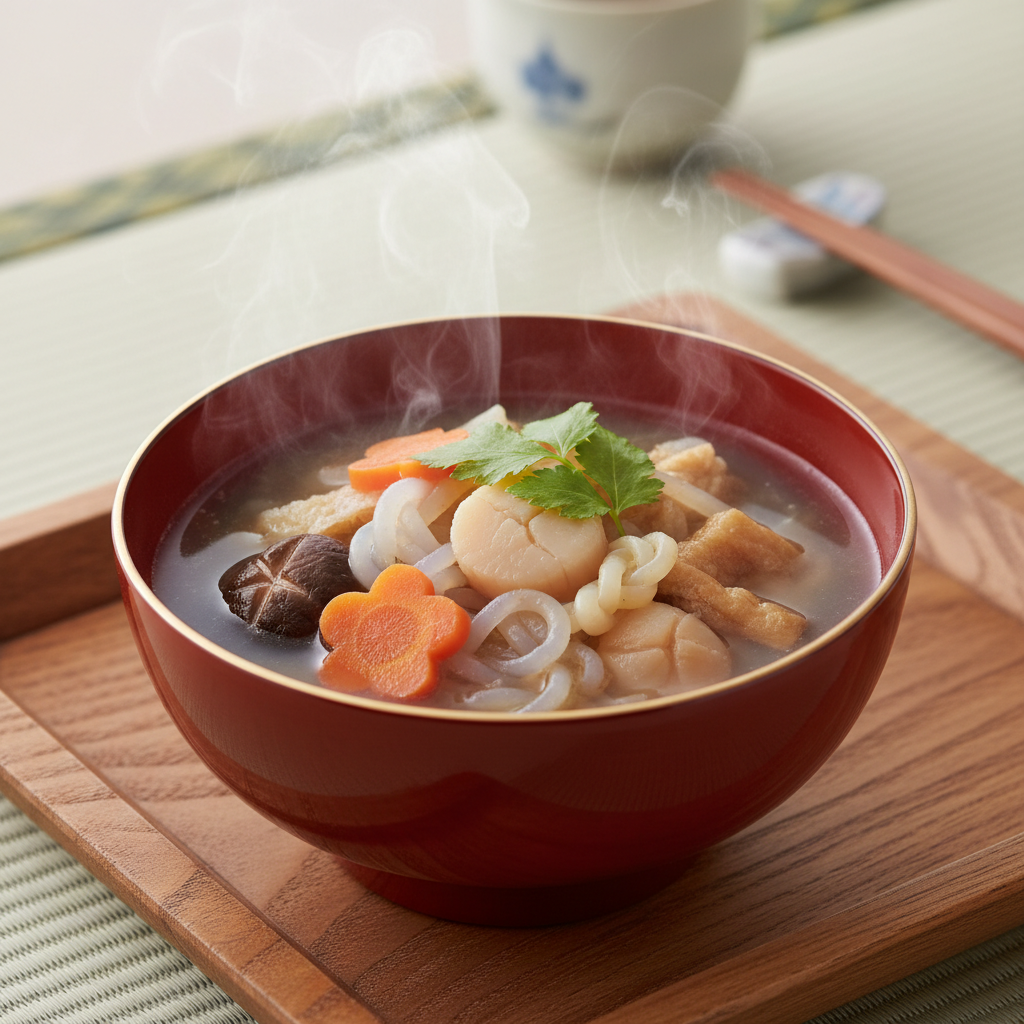
Kozuyu
A representative Aizu local dish called “kozuyu,” sometimes made with both scallop and dried herring.
Position in Aizu Food Culture
Herring in sansho pepper brine has been passed down as a home-cooked dish in Aizu households. Particularly valued as a winter preserved food, it invariably appears on the dining table during events like New Year’s and Obon.
In the Aizu region, it is cherished as “mother’s home cooking,” with each household maintaining its own unique seasoning and preparation methods. The home-cooked flavors passed from mother to daughter, from grandmother to grandchild, have become part of Aizu’s identity.
Where to Purchase Herring in Sansho Pepper Brine
Purchasing in Fukushima Prefecture
Homemade herring in sansho pepper brine is sold at roadside stations and souvenir shops in Fukushima Prefecture, particularly in the Aizu region. It is also available at tourist facilities and specialty shops in Aizuwakamatsu City.
Main Shopping Locations:
- Michi no Eki Aizu Yanizu
- Souvenir shops in Aizuwakamatsu City
- Fukushima Prefecture Tourism and Products Hall
- Local farmers’ markets in the Aizu region
Online Purchase
Those living far away can also purchase online through internet retailers. Antennae shops for Fukushima and online shops specializing in Aizu regional products carry it. Since it is shipped in vacuum-sealed or frozen packaging, you can enjoy it fresh anywhere in Japan.
Learning About Sansho Pepper
Types and Characteristics of Japanese Sansho Pepper
Japanese sansho pepper mainly includes varieties such as “asakura sansho” and “budou sansho.” In the Aizu region, locally harvested sansho pepper is often used, and its aroma and pungency create a distinctive flavor.
Sansho pepper berries are harvested in early summer, when fresh berries appear on the market. By processing during this season and freezing for storage, you can make herring in sansho pepper brine year-round.
Preparation Method for Fresh Sansho Pepper Berries
Here is the preparation method if you obtain fresh sansho pepper berries:
- Remove sansho pepper berries from branches and rinse thoroughly
- Boil in hot water for 2-3 minutes (to remove bitterness)
- Transfer to cold water and drain
- Divide into small portions and freeze
With this preparation method, the sansho pepper berries will keep frozen for six months to a year.
Herring in Sansho Pepper Brine and Seasonal Occasions
Peak Season
Herring in sansho pepper brine can be eaten year-round as a preserved food, but there are particularly delicious times.
Fall to Winter: Often made to coincide with the new rice harvest, making it ideal as a rice accompaniment. Additionally, many households make large quantities as a winter preserved food.
Spring to Early Summer: Making it during sansho pepper’s peak season (May-June) allows you to enjoy the fresh aroma of the berries.
Role as Festival Food
In the Aizu region, herring in sansho pepper brine appears on dining tables during celebrations like New Year’s and Obon. Particularly at New Year’s, it is an indispensable part of traditional osechi cuisine.
It is also prized as an entertainment dish, and is cherished as one of the “okkyaku ryori” (guest dishes) of Aizu’s traditional hospitality cooking.
Conclusion: The Appeal of Herring in Sansho Pepper Brine
Herring in sansho pepper brine is a local dish of Fukushima’s Aizu region, packed with rich food culture and the wisdom unique to an inland area far from the sea. The distinctive flavor created by the harmony of dried herring’s umami and sansho pepper’s refreshing pungency is a taste you won’t forget once you’ve tried it.
Beyond its practical utility as a preserved food, it is also highly nutritious and well worth incorporating into modern eating habits. Making it at home allows you to adjust the seasoning to your preference and enjoy the pleasure of homemade cooking.
If you visit the Aizu region, please be sure to taste the locally made herring in sansho pepper brine. Additionally, by trying to make it at home, you can develop a deeper understanding and appreciation of Aizu’s food culture. Please experience Aizu’s traditional flavor, created by the pungent stimulus of sansho pepper and the deep umami of herring.