
Complete Guide to Gamenī (Chikuzen-ni) | History, How to Make, and Cultural Background of Saga Prefecture’s Representative Local Cuisine
What is Gamenī | A Traditional Local Dish Representative of Saga Prefecture
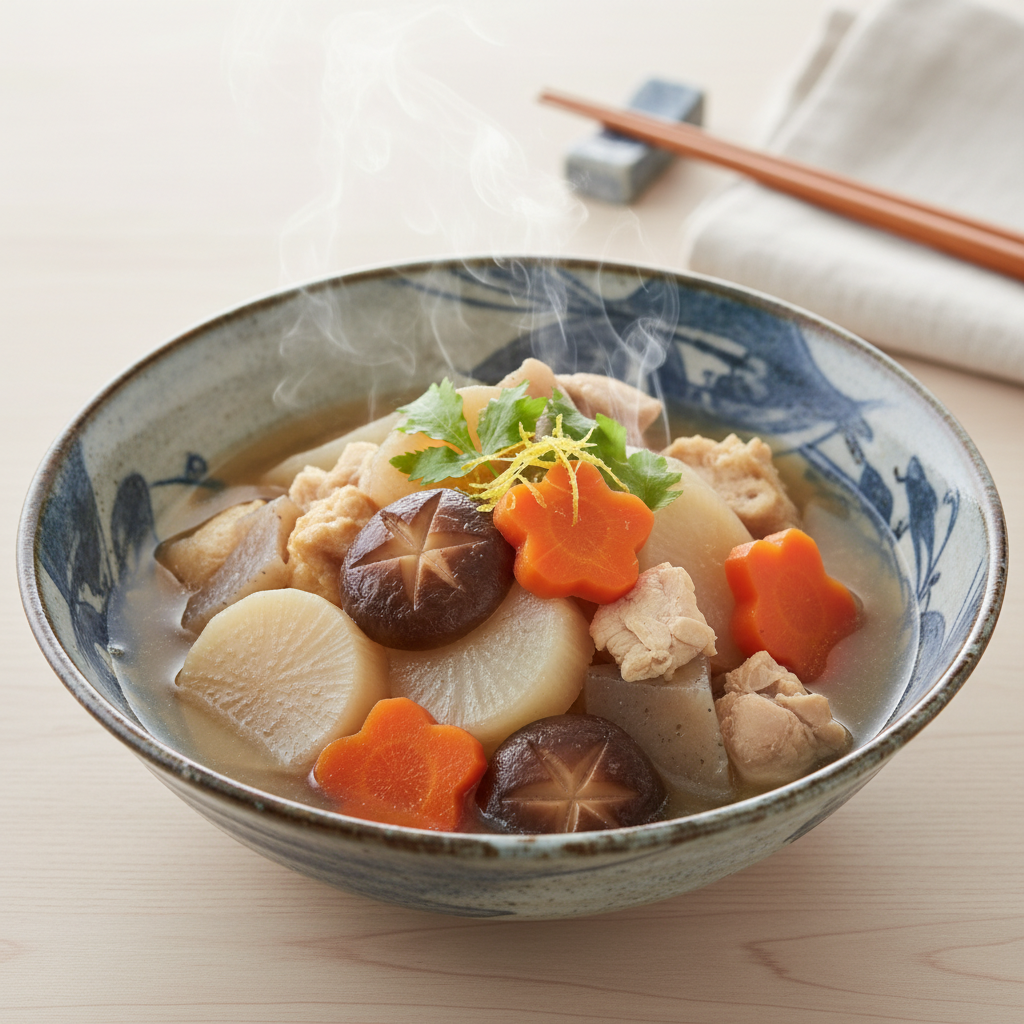
Gamenī (がめに) is a representative local dish that has long been cherished in the northern Kyushu region, including Saga Prefecture. Known nationwide as “Chikuzen-ni,” “fried chicken,” or “Chikuzen-naki,” it is a dish of chicken and abundant root vegetables simmered in a soy-based broth.
In Saga Prefecture, it has been passed down through generations as an indispensable dish for special occasions such as New Year’s osechi cuisine and “Okunchi (O-kokonichi),” the festival of the local tutelary deity. Beyond being a home-cooked meal, it has been cherished as a dish to entertain important guests and has become a symbol of the region’s food culture.
Main Regions of Transmission
Gamenī is enjoyed throughout Saga Prefecture, but it is particularly popular in the northern areas of the prefecture, including Karatsu City. Similar dishes have become established local cuisine in Fukuoka Prefecture (Hakata area), Oita Prefecture (Hita City, etc.), and parts of Nagasaki Prefecture (Omura City), forming a broad food culture sphere in northern Kyushu.
Each region has subtle differences in seasoning and ingredients, with Saga Prefecture tending to use abundant locally-produced vegetables. This reflects the geographical characteristics blessed with rich agricultural products of the Saga Plain.
History and Origins of Gamenī | Deep Connection to Toyotomi Hideyoshi’s Korean Campaign
Theory of Origin in the Bunroku and Keichō Campaigns
While there are various theories about the birth of gamenī, the most widely accepted is related to Toyotomi Hideyoshi’s Korean campaign (Bunroku-Keichō no Eki, 1592-1598). When Hideyoshi encamped in Hakata during the Korean campaign, soldiers are said to have cooked soft-shell turtles (referred to at the time as “dobu-gami,” “river turtles,” or “mud turtles”) found in the Hakata inlet and streams together with available vegetables.
The name “gamenī” is said to have originated from cooking “game” (turtle). While soft-shell turtles were highly valued as a precious protein source at that time, they were eventually replaced with more easily obtainable chicken, resulting in the dish’s current form.
Theory of Origin in the Hakata Dialect “Gamekurikomi”
Another prominent theory is that the name derives from the Hakata dialect term “gamekurikomi” (meaning to gather or collect together). This suggests the name came from the cooking method of collecting various ingredients into one pot and simmering them.
This theory directly reflects the dish’s characteristic feature of “combining diverse ingredients,” suggesting it may be a spontaneously spreading name among the common people.
Establishment and Development in Saga Prefecture
From the Edo period through the Meiji period, this dish spread widely among the common people of Saga Prefecture. It developed as the ultimate “local production for local consumption” dish, combining abundant root vegetables cultivated in the Saga Plain with locally-raised chicken.
Particularly in rural areas, the dish was prepared in large pots during breaks in farm work and at harvest festivals, serving as a role in deepening community bonds.
Eating Occasions and Seasons | A Special Dish that Enriches Special Days
Role as Okunchi (O-kokonichi) Cuisine
The most important role for gamenī in Saga Prefecture is at “Okunchi,” a festival of the local tutelary deity. Okunchi is an autumn festival held around the ninth day of the ninth lunar month (the Chongyang Festival), and at various local celebrations including Karatsu Kunchi, gamenī is served as a standard delicacy.
From the day before the festival, it is prepared in large quantities in homes and communities, with a custom of sharing it among relatives and neighbors. This raises a sense of regional solidarity and serves as an important opportunity to pass traditional culture to the next generation.
As New Year’s Osechi Cuisine
Gamenī is also indispensable as part of New Year’s osechi cuisine. It can be made and stored in advance at the end of the year, and its keeping quality has made it an invaluable dish during the busy New Year period.
The way various ingredients harmonize in one pot is interpreted as a lucky charm wishing for family harmony and a bountiful harvest, adding color to the table celebrating the new year.
Other Special Occasions
Gamenī is prepared for various gatherings such as weddings, memorial services, and community meetings. Its efficiency in cooking large quantities at once and its universally appreciated flavor have made it a valued dish for entertaining guests.
Main Ingredients Used | Characterized by Abundant Saga Prefecture Root Vegetables
Basic Ingredient Composition
The characteristic of gamenī lies in the combination of chicken and a diverse variety of root vegetables. The following are representative ingredients:
Main Ingredients:
- Chicken (thigh meat is common; bone-in is used in some homes)
- Taro root (Saga Prefecture’s sticky variety is preferred)
- Burdock root (accent for aroma and texture)
- Carrot (adds color and sweetness)
- Lotus root (crispy texture)
- Konnyaku (rich in dietary fiber)
- Bamboo shoot (dried or fresh seasonal shoots)
- Dried shiitake mushrooms (important element for umami)
Seasonings:
- Soy sauce (many households use Kyushu’s characteristic sweet soy sauce)
- Mirin
- Sugar
- Sake
- Dashi (kombu and bonito flakes, or soaking liquid from dried shiitake)
Utilization of Saga Prefecture Ingredients
Saga Prefecture is known as an agricultural region, with abundant agricultural products produced especially in the Saga Plain. Most root vegetables used in gamenī are locally sourced, resulting in a fresh and nutritious dish.
Representative Agricultural Products of Saga Prefecture:
- Saga Prefecture Carrots (strong sweetness and vibrant color)
- Shiroishi Lotus Root (specialty of Shiroishi Town, characterized by stickiness and firmness)
- Ureshino Dried Shiitake Mushrooms (aromatic with concentrated umami)
Using these local ingredients creates the unique flavor of Saga Prefecture’s gamenī.
How to Make It | Recipe and Cooking Tips for Authentic Gamenī
Ingredients (Serves 4)
- Chicken thigh: 300g
- Taro root: 4 (medium size)
- Burdock root: 1
- Carrot: 1
- Lotus root: 150g
- Konnyaku: 1/2 sheet
- Bamboo shoot (canned): 100g
- Dried shiitake mushrooms: 4
- Pea pods: as needed (for garnish)
- Salad oil: 2 tablespoons
Seasonings:
- Dashi broth (soaking liquid from dried shiitake + kombu dashi): 400ml
- Soy sauce: 3 tablespoons
- Mirin: 3 tablespoons
- Sugar: 2 tablespoons
- Sake: 2 tablespoons
Preparation
- Rehydrate dried shiitake: Soak in water the day before; reserve the soaking liquid. Remove the stem; cut in half if large.
- Prepare chicken: Cut into bite-sized pieces and lightly season with salt (not in measurements).
- Prepare vegetables:
- Taro root: Peel, halve if large, salt-rub to remove sliminess, rinse with water
- Burdock root: Shave or cut into irregular pieces; soak in vinegar water for 5 minutes
- Carrot: Cut into irregular pieces or flower shapes
- Lotus root: Slice 5mm thick or into half-moons; soak in vinegar water
- Konnyaku: Tear by hand or cut into bite-sized pieces with a spoon; blanch
- Bamboo shoot: Cut into bite-sized pieces
Cooking Steps
Step 1: Stir-fry the chicken
Heat salad oil in a large pot or skillet and add chicken skin-side down over medium heat. Stir-fry thoroughly until the surface browns and excess fat is rendered, removing any odors and adding a fragrant quality.
Step 2: Add root vegetables and stir-fry
Once the chicken is cooked through, add the other vegetables (taro, burdock, carrot, lotus root, konnyaku, bamboo shoot, mushrooms) and stir-fry together for 3-5 minutes until oil coats everything and the vegetables’ surfaces become slightly translucent. This step of “stir-fried simmering” is the key characteristic, trapping the vegetables’ umami—an important point.
Step 3: Add taro and simmer
Add the dashi broth, bring to a boil, then add taro. Taro breaks down easily during cooking, so adding it later prevents this. Carefully remove any scum that rises to the surface.
Step 4: Add seasonings
Add sake and sugar, then simmer for 5 minutes over medium heat before adding soy sauce and mirin. Rather than adding all seasonings at once, adding them in stages helps the flavors penetrate better.
Step 5: Cover with a drop-lid and simmer
Place a drop-lid (aluminum foil works) and simmer on medium-low heat for 20-25 minutes. Occasionally rock the pot to distribute the broth evenly, but avoid stirring vigorously as this causes ingredients to break down.
Step 6: Finishing
Stop cooking when the broth is reduced to about one-third and the ingredients have a glossy appearance. Cooling it down further allows flavors to penetrate more. Plate and garnish with briefly blanched pea pods to complete.
Tips for Delicious Results
- Be thorough with stir-frying: Properly stir-frying the chicken and vegetables creates aromatic, deep flavor.
- Prevent breaking down: Add taro later and stir as little as possible during simmering; gently rock the pot instead.
- Let it rest overnight: If possible, make a day ahead and refrigerate overnight for dramatically deeper flavor penetration.
- Balance sweet and savory: Saga Prefecture often uses the characteristically sweet soy sauce of Kyushu, with slightly sweet seasoning being typical. Adjust to your preference.
- Dashi preparation: Using dried shiitake soaking liquid adds deep umami. Combining with kombu dashi creates more authentic flavor.
Difference Between Gamenī and Chikuzen-ni | Naming and Regional Character
Essentially the Same Dish
Gamenī and Chikuzen-ni essentially refer to the same dish with different names. The term “Chikuzen-ni,” derived from “Chikuzen Province,” the former name of Fukuoka Prefecture, is more common nationwide, but the name “gamenī” remains deeply rooted in northern Kyushu, particularly Saga and Fukuoka prefectures.
Subtle Regional Differences
Strictly speaking, the following differences are observed depending on region and household:
Gamenī (Saga/Fukuoka Prefectures):
- Characterized by sweeter seasoning
- Often uses Kyushu’s characteristic sweet soy sauce
- Abundant use of locally-sourced fresh root vegetables
- Some households use bone-in chicken
Chikuzen-ni (National Version):
- Slightly more modest sweetness
- Standard dark soy sauce used
- Made with ingredients available nationwide
- Boneless chicken thigh is typical
However, these differences are not absolute and vary greatly depending on family tradition and preference.
Use of Names
In Saga Prefecture, the term “gamenī” tends to be preferred due to regional pride in local cuisine. Meanwhile, school lunches and national restaurant chains often use “Chikuzen-ni,” with both names coexisting.
Ways to Enjoy | How to Savor Gamenī
Basic Way to Eat
Gamenī can be enjoyed delicious whether served hot or cold. Hot gamenī fresh from cooking allows the sweetness of the vegetables and the umami of the chicken to stand out, offering a comforting home-cooked flavor.
Cold gamenī has flavors thoroughly absorbed into the ingredients, resulting in deeper taste. This characteristic is valued when preparing ahead for New Year’s or Okunchi.
Pairing with Rice
Gamenī pairs exceptionally well with white rice. When the sweet-savory broth soaks into rice, you’ll want refill after refill. Eating it with delicious Saga Prefecture rice completes an ideal local-production-for-local-consumption meal.
Adaptation Methods
In Mixed Rice:
Finely chop leftover gamenī and use as ingredients for mixed rice, creating an umami-rich dish.
Topping for Udon or Soba:
Topping warm udon or soba with gamenī creates a nutritionally balanced single dish.
Box Lunch Side Dish:
Since it stays delicious when cold and offers nice color, it’s ideal for box lunch sides.
As Sake Pairing
Gamenī also pairs well with sake, particularly when enjoyed with local Saga sake, allowing full appreciation of regional flavor. The sweet-savory taste complements sake’s umami, making it an excellent evening drink accompaniment.
Nutritional Value and Health Benefits | A Nutritionally Balanced Single Dish
Abundant Nutrients
Gamenī is evaluated as nutritionally well-balanced cuisine. A single plate provides diverse nutrients:
Protein: High-quality animal protein from chicken
Dietary Fiber: Abundant fiber from burdock, lotus root, and konnyaku
Vitamins: Carrot (β-carotene), shiitake (vitamin D), etc.
Minerals: Taro (potassium), various minerals from root vegetables
Health Benefits
Improved Intestinal Environment:
Abundant dietary fiber improves intestinal health, helping constipation relief. Glucomannan in konnyaku activates intestinal function.
Enhanced Immunity:
β-glucan in shiitake boosts immunity, helping prevent colds.
Lifestyle Disease Prevention:
Dietary fiber in root vegetables suppresses rapid blood sugar spikes and helps improve cholesterol levels.
Low Calorie:
Vegetable-centered with relatively lean chicken, it’s low in calories. Safe to eat during dieting.
Preservation and Inheritance Efforts | Passing to the Next Generation
Family Transmission
In Saga Prefecture, the cooking method of gamenī is passed from mother to daughter, from grandmother to grandchild across generations. Large-scale gamenī preparation by families remains visible before Okunchi and New Year’s.
While nuclear families have reduced opportunities to learn traditional cooking methods in recent years, transmission to younger generations is being promoted through community cooking classes and public hall activities.
School Lunch Use
Many schools in Saga Prefecture incorporate gamenī into lunch menus as part of local cuisine education. This provides a valuable opportunity for children to experience local food culture and is expected to foster local attachment.
With excellent nutritional balance and appeal to most children, it has become an established school lunch standard.
Promotion at Community Events
At celebrations including Karatsu Kunchi, gamenī is served, providing opportunities for tourists to experience local flavor. It’s actively introduced at food events and product exhibitions, promoted as representative of Saga Prefecture’s food culture.
Commercialization Efforts
Retort Products:
Retort gamenī using Saga Prefecture ingredients is commercialized and sold as souvenirs and through mail-order. It’s designed for busy modern people to easily enjoy regional flavor.
Frozen Foods:
Pre-prepared gamenī sets and finished frozen products are sold, allowing authentic flavor recreation while saving cooking effort.
Seasoning Sets:
Specialty gamenī seasoning sets are sold, allowing anyone to easily create authentic taste.
Social Media Information Sharing
Among younger generations, posts using hashtags like “#gamenī” and “#Saga-local-cuisine” are increasing on Instagram and Twitter. Home-cooked gamenī photos and adapted recipes are being shared, advancing new forms of cultural transmission.
Saga Prefecture’s official tourism site and local government social media accounts actively share local cuisine information including gamenī, contributing to awareness both inside and outside the prefecture.
Cooking Contests and Award Systems
Some regions hold gamenī contests where home cooking is judged against competitors. Traditional dishes are respected while creative variations are evaluated, achieving both tradition preservation and culinary evolution.
Relationship to Other Saga Prefecture Local Dishes
Position in the Local Cuisine System
Gamenī is among the most widely known and regularly eaten local dishes of Saga Prefecture. Other representative local dishes of Saga Prefecture include:
- Yobuko squid live sashimi: Fresh squid sashimi from the Genkai Sea
- Suko sushi: Pressed sushi traditional to Shiroishi Town
- Mudskipper eel preparation: Dishes using Ariake Sea specialty mudskippers
- Warm noodles (unmein): Specialty noodle dish of Ureshino Hot Spring
- Sicilian Rice: Saga City’s local gourmet
Among these, gamenī stands out as the most home-oriented and enjoyed throughout the prefecture.
Combination with Ariake Sea Bounty
Saga Prefecture faces the Ariake Sea, which with its approximately 6-meter tidal range yields abundant marine products. Enjoying gamenī alongside Ariake Sea treasures such as mudskippers, ribbonfish, and seaweed allows simultaneous enjoyment of Saga Prefecture’s “mountain” and “sea” bounties.
Regional Exchange and Tourism Through Gamenī
Use as a Tourism Resource
Gamenī serves as a tourism content for experiencing Saga Prefecture’s food culture. Local inns and restaurants offer authentic gamenī using local ingredients, receiving tourist favor.
Particularly during Karatsu Kunchi season, many tourists visit, making enjoying gamenī alongside the festival a standard activity.
Cooking Experience Programs
Some tourism facilities and farm homestays offer gamenī-making experience programs. Learning directly from locals and cooking with Saga’s fresh ingredients provides valuable food education and regional understanding opportunities.
Promotion of Inter-regional Exchange
Exchange events are held with regions like Fukuoka and Nagasaki prefectures, which similarly maintain gamenī culture. Comparing subtle regional differences and exchanging recipes forms a northern Kyushu food culture network.
Conclusion | Gamenī Connecting Past and Future
Gamenī originates from Toyotomi Hideyoshi’s Korean campaign, a historical event, and has been cherished for over 400 years in northern Kyushu, including Saga Prefecture, as a local dish.
Despite its simple cooking method of stir-frying and simmering chicken with abundant root vegetables, it functions as the ultimate local-production-for-local-consumption cuisine utilizing regional agriculture and as a special dish enriching special occasions, deeply rooted in regional society.
Connected to traditional events like Okunchi and New Year’s, gamenī has played a role in deepening family and community bonds. Beyond being mere food, it embodies Saga Prefecture’s culture itself.
Today, various transmission methods to the next generation are underway, including school lunch provision, commercialization, and social media promotion. Maintaining tradition while continuously evolving with the times, gamenī will continue being beloved as representative of Saga Prefecture’s food culture.
When visiting Saga Prefecture, please taste authentic gamenī. Additionally, using this article’s recipe to cook at home, we would be delighted if you could experience a part of Saga Prefecture’s rich food culture.