
Boze no Sugata-zushi: A Traditional Tokushima Dish | Complete Guide to History, How to Make, and Where to Eat
What is Boze no Sugata-zushi?
Boze no sugata-zushi (boze no sugata-zushi) is a traditional local dish that has been passed down for generations in northern Tokushima Prefecture. It is a pressed sushi made by butterflying Spanish mackerel (ibodai), pickling it in vinegar, and placing the entire fish as-is on top of sushi rice. It remains beloved by local people as an indispensable special delicacy served at autumn festivals and celebratory occasions.
It has been selected by the Ministry of Agriculture, Forestry and Fisheries for the “100 Best Rustic Dishes of Mountains, Villages, and Fishing Communities” and has also been recognized as a Tokushima Citizen’s Heritage. The distinctive characteristics are its bold appearance with the fish’s head and tail completely intact, and its refined taste with the refreshing aroma of sudachi citrus—a traditional flavor unique to Tokushima.
What is “Boze”? | The Local Name for Spanish Mackerel
The Tokushima Dialect Word “Boze”
“Boze” is a Tokushima dialect term for ibodai (Spanish mackerel/wart fish). Ibodai is a saltwater fish belonging to the family Stromateidae in the order Perciformes, with adult body length of approximately 20-30cm. It has a flat, oval-shaped body and is characterized by a beautiful silvery-white body surface.
Regional Variations in Names
Ibodai has various names depending on the region. In the Kanto region it is called “ebodai,” and in the Kansai region around Osaka it is often called “ubose” or “shizu,” demonstrating the diversity of regional food cultures. In Tokushima Prefecture, it is affectionately known as “boze” and holds a special place as an autumn delicacy.
Characteristics and Flavor of Ibodai
Ibodai is a white fish with good fat content and refined sweetness. The flesh is tender with easily separable bones, making it easy to eat. The peak fishing season is from September to October, and ibodai caught during this period is said to be at its most delicious with excellent fat marbling. In the past it was treated as a high-class fish and was prized in eastern Japan as a raw material for premium dried fish.
The Culture of Sugata-zushi in Tokushima Prefecture
The Relationship Between Autumn Festivals and Sugata-zushi
In Tokushima Prefecture, when the autumn festival season arrives, various fish are made into sushi while retaining their original shape—”sugata-zushi” (whole fish sushi). This is not merely a dish but carries the meaning of ceremonial food with gratitude for good catches and prayers for abundant harvest.
Keeping the fish’s shape intact carries the meaning of gratitude for “taking a life” and expresses abundance by showing the fish’s form. Autumn festivals are important events giving thanks for the harvest, and the sugata-zushi served at these occasions has played a role in deepening the bonds of the local community.
Types of Fish Used
Fish used for sugata-zushi include, besides boze (ibodai), horse mackerel, gizzard shad, mackerel, and saury. The fish used differs depending on the region and household, but in the coastal areas of northern Tokushima, boze has particularly been utilized as the main ingredient.
In the past, boze was treated as a high-class fish and carefully preserved as a delicacy for special occasions. Even today, it remains an indispensable ingredient for autumn festivals, and fresh boze can be seen displayed at local fishmongers and markets.
Food Culture of Northern Tokushima Prefecture
Tokushima Prefecture is surrounded by mountains such as the Shikoku Mountains and the Sanuki Range while also facing the Pacific Ocean, making it a geographically diverse area. Both blessed with mountain and sea bounty, the coastal regions in particular have developed a cuisine culture using fresh seafood.
Boze no sugata-zushi can be said to be the crystallization of this region’s abundant marine bounty and a food culture created by people who treasure it. By using Tokushima’s specialty sudachi citrus, it becomes an even more regionally distinctive dish.
The History and Origins of Boze no Sugata-zushi
Origins as Traditional Ceremonial Food
While the exact origin of boze no sugata-zushi is not clearly recorded, it is a traditional dish that has been made since ancient times in the coastal regions of northern Tokushima Prefecture during autumn festivals. The autumn festivals held in rural areas as harvest celebrations and in fishing villages as good-catch festivals are important events giving thanks for the year’s bounty.
For these special occasions, boze—normally treated as a high-class fish—came to be used to make sugata-zushi with considerable effort. When family, relatives, and neighbors gathered to eat it together, it also served the role of strengthening community cohesion.
The Technique of Pressed Sushi
Sugata-zushi is a type of pressed sushi using the technique of placing sushi rice in a mold and pressing it firmly. This technique both increases shelf life and allows flavors to blend uniformly. In an era before refrigeration technology developed, combining vinegar-cured fish with vinegar-seasoned rice made it possible to safely serve many people at festival occasions.
The technique of butterflying the fish and wrapping it contains the wisdom of ancestors who achieved both visual beauty and ease of eating.
Continuation into Modern Times
Though times have changed, boze no sugata-zushi is loved by Tokushima people as “festival flavor” and “mother’s taste.” While it was once common for each household to make it, it can now be purchased at specialty shops and fishmongers, allowing more people to enjoy it easily.
On the other hand, ibodai catch has been declining in recent years, and prices have risen. Therefore, cases of substituting other fish such as horse mackerel or mackerel have increased, but efforts to preserve the traditional flavor continue in various places.
How to Make Boze no Sugata-zushi
Ingredients (serves 4)
For fish preparation:
- Boze (ibodai): 4 fish (body length approximately 20cm)
- Salt: as needed
- Vinegar: as needed
For sushi rice:
- Rice: 3 cups
- Kombu seaweed: 1 piece (10cm square)
- Vinegar: 4-5 tablespoons
- Sugar: 2 tablespoons
- Salt: 1 teaspoon
- Sudachi juice: 1-2 fruits worth
For finishing:
- Thinly sliced sudachi: as needed
- Sweet pickled ginger: as desired
Preparation
- Preparing the boze: Obtain fresh boze and carefully remove the scales. Butterfly it while keeping the head intact, and remove the internal organs and central bone. Remove the eyes but keep the head.
- Salting: Sprinkle salt on both sides of the opened boze and let sit for 30 minutes to 1 hour to remove excess moisture.
- Pickling in vinegar: After rinsing away the salt, pickle in vinegar for 15-20 minutes to firm up the flesh. Remove from vinegar and pat dry thoroughly with paper towels.
Preparing the Sushi Rice
- Rinse the rice, add kombu seaweed, and cook.
- Mix vinegar, sugar, and salt together to make seasoned vinegar.
- Add the seasoned vinegar and sudachi juice to the cooked rice, mix gently in a slicing motion while cooling.
Shaping
- Place plastic wrap on a bamboo mat and lay the prepared boze skin-side down.
- Spread sushi rice evenly over the boze, shaping it to match the fish’s form.
- Use the bamboo mat to wrap and shape everything together, pressing gently from above to blend.
- Leave wrapped in the bamboo mat for 30 minutes to 1 hour to allow flavors to blend.
- Cut into easy-to-eat pieces and plate with thinly sliced sudachi.
Tips for Making
- Use fresh fish: The deliciousness of sugata-zushi greatly depends on fish freshness.
- Vinegar pickling time: If pickled too long, the flesh becomes tough, so timing is important.
- Sushi rice temperature: Using rice that has cooled to body temperature creates better blending with the fish.
- Pressing pressure: Too much pressure will crush the rice, so appropriate force is essential.
Occasions and Seasons for Eating
A Standard Autumn Festival Dish
Boze no sugata-zushi is most eaten during the autumn festival season from September to October. This period coincides with the peak fishing season for ibodai, when delicious fatty boze is readily available. At autumn festivals held at local shrines, when family and relatives gather, boze no sugata-zushi is served alongside red rice.
Use at Celebratory Occasions
Besides autumn festivals, it is also served at celebratory occasions such as weddings, housewarming celebrations, and 60th birthday parties. The luxurious appearance with the fish’s shape fully preserved is suitably elegant for celebratory occasions.
Home Enjoyment
In modern times, it is also enjoyed at home as an autumn delicacy. Pre-cleaned boze is sometimes sold at supermarkets and fishmongers, making it relatively easy to prepare at home. It is also common for people to purchase the finished product and enjoy it with family.
Eating Methods and How to Enjoy
Basic Way of Eating
Boze no sugata-zushi is typically cut into easy-to-eat pieces (3-4cm width) for serving. While delicious on its own, it can be enjoyed with even more refreshing flavor by adding sweet pickled ginger or squeezing sudachi over it.
While some may dip it in soy sauce, since the fish is already pickled in vinegar and the sushi rice is seasoned, it is delicious eaten plain.
Dishes That Pair Well
At autumn festival meals, it is typically served alongside red rice, simmered dishes, and clear soup. It also pairs excellently with local sake, and pairing it with Tokushima sake allows you to savor the regional flavor even more.
Storage Methods
It is most delicious fresh, but can be enjoyed the next day if refrigerated. However, since the rice tends to harden, it is good to return it to room temperature before eating. When refrigerating, wrap tightly with plastic wrap to prevent drying.
Where to Eat Boze no Sugata-zushi
Restaurants in Tokushima Prefecture
Centered in Tokushima City, there are restaurants serving boze no sugata-zushi. Particularly in autumn, local cuisine restaurants and sushi shops may offer it as a seasonal limited menu item. It is recommended to call ahead to confirm.
Fish Shops and Supermarkets
When the autumn festival season arrives, local fishmongers and supermarkets sell finished products or pre-cleaned boze. It is particularly easy to obtain in the coastal regions of northern Tokushima, where locals can be seen purchasing it.
Online Purchase
In recent years, online shopping sites sell pre-cleaned products like “sudachi-cured boze for butterfly sugata-zushi preparation.” People living outside Tokushima Prefecture can also enjoy the regional flavor.
Tourist Facilities and Roadside Stations
Tourist facilities and roadside stations in Tokushima Prefecture may have informational displays about local cuisine. Demonstration sales may also be held during events, so checking tourism information is worthwhile.
Main Areas of Transmission
Boze no sugata-zushi is particularly transmitted in the coastal regions of northern Tokushima Prefecture. Coastal areas such as Tokushima City, Naruto City, Komatsushima City, and Anan City are the main transmission areas, with subtle variations in preparation methods and seasoning in each region.
Particularly around Tokushima City, efforts to preserve and transmit it as local food culture are active because it has been selected as a Tokushima Citizen’s Heritage. Demonstrations of sugata-zushi preparation and experience workshops are sometimes held at local festivals and food culture events.
Modern Challenges and Efforts for Preservation and Transmission
Decline in Ibodai Catch
In recent years, ibodai catch has been declining nationally. Changes in marine environment and overfishing are cited as causes, with prices also rising. As a result, cases of substituting other fish such as horse mackerel, mackerel, and saury for boze in traditional sugata-zushi have increased.
Succession of Traditional Techniques
Due to the shift to nuclear families and changes in lifestyles, opportunities to make sugata-zushi at home have decreased. Techniques once passed from mother to daughter face the risk of being lost, and efforts to preserve the region’s food culture are needed.
Preservation Societies and Local Initiatives
Various efforts to preserve local cuisine are underway in Tokushima Prefecture. Cooking classes, recipe compilation, introduction into school lunches, and other activities to transmit tradition to the next generation are being carried out.
Efforts to utilize it as a tourism resource are also advancing, with Tokushima tourism information sites such as “Awa Navi” actively promoting boze no sugata-zushi as a Tokushima attraction.
Product Development Efforts
While preserving tradition and responding to modern needs, product development efforts are underway. The development of pre-cleaned fish and easy-to-prepare kit products allows even those unfamiliar with cooking to try making it. The expansion of online sales allows delivery of the regional flavor to people outside Tokushima Prefecture, also contributing to increased awareness.
Tokushima’s Food Culture and Boze no Sugata-zushi
Pairing with Sudachi
Indispensable to boze no sugata-zushi is Tokushima’s specialty sudachi citrus. The refreshing acidity and aroma of sudachi enhances the flavor of fatty ibodai and leaves a clean aftertaste. This combination symbolizes Tokushima’s regional character.
Connection to Other Local Dishes
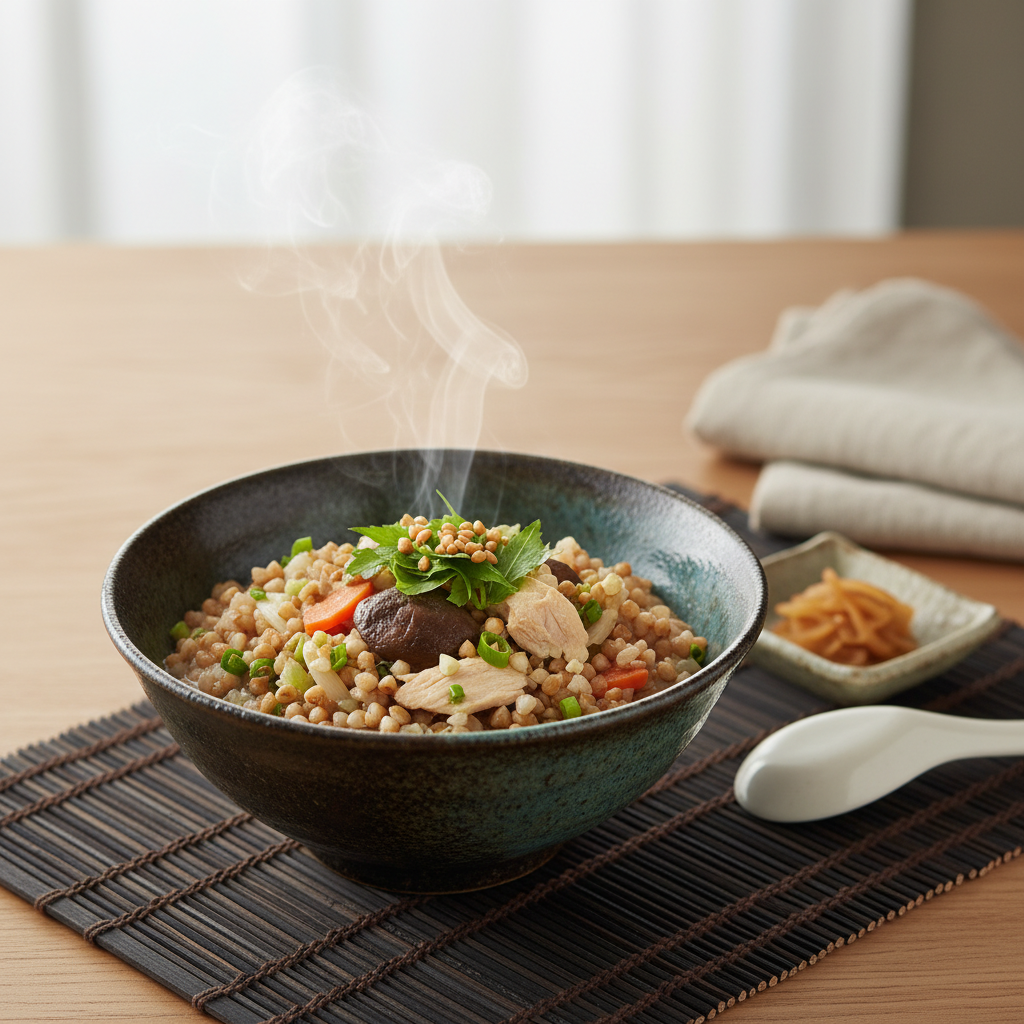
Tokushima Prefecture has many local dishes besides boze no sugata-zushi. Sobamai zōsui (buckwheat grain porridge), tarai udon, and Awa chicken dishes are abundant, utilizing both mountain and sea bounty. Along with these dishes, boze no sugata-zushi represents the diversity of Tokushima’s food culture.
Symbol of Regional Identity
Discussed as “festival flavor” and “mother’s taste,” boze no sugata-zushi transcends being merely a dish to become part of Tokushima people’s identity. When autumn festival season arrives, many recall their hometown through this dish and reaffirm family bonds.
Local cuisine is a mirror reflecting a region’s history, culture, and people’s lives. To taste boze no sugata-zushi is also to touch Tokushima’s rich nature and the hearts of people who have treasured it.
Summary
Boze no sugata-zushi is a traditional local dish passed down since ancient times in coastal northern Tokushima Prefecture and an indispensable special delicacy at autumn festivals. This pressed sushi, made by butterflying Spanish mackerel (called “boze” in Tokushima dialect), pickling it in vinegar, and combining it with sushi rice seasoned with sudachi citrus, is loved by many for both its luxurious appearance and refined taste.
Its cultural value has been highly recognized, having been selected for the Ministry of Agriculture, Forestry and Fisheries’ “100 Best Rustic Dishes of Mountains, Villages, and Fishing Communities” and for Tokushima Citizen’s Heritage. Though facing challenges from declining ibodai catch, this traditional flavor is being passed to the next generation through preservation and transmission efforts by local people and modern approaches such as commercialization.
When visiting Tokushima, be sure to experience this local flavor. During autumn festival season, you can feel the pulse of food culture rooted in the region even more deeply.