Zunda Mochi: A Complete Guide to Miyagi Prefecture’s Local Cuisine—History, How to Make It, and Cultural Background Thoroughly Explained
What is Zunda Mochi?
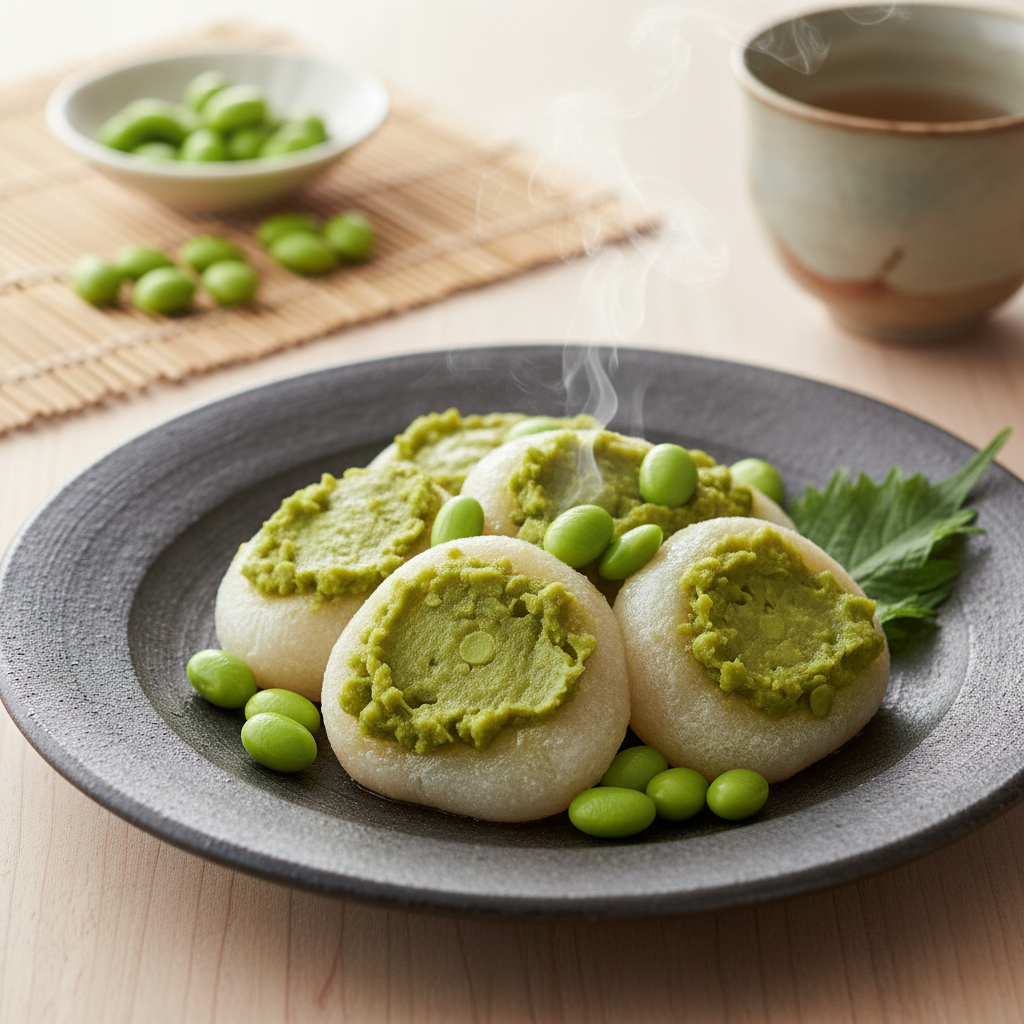
Zunda mochi (ずんだ餅) is a representative local dish of Miyagi Prefecture, made by coating mochi with a vibrant green paste made from crushed edamame. Characterized by the natural flavor of edamame, gentle sweetness, and granular texture, it is counted as one of the “Three Great Specialties of Sendai” alongside beef tongue and bamboo fish cake.
This local confection, cherished since ancient times in the southeastern Tohoku region, particularly in Miyagi Prefecture, is traditionally made during the edamame harvest season from summer to autumn, and has become a standard offering during Obon and equinox festivals. In recent years, it has become available year-round regardless of season, and enjoys high popularity as a souvenir from Miyagi Prefecture.
The beautiful contrast between the white, smooth mochi and the warbler-colored zunda paste is visually appealing and allows one to enjoy the traditional flavor with the senses. Unlike red bean paste, zunda mochi retains the granular texture of edamame, allowing one to fully savor the natural bite and flavor of the beans—this is its greatest appeal.
Major Transmitted Regions and Mochi Food Culture of Miyagi Prefecture
Characteristics of Mochi Food Culture in Miyagi Prefecture
Zunda mochi is enjoyed throughout Miyagi Prefecture, but it is particularly widely transmitted in the Sendai area. Miyagi Prefecture is known nationally as a region where mochi is eaten frequently, and mochi is eaten without fail at annual events such as New Year’s, weddings, memorial services, and funerals.
Known as a major rice-producing region, Miyagi Prefecture has an extremely diverse variety of mochi dishes, with over 50 types of mochi cuisine said to exist. Various mochi cultures have been nurtured that make use of local ingredients, including “fusube mochi” made with loach, “kurumi mochi” made with walnuts, sesame mochi, natto mochi, and bamboo leaf mochi.
Zunda Mochi as Hospitality Food
Among these mochi dishes, sesame mochi, walnut mochi, and zunda mochi are often served to guests and hold a special position. Zunda mochi has become a standard when treating visitors from inside and outside the prefecture as a representative local dish of Miyagi, and is cherished as a symbol of Miyagi’s food culture.
Spread Across the Southeastern Tohoku Region
Zunda mochi is eaten not only in Miyagi Prefecture but throughout the southeastern Tohoku region, including southern Iwate Prefecture, Yamagata Prefecture, and Fukushima Prefecture. The name varies by region, with various denominations existing such as “zundan mochi,” “jindan mochi,” “jinda mochi,” “nuta mochi,” and “mame zuri mochi.” These diverse names indicate that this dish has a long history across a wide region and has developed independently in each area.
History and Origins of Zunda Mochi
Various Theories About the Name’s Origin
There are multiple theories about the origin of the name “zunda,” and its true origin is uncertain. The most famous theory is related to Date Masamune.
During the Sengoku period, there is a theory that when Date Masamune went out to battle, he crushed edamame with a “jin-no-katana” (陣太刀), and “jin-no-katana” became corrupted into “zunda.” This theory is widely known among Miyagi Prefecture residents and is passed down as an important episode connecting zunda mochi to Date Masamune.
There are also theories that the word “mame-uchi” (豆打) changed into zunda, or that it comes from the dialect “mame-n-uchi” (豆ん打). Furthermore, there is a theory based on a person’s name, that it was invented by a person named Jinta (甚太).
These various theories demonstrate that zunda mochi is a long-established local dish rooted in the region, and it is believed that various narratives were created through oral transmission.
Historical Background and Development
The origins of zunda mochi are unclear, but it is thought to have been born from the connection between Miyagi Prefecture’s rich rice-growing culture and the tradition of edamame cultivation. In agricultural Miyagi Prefecture, wisdom was developed for utilizing edamame, abundantly harvested from summer to autumn, as preserved food and festival food.
In the past, mochi was made in each household, and children would help with the task of removing beans from pods—scenes of families working together to make zunda mochi were common. This collaborative work was also an opportunity to deepen family bonds, and techniques and flavors have been passed down across generations.
In recent years, more people purchase ready-made mochi, and the opportunity to make it from scratch at home has decreased, but its flavor and cultural value continue to be carefully preserved.
Occasions and Seasons for Eating
Standard at Obon and Equinox Festivals
Zunda mochi is particularly made during the summer season, when edamame is harvested. It has become a standard offering during Obon and equinox festivals, serving as an indispensable part of ceremonies honoring ancestors. The vibrant green color symbolizes vitality, and is thought to carry the meaning of gratitude for the season’s bounty.
Role in Annual Events and Celebrations
In Miyagi Prefecture, various mochi dishes are eaten at annual events such as New Year’s, weddings, and memorial services, but zunda mochi is particularly positioned as a special dish when entertaining guests. In the lives of Miyagi residents, who have a deeply rooted custom of eating mochi at each life milestone, zunda mochi has been cherished over many years.
Year-Round Availability in Modern Times
Traditionally made during the fresh edamame season from summer to autumn, zunda mochi can now be enjoyed year-round thanks to the advancement of freezing technology and processing techniques. It is provided year-round at tourist destination restaurants and souvenir shops, making it possible to enjoy Miyagi’s flavor anytime.
Main Ingredients Used and Nutritional Value
Basic Ingredients
The ingredients for zunda mochi are extremely simple, with just four basics: edamame, mochi, sugar, and salt. This simple combination brings out the original flavor of edamame to the maximum, creating an elegant taste.
Edamame: The star ingredient that determines the characteristics of zunda mochi with its vibrant green color and unique flavor. Using fresh edamame from Miyagi Prefecture creates a richer flavor.
Mochi: Freshly pounded soft mochi is ideal, but mochi made by boiling store-bought cut mochi until soft also works. It can also be substituted with white dango, allowing you to enjoy different textures.
Sugar: Added to bring out the natural sweetness of the edamame. The sweetness can be adjusted to preference, and can be kept modest to highlight the original flavor of the edamame.
Salt: When added in small amounts, it enhances the sweetness and tightens the overall flavor.
Nutrition and Health Benefits
Zunda mochi is a local dish with high nutritional value, given that edamame is its main ingredient. Edamame is rich in quality plant-based protein, dietary fiber, B vitamins, vitamin C, folate, iron, and more.
It is particularly rich in vitamin B1, which is effective for preventing summer fatigue and aiding fatigue recovery—one reason it has been eaten in the hot season. It also contains functional components such as isoflavones and is drawing attention as an ingredient that helps maintain health.
Mochi provides carbohydrates as a quick source of energy; in times when heavy agricultural labor was common, it was a valuable source of energy replenishment.
How to Make Zunda Mochi (Ingredients for 4 servings)
Ingredients
- Edamame (in pods): 300g (net weight approximately 150g)
- Cut mochi or white dango powder: for 8 pieces
- Sugar: 3-4 tablespoons (adjust to taste)
- Salt: 1/4 teaspoon
- Water: as needed
Traditional Method
1. Preparing the Edamame
Rinse the edamame well and boil in plenty of hot salted water for 5-7 minutes. Once boiled, place in cold water and let cool slightly. Remove the beans from the pods and carefully peel the thin skin (sweet skin) from each bean one by one. This task is time-consuming, but it is an important step for a smooth and refined finish.
2. Creating the Zunda Paste
Place the skinned edamame in a mortar and crush carefully with a pestle. Rather than making it completely smooth, leave some granular texture for a more enjoyable eating experience. If using a food processor, be careful not to overprocess.
Add sugar and salt to the crushed edamame, gradually adding small amounts of water to adjust to the desired consistency. A slightly loose state that clings well to mochi is ideal. Taste and adjust the amounts of sugar and salt to your preference.
3. Preparing the Mochi
If using cut mochi, boil in plenty of water until soft. If making white dango, add water to white dango powder and knead to the consistency of an earlobe, then shape into bite-sized balls and boil. Once they float to the surface, boil for 1-2 more minutes and place in cold water.
4. Finishing
Drain the warm mochi or white dango balls and place in a bowl. Top generously with zunda paste and coat everything. If using freshly pounded mochi, mix with the zunda paste while the mochi is still hot for a more unified flavor.
Tips for Making at Home
- Use fresh edamame for vibrant color and rich-flavored zunda paste
- Peeling the thin skin is time-consuming, but greatly improves the mouthfeel
- When crushing, retain some granular texture rather than making it completely smooth—this is the traditional style
- Adjust the sugar amount to taste; using less sugar to showcase the original edamame flavor is also recommended
- Mochi is best eaten while soft, so prepare just before serving
How to Eat and Variations
Traditional Way of Eating
The traditional style is to coat freshly pounded warm mochi generously with zunda paste and eat it. Some serve the mochi and zunda paste separately, allowing each person to mix their preferred amount.
It is also commonly eaten chilled, and in summer, a popular style is to pour zunda paste over chilled white dango to enjoy the coolness. You can also enjoy the contrast in temperature between warm mochi and cold zunda paste.
Modern Variations and Product Development
In recent years, various products using zunda paste have been developed, establishing itself as a representative souvenir of Miyagi Prefecture.
Zunda Shake: A product where zunda paste is made into a milk shake, popular with younger generations. It can be easily enjoyed at tourist destinations like Sendai Station.
Zunda Daifuku and Zunda Manju: Mochi and buns with zunda paste inside, easy to carry and perfect as souvenirs.
Zunda Bread and Zunda Sweets: Collaborations with Western confections such as bread, cake, ice cream, and pudding have increased, with many products offering traditional flavors with a modern twist.
Zunda Saryo and other specialty shops offer various zunda sweets including zunda mochi, and have become popular spots for tourists visiting Sendai.
Preservation and Succession Efforts
Selection by the Ministry of Agriculture, Forestry and Fisheries as “Hometown Cuisine of One Hundred Selections”
Zunda mochi was selected by the Ministry of Agriculture, Forestry and Fisheries as a representative local cuisine of Miyagi Prefecture in the “Hometown Cuisines of One Hundred Selections from Agricultural, Mountain, and Fishing Villages.” This has increased nationwide recognition and supported efforts to preserve the region’s food culture.
The Ministry of Agriculture, Forestry and Fisheries website “Uchinosatoyori” provides detailed introductions to zunda mochi’s history, how to make it, and cultural background, serving as reference material when preparing local cuisine at home.
Succession Through Commercialization
Through product development and sales promotion activities by organizations such as the Miyagi Prefecture Product Promotion Association and private enterprises, zunda mochi has established itself as a firmly recognized specialty product representing Miyagi Prefecture.
Specialty shops and manufacturers maintain traditional manufacturing methods while also developing products that meet modern hygiene standards and distribution needs. With the use of freezing technology, families can now easily enjoy authentic zunda mochi at home.
Efforts in Educational Settings
Zunda mochi is sometimes included in school meals, providing opportunities for children to learn about regional food culture. As part of food education, zunda mochi-making classes are also held, working toward transmission to the next generation.
Zunda mochi-making workshops are held at community cooking classes and food culture events, providing opportunities for people both inside and outside the prefecture to rediscover the charm of local cuisine through hands-on experience.
Utilization of SNS and Digital Media
In recent years, the appeal of zunda mochi has been widely shared through SNS. Its vibrant green appearance is photogenic, and many posts are seen on Instagram and other platforms, with rising popularity among younger generations.
On tourism information sites and food culture introduction sites, zunda mochi is frequently featured as essential gourmet food when visiting Miyagi Prefecture, becoming an important tourism resource that attracts visitors from Japan and abroad.
Other Mochi Dishes of Miyagi Prefecture
Beyond zunda mochi, Miyagi Prefecture has a diverse array of mochi dishes. Each of these mochi dishes symbolizes Miyagi Prefecture’s rich food culture, with the history and natural characteristics of the region reflected in each.
Kurumi Mochi: Mochi coated with a paste made from crushed walnuts mixed with sugar and soy sauce, characterized by a savory aroma.
Goma Mochi: Uses paste made from crushed black sesame, allowing one to enjoy the rich flavor and nutrition of sesame.
Natto Mochi: Mochi mixed with or coated in natto, allowing one to expect the health benefits of fermented foods.
Fusube Mochi: A rare mochi dish made with loach, demonstrating the region’s unique food culture.
Sasaki Maki Mochi: Mochi wrapped in bamboo leaves and steamed, eaten during times such as the Boys’ Day Festival.
These mochi dishes are eaten in different settings and seasons, telling the story of the diversity and richness of Miyagi Prefecture’s food culture.
Renowned Establishments Serving Zunda Mochi
In Miyagi Prefecture, particularly in Sendai, there are various establishments serving zunda mochi, from long-established shops preserving traditional methods to modern specialty shops offering contemporary arrangements.
Zunda Saryo: A specialty shop with multiple locations including Sendai Station, offering a wide menu from traditional zunda mochi to creative sweets. Zunda shake is a particularly popular item.
Murakami-ya Mochi Shop: A long-established shop over 100 years old, where you can savor authentic zunda mochi made using traditional methods.
Shiramatsu ga Monaka Honpo: Manufactures and sells Japanese sweets using zunda paste, such as zunda daifuku, popular as souvenirs.
These establishments preserve the craftsmanship and traditional flavors while also developing products adapted to contemporary tastes, contributing to the preservation and development of zunda mochi culture.
Conclusion: The Food Culture of Miyagi Expressed Through Zunda Mochi
Zunda mochi transcends being merely a local dish; it is an embodiment of Miyagi Prefecture’s history, culture, and people’s lives. This cuisine, born from the fusion of edamame, a familiar ingredient, and mochi culture characteristic of a rice-producing region, conveys to the present day Japanese traditional values such as gratitude for the season’s bounty, the heart of celebrating life’s milestones, and the warmth of hospitality to guests.
The vibrant green color and simple flavor are the crystallization of Miyagi Prefecture’s abundant nature and people’s wisdom, which is why it continues to be cherished across generations. From the historical romance told through its connection to Date Masamune to modern arrangements as sweets, zunda mochi evolves with the times while maintaining its essence—its form demonstrates an ideal way of inheriting traditional culture.
When visiting Miyagi Prefecture, be sure to taste authentic zunda mochi and experience its profound appeal. Making it at home also allows you to feel the warmth of local cuisine and the joy of homemade food. Through zunda mochi, why not enjoy a journey that touches Miyagi Prefecture’s rich food culture and the hearts of its people?