Beef Tongue Grilled – Complete Guide to Miyagi Prefecture’s Local Cuisine | Thorough Explanation from History to Famous Restaurants
“Beef tongue grilled,” a local specialty known nationwide as representative of Sendai, Miyagi Prefecture. This dish of thick-sliced beef tongue grilled over charcoal flame to a fragrant brown has now become an established must-try gourmet for tourists visiting Sendai. This article provides a thorough introduction to Miyagi’s beef tongue culture, from the historical background of how beef tongue grilling became a Sendai specialty, to the authentic cooking methods, and finally to established old-established restaurants and famous shops frequented by local residents.
History and Background of How Beef Tongue Grilling Became a Sendai Specialty
Local Cuisine Born During the Post-War Reconstruction Period
Sendai’s beef tongue grilling was born in 1948 (Showa 23), when society began moving toward reconstruction amidst the continued confusion of the immediate post-war period. During this era, as all of Japan suffered from food shortages, Sendai was also seeking new food cultures.
The person credited with creating beef tongue grilling is Keishiro Sano, a Japanese cuisine chef from Yamagata Prefecture. Chef Sano had opened a yakitori restaurant called “Tasuke” in Ichiban-cho, Sendai, but he focused on “beef tongue,” which was being used as an ingredient in Western cuisine at the time. In the post-war period, as the distribution of beef increased due to the influence of the occupying forces, beef tongue was a relatively easy-to-obtain cut, yet no established method for using it in Japanese cuisine had been developed.
“Beef Tongue with Salt Flavor” Completed Through Trial and Error
Chef Keishiro Sano repeated trial and error to turn beef tongue into a dish that suited Japanese palates. He arrived at the idea of applying yakitori techniques to charcoal-grill beef tongue, which had previously been used mostly in Western cooking for braised dishes and stews.
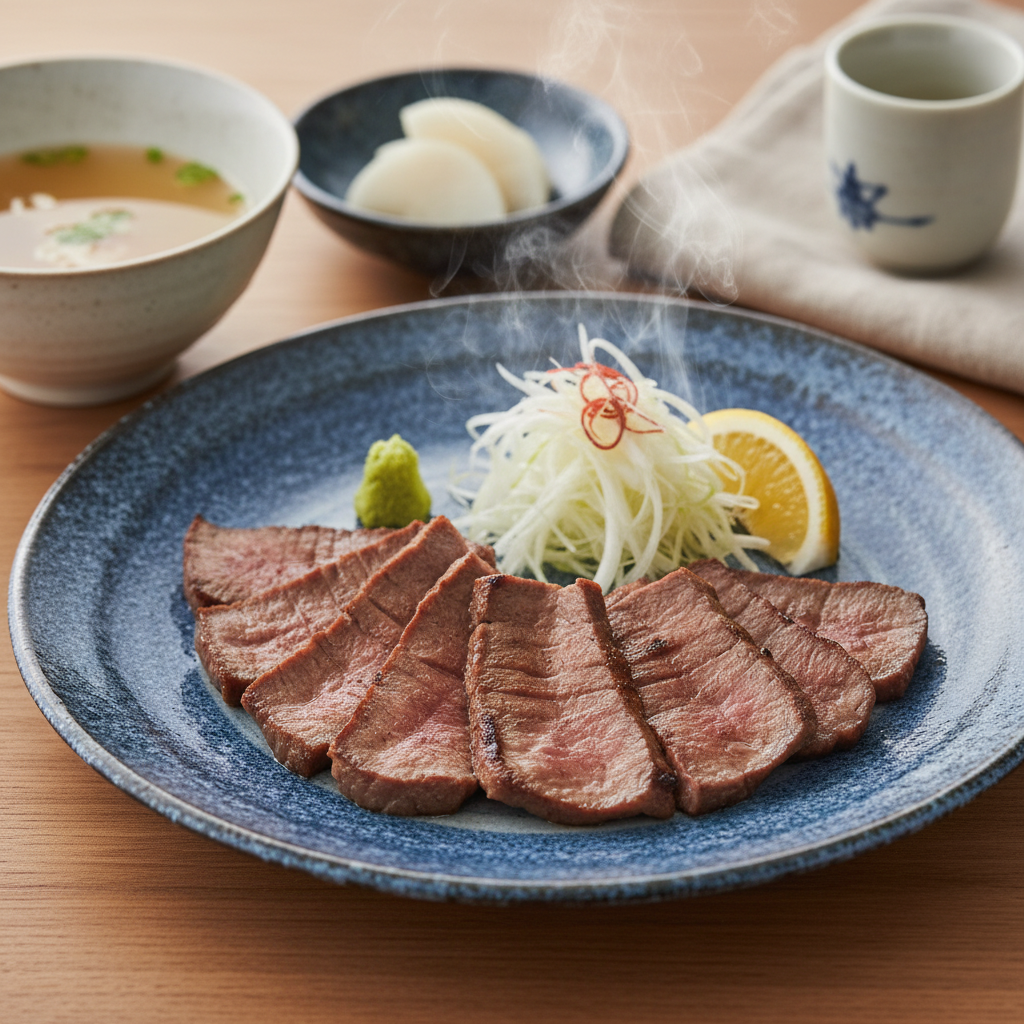
The initial challenge was the distinctive toughness of beef tongue. Chef Sano devised a cooking method of slicing beef tongue thickly, seasoning it with salt, and slowly grilling it over charcoal. This method created a unique texture with a fragrant exterior and tender, juicy interior. Furthermore, by establishing the “beef tongue set meal” style combining barley rice and tail soup, this became the prototype for the current Sendai beef tongue grilling style.
How It Spread Nationwide as a Sendai Specialty
From its birth in 1948, beef tongue grilling was gradually accepted by Sendai residents. Particularly, “Aji no Gyutan Kisuke,” founded in 1975 (Showa 50), actively promoted beef tongue grilling born in Sendai as a “Sendai specialty,” achieving nationwide recognition.
From the 1980s onward, when the beef tongue specialty shop street “Beef Tongue Street” opened inside Sendai Station, beef tongue grilling became synonymous with Sendai for tourists arriving by bullet train. Today, it has been recognized as a “100-Year Food” by the Cultural Affairs Agency, establishing a firm position as a local food culture representative of Miyagi Prefecture.
Characteristics and Cooking Methods of Authentic Sendai Beef Tongue Grilling
Commitment to Thick Slicing and Aging
The greatest characteristic of Sendai beef tongue grilling is the use of thick-sliced beef tongue. Unlike the thin-sliced beef tongue at typical yakiniku restaurants, Sendai style cuts the meat to approximately 8mm-12mm thickness. This thick slicing allows enjoyment of two textures simultaneously: the fragrant surface and the juicy interior.
Many specialty shops employ a method where skilled craftspeople carefully hand-prepare beef tongue and age it for three days and three nights. During this aging period, the umami of the beef tongue becomes concentrated, and the meat becomes more tender. At long-established shops that maintain traditional methods, this aging process is given the most emphasis, becoming the secret that creates each restaurant’s unique flavor.
Charcoal Grilling Technique and Seasoning Philosophy
Another important element of Sendai beef tongue grilling is charcoal grilling. Rather than gas or electric grills, slowly grilling over charcoal such as binchotan achieves the distinctive fragrance and uniform heat from far-infrared radiation.
The seasoning is characteristically simple—salt only. Under the philosophy of “selectively providing only the delicious parts in simple fashion,” the umami of the ingredient is maximized. Some restaurants offer variations such as miso flavor or lemon, but traditional “salt flavor” is considered the standard.
The craftsperson’s technique is tested in the grilling. Grilling thick-sliced beef tongue to be crispy on the outside and tender and juicy on the inside requires exquisite control of heat and timing. Veteran craftspeople determine the optimal moment by observing the color, sound, and aroma of the beef tongue.
Components of the Beef Tongue Set Meal
Sendai beef tongue grilling is typically served not as a single item but as a “beef tongue set meal.” This set meal style was also devised by Chef Keishiro Sano and consists of the following elements:
Beef Tongue Grilling: The main dish of thick-sliced beef tongue charcoal grilled. Usually 4-6 slices are served.
Barley Rice: The characteristic of Sendai style is using barley rice rather than white rice. The chewy texture and fragrance of barley match exquisitely with the sweet fat of beef tongue.
Tail Soup: A soup made by simmering beef tail (oxtail) for a long time. Rich in collagen with a deeply flavorful taste, it complements the rich umami of beef tongue.
Pickles: Pickled vegetables such as pickled napa cabbage or pickled Nozawana are served as a palate cleanser.
This combination creates nutritional balance and flavor harmony, resulting in a highly satisfying meal.
Recommended Established Beef Tongue Specialty Shops in Sendai City
Aji no Gyutan Kisuke Ekimae Chuo Main Store
“Aji no Gyutan Kisuke,” founded in 1975, was instrumental in developing beef tongue grilling into a nationally recognized specialty. At the Ekimae Chuo main store, thick-cut beef tongue grilled over charcoal by skilled craftspeople is served in generous portions, allowing you to enjoy the classic flavor along with barley rice and tail soup.
Kisuke’s characteristic is that it carefully selects beef tongue and ages it using its own method to maximize the meat’s umami. The set meal menu allows you to choose the number and cut of beef tongue, accommodating a wide range of customers from first-timers to regulars. Its convenient location within walking distance of Sendai Station is also a reason for its popularity with tourists.
Gyutan Sumiyaki Rikyu West Exit Main Store
“Gyutan Sumiyaki Rikyu,” located at the west exit of Sendai Station, is known as a pioneer of thick-sliced beef tongue. Rikyu’s beef tongue is carefully selected for its thickness and tenderness, then slowly grilled over charcoal, causing juicy meat juice to flood your mouth.
In addition to the standard salt flavor set meal, the menu includes rich variations such as miso and scallion salt. The tail soup, though rich, has a clean aftertaste that nicely cleanses the fat of the beef tongue. Located just a five-minute walk from Sendai Station, it’s not uncommon for queues to form during lunch time.
Gyutan Sendai Beef Iseya Gyutan Street Shop
Located in “Gyutan Street” inside Sendai Station, Iseya is a specialty shop serving beef tongue using Sendai beef. Beef tongue from Sendai beef, Miyagi Prefecture’s renowned brand cattle, is even more tender than regular beef tongue, with accentuated sweet fat.
Iseya’s beef tongue set meal is popular, with menus allowing you to add Sendai beef steak to thick-sliced beef tongue. Its convenience—you can stop by immediately before or after taking the bullet train—makes it beloved by not only tourists but business travelers as well.
Recommended Established Beef Tongue Specialty Shops in Sendai City
Tasuke (たすけ) Main Store
“Tasuke,” known as the birthplace of beef tongue grilling, is an old-established restaurant carrying on the legacy of founder Chef Keishiro Sano. Located in Ichiban-cho, the main store maintains strong Showa-era atmosphere and continues the original cooking methods from its founding.
Tasuke’s beef tongue is characterized by its boldness in competing with salt seasoning alone. With no unnecessary flavoring, it lets only the umami of aged beef tongue and the fragrance of charcoal fire speak for themselves. The beef tongue set meal A offers quality beyond its price, with large, satisfying beef tongue. Both the barley rice and tail soup are truly delicious. Being an established shop, the restaurant atmosphere is impressive, with meticulous attention to detail and the proprietor’s character evident. If you eat beef tongue in Sendai, this is definitely a must-visit restaurant.
Fukusuke
A hidden gem among local residents, “Fukusuke” is frequented more by devoted patrons seeking truly delicious beef tongue than by tourists. Though located slightly away from central Sendai in a residential area, customers travel from far away seeking its flavor.
Fukusuke’s beef tongue is characterized by its long aging period and very tender meat quality. Beef tongue slowly grilled over charcoal has a crispy exterior and silky interior texture, with even the fat displaying exquisite sweetness. The tail soup is also rich, a gem full of collagen.
Kaku (かく) Brandome Main Store
“Gyutan Cooking Kaku Brandome Main Store” is a specialty restaurant with abundant variations in beef tongue cuisine. In addition to the standard beef tongue grilling set meal, it offers beef tongue stew, beef tongue sashimi, beef tongue curry, and various other beef tongue dishes.
Kaku’s characteristic is its commitment to Miyagi Prefecture ingredients, offering an array of attractive Miyagi specialty dishes beyond beef tongue. Perfect for enjoying with alcohol during dinner, the thick-sliced beef tongue charcoal grilling concentrates the meat’s umami into an intensely flavorful taste. It’s a highly formal establishment used by Sendai residents for business entertaining and special occasions.
Recommended Famous Beef Tongue Specialty Shops in Sendai City
Gyutan Sumiyaki Rikyu Gyutan Street Shop
The Gyutan Street branch of Rikyu, located inside Sendai Station, is the most popular among bullet train users. Able to enjoy beef tongue of the same quality as the main store in the convenient station location, it’s ideal for time-limited travelers.
The lunch menu features varied options such as “Gyutan Extreme Set Meal” and “Gyutan Mugi Toro Set Meal.” Additionally, vacuum-packed beef tongue for souvenirs is sold, allowing you to recreate Sendai’s flavor at home, earning high praise.
Date no Gyutan Honpo Sendai Station 3rd Floor Shop
“Date no Gyutan Honpo,” located on the 3rd floor of Sendai Station, is a relatively new establishment gaining popularity for its high quality. True to its name referencing Date Masamune, the shop’s interior decoration evokes Miyagi’s history and culture.
The beef tongue set meal comes with a volume-packed six slices of thick beef tongue. The tail soup displays a clear amber color with an elegant taste. Leveraging its directly station-connected location, it operates from breakfast through evening, allowing use at various times.
Gyutan Cooking Kaku Espal Shop
The Kaku branch located in “Espal,” a shopping building directly connected to Sendai Station, offers the appeal of stopping by while shopping. While maintaining the same quality as the main store, it provides a casual atmosphere to enjoy beef tongue without formality.
The lunch menu is relatively reasonably priced, with not just set meals but also beef tongue rice bowls and beef tongue curry. It’s highly popular with female customers and families, relatively easy to enter without reservations.
Recommended Famous Beef Tongue Specialty Shops in Sendai City
Suisui (翠翠)
A little-known beef tongue gem, “Suisui” is known for appearing in the special episode of the popular drama “Solitary Gourmet.” Located in Kokubun-cho’s evening entertainment district, this restaurant allows you to enjoy beef tongue in a calm atmosphere.
The signature “Beef Tongue Set” embodies the secret: “The deliciousness lies in carefully selecting and providing only the finest parts in simplicity.” Beef tongue with excess fat removed, using only the most delicious parts, offers a taste you won’t forget once experienced. It’s a hidden gem that local residents recommend as “truly delicious beef tongue.”
Gyutan Sumiyaki Higashiyama (ひがしやま)
“Charcoal Grilled Beef Tongue Higashiyama” is a specialty shop committed to traditional methods. Skilled craftspeople carefully hand-prepare beef tongue and age it for three days and three nights before slow-grilling over charcoal, serving authentic “Sendai beef tongue” that remains tender and juicy despite thick slicing.
Higashiyama’s characteristic is offering a “comparison set” allowing you to enjoy different textures by part—tan-moto (base), tan-naka (middle), and tan-saki (tip). Experiencing all three parts at once allows you to understand beef tongue’s depth. Additionally, the tail soup, carefully drawn from beef bones, offers a deeply flavorful taste with many devoted fans.
Tsukasa (司)
“Tsukasa,” located in Sendai’s Aoba Ward, is a popular local establishment where residents regularly dine. Without the flashiness aimed at tourists, it instead offers authentic beef tongue at reasonable prices.
Tsukasa’s beef tongue set meal—consisting of five thick-sliced beef tongue pieces, generous barley rice, tail soup, and pickles—is praised for exceptional cost-performance. The charcoal grilling technique is reliable, achieving the ideal finish of crispy exterior and juicy interior. This little-known gem gained popularity through word-of-mouth from local residents.
Miyagi Prefecture’s Beef Tongue Culture and Dedication to Ingredients
Combinations with Miyagi Prefecture-Produced Ingredients
Miyagi Prefecture is known as a “food treasure trove,” blessed with abundant ingredients beyond beef tongue. Many beef tongue specialty shops actively use Miyagi-produced ingredients, comprehensively providing regional food culture.
Barley used in barley rice is often Miyagi-produced in most restaurants, with its fragrance and texture enhancing compatibility with beef tongue. Pickles typically include Miyagi’s traditional pickled napa cabbage or miso-pickled vegetables using Sendai miso, allowing you to fully experience regional flavors.
Vegetables used in tail soup often favor Miyagi-produced green onions and radish. Particularly, Sendai’s traditional “Sendai curved leek” with strong sweetness further elevates tail soup’s flavor.
Beef Tongue as Souvenir
Sendai beef tongue is also extremely popular as a souvenir. Many specialty shops sell vacuum-packed or frozen beef tongue, allowing you to recreate the authentic flavor at home.
Vacuum-packed beef tongue is aged beef tongue vacuum-sealed for easy transport at room temperature or refrigerated. Simply grill at home in a frying pan or on a net to enjoy authentic flavor, making it a standard Sendai souvenir.
Additionally, processed products like beef tongue sausage and beef tongue jerky are plentiful. These keep well and work perfectly as drinking snacks, earning appreciation from a wide age range. Multiple beef tongue specialty souvenir shops exist within Sendai Station and the airport, allowing comparative shopping among various brands.
Beef Tongue Parts and Characteristics
Beef tongue is a rare part, yielding only approximately 1.5kg per head of cattle. Generally divided into three parts—”tan-moto” (base), “tan-naka” (middle), and “tan-saki” (tip)—each possesses different characteristics.
Tan-moto (Base): The root portion of beef tongue with maximum thickness and abundant fat, very tender. High-end restaurants primarily use this part, achieving melt-in-mouth texture. Most expensive and rare.
Tan-naka (Middle): The central portion with appropriate thickness and excellent fat balance. Most beef tongue set meals use this part, offering ideal balance between tenderness and chew.
Tan-saki (Tip): The pointed end with less fat and muscular quality. Characterized by chew with emerging umami when masticated. Sometimes used in stews or braised dishes.
Sendai beef tongue specialty shops primarily provide thick-sliced tan-moto and tan-naka, separately using tan-saki for other dishes or processing finely for hamburger additions.
How to Enjoy Beef Tongue Grilling at Home
Selecting and Storing Beef Tongue
When enjoying beef tongue grilling at home, selecting high-quality beef tongue is paramount. Purchasing from Sendai specialty shops via mail order or bringing home vacuum-packed beef tongue as a souvenir is recommended.
Before opening, vacuum-packed beef tongue can be refrigerated several days. After opening, same-day cooking is ideal, but freezing is possible if unused. When freezing, individually wrap each slice in plastic wrap, then place in zippered storage bags, removing air.
When thawing frozen beef tongue, slow thawing in the refrigerator is best. If hurrying, water thawing is possible, but microwave thawing should be avoided as it alters meat quality.
Tips for Home Grilling
When grilling beef tongue at home, while charcoal is ideal, it cooks deliciously in frying pans or grills. Following these points allows recreating specialty shop-quality flavor:
When pan-frying: Thoroughly preheat the pan and place beef tongue without oil. Grill one side 2-3 minutes over medium-high heat; once browned, flip. Grill the reverse side similarly until cooked through. For thick-sliced beef tongue, covering and braising produces tender interior.
When grilling: Preheat fish grill and arrange beef tongue, grilling over medium heat. Double-sided grills take 5-7 minutes; single-sided grills require 3-4 minutes per side. Grills’ far-infrared radiation effect produces results approaching charcoal.
Seasoning tips: Vacuum-packed beef tongue typically comes pre-seasoned, though additional salt and pepper enhance flavor. Squeezing lemon or adding scallion salt sauce offers popular variations.
Recreating Full Beef Tongue Set Meals at Home
To fully recreate authentic beef tongue set meals, also prepare barley rice and tail soup.
Barley rice cooking: Mix 2-3 portions pearl barley into white rice, cooking normally. Don’t rinse barley; mix directly with rice before cooking. Barley’s chewy texture enhances beef tongue compatibility.
Tail soup alternatives: Since authentic tail soup requires extensive time, using commercial tail soup base or retort-packaged tail soup sold by Sendai specialty shops is convenient. Alternatively, beef bone or beef tendon soup can substitute.
Plating: Serve freshly cooked barley rice in a bowl, arrange hot beef tongue on a plate, and pour tail soup into a bowl. Add pickles to a small plate for complete authentic beef tongue set meal.
Beef Tongue Grilling and Miyagi Prefecture’s Food Culture
Other Miyagi Specialty Dishes
Beyond beef tongue grilling, Miyagi Prefecture maintains rich local cuisine traditions. Combining these dishes with beef tongue deepens understanding of Miyagi’s food culture.
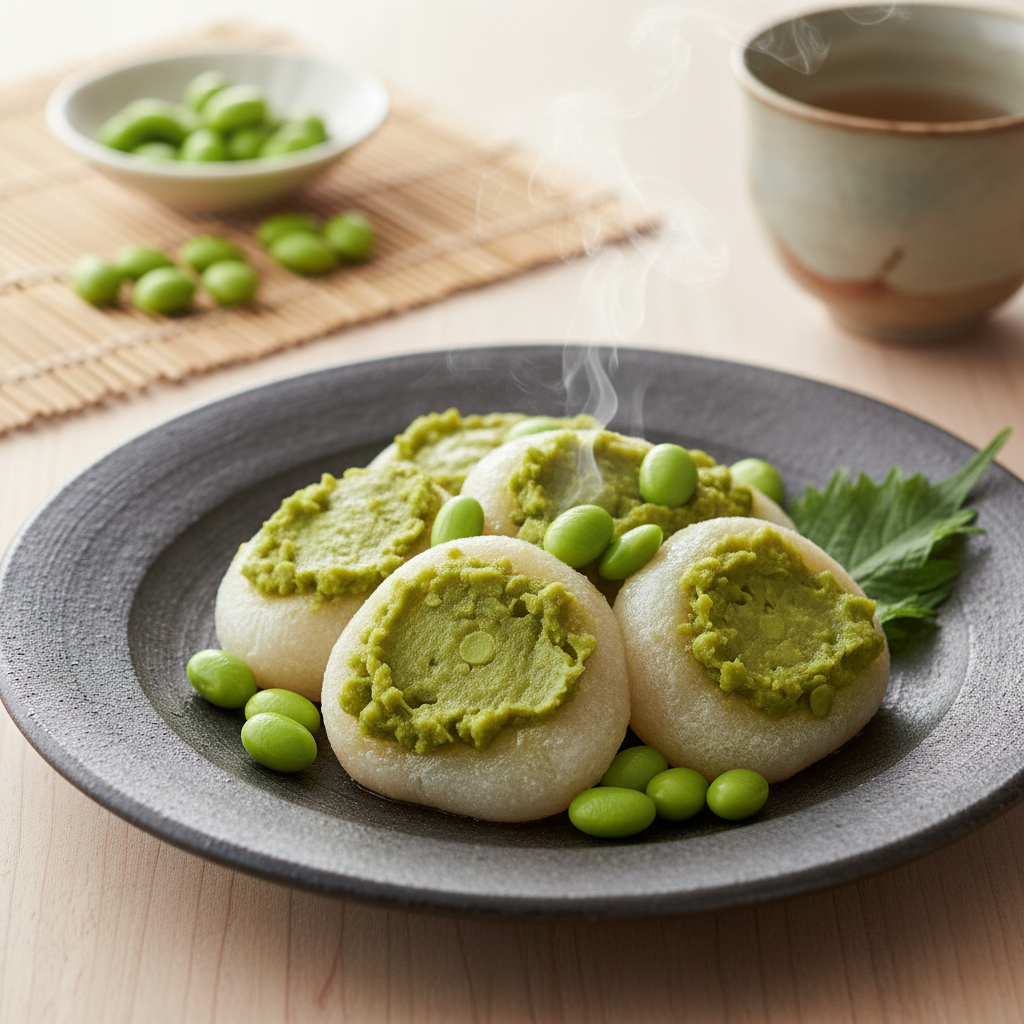
Zunda Mochi: Sendai’s representative Japanese confection of mochi coated with “zunda,” crushed edamame paste. Ideal dessert following beef tongue dinner.
Sasacamaboko: A Miyagi specialty of whitefish surimi molded into a sasafication and grilled. Enjoy as an appetizer alongside beef tongue.
Harako Gohan: Rice cooked with salmon roe and flesh, a fall Miyagi specialty. Experience oceanic delicacy differing from beef tongue.
Sendai Miso: Continued since Date Masamune’s era, Sendai miso is a red miso variant with sharp taste yet strong umami. Used in beef tongue miso flavor or as hidden seasoning in tail soup.
Succession and Development of Beef Tongue Culture
Though boasting only slightly over 70 years of history, Sendai beef tongue grilling has established itself as a Miyagi-representative local cuisine. The “Sendai Beef Tongue Promotion Association” now works on culture preservation and development.
The association establishes beef tongue quality standards, inherits craftspeople’s techniques, and promotes international information distribution. Additionally, annual “Sendai Beef Tongue Festival” conveys beef tongue culture’s appeal to citizens and tourists.
Recently, developing new beef tongue dishes continues. Beef tongue curry, beef tongue ramen, beef tongue pizza—innovative menus continuously emerge while tradition persists, with beef tongue culture penetrating younger generations.
Tourism and Beef Tongue
Beef tongue has become indispensable to Miyagi Prefecture tourism. Many tourists visiting Sendai include beef tongue as a purpose, with “beef tongue tourism” involving specialty shop comparisons gaining popularity.
Dozens of beef tongue specialty shops cluster within Sendai Station’s walking radius, allowing single-day multi-shop tastings. Many also offer shop tours and beef tongue grilling experiences, providing tourists opportunities to experientially learn beef tongue culture.
Miyagi Tourism Association and Sendai Tourism Division actively promote beef tongue as tourism resources, with official site “Miyagi Marugoto Exploration” and “Sendai Tabi Biyori” featuring dedicated beef tongue special pages with information distribution.
Conclusion: The Appeal of Miyagi Prefecture’s Beef Tongue Grilling
“Beef tongue grilling,” a local specialty born in Sendai, Miyagi Prefecture, emerged during post-war reconstruction from one chef’s creative ingenuity, becoming a representative Japanese gourmet nationwide. The beef tongue set meal—thick-sliced beef tongue charcoal grilled fragrant brown, enjoyed with barley rice and tail soup—offers deceptively profound flavor despite its simplicity.
Sendai’s streets host countless beef tongue specialty shops, from long-established restaurants exceeding 70 years of operation to innovative new establishments. Each maintains unique aging methods, grilling techniques, and seasonings, providing individually characteristic beef tongue.
Beef tongue grilling transcends mere cuisine—it embodies Miyagi Prefecture’s history, culture, and reconstruction aspirations. When visiting Sendai, be sure to experience authentic beef tongue grilling, touching its history and culture. Additionally, bringing it home as a souvenir and enjoying Miyagi’s flavors at your table is recommended. Through beef tongue grilling, we hope you experience Miyagi Prefecture’s rich food culture.