What is Uzume-meshi? A Thorough Explanation of the History, Preparation Method, and Appeal of Shimane Prefecture’s Local Cuisine
Shimane Prefecture is home to numerous local dishes, but among them, “uzume-meshi” is a fascinating cuisine with unique cooking methods and cultural background. In this article, we will comprehensively explain the charm of this traditional dish, from its history to preparation methods and regional variations.
What is Uzume-meshi?
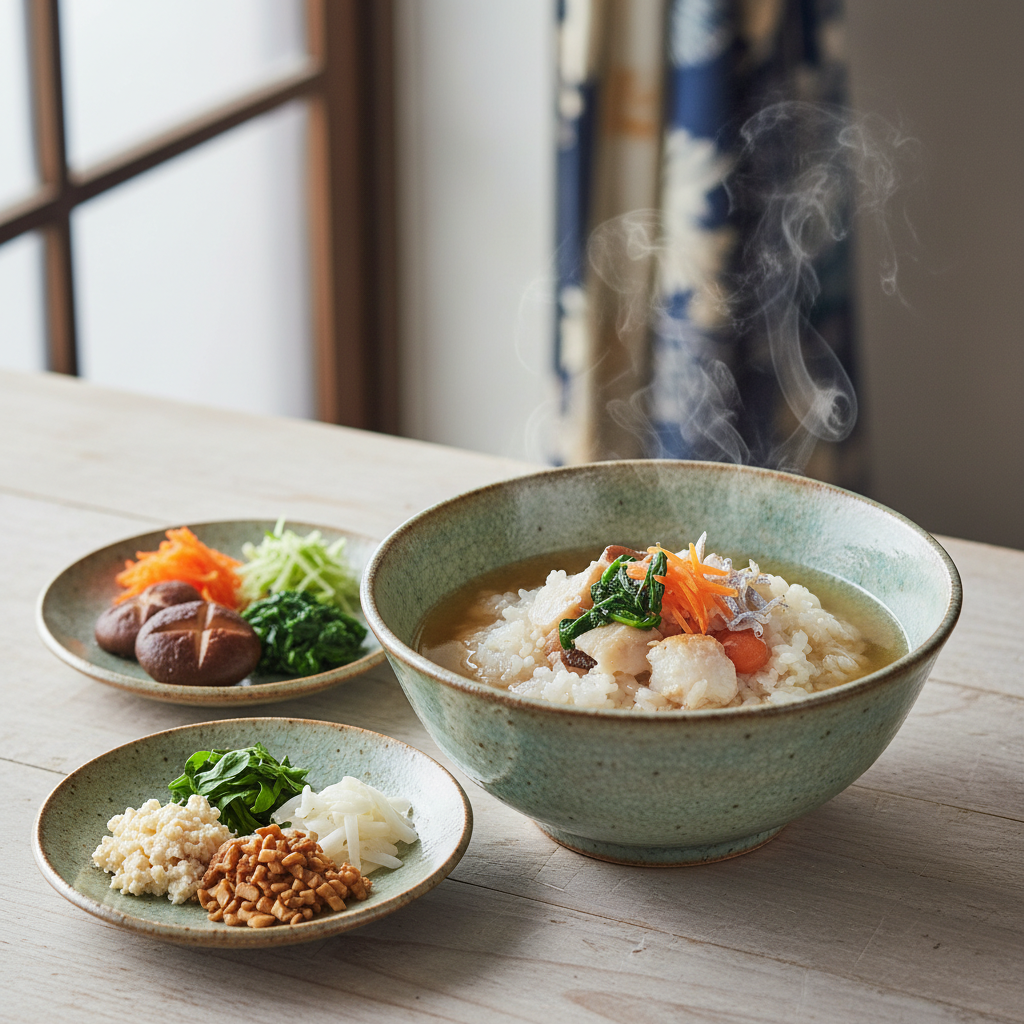
Uzume-meshi is one of Shimane Prefecture’s representative local dishes, and it gets its name from the act of “burying (uzumeru)” various ingredients beneath the rice. At first glance, it appears to be only plain white rice served, but hidden underneath is a wealth of ingredients—a dish that is enjoyable to look at as well.
Basic Characteristics of Uzume-meshi
The greatest characteristic of uzume-meshi lies in its unique plating method of hiding ingredients beneath the rice. This cooking technique has historical roots and carries cultural significance beyond mere cooking methodology.
The main characteristics include:
- Ingredients hidden from view: Ingredients are completely covered with rice
- Eaten with broth poured over: Often enjoyed like tea over rice
- Use of seasonal ingredients: Ingredients vary depending on the region and season
- Simple appearance with rich contents: Modest looking but nutritionally abundant
History and Origins of Uzume-meshi
Connection to the Edo Period Frugality Edicts
While there are various theories about the origins of uzume-meshi, the most credible explanation relates to the frugality edicts of the Edo period. At that time, due to financial difficulties in the clan’s finances, frugality edicts were issued and extravagant meals were prohibited. However, people needed nutritious food, so it is said they hid ingredients beneath the rice to appear frugal on the surface while actually enjoying nutritious meals underneath. This allowed them to fool the authorities’ eyes while protecting their families’ health. This historical background is a fascinating episode symbolizing the Japanese spirit of ingenuity and resourcefulness.
Regional Differences in Naming
Even within Shimane Prefecture, there are slight differences in how this dish is called and prepared depending on the region. Names such as “uzumi-meshi” or “uzume-meshi” may differ in writing or pronunciation, but the basic cooking method and spirit remain consistent.
How to Make Uzume-meshi
Basic Ingredients
To make uzume-meshi, you need the following ingredients:
Main ingredients:
- Tofu (firm or silken)
- Shiitake mushrooms
- Carrots
- Burdock root
- Chicken or fish
- Deep-fried tofu
- Japanese parsley or dropwort (aromatic vegetables)
Seasonings:
- Broth (kelp and bonito flakes)
- Soy sauce
- Mirin
- Salt
- Sake
Other items:
- Freshly cooked rice
- Wasabi (optional)
Detailed Cooking Steps
1. Preparing the Ingredients
First, cut all ingredients into bite-sized pieces. Cut tofu into approximately 1cm cubes, slice the shiitake mushrooms thinly, and julienne the carrots and burdock root. If using chicken, cut it into small bite-sized pieces.
2. Simmering the Ingredients
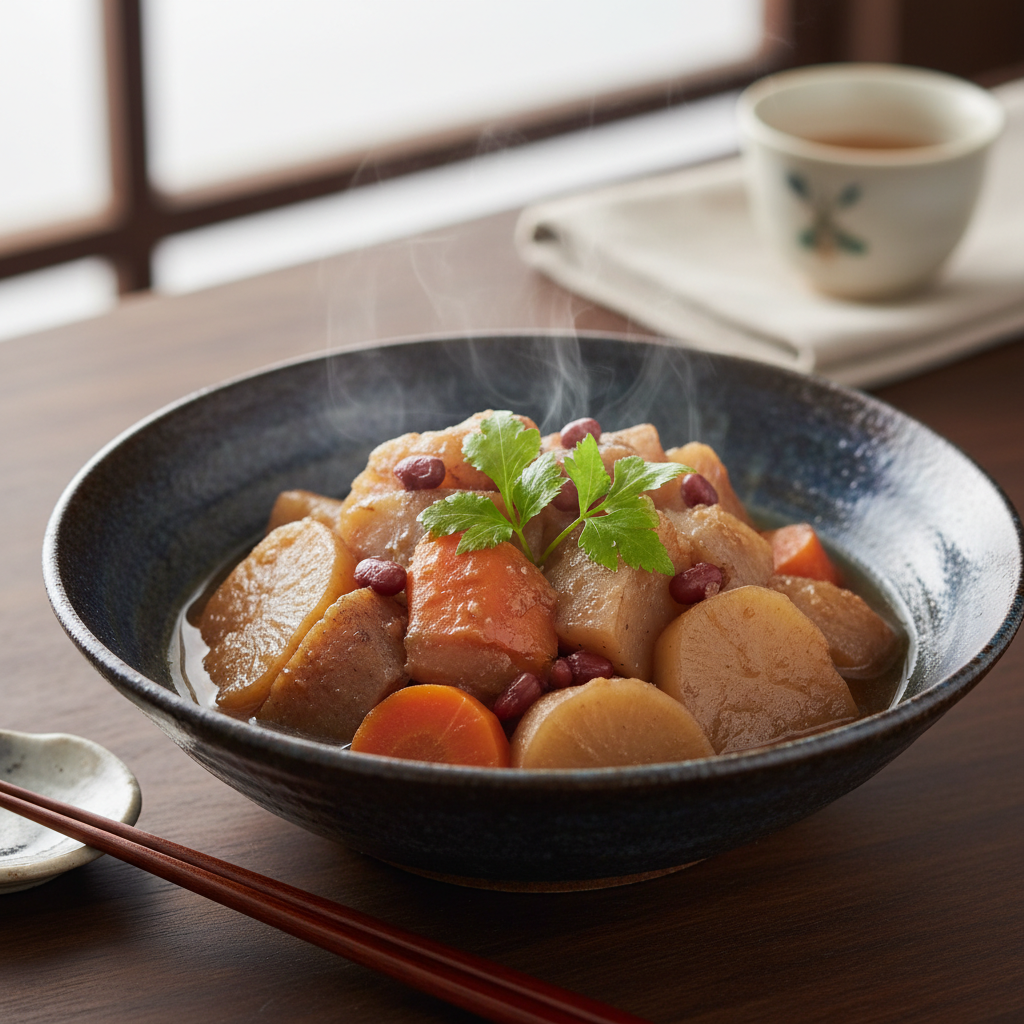
Heat the broth in a pot and bring to a boil. Add harder vegetables (burdock root and carrots) in order. Once the vegetables are cooked, add the chicken, shiitake mushrooms, and deep-fried tofu, and season with soy sauce, mirin, and salt. Finally, add the tofu and simmer gently.
Tofu crumbles easily, so avoid simmering for too long—this is key.
3. Plating
This is the most important step in making uzume-meshi.
- First, place the simmered ingredients in a bowl or dish
- Mound warm rice on top, completely covering the ingredients
- Smooth the surface of the rice
- Garnish the top with aromatic vegetables such as Japanese parsley or dropwort
- Prepare warm broth in a separate container
4. How to Eat
When serving, the dish appears to have only white rice. As diners eat, they pour broth or dip the rice in broth. As they break apart the rice with their chopsticks, various ingredients appear from below—a delightful surprise and pleasure.
Adding wasabi enhances the flavor and creates a more sophisticated taste.
Regional Variations of Uzume-meshi
Uzume-meshi from the Tsuwano Area
In Tsuwano Town, Shimane Prefecture, particularly traditional uzume-meshi is preserved. Tsuwano’s uzume-meshi is characterized by the use of many local mountain vegetables. The addition of wild vegetables such as bracken and ostrich fern creates a dish with greater seasonal flavor.
Variations from the Izumo Area
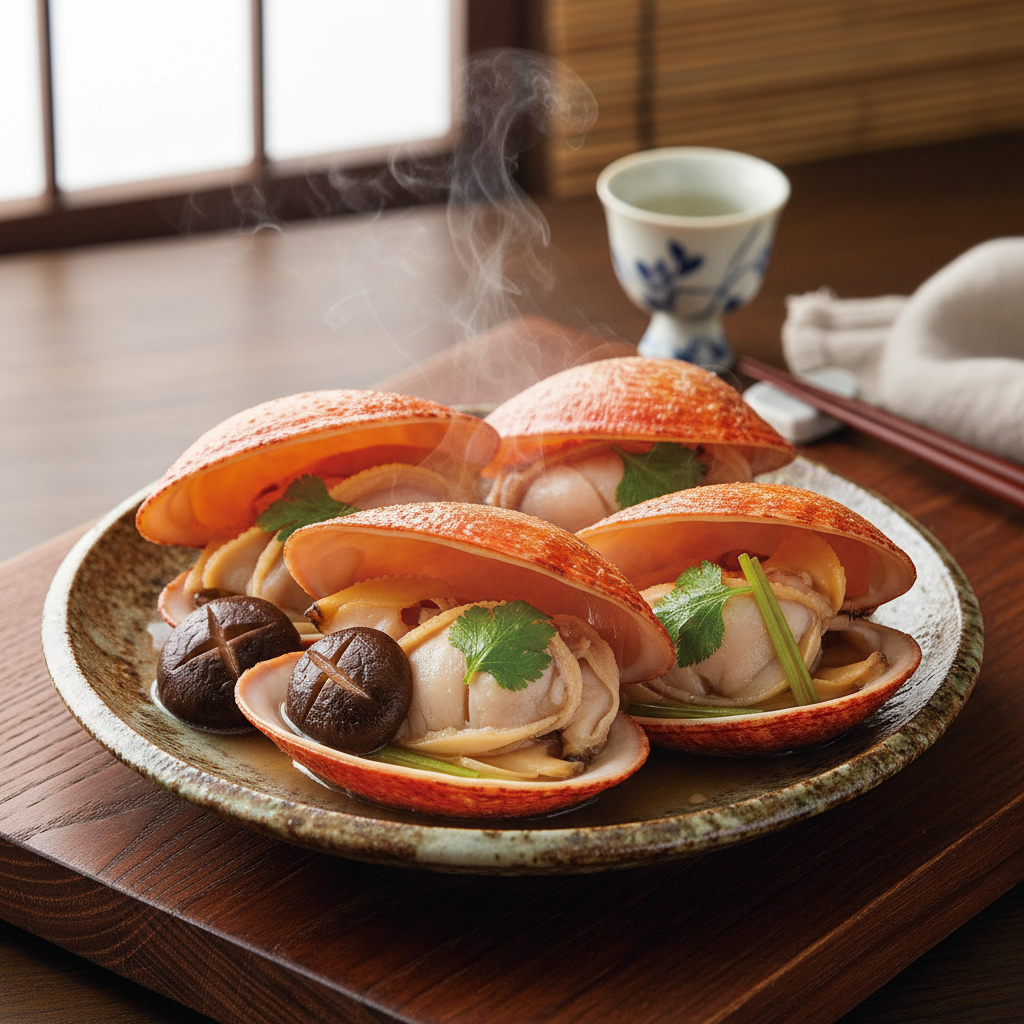
In the Izumo region, uzume-meshi made with seafood is also prepared. Using clams from Lake Shinji or fresh fish from the Japan Sea as ingredients creates a uzume-meshi that celebrates the sea’s bounty.
Variations by Household
Each household also has its own recipes passed down through generations. Subtle differences in the types and quantities of ingredients used, how the broth is made, and the proportions of seasonings create each family’s unique “family taste.”
Nutritional Value and Health Benefits of Uzume-meshi
Well-balanced Nutrition
Although uzume-meshi appears to be a simple dish at first glance, it is actually a dish with excellent nutritional balance.
Main nutrients:
- Protein: High-quality protein from tofu, chicken, and deep-fried tofu
- Dietary fiber: Abundant dietary fiber from burdock root, shiitake mushrooms, and vegetables
- Vitamins: Vitamins A, C, and K from carrots, Japanese parsley, and other vegetables
- Minerals: Iron, calcium, and potassium from broth and ingredients
- Carbohydrates: Appropriate energy source from rice
Health Benefits
Eating uzume-meshi regularly can provide the following health benefits:
- Gentle on digestion: Eating with broth poured over it is less burdensome on the stomach and intestines
- Low-calorie: Relatively low in calories as it does not use much oil
- Improved intestinal environment: Rich in dietary fiber, it helps regulate intestinal flora
- Enhanced immunity: β-glucan in mushrooms such as shiitake supports immune function
Places to Enjoy Uzume-meshi
Restaurants in Shimane Prefecture
When visiting Shimane Prefecture, there are restaurants where you can taste authentic uzume-meshi. Particularly in Tsuwano Town, there are multiple restaurants serving traditional uzume-meshi.
Many tourist-oriented local cuisine restaurants offer sets of Shimane local dishes including uzume-meshi, allowing visitors to enjoy multiple regional dishes at once.
Community Events
Local food culture festivals and events introducing local cuisine are regularly held throughout Shimane Prefecture. At these events, you can taste authentic uzume-meshi prepared by local people and have opportunities to learn the preparation method.
Roadside Stations and Gift Shops
At roadside stations and gift shops throughout Shimane Prefecture, you can find retort-pouch uzume-meshi products and recipe cards with preparation instructions. Purchasing these allows you to recreate the authentic flavor at home.
Modern Arrangements of Uzume-meshi
Western-style Arrangements
Modern arrangements based on traditional uzume-meshi are also enjoyed. For example, using bacon instead of chicken or pouring consommé soup instead of broth for a Western-style variation is popular.
Healthy Version
In response to growing health consciousness, healthier versions have also been created. Arrangements include using brown rice or mixed grain rice instead of white rice, or increasing vegetables while reducing meat.
Simplified Version for Single Living
A simpler version for busy modern people and those living alone is also available. Using ready-made side dishes and frozen vegetables can significantly reduce cooking time.
Side Dishes and Menu Examples That Go Well with Uzume-meshi
Compatible Side Dishes
While uzume-meshi serves as both staple and main dish, adding the following side dishes creates a more complete meal:
- Pickles: Lightly pickled Chinese cabbage or pickled radish
- Simmered dishes: Simmered pumpkin or taro with butter
- Mixed dishes: Spinach with sesame dressing or Japanese mustard greens with sesame
- Grilled fish: Salt-grilled saury or horse mackerel
Menu Examples by Season
Spring menu:
- Uzume-meshi (with mountain vegetables)
- Bamboo shoot simmered with bonito
- Rapini with sesame dressing
- New wakame seaweed miso soup
Summer menu:
- Uzume-meshi (chilled with dipping broth)
- Eggplant in dashi broth
- Cucumber and wakame with vinegar dressing
- Chilled tofu
Autumn menu:
- Uzume-meshi (with plenty of mushrooms)
- Sweet potato tempura
- Persimmon and radish salad
- Chestnut rice (served separately)
Winter menu:
- Uzume-meshi (with plenty of root vegetables)
- Yellowtail and radish stew
- Simmered Chinese cabbage
- Sake lees soup
Tips and Pointers for Making Uzume-meshi
Secrets to Making It Delicious
- Broth is everything: Making a proper broth from kelp and bonito flakes is the foundation of delicious uzume-meshi. Even if time is limited, use quality dashi broth packets rather than instant bouillon.
- Uniform ingredient sizes: Cutting ingredients to uniform sizes ensures even cooking and better texture when eating.
- Handling tofu carefully: Tofu crumbles easily, so add it last and handle gently. Using firm tofu makes it less likely to crumble.
- Rice temperature: Using freshly cooked hot rice results in better flavor with less temperature difference between rice and ingredients.
- Plating techniques: Completely hiding the ingredients brings out the essence of uzume-meshi. Making the rice surface smooth and flat is key.
Common Mistakes and How to Address Them
Mistake 1: Tofu crumbles
Solution: Add tofu later in cooking and avoid boiling over high heat. Using firm tofu also helps prevent crumbling.
Mistake 2: Bland flavor
Solution: Make strong broth and adjust seasoning amounts. You can also add a small amount of soy sauce just before eating.
Mistake 3: Ingredients settle unevenly
Solution: When plating, distribute ingredients evenly before adding the rice.
Cultural Significance of Uzume-meshi
The Japanese Spirit of “Hospitality”
Uzume-meshi embodies the uniquely Japanese spirit of “hospitality.” The approach of appearing modest while actually offering heartfelt, abundant food represents Japanese virtues of compassion and consideration.
Preservation of Food Culture
In modern times, making and eating traditional local dishes such as uzume-meshi is an important act of passing regional food culture to the next generation. Through cooking, we can learn about regional history and the wisdom of our predecessors.
Symbol of Regional Identity
Uzume-meshi is one of the dishes symbolizing regional identity for Shimane Prefecture residents. It is treasured by those who have left their hometowns as a way to remember home, and by local residents as a source of regional pride.
Comparison Between Uzume-meshi and Other Local Dishes
Other Shimane Prefecture Local Dishes
Shimane Prefecture has many local dishes besides uzume-meshi:
- Izumo soba: Waraji soba and kama-age soba are famous
- Clam soup: Miso soup made with clams from Lake Shinji
- Tai-meshi: Seasoned rice cooked with sea bream from the Seto Inland Sea
- Ago no yaki: Grilled practice product made from flying fish paste
Compared to these dishes, uzume-meshi is distinctive in its unique cultural element of “hiding” ingredients.
Similar Dishes Nationwide
Similar dishes with concepts comparable to uzume-meshi exist throughout Japan:
- Hiroshima’s uzumi: Similar in burying ingredients beneath rice
- Kyoto’s tea over rice: Similar in having broth poured over
- Nara’s tea rice porridge: Related in having rice cooked in tea
However, the cultural background of uzume-meshi—”appearing modest”—is unique to Shimane Prefecture.
Food Education Through Uzume-meshi
Passing Knowledge to Children
Uzume-meshi serves as an excellent teaching tool for children to learn the value of food. The playful element of hiding ingredients captures children’s interest and heightens their interest in cooking.
Incorporating uzume-meshi into school lunches and food education events provides opportunities to learn about regional history and culture.
Family Cooking Experience
Making uzume-meshi is a cooking experience the whole family can enjoy together. By dividing tasks—cutting ingredients, simmering, and plating—it promotes family communication.
The plating step in particular is an enjoyable activity where children can actively participate.
Conclusion
Uzume-meshi is a traditional local dish that Shimane Prefecture is proud of, carrying cultural and historical significance beyond mere food. Its unique cooking method of “hiding ingredients,” which originates from the Edo period’s frugality edicts, conveys the Japanese spirit of wisdom and ingenuity to the present day.
This dish, with its excellent nutritional balance and ability to showcase seasonal ingredients, is well worth incorporating into modern eating habits. By preserving traditional preparation methods while adding modern arrangements, more people can enjoy this cuisine.
When visiting Shimane Prefecture, be sure to taste authentic uzume-meshi. Additionally, making it at home allows for deeper understanding of this traditional dish’s charm. It will be a wonderful experience to touch Japan’s rich food culture and regional history through uzume-meshi.
Cherishing local cuisine and passing it on to future generations helps preserve our cultural identity. I hope you will come to appreciate the depth of Japan’s food culture and the history of communities through this single dish called uzume-meshi.