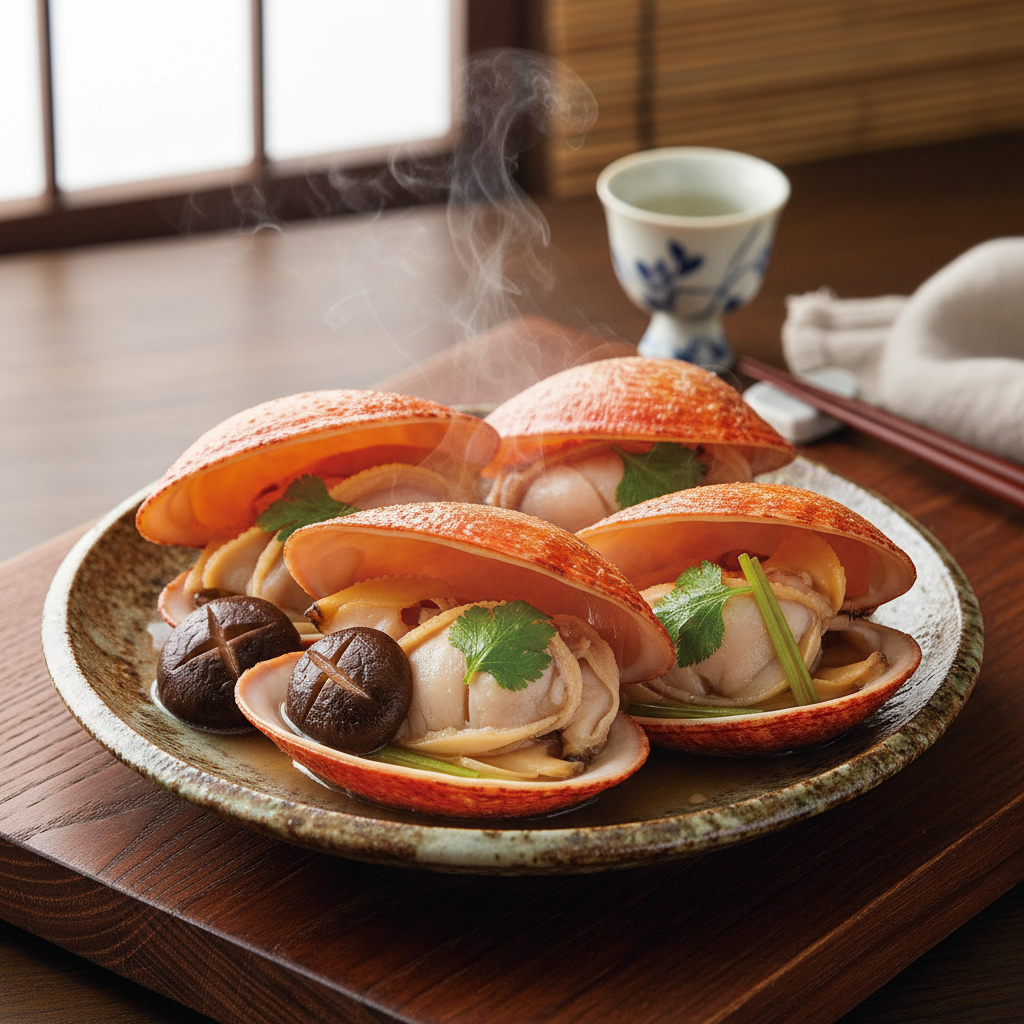

Suzuki Hohosho-Yaki | Thorough Explanation of the Appeal and Preparation Method of a Historic Local Dish from Shimane Prefecture
Are you familiar with “Suzuki no Hohosho-yaki,” a traditional local dish representative of Shimane Prefecture? This dish, in which sea bass is wrapped in hohosho paper (Japanese washi paper) and steamed-baked, has been loved by local people for many years for its beautiful appearance and refined flavor. This article comprehensively conveys the appeal of this traditional dish, from its historical background, to the actual preparation method, to tips for achieving delicious results.
What is Suzuki no Hohosho-yaki?
Suzuki no Hohosho-yaki is a local dish that has long been familiar in the coastal areas of Shimane Prefecture. It is characterized by a unique cooking method in which fresh sea bass is wrapped in hohosho paper and steamed-baked, resulting in a fluffy texture while retaining the umami of the fish.
What is Hohosho Paper?
Hohosho paper is a high-quality Japanese washi paper that was originally used for official documents and important correspondence. Being thick and durable with excellent breathability, when used in cooking, it absorbs excess moisture from the fish while trapping in the umami, creating an ideal effect. Today, hohosho paper processed for culinary use is commercially available, making it easy for home cooks to obtain.
Why Sea Bass?
Sea bass has been caught for a long time off the coast of Shimane Prefecture, which faces the Japan Sea. It has a refined flavor despite being white-fleshed and mild, with summer being its peak season. Because its flesh is firm and does not easily fall apart, it was selected as the star of hohosho-yaki due to its suitability for the steamed-baking cooking method.
History and Cultural Background of Suzuki no Hohosho-yaki
Connection to Samurai Society
The origins of suzuki no hohosho-yaki are said to trace back to the Matsue Domain during the Edo period. In the Matsue Domain, sea bass was considered an auspicious “fish of advancement,” and was valued as a celebratory dish and hospitality cuisine. The cooking method of wrapping it in hohosho paper was also a way to express formality in samurai society at that time, and is said to have been provided as the finest hospitality when entertaining guests.
Influence of Tea Ceremony Culture
Matsue is also known as a place where tea ceremony culture flourished, and the seventh lord of Matsue Domain, Matsudaira Fumai, encouraged the practice of the tea ceremony. Influenced by kaiseki cuisine served with tea ceremonies, a culinary culture that valued beautiful appearance and seasonal sensibility developed, and suzuki no hohosho-yaki is thought to have been refined within this context.
Continuation to the Present Day
Today, there are restaurants and local cuisine establishments within Shimane Prefecture that serve suzuki no hohosho-yaki. Additionally, as part of efforts to preserve regional food culture, the dish is being served in school lunches and its preparation method is being taught in cooking classes, with activities to pass it on to future generations underway.
Basic Method for Preparing Suzuki no Hohosho-yaki
Ingredients Needed (Serves 2)
- Sea bass fillets: 2 pieces (100–120g each)
- Hohosho paper: 2 sheets (culinary grade)
- Salt: to taste
- Sake: 2 tablespoons
- Kombu (kelp): 2 pieces, 5cm square
- Yuzu peel: a small amount (optional)
- Mitsuba or kinome leaves: to taste (for garnish)
Preparation
- Preparing the sea bass: Lightly salt the sea bass fillets and let them sit for about 15 minutes to release excess moisture. Gently wipe away the moisture that forms with paper towels.
- Preparing the hohosho paper: Soak the hohosho paper in water to soften it. Once completely moistened, lightly drain off excess water.
- Preparing the kombu: Wipe the surface of the kombu with a tightly wrung cloth and cut it to the size of the fish.
Cooking Procedure
- Preparation for wrapping: Spread out the hohosho paper and place the kombu in the center. Place the sea bass fillet on top of the kombu and sprinkle with sake. If desired, top with julienned yuzu peel for a fragrant finish.
- Wrapping method: Fold the four corners of the hohosho paper toward the center, completely enclosing the fish. Fold the closing edges firmly so the paper doesn’t come undone. In the traditional wrapping method, the top is slightly twisted to secure it.
- Steaming-baking: Arrange the wrapped sea bass in a steamer and steam on high heat for approximately 15–18 minutes. Adjust the time according to the thickness of the fish. Pierce with a bamboo skewer; if clear liquid comes out, the fish is cooked through.
- Finishing: Once steamed, plate the hohosho-yaki with the paper still on. Open the paper just before eating and garnish with mitsuba or kinome leaves to complete the dish.
Tips for Making It Delicious
Choosing Fresh Fish
Suzuki no hohosho-yaki is a simple dish that brings out the flavor of the ingredients. Therefore, the freshness of the fish is the key to taste. Choose fish with clear eyes, firm flesh, and without any fishy odor. If possible, tell the local fishmonger you want to make hohosho-yaki, and they can prepare an appropriate fillet for you.
Adjusting the Salt Level
The salt sprinkled during preparation removes fishy odors and firms up the flesh. Too much salt will make it salty, so sprinkling a light, even amount is sufficient. Using premium sea salt will result in a more refined flavor.
Determining Steaming Time
Steaming too long will make the flesh dry and flaky, so judging the steaming time correctly is important. For fillets about 2cm thick, aim for 15 minutes; for thicker fillets, aim for 18 minutes. Adjust based on the heat level of your steamer and the size of the fish.
Hohosho Paper Substitutes
If authentic hohosho paper is unavailable, parchment paper or cooking sheets can be used as substitutes. However, to truly enjoy the traditional flavor and beautiful appearance, using genuine hohosho paper is recommended.
Arrangement Recipes and Variations
Hohosho-yaki with Mushrooms
As an autumn variation, wrapping mushrooms such as shimeji or enoki together with the fish and steaming creates deeper flavor from the mushroom umami. Remove the stem end of the mushrooms and separate into bite-sized pieces before use.
Saikyo Miso Flavor
Thinly coating the sea bass with saikyo miso before wrapping adds the sweetness and richness of miso, making it a dish that pairs well with rice. Apply the miso thinly and evenly as it can burn easily if applied too generously.
Application with Other Fish
The dish can be deliciously made with other white-fleshed fish or oily fish such as sea bream, Spanish mackerel, or salmon. Adjust steaming time and seasoning according to the characteristics of each fish.
Side Dishes and Meal Combinations That Pair with Suzuki no Hohosho-yaki
Traditional Combinations
The following side dishes are traditionally paired with suzuki no hohosho-yaki as a Shimane local dish.
- Red miso soup: Red miso soup made with clams from Lake Shinji is representative of Shimane Prefecture.
- Simmered dishes: Refined simmered dishes using seasonal vegetables complement the mild flavor of hohosho-yaki.
- Vinegared dishes: Vinegared cucumber or seaweed refreshes the palate.
Modern Arrangement Meal Plans
For casual home enjoyment, the following combinations are also recommended.
- Grilled vegetables: Simply grill seasonal vegetables and season with salt and olive oil.
- Salad: Fresh leafy greens with yuzu vinaigrette dressing.
- Cooked rice: Pairing with mushroom or chestnut cooked rice creates a seasonal dining experience.
Shimane Prefecture’s Food Culture and Suzuki no Hohosho-yaki
Connection to the Seven Treasures of Lake Shinji
Shimane Prefecture is home to the “Seven Treasures of Lake Shinji,” seven aquatic products that symbolize the region’s food culture. Sea bass is sometimes counted among these treasures, making it a special presence for local people. The Seven Treasures of Lake Shinji include sea bass, clams, ice fish, smelt, carp, eel, and freshwater shrimp.
Matsue’s Kaiseki Restaurant Culture
Traditional kaiseki restaurants continue to operate in Matsue City, where authentic suzuki no hohosho-yaki can be enjoyed. At these restaurants, it is often served as part of kaiseki cuisine using seasonal ingredients, presented beautifully with attention to tableware and plating.
Provision at Regional Events
At food events and local cuisine fairs held in Shimane Prefecture, suzuki no hohosho-yaki is sometimes introduced. Such events are valuable opportunities to introduce Shimane’s food culture to people from outside the region.
Nutritional Value and Health Benefits
Nutritional Components of Sea Bass
Sea bass is a healthy food that is high in protein and low in fat. It contains approximately 20g of protein per 100g, with only about 3g of fat. Additionally, it is rich in B vitamins, particularly vitamin B12, which helps maintain nerve function.
Health Benefits of the Cooking Method
The hohosho-yaki cooking method uses no oil and steams the fish, allowing you to avoid consuming excess fat. Additionally, the fish’s nutrients do not easily leach out, making it a cooking method that allows efficient nutrient absorption.
Minerals and Vitamins
Sea bass contains minerals such as calcium, phosphorus, and potassium. Phosphorus is particularly important for bone and tooth formation. Furthermore, it contains vitamin D, which aids calcium absorption.
Tips for Enjoying at Home
How to Obtain Hohosho Paper
Hohosho paper can be purchased through internet retailers and specialty kitchenware stores. Products sold as “culinary hohosho paper” are safe, food-safety-law-compliant products. If you are concerned about storage, it is recommended to try starting with a small quantity.
Storage Method
Before cooking, store sea bass in the refrigerator and use it as soon as possible. After cooking, hohosho-yaki is best eaten freshly made, but if you must refrigerate it, consume it the same day.
Cooking with Children
Suzuki no hohosho-yaki is suitable for cooking with children since the wrapping process is enjoyable. Letting children do the fish-wrapping step can be used as part of food education. However, always supervise children when using the steamer.
Places to Enjoy It When Visiting Shimane Prefecture
Kaiseki Restaurants in Matsue City
Several traditional Japanese restaurants in Matsue City offer authentic suzuki no hohosho-yaki with advance reservation. Particularly around Matsue Castle and the shores of Lake Shinji, there are many restaurants offering dishes using local ingredients.
Local Cuisine Restaurants
Restaurants that serve Shimane Prefecture’s local dishes to tourists sometimes feature suzuki no hohosho-yaki on their menus. At lunch time, it can sometimes be enjoyed as part of a set meal at relatively affordable prices.
Roadside Stations and Local Product Halls
Roadside stations and local product halls throughout Shimane Prefecture sometimes have food courts that serve dishes using local ingredients. Such places may serve hohosho-yaki as a regional local dish.
Conclusion
Suzuki no hohosho-yaki is a traditional local dish of which Shimane Prefecture can be proud. The unique cooking method of wrapping in hohosho paper and steaming-baking carries forward the history and culture that has continued since the Edo period to the present day.
Despite its simplicity, its refined flavor embodies the essence of Japanese cuisine, which maximizes the quality of ingredients, and possesses a charm that stands up well in the modern dining table. Since it can be prepared relatively easily at home, please try making it once.
If you have the opportunity to visit Shimane Prefecture, tasting the authentic flavor is also recommended. The flavor created by fresh local fish and traditional cooking methods will surely become an unforgettable memory.
Through this article, I hope the appeal of suzuki no hohosho-yaki, such a wonderful local dish, is conveyed and the dish becomes more familiar to more people. Local dishes that remain throughout Japan are valuable clues to understanding the history and culture of their regions. Please, through food, experience Shimane Prefecture’s rich culture firsthand.