Itadaki (Tottori Prefecture’s Local Cuisine) Complete Guide | History, Preparation Method, and Regional Culture Thoroughly Explained
What is Itadaki? Tottori Prefecture’s Proud Traditional Local Dish
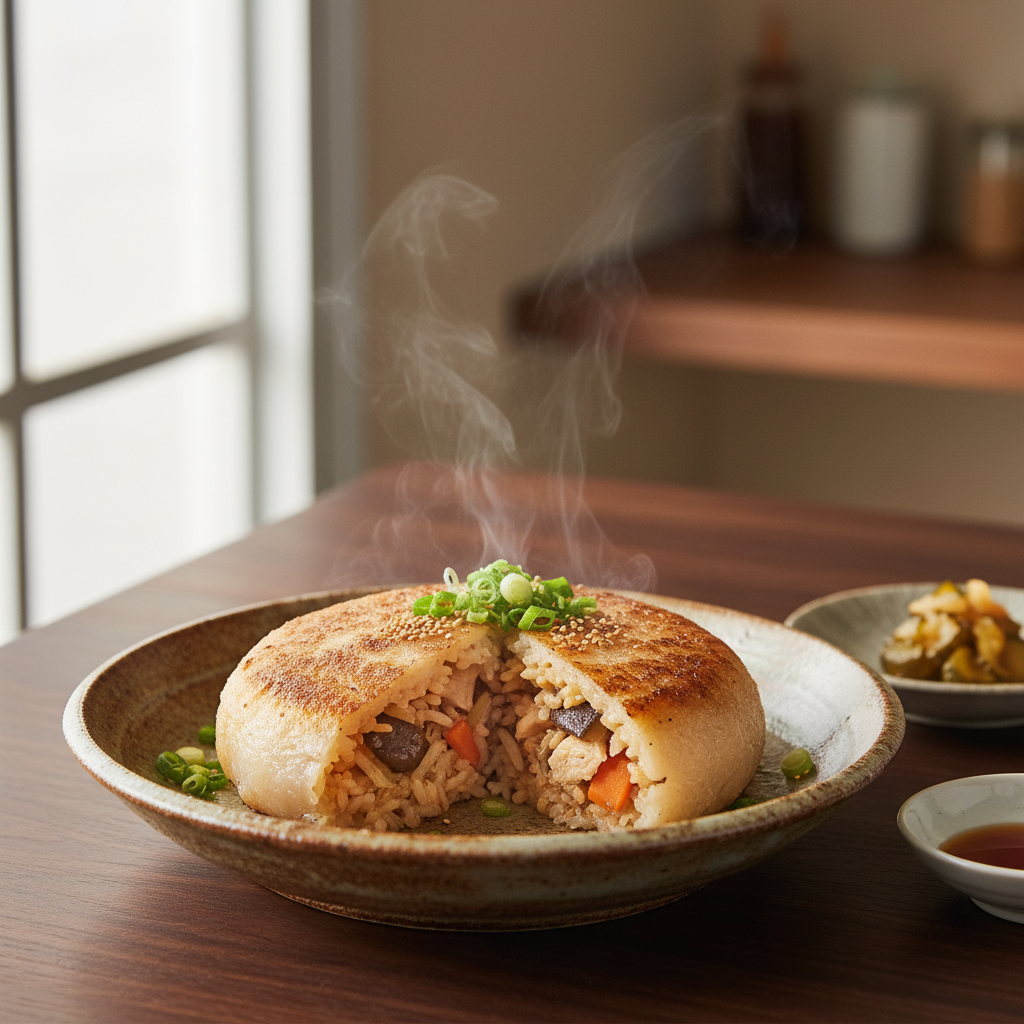
“Itadaki” is a local dish that has been cherished since ancient times, particularly in the western part of Tottori Prefecture, centered around the Yumigahama Peninsula. It is characterized by a unique cooking method in which raw rice and vegetables are stuffed inside a large triangular fried tofu, then slowly simmered in dashi broth.
In appearance, it resembles a large inari sushi, but the cooking method and flavor are completely different. The fried tofu can be about 20 centimeters wide, making it very filling. Eating just one is enough to feel satisfied—it is truly a dish packed with the wisdom of rural life.
Also known by the alternative names “nonokome-shi” or “nonoko gohan,” the variation in local names is a charming feature unique to regional cuisine. Today, it is sold in supermarket prepared food sections, festival food stalls, and roadside stations, continuing to be loved by local people as a soul food representative of Tottori Prefecture.
History, Origins, and Related Events | A Tradition Continuing from the Meiji Era
The Origin and Transmission of Itadaki
The origin of itadaki traces back to an intriguing legend from around the middle of the Meiji period. A Buddhist priest at a temple in Sakaiminato had an exchange with a temple in Fukui Prefecture, and he was very pleased with a fried tofu dish served there as vegetarian cuisine. The priest brought this back to Tottori and began stuffing it with local rice and vegetables, then simmering it—this is said to be the beginning of “itadaki.”
Born from cultural exchange with Fukui Prefecture, this dish has developed uniquely while adapting to the climate, geography, and food culture of western Tottori Prefecture. Since the Yumigahama Peninsula has much sandy soil unsuitable for rice cultivation, the dish became established as one designed to provide satisfaction with only a small amount of rice.
Regional Positioning
There are various theories about the origin of the name “itadaki.” The most prominent theory is that it was named after the triangular shape resembling the peak (itadaki) of a mountain. Regarding the alternative name “nonoko,” there are theories suggesting it comes from a regional dialect meaning “no,” or refers to “wild vegetables” (野の子).
In regional events and gatherings, homemade “itadaki” prepared in each household are brought to share, creating a culture where people enjoy the differences in taste between homes. It has become an indispensable menu item for occasions when people gather, such as festivals, memorial services, and community meetings.
Main Areas of Transmission and Regional Characteristics
Transmission Centered on the Yumigahama Peninsula
Itadaki is particularly widespread in western Tottori Prefecture, especially throughout the Yumigahama Peninsula including Sakaiminato City, Yonago City, and Hiyoshi Town. This region is a sandbar area facing the Sea of Japan, and the unique topography and climate have influenced food culture.
In the Yumigahama Peninsula, fishing and agriculture are prosperous, providing access to fresh vegetables and abundant seafood. The vegetables used in “itadaki” are often locally-grown seasonal produce, and the ingredients can change depending on the season.
Regional Characteristics
Even though it is the same “itadaki,” there are differences in seasoning and ingredients depending on the region and each household. In Sakaiminato City, variations incorporating seafood are seen, and in Yonago City, sweeter seasoning is preferred, with regional characteristics appearing.
Additionally, there are differences between commercially sold versions and homemade versions. Commercialized products are made with consideration for shelf life and portability, but homemade “itadaki” offers the charm of enjoying each family’s unique secret ingredients and ingredient combinations.
Main Ingredients Used and Nutritional Value
Basic Ingredient Composition
The basic ingredients for itadaki are as follows:
Main ingredients:
- Fried tofu (large triangular or square halved)
- Rice (using uncooked rice)
- Carrot
- Burdock
- Shiitake mushroom (dried shiitake may be used)
Seasonings and broth:
- Dashi broth (a combination of bonito and kelp is typical)
- Soy sauce
- Mirin
- Sugar
- Sake
Some households add chicken, fried tofu, konnyaku, bamboo shoots, and other ingredients. The type and quantity of ingredients are adjusted according to season and preference, creating each household’s unique flavor.
Nutritional Characteristics
Fried tofu is made from deep-fried tofu and is rich in protein, calcium, vitamin E, and other nutrients. Through heating, the protein in tofu changes, creating a honeycomb-like structure that readily absorbs dashi broth and seasonings.
Burdock is rich in dietary fiber and helps regulate intestinal flora, while carrots contain abundant beta-carotene, which helps improve immunity. Shiitake contains beta-glucan and vitamin D that boost immunity, making this a nutritionally well-balanced dish.
Even a small amount of rice provides satisfaction due to the volume of vegetables and fried tofu, demonstrating the wisdom of an era when food supplies were limited—a rationally designed dish.
How to Make Itadaki | Detailed Recipe and Cooking Tips
Ingredients (Makes 6)
Main ingredients:
- Large fried tofu 3 sheets
- Rice 2 cups (washed and water drained)
- Carrot 1 piece (about 150g, minced)
- Burdock 1 piece (about 100g, shaved or minced)
- Dried shiitake mushrooms 4-5 pieces (rehydrated in water and minced)
Seasonings (for filling):
- Soy sauce 1 tablespoon
- Mirin 1 tablespoon
- Sugar 1 teaspoon
Simmering broth:
- Dashi broth 1000ml (combination of bonito and kelp)
- Soy sauce 3-4 tablespoons
- Mirin 3 tablespoons
- Sugar 2 tablespoons
- Sake 2 tablespoons
Cooking Procedure
1. Preparation
Pour boiling water over the fried tofu to remove excess oil. This allows the dashi broth flavor to soak in more easily. After removing oil, squeeze out the water and cut in half to open into a pouch shape.
Rehydrate the dried shiitake in water; reserve the soaking liquid to use in the broth to increase umami. Mince all vegetables and place in a bowl.
2. Preparing the Filling
In a bowl, combine washed rice with water drained, minced carrot, burdock, and shiitake. Add the seasonings (soy sauce, mirin, sugar) and mix well. Blending flavors at this stage ensures uniform seasoning in the finished dish.
3. Stuffing the Fried Tofu
Fill the fried tofu pouch with the mixed filling. Be careful not to overstuff, as the tofu may tear or rice may overflow as it expands. Aim to fill about 7-8 full. Close the opening with toothpicks, using 2-3 toothpicks to secure it firmly. If the opening is not closed, contents may spill out while simmering.
4. Making the Simmering Broth
In a large pot or skillet, combine the broth ingredients (dashi broth, soy sauce, mirin, sugar, sake) and mix. If using the shiitake soaking liquid, substitute part of the dashi broth with it.
5. Simmering
Arrange the stuffed fried tofu in the broth without overlapping. This is important for even cooking. Place a drop lid on top and bring to a boil over medium heat.
Once boiling, reduce to low heat and simmer gently for 30-40 minutes. If the broth reduces too much, add water. Occasionally flip the fried tofu for even flavor absorption.
Pierce with a bamboo skewer to check if the rice is cooked through. When the rice is soft and the broth has thoroughly soaked into the fried tofu, it is done.
6. Finishing
Turn off the heat and let it steam for about 10 minutes to further develop flavors. Remove the toothpicks, cut into bite-sized pieces, and serve.
Cooking Tips and Points
- Why use uncooked rice: Using uncooked rice allows it to absorb the dashi and seasonings from the fried tofu during simmering, creating a distinctive chewy texture.
- Heat level: High heat will only brown the outside while leaving the inside undercooked. Simmering gently over low heat is key.
- Amount of broth: Aim for the fried tofu to be about half submerged. Too much broth makes the flavor weak; too little causes scorching.
- Rice cooker method: Recently, cooking in a rice cooker has become popular. Simply place the stuffed fried tofu in the rice cooker, add the broth, and use the regular rice cooking mode. This method is less prone to failure and recommended for beginners.
Occasions and Seasons for Consumption
Itadaki as Everyday Food
Itadaki is enjoyed both as an everyday side dish and as a special treat. Because it can be made in large quantities and stored, it is convenient for busy days and as a bento box side dish.
It tastes good even when cooled, and many say it actually tastes better chilled as flavors deepen. This makes it perfect for lunch boxes for sports days, picnics, and field trips.
Connection to Seasons and Events
Itadaki is not limited to specific seasons or events, but it is an indispensable menu item when people gather for festivals, memorial services, and community meetings.
Especially during autumn festivals and harvest festivals, it is often sold at food stalls, enjoyed as a regional soul food by many people. It is also sometimes made as an offering during Obon and Higan periods.
In winter, warm itadaki simmered in hot broth warms the body, and in summer, it is delicious chilled, making it a dish that can be enjoyed year-round.
Eating Methods and Arrangements
Basic Way of Eating
The basic way to eat itadaki is as is. Since the fried tofu is edible, cut it into bite-sized pieces with chopsticks or a knife and eat.
It is delicious both served warm and after cooling. The combination of fried tofu soaked in broth, the chewy texture of rice, and the umami of vegetables blend together for an integrated flavor.
Some prefer to add soy sauce, mustard, ginger, or other condiments to taste. When reheating, use a microwave or steamer to restore the quality of freshly made itadaki.
Modern Arrangements
While preserving traditional recipes, modern arrangements suited to contemporary lifestyles have emerged:
Ingredient variations:
- Add chicken or tuna for enhanced protein
- Add additional mushrooms (king oyster, maitake) for increased umami
- Include edamame or corn for color and texture
- Add a small amount of cheese for a Western-style twist
Seasoning variations:
- Add a bit of curry powder for spice
- Use ginger to enhance flavor
- Use miso as a hidden ingredient to add depth
Cooking method innovations:
- Use a pressure cooker for quick preparation
- Bake in an oven for added fragrance
- Use a slow cooker for slow, low-temperature cooking
Storage and Preservation Efforts
Commercialization and Distribution Expansion
Within Tottori Prefecture, multiple specialty shops and food companies manufacture and sell itadaki. Companies such as “Komeya Sangyo” work on commercializing the dish while preserving traditional flavors, selling to areas throughout and outside the prefecture.
By utilizing vacuum-sealing and freezing technology, long-lasting product development has progressed, and the dish has become popular as a mail-order item and souvenir. Recognition nationwide has increased after being featured on NHK programs and “Himitsu no Kenmin SHOW” and other television shows.
Sales at roadside stations, service areas, and airport shops make it easy for tourists to enjoy Tottori’s flavors.
Local Preservation Activities
Itadaki sometimes appears in school lunch menus, with food education activities transmitting regional cuisine to children. Some schools conduct cooking classes where students make “itadaki,” facilitating transmission to the next generation.
Cooking classes held regularly by local women’s associations and dietary improvement promoters teach traditional preparation methods, passing not only recipes but also cooking tips and knowledge of regional food culture from older to younger generations.
Information Distribution through SNS and Media
In recent years, information dissemination using SNS has been active. Searches for hashtags such as “#itadaki” and “#Tottori gourmet” on Instagram and Twitter show numerous posts.
Local restaurants and manufacturers have opened official accounts, sharing product information, recipes, and arrangement methods. User-posted beautiful food photos and arrangement recipes appeal to younger generations.
Video sites like YouTube have published videos detailing preparation methods, creating an environment where people outside the prefecture can try making it at home.
Administrative Initiatives
Tottori Prefecture and municipalities undertake various initiatives aimed at preserving and transmitting regional cuisine. Registration in the Ministry of Agriculture, Forestry and Fisheries’ “Our Regional Cuisine” database has established its status as an official local dish.
As part of tourism promotion, events and fairs utilizing regional cuisine including “itadaki” are held, increasing opportunities to share regional food culture.
Where to Buy Itadaki and Where to Eat It
Supermarkets and Direct Sales Outlets
Many supermarkets throughout Tottori Prefecture carry “itadaki” in their prepared food sections. In locally-oriented supermarkets in particular, fresh “itadaki” made that morning is displayed.
Roadside stations and agricultural product direct sales outlets also sell “itadaki” made by local producers, offering a warmth of flavor unique to handmade products.
Specialty Shops and Manufacturers
Specialty manufacturers like “Komeya Sangyo” provide products through factory direct sales and mail order. Vacuum-sealed and frozen products have good shelf life, making them popular as souvenirs and gifts.
Restaurants
Various regional cuisine restaurants, izakayas, and set meal restaurants in Tottori Prefecture feature “itadaki” on their menus. It is sometimes served with warm broth, offering a different flavor from home cooking.
Mail Order and Online Purchase
To enable purchase from outside the prefecture, many manufacturers and retailers have opened online shops. Major e-commerce sites like Rakuten and Amazon carry the product, allowing people throughout the country to enjoy Tottori’s flavors.
Comparison of Itadaki with Other Regional Cuisine
Differences from Inari Sushi
Though similar in appearance, the preparation method and flavor are significantly different.
Inari sushi:
- Cooked vinegared rice is stuffed in sweetly-simmered fried tofu
- Eaten cold
- Contrast between sushi rice’s sourness and fried tofu’s sweetness
Itadaki:
- Uncooked rice and vegetables are stuffed in fried tofu and simmered in dashi broth
- Delicious both warm and cooled
- An integrated flavor with dashi-soaked texture
Similar Dishes from Other Regions
Similar regional dishes to itadaki exist throughout Japan:
“Agedume” from Fukui Prefecture: Said to be the origin of itadaki, sharing the cooking method of stuffing fried tofu with ingredients and simmering.
“Inari zushi” from Ishikawa Prefecture: Some regional variations stuff with cooked rice, resembling itadaki.
“Bara zushi” from Okayama Prefecture: While using chirashi sushi format rather than fried tofu, it shares abundant ingredients and strong regional character.
Comparison with these dishes reveals the diversity of regional food culture and mutual influences.
Conclusion: The Appeal of Itadaki and Its Future
“Itadaki,” a regional dish from Tottori Prefecture, has a long history continuing from the Meiji era and has been cherished by local people. The simple yet profound cooking method of stuffing uncooked rice and vegetables into a large fried tofu and simmering in dashi broth embodies the ingenuity of utilizing ingredients without waste and achieving satisfaction with minimal rice.
The flavors passed down through households are themselves the identity of the region, and as a presence brightening festivals, events, and everyday tables, they continue to be loved across generations.
In modern times, commercialization and mail-order availability have made “itadaki” easily accessible to people outside the prefecture. Preservation and transmission are being pursued through multiple approaches including information sharing via SNS and media, provision in school lunches, and cooking class transmission activities.
While preserving tradition, new arrangements suited to modern lifestyles and new cooking methods are emerging, making “itadaki” an evolving regional cuisine.
When visiting Tottori Prefecture, be sure to taste authentic “itadaki.” Also consider trying a recipe at home to experience the richness of Tottori’s food culture. The aroma of broth overflowing from the fried tofu, the chewy texture of rice, and the umami of vegetables blended together create an unforgettable delicious flavor.
The name “itadaki,” containing both the triangular mountain-peak shape and the respectful meaning of “to humbly receive.” This regional dish is packed with the daily lives and culture of Tottori people and respect for food. It is an important food culture to be passed down to future generations.