
Basashi: Kumamoto Prefecture’s Local Specialty – Complete Guide to History, Preparation, and Dining
Basashi (horsemeat sashimi), a representative local dish of Kumamoto Prefecture, is a uniquely Japanese food culture in which fresh horsemeat is thinly sliced and eaten raw. Due to its vivid red color, it is also called “sakura niku” (cherry blossom meat), and has been beloved by Kumamoto residents for generations. This article provides a comprehensive introduction to Kumamoto’s basashi culture, including its history, traditional preparation methods, ways of eating, and modern efforts in preservation and transmission.
What is Basashi – Kumamoto Prefecture’s Representative Local Dish
Basashi is a dish in which fresh horsemeat is thinly sliced and eaten raw, and is known nationwide as a representative local dish of Kumamoto Prefecture. Kumamoto Prefecture boasts the highest horsemeat production in Japan, and it is a familiar food ingredient consumed on a daily basis throughout the prefecture.
Horsemeat is characterized by being low in fat and calories while high in protein, and is rich in iron and glycogen. Glycogen in particular is said to have fatigue recovery and beauty benefits, and has garnered nationwide attention as health consciousness has increased.
Throughout Kumamoto Prefecture, there are numerous restaurants and specialty shops, where basashi is served not only to tourists but also in the daily meals of local people and at celebratory occasions. The ability to enjoy different meat textures and flavors depending on the cut is a major appeal of basashi.
History and Origins – Kato Kiyomasa and the Beginning of Basashi
Kato Kiyomasa and the Legend of the Korean Campaign
There are multiple theories about the origin of basashi, but the most famous story dates back approximately 400 years, involving Kato Kiyomasa, the first daimyo of Kumamoto Domain during the Azuchi-Momoyama and early Edo periods.
During the Korean Campaign (Bunroku-Keicho War) carried out from 1592 to 1598, the military forces led by Kato Kiyomasa faced food shortages on the Korean Peninsula. Out of necessity, they used military horses as food, and it is said that they were surprised by its deliciousness. After returning home, Kato Kiyomasa continued to enjoy eating horsemeat, and this is said to be the beginning of horsemeat food culture in Kumamoto.
Transmission from the Edo Period to the Present Day
Following Kato Kiyomasa’s preference for horsemeat, the custom of eating it spread throughout Kumamoto Domain. Throughout the Edo period, horsemeat food culture gradually permeated from the samurai class to the common people.
Following the Meiji period, as meat-eating became generalized, basashi became established as a local dish of Kumamoto Prefecture. During the post-war period of rapid economic growth, horsemeat specialty restaurants increased in Kumamoto Prefecture, and it began to be recognized as a tourist attraction.
Today, basashi is positioned as a must-try gourmet dish for tourists visiting Kumamoto Prefecture, and is known domestically and internationally as a cuisine symbolizing Kumamoto’s food culture.
Major Transmission Areas and the Spread of Food Culture
Spread Throughout Kumamoto Prefecture
Basashi is eaten throughout Kumamoto Prefecture, but it is particularly popular in the central prefecture region centered on Kumamoto City. There are numerous horsemeat specialty restaurants in Kumamoto City, and in busy areas such as Kaminori Street and Shimotoori Street, you can enjoy basashi at various types of establishments, from specialty shops catering to tourists to izakayas frequented by local residents.
In the Aso region, where horse raising was prevalent, horsemeat dishes have been eaten on a daily basis. Even today, the Aso region has many horsemeat producers and processors, making it a supply source for fresh basashi.
Influence Beyond Kumamoto Prefecture
Outside of Kumamoto Prefecture, basashi is eaten in some areas such as Nagano Prefecture and Fukushima Prefecture, but Kumamoto Prefecture overwhelmingly leads in both production and consumption. In recent years, due to increased health consciousness and promotional efforts by Kumamoto Prefecture for tourism, interest in basashi has grown nationwide.
In major metropolitan areas such as Tokyo and Osaka, Kumamoto restaurants and horsemeat specialty shops have increased, and opportunities to enjoy basashi outside of Kumamoto Prefecture have expanded. Additionally, with the development of internet mail order, it is now possible to order Kumamoto horsemeat sashimi from anywhere in Japan.
Main Ingredients and Characteristics of Different Cuts
Cuts of Horsemeat and Their Characteristics
Various cuts are used for basashi, each with different meat textures and flavors.
Red Meat (Rump and Loin)
The most popular cut, characterized by a vivid red color. With little fat, you can enjoy the original flavor of horsemeat. With a clean taste, it is also recommended for basashi beginners.
Marbled Meat
A cut with marbling (fat), characterized by a richer flavor and smoother texture compared to red meat. The melting sensation in the mouth is popular, and it is treated as a premium cut.
Taategami (Kounē)
The part behind the neck, characterized by a white, translucent appearance. It has a unique crunchy texture, and while high in fat, the low melting point of horsemeat fat makes it taste clean and light.
Futaego (Belly Meat)
A rare cut with alternating layers of red meat and fat. Characterized by rich flavor and tender texture, it is considered a connoisseur’s cut.
Liver
When fresh, it can be eaten raw and has a creamy texture and rich flavor. It is a nutrient-rich cut with abundant iron content.
Condiments and Seasonings
The following condiments and seasonings are essential for basashi.
- Grated garlic: The standard condiment for basashi, it removes the smell of meat and enhances its flavor
- Grated ginger: Adds a fresh taste
- Sliced onion: Placed under the basashi and eaten together
- Shiso (Japanese mint): Has a pleasant aroma and antibacterial properties
- Sweet soy sauce: In Kumamoto, mild soy sauce is standard, and basashi-specific sweet soy sauce is also sold
Traditional Preparation Methods and Recipes
Ingredients (Serves 4)
- Horsemeat for sashimi (red meat): 300g
- Onion: 1/2
- Shiso leaves: 8 leaves
- Grated garlic: to taste
- Grated ginger: to taste
- Sweet soy sauce: to taste
Preparation Method
1. Preparing the Horsemeat
Prepare fresh horsemeat. When cooking at home, it is common to use frozen horsemeat sold specifically for basashi. Frozen horsemeat is easier to slice when in a semi-thawed state (when the surface has softened slightly).
2. Slicing
Slice the horsemeat perpendicular to the grain at a thickness of 2-3mm. By cutting across the fibers, you achieve a tender texture. It is important to use a sharp knife.
3. Preparing the Condiments
Slice the onion thinly and soak in cold water to remove its sharp taste. Wash the shiso leaves and pat dry. Grate the garlic and ginger.
4. Plating
Arrange the sliced onion on a plate, then arrange the shiso leaves on top. Arrange the sliced basashi beautifully. Arranging multiple cuts such as red meat, marbled meat, and taategami creates a more elegant presentation.
5. Serving
Place the grated garlic and ginger in small bowls, and serve with sweet soy sauce.
Professional Technique
Specialty shops employ advanced techniques in temperature management and cutting of the horsemeat. Horsemeat is stored frozen at approximately -20°C and thawed to the appropriate temperature just before serving. The thickness and angle of the slices greatly affect the texture, so the technique of skilled artisans determines the taste.
Dining Etiquette and Ways of Eating
Basic Way of Eating
Basashi is generally eaten following these steps.
- Pour sweet soy sauce into a small dish
- Dissolve grated garlic and ginger to your preference in the soy sauce
- Pick up basashi with chopsticks along with sliced onion or shiso
- Dip in the soy sauce and eat
Eating basashi together with sliced onion brings out the sweetness of the horsemeat, creating a well-balanced flavor in the mouth. The aroma of shiso complements horsemeat well, resulting in a refreshing aftertaste.
Differences in Flavor by Cut
When multiple cuts are presented as an assorted platter, starting with the cleaner-tasting red meat and gradually progressing to richer cuts such as marbled meat or taategami allows you to fully appreciate each flavor.
Beverages to Pair With
In Kumamoto, pairing basashi with shochu is standard. In particular, Kuma shochu, a rice distilled spirit produced in the Kuma region of Kumamoto Prefecture, pairs exceptionally well with basashi. Japanese sake and beer also pair well.
Occasions and Seasons for Enjoying Basashi
As an Everyday Food
In Kumamoto Prefecture, basashi is viewed less as a special dish and more as a familiar ingredient eaten on a daily basis. Basashi horsemeat is sold in supermarkets, making it easy to enjoy at home.
It is not uncommon for basashi to appear on the dinner table as a weekend family meal or as a hospitality dish when entertaining friends.
Celebrations and Special Occasions
Basashi is also served as an important dish at celebratory occasions such as weddings, funeral rites, and housewarming celebrations. A luxurious assorted basashi platter featuring multiple cuts adorns the table on special days.
Tourism and Basashi
For tourists visiting Kumamoto Prefecture, basashi is a must-try gourmet experience. A course that includes visiting a horsemeat specialty restaurant after sightseeing at Kumamoto Castle has become a standard tourist route. In the evening entertainment districts, izakayas and specialty restaurants serving basashi are crowded with tourists.
Seasonal Variations
Basashi can be enjoyed year-round, but there is a tendency for cleaner-tasting red meat to be preferred in summer, while richer cuts such as marbled meat and taategami are favored in winter. However, with advances in freezing technology, the quality difference by season has become minimal.
Nutritional Value and Health Benefits
Nutritional Characteristics of Horsemeat
Horsemeat has superior nutritional characteristics compared to other meats.
Low in Fat and Calories
Horsemeat contains less fat and fewer calories than beef or pork. The calories per 100g are approximately 110kcal, similar to chicken tenderloin. It is a suitable food for those on diets or concerned about their health.
High in Protein
Horsemeat has high protein content and contains amino acids necessary for muscle maintenance and growth in a well-balanced manner.
Rich in Iron
Horsemeat is abundantly rich in easily absorbable heme iron, making it effective in preventing anemia. Liver in particular has very high iron content, making it a delightful ingredient for women.
Glycogen
Horsemeat contains abundant glycogen, an animal carbohydrate. Glycogen has fatigue recovery effects and is suitable for post-exercise energy replenishment. It is also the source of natural sweetness.
Unsaturated Fatty Acids
The fat in horsemeat is rich in unsaturated fatty acids such as oleic acid and linoleic acid. These are said to have the effect of reducing bad cholesterol.
Beauty Effects
Due to its low-calorie, high-protein characteristics, it has attracted attention as a beauty food ingredient. Protein is a necessary nutrient for maintaining healthy skin and hair, and iron helps maintain healthy skin color.
Preservation and Transmission Efforts
Producer Initiatives
Throughout Kumamoto Prefecture, there are many producers who engage in integrated operations from horse raising to processing. By raising horses on their own ranches and processing them in hygienic facilities, they provide safe, high-quality basashi.
In recent years, efforts are underway by producers who focus on feed and raising environment to produce more delicious horsemeat. Horses raised in the rich natural environment of Aso are known for their superior meat quality.
Training of Successors and Artisans
The technique of beautifully slicing basashi requires years of experience and practice. In specialty shops, techniques are passed down from senior artisans to younger ones, preserving traditional methods.
In culinary arts schools and vocational schools within Kumamoto Prefecture, curricula include learning traditional cooking methods for local dishes, ensuring the transmission of techniques to younger generations.
Commercialization and Modern Approaches
Vacuum Packaging Technology
The development of vacuum packaging technology has made it possible to ship fresh basashi throughout the country. Combined with rapid freezing technology, it can now be stored long-term while maintaining quality.
Online Sales
With the proliferation of internet mail order, consumers outside of Kumamoto Prefecture can now easily purchase authentic basashi. Many specialty shops and producers have established online stores and offer nationwide shipping.
New Product Development
In addition to traditional basashi, various horsemeat products have been developed. Horsemeat hamburgers, horsemeat sausages, horsemeat curry, and horsemeat jerky are among the diverse products appearing on the market, leading to the development of new customer bases.
Utilization as a Tourism Resource
Kumamoto Prefecture positions basashi as an important tourism resource and actively promotes it. In tourism brochures and websites, basashi is featured as a representative example of Kumamoto cuisine.
Gourmet tours visiting horsemeat specialty restaurants and events where basashi tastings are offered are also held, contributing to attracting tourists.
SNS and Digital Marketing
As a means of appealing to younger generations, the use of SNS for information dissemination has become active. Photos of beautifully plated basashi that are Instagram-friendly and videos showing how to eat it are posted, contributing to increased national awareness.
Specialty shops and producers also open official SNS accounts to share information about new products and the appeal of basashi.
Food Education Activities
In schools throughout Kumamoto Prefecture, food education activities are conducted in which students learn about basashi as a local dish. By learning about the nutritional value, history, and cultural background of horsemeat, the transmission of food culture to the next generation is promoted.
Tips for Enjoying Basashi
How to Identify Freshness
Fresh basashi is characterized by a vivid red color and minimal drip (meat juice). If it is discolored or has a strong odor, it may have lost freshness.
How to Thaw Frozen Basashi
Frozen basashi purchased through mail order should be thawed slowly in the refrigerator. Rapid thawing causes the umami of the meat to be lost, so move it to the refrigerator the day before eating.
Storage Method
Fresh basashi is highly perishable, so it should be eaten immediately after purchase. If storing in the freezer, seal tightly with plastic wrap and store at -18°C or lower. In a home freezer, aim to consume within approximately one month.
Pairing Basashi With Other Dishes
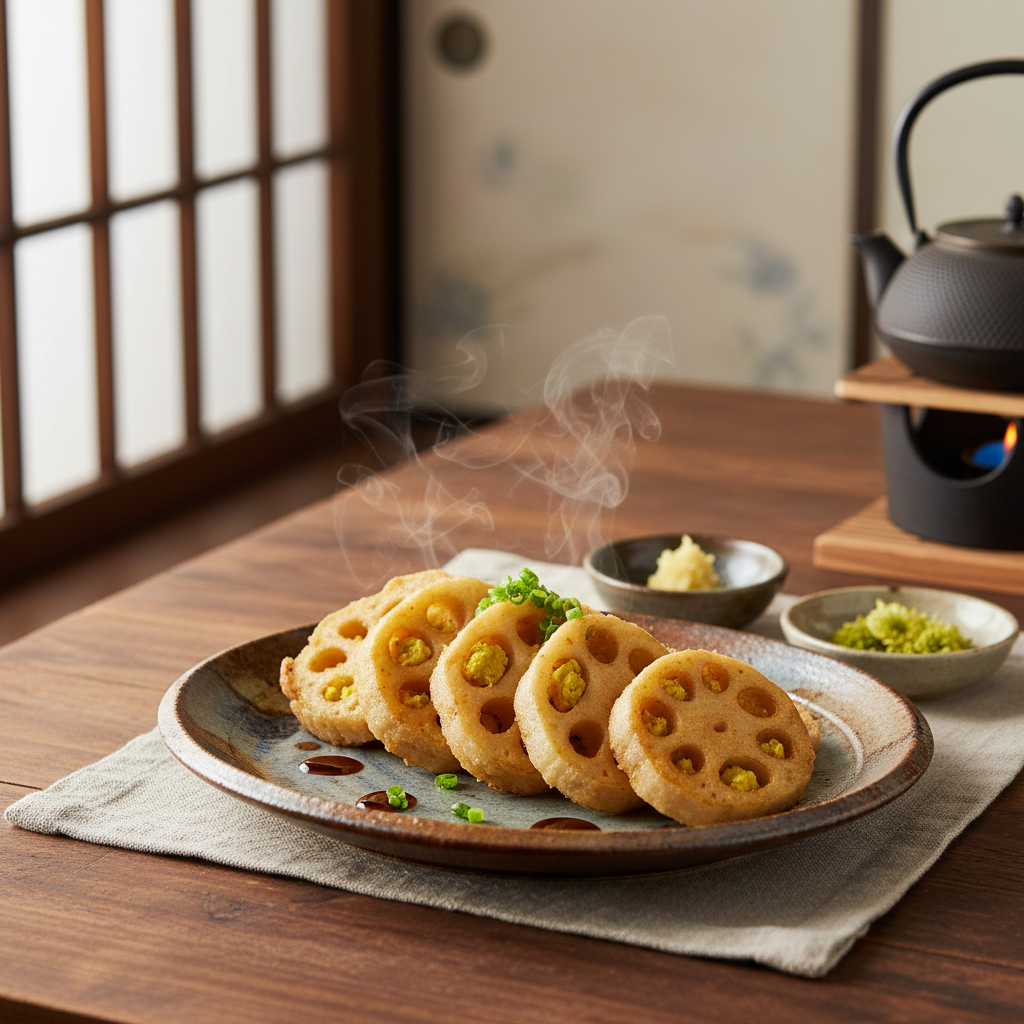
Rather than enjoying basashi alone, you can have a richer culinary experience by pairing it with other Kumamoto local dishes. It is also recommended to enjoy it together with karashi renkon (mustard lotus root), ichimoji guruguru, and dago jiru.
Current Status and Future of Kumamoto’s Horsemeat Industry
Background to Being Japan’s Largest Producer
Kumamoto Prefecture is Japan’s largest horsemeat producer, accounting for approximately 40% of the national share. This is backed by a horsemeat food culture spanning over 400 years, a favorable natural environment, and the efforts of producers.
Horse raising is conducted mainly in the Aso region, and vast grasslands and clean water support high-quality horsemeat production.
Coexistence With Imported Horsemeat
Currently, much of the horsemeat consumed in Japan is imported from countries such as Canada and Argentina. Some of the horsemeat sashimi consumed within Kumamoto Prefecture also uses imported horsemeat.
However, domestic horsemeat, particularly that from Kumamoto Prefecture, is differentiated as a premium product due to its superior meat quality and high safety. Producers are committed to thorough quality control and enhancing brand value.
Potential for Overseas Expansion
Recently, against the backdrop of the Japanese food boom, interest in Japanese food culture, including basashi, has grown internationally. Kumamoto Prefecture is also working to promote horsemeat exports, advancing market development primarily in Asia.
However, many countries lack raw food cultures, and challenges exist such as differences in hygiene standards and eating habits. Going forward, multifaceted expansion including cooked horsemeat products is expected.
Sustainable Production Systems
From the perspectives of environmental consideration and animal welfare, the establishment of sustainable horsemeat production systems is being demanded. Producers in Kumamoto Prefecture are advancing various initiatives such as raising methods that minimize stress on horses and the use of feed with low environmental impact.
These initiatives are expected to lead to gaining consumer trust and enhancing long-term brand value.
Conclusion – Basashi Supporting Kumamoto’s Food Culture
Basashi is a representative local dish of Kumamoto Prefecture with over 400 years of history. The food culture passed down from the time of Kato Kiyomasa remains deeply rooted in the daily lives of Kumamoto residents in the present day.
Horsemeat, which is low in fat, high in protein, and nutrient-rich, is also well-suited to the needs of modern people. With producers, artisans, restaurants, and government working together to preserve traditional techniques and advance new initiatives, the food culture of basashi is being passed on to future generations.
When you visit Kumamoto Prefecture, be sure to taste authentic basashi. The deliciousness of fresh horsemeat and the exquisite harmony with condiments and sweet soy sauce is a unique flavor experience only available in Kumamoto. Additionally, by using online mail order, you can enjoy Kumamoto basashi regardless of your location.
Basashi is not merely a dish, but a precious food cultural heritage in which the history, culture, and daily lives of Kumamoto are concentrated.