
Rakkasei Miso: A Complete Guide to Chiba Prefecture’s Local Cuisine | History, Preparation, and Storage Methods
What is Rakkasei Miso (落花生味噌)?
Rakkasei miso is one of Chiba Prefecture’s most representative local dishes, a traditional preserved food made by seasoning fragrant roasted peanuts with a sweet and savory combination of sugar and miso. Also called “miso peanuts” or “peanut miso,” it has been cherished as a staple side dish in Chiba households.
This dish was born from the fact that Chiba Prefecture accounts for approximately 80-85% of Japan’s peanut production, making it a symbolic cuisine of the region’s food culture. It is said to have been devised by farmers as a way to effectively utilize off-grade peanuts, embodying the wisdom of not wasting food materials.
The fragrant aroma of peanuts, the depth of miso, and the sweetness of sugar combine in perfect harmony, enjoyed widely as a rice accompaniment, an appetizer with alcohol, and a snack with tea. With high nutritional value and excellent preservation properties, it is said to be something “never lacking in Chiba households,” making it highly valued.
Chiba Prefecture’s Deep Connection with Peanuts
History of Peanut Cultivation in Chiba Prefecture
Peanut cultivation in Chiba Prefecture began in Meiji 9 (1876). A farmer named Manemon Makino from Nango Town in Sanbu District (present-day Sanbu City) is credited with starting this by purchasing seeds from Nakazato Village in Miura District, Kanagawa Prefecture and conducting trial cultivation.
Subsequently, it was discovered that Chiba’s warm climate and well-draining soil were ideal for peanut cultivation, and farming expanded throughout the prefecture. Regions such as Yachimata City, Tomisato City, and Sanbu City developed as major production areas, and currently boast an overwhelming share of domestic production.
Characteristics of Chiba-grown Peanuts
Peanuts produced in Chiba Prefecture are renowned nationwide for their excellent taste. Cultivated varieties include “Chiba Handachi,” “Nakateyutaka,” and “Sato no Ka,” each possessing distinct flavors and textures.
Chiba-grown peanuts are characterized by large kernels and strong sweetness and depth. This is due to soil quality, high cultivation techniques, and meticulous post-harvest management. Fresh peanuts in particular are a precious ingredient only available during the fall harvest season (September to October), and boiling them as a food preparation method is known as distinctly Chiba-style.
Major Transmission Regions
While rakkasei miso is made throughout Chiba Prefecture, it has been traditionally passed down especially in areas that are major peanut production centers, including Yachimata City, Tomisato City, Sanbu City, and Sosa City. In these regions, farmers not only make it for home consumption but also sell it at local direct sales shops and roadside stations, making it a popular item with tourists.
History, Origins, and Related Events of Rakkasei Miso
Background of Its Birth
There are several factors behind the birth of rakkasei miso. First, there was farmers’ ingenuity in effectively utilizing off-grade peanuts that couldn’t be sold on the market. It was born as a way to avoid waste of peanuts that were irregular in shape or size but posed no taste problems.
Additionally, in times when food was not as abundant as today, rakkasei miso was never in short supply in production areas as a highly nutritious preserved food. Peanuts are rich in fats, proteins, vitamin E, minerals, and other nutrients, making them highly valued as a precious source of nutrition.
Positioning as Food Culture
In Chiba’s food culture, rakkasei miso holds an important position alongside fish dishes such as “namerō” and “sanga-yaki” as a significant local cuisine. It plays a role in forming regional identity as a dish that makes use of agricultural products, befitting an agricultural prefecture like Chiba.
While peanuts are a relatively new crop in Chiba’s agricultural history spanning from the Edo period, they spread rapidly after the Meiji era and became deeply rooted in regional food culture. Rakkasei miso stands as a symbolic dish of this tradition, passed down across generations.
Occasions and Seasons for Consumption
Rakkasei miso is eaten year-round, but it is most often prepared from autumn through winter when new crop peanuts become available. By preparing it from September to November when fresh peanuts are obtainable, a more fragrant and delicious rakkasei miso is completed.
In daily life, it appears on the breakfast table as a rice accompaniment and as a staple side dish at dinner. In households where alcohol is consumed, it is popular as an appetizer for evening drinks, pairing exceptionally well with Japanese sake and shochu. It is also enjoyed as a tea snack, its sweet-savory flavor matching beautifully with green tea.
How to Make Rakkasei Miso (Recipe)
Ingredients (Serves 4)
- Fresh peanuts in shell: 200g (approximately 100g net)
- Or shelled fresh peanuts: 100g
- Miso: 3 tablespoons (approximately 50g)
- Sugar (brown sugar or white sugar): 3-4 tablespoons (approximately 40-50g)
- Sake: 1-2 tablespoons
- Mirin: 1 tablespoon (optional)
※Adjust sugar quantity to taste. Increase for a sweeter version, decrease for less sweetness.
Detailed Preparation Instructions
1. Preparing the Peanuts
If using fresh peanuts in shell, shell them and remove the thin red skin as well. The thin skin may develop bitterness when roasted, so careful removal is recommended. However, if the thin skin doesn’t bother you and you’d like to retain its nutrients, you may leave it.
Lightly rinse the peanuts and thoroughly pat dry with paper towels. Remaining moisture can cause oil to spatter during roasting.
2. Roasting the Peanuts
Roast the peanuts in a frying pan without oil over low heat. Constantly stir with a wooden spatula to prevent burning, roasting slowly over approximately 15-20 minutes.
When the peanuts emit a fragrant aroma and the surface turns light brown, it’s time to remove them. Taste one kernel to confirm a crispy texture and fragrant aroma. Take care not to over-roast, as this will make them bitter.
Once roasted, remove to a baking sheet or plate and let cool. Once cooled, chop into your preferred size. You can chop with a knife or place in a vinyl bag and crush with a rolling pin. Chop coarsely to preserve texture, or finely to better blend with the miso.
3. Making the Miso Sauce
While roasting the peanuts, mix miso, sugar, and sake in a separate container. The type of miso—red, white, or blended—can vary, though rice miso is standard in Chiba Prefecture.
Adding mirin provides deeper sweetness and shine. Mix well until sugar dissolves and the mixture reaches a smooth consistency.
4. Combining and Finishing
Place the miso sauce in the frying pan and heat over low heat. As it burns easily, constantly stir with a wooden spatula. When the miso begins to bubble, add the chopped peanuts.
Mix everything well, ensuring the peanuts are evenly coated with the miso sauce. Heat for 2-3 minutes to allow flavors to meld, then it’s complete. Avoid over-heating as this will make the miso too firm.
Remove from heat, let cool slightly, and transfer to a clean storage container.
Tips and Points for Success
Roasting method: Roasting over low heat for an extended period is the key. High heat will burn the outside while leaving the inside undercooked. Patient, careful roasting brings out the fragrant aroma and sweetness.
Adjusting seasoning: The basic ratio is equal amounts of miso and sugar, but adjust based on the salt content of your miso and personal preference. Start with a conservative amount and taste as you add more miso or sugar to minimize failure.
Texture variations: The way you chop the peanuts affects the final texture. Coarse chopping provides a crispy bite, while fine chopping creates a smooth finish that blends well with the miso. Try mixing half coarse and half fine for variety.
Main Ingredients and Nutritional Value
Nutritional Value of Peanuts
Peanuts are so nutritious they’re called “meat of the field.” The main nutrients are as follows:
Protein: An essential nutrient for building muscle and skin, peanuts are rich in plant-based protein.
Fats: High in unsaturated fatty acids like oleic and linoleic acid, which help reduce bad cholesterol.
Vitamin E: A powerful antioxidant that helps prevent aging and lifestyle-related diseases.
Niacin: A B-vitamin that aids energy metabolism and is necessary for maintaining healthy skin and mucous membranes.
Minerals: Contains magnesium, phosphorus, iron, and zinc, contributing to bone health and anemia prevention.
Dietary Fiber: Improves intestinal environment and helps resolve constipation.
Health Benefits of Miso
Miso is a traditional Japanese fermented food with various health benefits:
- Rich in enzymes that aid digestion and absorption
- Contains lactic acid bacteria that improve intestinal environment
- Provides antioxidant effects through isoflavones
- Contains essential amino acids in balanced proportions
Rakkasei miso is an excellent dish for easily obtaining these nutrients. However, as it contains both sugar and salt, it’s important to enjoy it in appropriate amounts.
Consumption Methods and Arranged Recipes
Basic Ways to Eat
Rice accompaniment: The most popular way is to place it on warm rice. Its sweet-savory flavor pairs perfectly with rice and inspires second helpings.
Onigiri filling: Enjoy it as a filling inside onigiri or mixed throughout. Perfect for bento boxes.
Alcoholic beverage appetizer: Pairs well with any alcohol—Japanese sake, shochu, or beer—making it ideal for evening drinks.
Tea snack: Pairs exceptionally well with green tea, becoming an elegant accompaniment during afternoon tea time.
Vegetable dip: Use it as a dip for fresh vegetable sticks like cucumber or carrot, increasing vegetable intake.
Arranged Recipes
Rakkasei miso dengaku: Spread over boiled konjac or tofu and broil for fragrant dengaku.
Rakkasei miso dressed vegetables: Toss boiled leafy greens (spinach, komatsuna) in rakkasei miso for a nutritionally balanced side dish.
Rakkasei miso pasta: Use as a Japanese-style pasta sauce for a rich, peanut butter-like flavor.
Rakkasei miso toast: Spread thinly on buttered toast and bake for sweet-savory deliciousness.
Hidden ingredient in meat dishes: Add to stir-fried pork or chicken for increased depth and richness.
Storage Methods and Shelf Life
Proper Storage Methods
Although rakkasei miso was created as a preserved food, proper storage allows for longer enjoyment.
Use clean containers: Sterilize storage containers through boiling or alcohol disinfection before use. Ensure complete dryness as remaining moisture can cause mold.
Refrigerate: Store primarily in the refrigerator. Place in an airtight container and store in the vegetable or main refrigerator compartment.
Use clean serving spoon: When removing from the container, use a clean, dry spoon. Moisture or saliva will cause spoilage.
Freezing is also possible: For long-term storage, portion and freeze. Thaw naturally before use.
Expected Shelf Life
- Refrigerated storage: Approximately 2 weeks to 1 month
- Frozen storage: Approximately 3 months
As storage conditions and environment vary, always check appearance and smell before eating. Discard if mold is present or unusual odors are detected.
Preservation and Transmission Efforts
Overview of Transmitters
Rakkasei miso has been passed down through generations by Chiba’s farming families. Particularly in peanut farming households, preparation methods have been transmitted from grandmother to mother to daughter. Each household has subtle differences in seasoning and how peanuts are chopped, and these variations are cherished as each family’s “mother’s cooking.”
In recent years, food life improvement volunteers and women’s divisions of agricultural cooperatives have taken the lead in holding cooking classes to transmit the tradition to younger generations.
Activities of Preservation Groups and Organizations
Various preservation and transmission efforts are underway throughout Chiba Prefecture:
Cooking class offerings: Regular cooking classes at community centers and agricultural cooperatives teach how to prepare rakkasei miso.
School lunch provision: Incorporating rakkasei miso into local elementary and middle school lunches transmits regional flavors to children.
Food education activities: Some regions offer programs combining peanut cultivation experience, harvesting, and cooking preparation.
Commercialization and Contemporary Efforts
Commercial development: Various manufacturers and farmers sell rakkasei miso at roadside stations, direct sales shops, and online. Modern products maintain traditional flavors while featuring contemporary packaging designs.
Social media promotion: Young people share rakkasei miso arrangement recipes on Instagram and Twitter, spreading new ways to enjoy it. Posts using hashtags like #rakkasei miso and #chiba gourmet are abundant.
Use as tourist resource: Rakkasei miso is featured in Chiba’s tourism promotion, with experience programs offered to tourists.
Response to health trends: Products are being developed to match modern health consciousness, including reduced-salt and lower-sugar versions.
Cross-industry collaboration: Restaurants and cafes serve creative dishes using rakkasei miso, while bakeries develop peanut miso bread, showing new developments.
Connection to Other Chiba Local Cuisines
Chiba Prefecture has diverse local cuisines beyond rakkasei miso. Its position as an agricultural prefecture with ocean access has created rich food culture.
Namerō: Fresh fish (mainly horse mackerel) minced with miso and condiments, originating from Boso Peninsula fishing towns.
Sanga-yaki: Namerō that is grilled, adding smokiness.
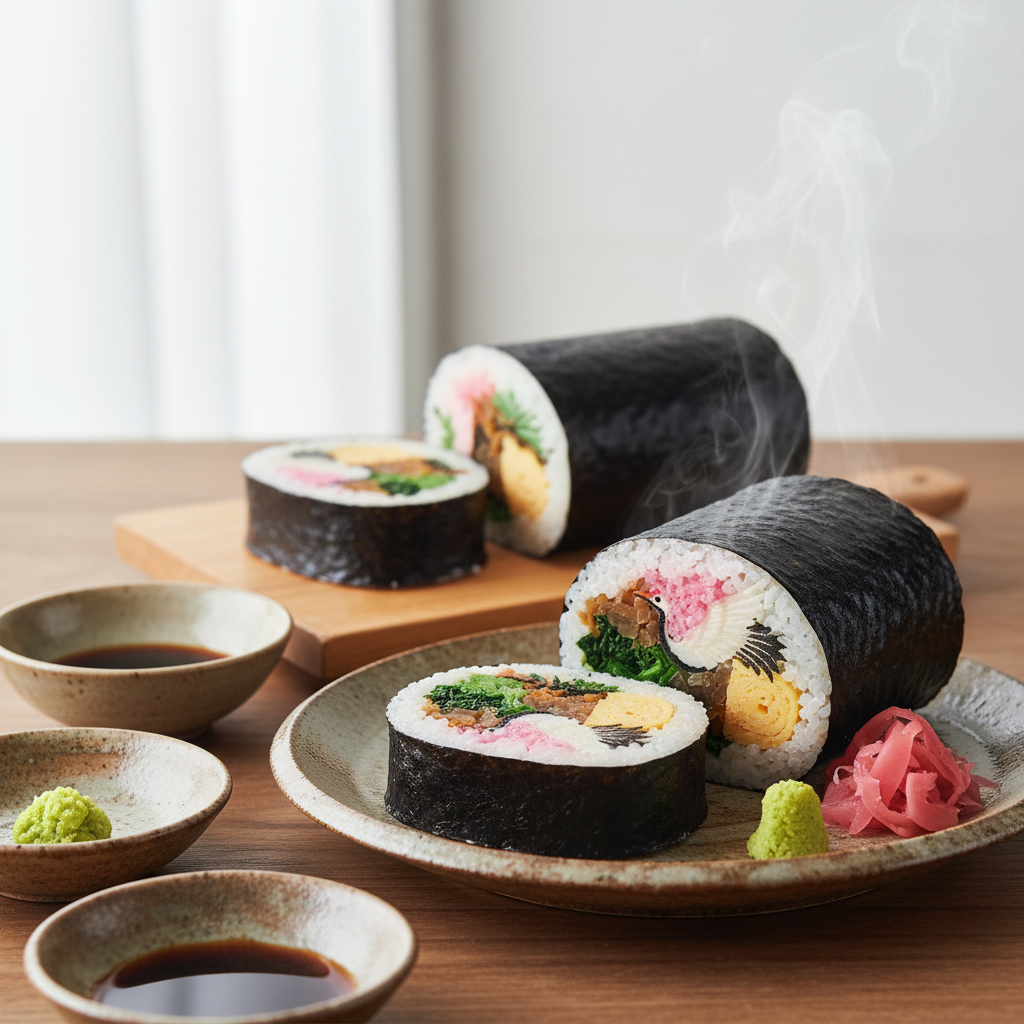
Futomaki sushi (Boso rolls): Vibrant, elaborate rolled sushi made for celebrations.
Haba zōni: Mackerel-based soup, a New Year’s dish of the Kujūkuri region.
Iwashi no goma-zuke: Fresh sardines pickled in vinegar and sesame, a preserved food.
Rakkasei okowa: Peanut rice cooked with other ingredients, symbolic of Chiba’s peanut culture like rakkasei miso.
These local dishes are treasures of Chiba’s food culture nurtured by its rich nature and history, forming important elements of regional identity.
Conclusion
Rakkasei miso is a local dish born from Chiba’s abundant peanut production, with high nutritional value and excellent preservation properties. Within the history of peanut cultivation continuing since the Meiji era, it emerged as farmers’ wisdom and has been passed down across generations.
Despite its simple combination of fragrant roasted peanuts, miso, and sugar, it offers deep flavor and diverse enjoyment possibilities. It thrives as a rice accompaniment, alcoholic beverage appetizer, and tea snack, as well as in various arranged recipes for modern dining.
Chiba Prefecture pursues transmission and promotion of rakkasei miso through various means including cooking classes, school lunches, and commercialization, maintaining tradition while creating new developments. Contemporary efforts like social media promotion and use as a tourism resource are also advancing.
Please try making this local dish distinctive to Chiba Prefecture, which produces approximately 80% of Japan’s domestic peanuts. During autumn when fresh peanuts are available, you can enjoy the exceptional deliciousness of rakkasei miso made with fresh peanuts. We hope you experience the richness of Chiba’s food culture through rakkasei miso.