Iwakuni Sushi: A Complete Guide to Yamaguchi Prefecture’s Local Cuisine | History, How to Make It, and Top Restaurants
What is Iwakuni Sushi (Iwakuni-zushi)?
Iwakuni sushi is a traditional local dish passed down in Iwakuni City, Yamaguchi Prefecture, also known by the alternative name “lord’s sushi” (tono-sama-zushi). It is a gorgeous pressed sushi that represents a cultural heritage conveying the history of Iwakuni, which flourished as a castle town, and is cherished as an indispensable dish for local celebrations and special events.
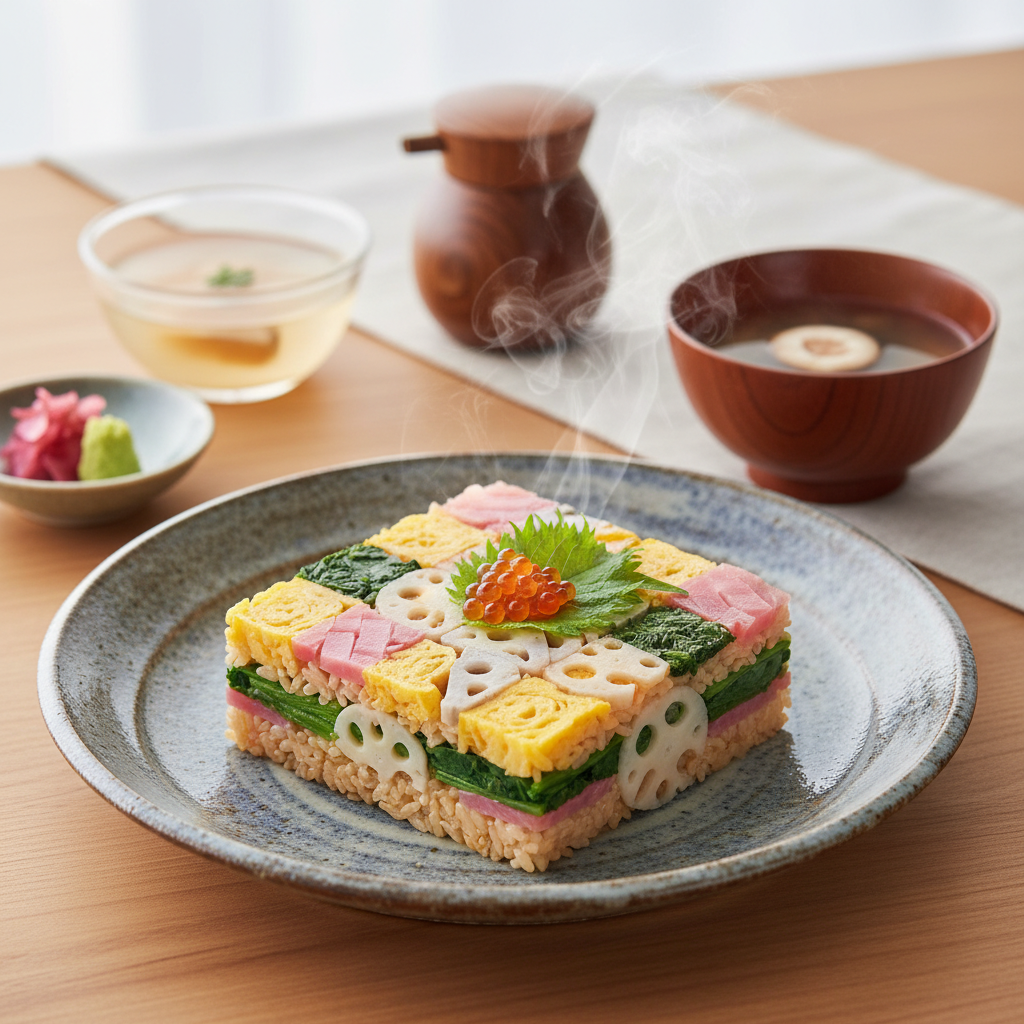
Its characteristic features are its neatly squared shape and vibrantly colored ingredients layered upon one another. Its luxurious appearance speaks to its history of being presented to Iwakuni Domain Lord Yoshikawa during the Edo period. Today, it is served not only as home cooking but also at many restaurants throughout Iwakuni City, making it a representative local dish of Yamaguchi Prefecture that is popular with tourists.
History, Origins, and Related Events
Background of Its Birth in the Edo Period
The history of Iwakuni sushi traces back to around 1608, when Iwakuni Castle was constructed in the early Edo period. It is said to have been devised by a chef who served the first Iwakuni Domain Lord, Yoshikawa Hirotoshi, and was initially created as a tribute to the domain lord.
Because Iwakuni Castle was built as a mountain fortress at approximately 200 meters elevation on Castle Mountain, a type of cuisine suitable for transportation to the castle and preservation was required. Iwakuni sushi had high preservation qualities from being pressed firmly and could be made in large quantities at once, making it valuable as both military provisions and preserved food.
The Origin of the Name “Lord’s Sushi”
From the tradition that it was presented to the Iwakuni domain lord who was greatly pleased by it, it came to be called “lord’s sushi” among the common people. Throughout the Edo period, Iwakuni sushi was positioned as a luxury dish of the domain lord and samurai classes, and it was not until the Meiji period that commoners could taste it.
Its Position in Modern Times
After the Meiji Restoration, Iwakuni sushi gradually spread among the common people and became established as a local dish made for celebrations, auspicious occasions, and community events. Today, it is not only made in homes but is also served at restaurants and souvenir shops in Iwakuni City, continuing to be passed down as a dish symbolizing the region’s food culture.
Main Areas of Transmission
Iwakuni sushi is transmitted primarily in Iwakuni City, located in the eastern part of Yamaguchi Prefecture. Iwakuni City has a history of flourishing as a castle town of the Yoshikawa Domain with 60,000 koku, and beautiful historic structures such as the Kintai Bridge and Iwakuni Castle remain.
In particular, in the Yokoyama and Imaizu districts, which were part of the former castle town area, Iwakuni sushi has been made since ancient times. Today, it is made throughout Iwakuni City as well as in nearby Waki Town, and is recognized as a representative local dish of eastern Yamaguchi Prefecture.
Characteristics of Iwakuni Sushi
Neatly Squared Shape
The greatest characteristic of Iwakuni sushi is its beautifully squared shape. While typical pressed sushi is rectangular, Iwakuni sushi is nearly square in form, and the cross-section when cut is also beautifully finished. This shape originates from the traditional manufacturing method using large wooden frames (sushi frames) to make large quantities at once.
Ingredients Layered Many Times Over
Iwakuni sushi is made by layering vinegared rice and ingredients alternately many times. In traditional manufacturing methods, sometimes as much as 10 sho (approximately 18 liters) of vinegared rice was used at once, layered in three to five layers. This layered structure allows one to enjoy different combinations of ingredients with each bite, creating variation in taste.
Traditional Method of Pressing by Hand
In large-scale historical Iwakuni sushi-making, a unique method was used in which craftsmen wearing tabi (Japanese socks) would stand on a pressing lid placed on top of sushi packed in large wooden frames, using their body weight to press it firmly. This method resulted in Iwakuni sushi that was firmly pressed, resistant to losing shape, and had improved preservation. In contemporary homes and restaurants, the method of using weights is standard, but this traditional method is still recreated at certain cultural events.
Vibrantly Colored Ingredients
The spectacular appearance of Iwakuni sushi is brought about by its variously colored ingredients. White vinegared rice, yellow egg ribbons (kinshi-tamago), pink imitation crab (denbu), green lettuce (chisha) and leafy greens, brown shiitake mushrooms, white lotus root, and other ingredients of various colors layer upon one another, creating a beautiful pattern in cross-section.
Main Ingredients Used
Iwakuni Lotus Root
An indispensable ingredient in Iwakuni sushi is Iwakuni lotus root, a local specialty. Iwakuni lotus root has more holes than typical lotus root (approximately 9 holes compared to the usual 7-8) and is characterized by greater stickiness. When used as a vinegared pickle, it provides a crispy texture and refreshing flavor that tightens the overall sushi.
Anago (Conger Eel)
Located on the Seto Inland Sea, Iwakuni has easy access to fresh conger eel, which is used as a primary ingredient in Iwakuni sushi. Sweetly-seasoned simmered conger eel pairs excellently with vinegared rice, adding depth of flavor to the sushi. Depending on the region or household, other fish such as mackerel or Spanish mackerel may be used instead.
Egg Ribbons and Imitation Crab
Egg ribbons (kinshi-tamago) and imitation crab (sakura-denbu) are indispensable ingredients for creating a gorgeous appearance in Iwakuni sushi. The bright yellow and pink colors enhance the visual beauty. Egg ribbons are made by thinly slicing a thin omelet and are characterized by a fluffy texture.
Chisha (Lettuce) and Leafy Greens
It is traditional to line the bottom of Iwakuni sushi with chisha (a type of lettuce) or leafy greens. This serves not only to enhance visual appeal but also the practical role of preventing the sushi from sticking to the container. The green color balances the overall color scheme and adds a fresh flavor.
Other Ingredients
Sweetly simmered shiitake mushrooms, pickled red ginger, nori seaweed, gourd strips (kanpyo), snow peas, and other ingredients are used depending on the region and household. The combination of these ingredients creates each household’s unique flavor, forming the diversity of Iwakuni sushi.
How to Make It
Ingredients (Serves 4)
Vinegared Rice:
- Rice: 3 cups
- Sushi vinegar (rice vinegar: 4 tablespoons, sugar: 2 tablespoons, salt: 1 teaspoon)
Ingredients:
- Conger eel (or grilled mackerel): 150g
- Iwakuni lotus root: 100g
- Shiitake mushrooms: 4 pieces
- Eggs: 3
- Imitation crab: 30g
- Chisha or lettuce: 4-5 leaves
- Snow peas: 10 pieces
- Pickled red ginger: as needed
- White sesame seeds: 1 tablespoon
Seasonings:
- For shiitake simmering liquid (soy sauce: 2 tablespoons, sugar: 1 tablespoon, mirin: 1 tablespoon, dashi stock: 100ml)
- For lotus root vinegar pickle (vinegar: 2 tablespoons, sugar: 1 tablespoon)
- For conger eel glaze (soy sauce: 2 tablespoons, mirin: 2 tablespoons, sugar: 1 tablespoon)
Preparation
- Make vinegared rice: Cook rice, then pour sushi vinegar over it while hot, mix with cutting motions, and allow to cool.
- Prepare lotus root vinegar pickle: Slice lotus root thinly and boil, then soak in a mixture of vinegar and sugar for at least 30 minutes.
- Make shiitake glaze: Slice shiitake mushrooms thinly and simmer in the seasoning mixture. Reduce until the liquid is gone.
- Prepare conger eel: Clean and bone the conger eel, then glaze-broil it in the sauce. Once cooled, cut into bite-sized pieces.
- Make egg ribbons: Beat eggs and make a thin omelet, then slice thinly to create ribbons.
- Prepare snow peas: Salt-boil the snow peas and slice diagonally.
Assembly Method
- Prepare the mold: Prepare a square mold, cake pan, modified milk carton, lunch box, or similar. Lining the inside with plastic wrap makes removal easier.
- First layer: Line the bottom of the mold with chisha or lettuce.
- Second layer: Spread 1/3 of the vinegared rice evenly and sprinkle white sesame seeds.
- Third layer: Arrange conger eel, shiitake mushrooms, and lotus root evenly.
- Fourth layer: Layer another 1/3 of the vinegared rice and press lightly.
- Fifth layer: Scatter egg ribbons and imitation crab.
- Sixth layer: Layer the remaining vinegared rice and flatten the surface.
- Press firmly: Place a pressing lid or flat plate on top and press down with weights (2-3 kg) for at least 30 minutes.
- Finish: Remove from the mold and decorate with snow peas, pickled red ginger, remaining lotus root, and other garnishes.
- Cut into portions: Wet a sharp knife frequently and cut into square pieces.
Tips for Making at Home
- No mold available: You can open a milk carton to make a square mold or use a square cake pan as a substitute.
- Importance of pressing: Pressing firmly prevents the shape from collapsing and makes it easier to cut.
- Ingredient placement: Arranging ingredients evenly in each layer ensures a beautiful cross-section no matter where you cut.
- Vinegared rice seasoning: Slightly sweet vinegared rice is traditional, but you can adjust to your preference.
Occasions and Times When It Is Eaten
Iwakuni sushi is made throughout the year on various occasions. It is particularly eaten in the following situations.
Celebrations and Life Events
At auspicious occasions such as weddings, sixtieth birthday celebrations, and housewarming parties, Iwakuni sushi is served as an essential dish. Its gorgeous appearance and luxury are considered fitting for celebratory gatherings. It is also sometimes prepared as a dish to welcome guests at family gatherings such as memorial services.
Community Events and Festivals
At community events and festivals in Iwakuni City, Iwakuni sushi is sold or served. Especially at tourism events held around the Kintai Bridge, demonstration sales of Iwakuni sushi sometimes take place.
Family Gatherings
The custom of making Iwakuni sushi at home persists today during occasions when families gather, such as New Year’s, Obon, and Equinox days. Because it can be made in large quantities at once, it is ideal as a dish when relatives gather.
Tourism and Daily Life
Today, an increasing number of restaurants serve it year-round for tourists visiting Iwakuni City. It is also sold at local supermarkets and prepared food shops, becoming a local dish that can be enjoyed daily.
How to Eat
Iwakuni sushi is delicious eaten plain, but there are several ways to enjoy it.
Basic Way of Eating
The traditional way is to hold the cut square pieces of Iwakuni sushi in your hand and eat them as is. Because it is firmly pressed, it is easy to eat without losing its shape. Cutting it into bite-sized pieces allows you to taste various ingredients at once.
With Condiments
Eating it with sweet vinegared ginger or pickled red ginger refreshes the palate and enhances the flavor of the sushi. Some people dip it lightly in soy sauce, but since the vinegared rice and ingredients are already seasoned, eating it plain is recommended.
Paired with Tea
It is traditional to eat Iwakuni sushi with warm green tea or common tea. The astringency of the tea harmonizes with the sweetness of the sushi, balancing the entire meal.
As a Bento
Because of its high preservation quality, it can be transported as a bento box. Many families bring it to picnics, cherry blossom viewing, athletic events, and other occasions, and Iwakuni sushi eaten outdoors has a special appeal.
Popular Restaurants in Iwakuni City Where You Can Enjoy Iwakuni Sushi
Hangetsu-an
Known as an established traditional shop for Iwakuni sushi, Hangetsu-an serves Iwakuni sushi made with strict adherence to traditional methods. Visitors can learn about the history and preparation methods of Iwakuni sushi at the shop and it is popular with tourists. Takeout is available and it is ideal as a souvenir.
Midori no Sato
At the Japanese restaurant “Midori no Sato,” where you can enjoy Iwakuni local cuisine, an Iwakuni sushi set is a popular menu item. The set, which includes Iwakuni sushi as well as “taihira” (ohira), another local dish, allows you to experience Iwakuni’s food culture at once. The exquisite balance of light acidity and sweetness in the Iwakuni sushi receives high praise from many customers.
Restaurants Near Kintai Bridge
Around Kintai Bridge, Iwakuni City’s symbol, several restaurants serve Iwakuni sushi. They are easy to visit while sightseeing, allowing you to enjoy Iwakuni’s flavors with beautiful scenery. Since ingredients and seasoning differ by establishment, comparing different versions is part of the enjoyment.
Roadside Stations and Souvenir Shops
At roadside stations and souvenir shops throughout Iwakuni City, you can purchase Iwakuni sushi. It is sold in vacuum-sealed and refrigerated packages, making it possible to take it home and enjoy it. You can experience authentic flavors using local ingredients conveniently.
Efforts for Preservation and Transmission
Local Preservation Association Activities
In Iwakuni City, active efforts are made to pass local cuisine on to the next generation. Led by local women’s associations and food life improvement promotion staff, classes and demonstration events on how to make Iwakuni sushi are held regularly.
Educational Initiatives in Schools
In elementary and middle schools throughout Iwakuni City, opportunities to experience making Iwakuni sushi are provided as part of lessons on regional food culture. By actually making Iwakuni sushi, children deepen their attachment to their hometown and develop an awareness of carrying on tradition.
Product Development and Modern Adaptations
While preserving tradition, product development suited to modern needs is also progressing. Single-serving portions of Iwakuni sushi and Western-style variations with different ingredients are being created. This makes the appeal of Iwakuni sushi more easily conveyed to younger generations.
Information Sharing via Social Media
Iwakuni City and local restaurants use social media to share the appeal of Iwakuni sushi. On Instagram and Facebook, beautiful photos of Iwakuni sushi and instructional videos are posted, receiving attention from within and outside Japan. Searching the hashtag “#iwakuni-zushi” reveals many posts.
Utilization as a Tourism Resource
Iwakuni City positions Iwakuni sushi as an important tourism resource and utilizes it in tourism promotion. Tours and events allowing visitors to enjoy Iwakuni sushi alongside historic tourist sites such as Kintai Bridge and Iwakuni Castle are organized, contributing to regional economic vitalization.
Registration in the Ministry of Agriculture, Forestry and Fisheries’ “Our Local Cuisine”
Iwakuni sushi is registered in the “Our Local Cuisine” database operated by the Ministry of Agriculture, Forestry and Fisheries, officially recognized as a nationally known local dish. Through such official recognition, the value of Iwakuni sushi has become widely known.
Relationship Between Iwakuni Sushi and Other Local Dishes
Its Position Within Yamaguchi Prefecture’s Food Culture
Yamaguchi Prefecture has diverse local dishes including fugu cuisine, waresoba noodles, and uiro (a type of cake). Among these, Iwakuni sushi plays an important role in representing eastern Yamaguchi Prefecture and forming the region’s identity.
Pairing with Taihira (Ohira)
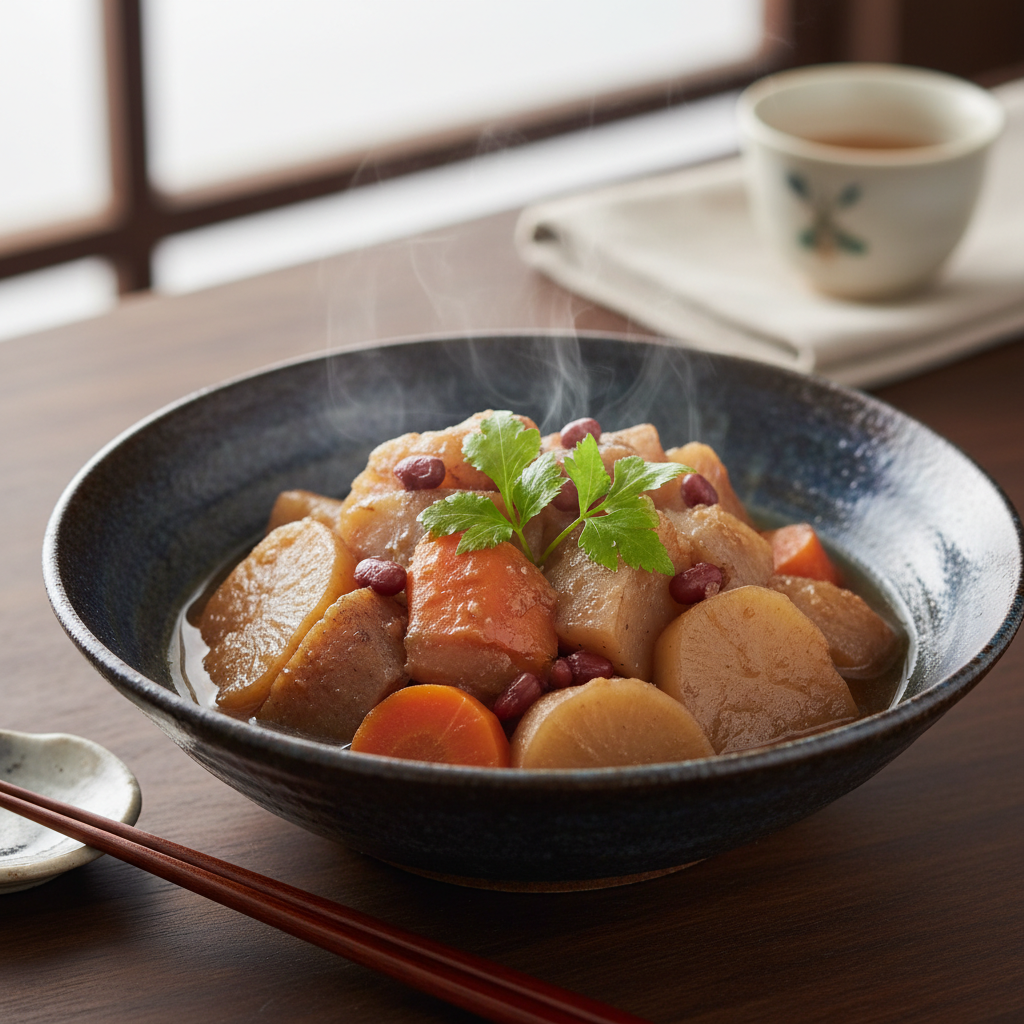
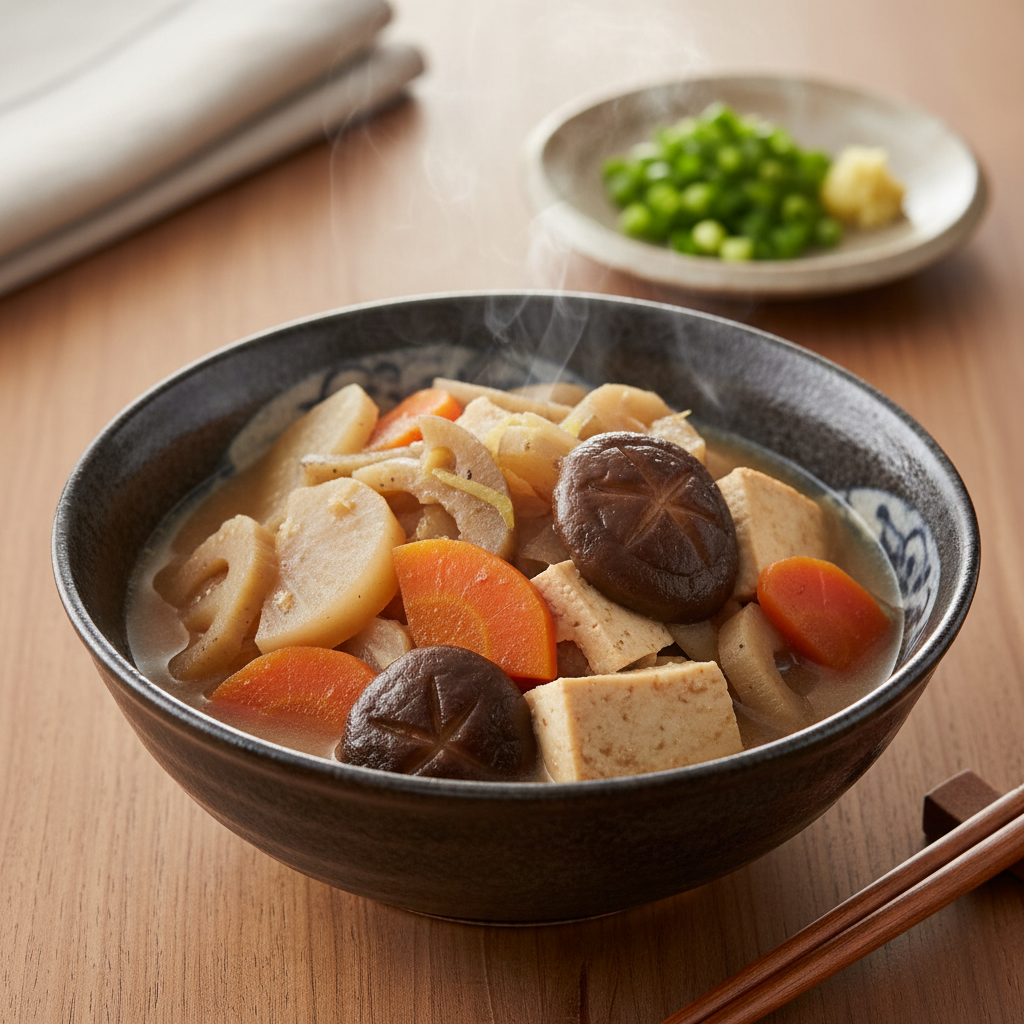
In the Iwakuni region, Iwakuni sushi is often served together with a simmered dish called “taihira” (ohira). Taihira is a simple-flavored simmered dish of lotus root, taro, konjac, and carrots that balances the gorgeous nature of Iwakuni sushi.
Comparison with Pressed Sushi From Around Japan
Various pressed sushi exist throughout Japan. Compared to Osaka’s box sushi, Toyama’s trout sushi, and Kyoto’s mackerel sushi, Iwakuni sushi is distinctive in its diversity of ingredients, layered structure, and square shape. The strong emphasis on its aspect as preserved food is also a feature distinguishing it from other pressed sushi.
Conclusion
Iwakuni sushi is a traditional local dish of which Iwakuni City in Yamaguchi Prefecture is proud, transmitting a rich history and culture continuing from the Edo period to the present. As its alternate name “lord’s sushi” suggests, it was once a luxury dish presented to domain lords, but today it is loved by local residents and has become a popular dish among tourists.
Its neatly squared shape, vibrantly colored ingredients layered many times, and flavors using local ingredients such as Iwakuni lotus root are unique charms of Iwakuni sushi. It is enjoyed at various occasions including celebrations, family gatherings, and tourism, becoming an icon of Iwakuni’s food culture.
It can be made relatively easily at home, and by using a milk carton or cake pan as a substitute, you can enjoy authentic Iwakuni sushi even without special equipment. When visiting Iwakuni City, be sure to taste Iwakuni sushi at a local restaurant and contemplate its history and tradition.
Through various efforts including preservation association activities, school education, and information sharing via social media, the tradition of Iwakuni sushi is surely being passed on to the next generation. This beautiful and delicious local dish will surely continue to be loved by many people in the future.