Iga Manjuu Complete Guide | History, How to Make, and Where to Buy This Local Specialty from Northern Saitama Prefecture
What is Iga Manjuu?
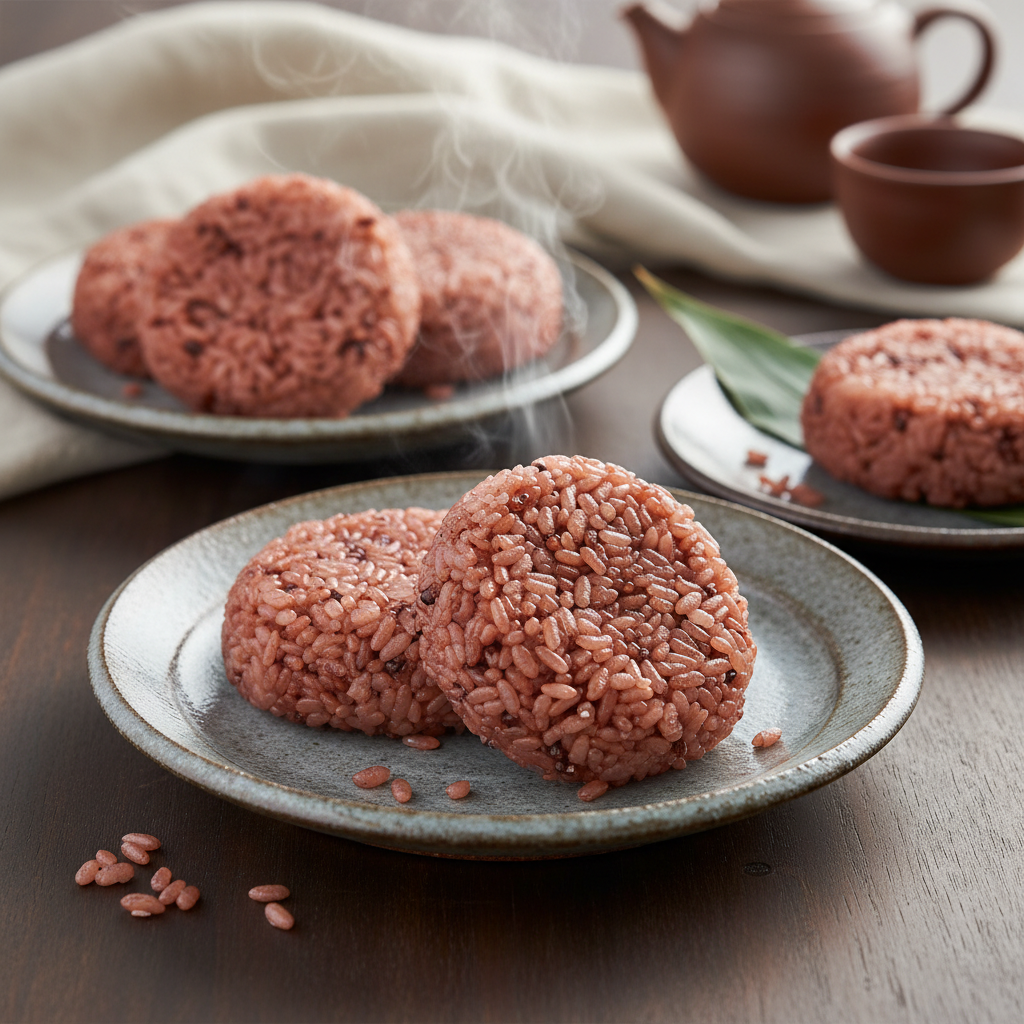
Iga manjuu is a traditional local dish and type of Japanese confection that has been passed down for generations in the grain-producing region of northern Saitama Prefecture. Its most distinctive feature is its unique appearance—a sweet bean paste-filled bun covered with red rice. The name “iga manjuu” comes from the bumpy surface of the red rice, which resembles the spiky exterior of a chestnut burr (iga).
It has been selected for the Ministry of Agriculture, Forestry and Fisheries’ “100 Selected Japanese Regional Dishes,” and is widely recognized as a representative local confection of Saitama Prefecture. As an auspicious food essential for summer festivals and celebratory occasions, it has been passed down through generations in families throughout the region.
Origin and Regions Where Iga Manjuu Is Traditionally Made
Birthplace: Kounosu City (Former Kawasato Town)
The birthplace of iga manjuu is believed to be present-day Kounosu City (former Kawasato Town). This region, located in northeastern Saitama Prefecture, is known as a grain-producing area that takes advantage of the fertile soil of the Tone River basin, where rice cultivation has been combined with wheat farming as a secondary crop.
Main Regions Where It Is Made
Iga manjuu is made and enjoyed primarily in northeastern Saitama Prefecture in the following areas:
- Hanyu City: Actively promotes itself as “the town of hometown flavor ‘iga manjuu'”
- Kazo City: Japanese confectionery shops continue manufacturing and selling the product
- Kounosu City: Continues to preserve the tradition as the birthplace
- Gyoda City: Shares the food culture as a neighboring region
In these areas, many Japanese confectionery shops and manufacturers continue to make iga manjuu, where it remains rooted in the local food culture.
History and Origins of Iga Manjuu
A Local Dish Nurtured by Wheat Culture
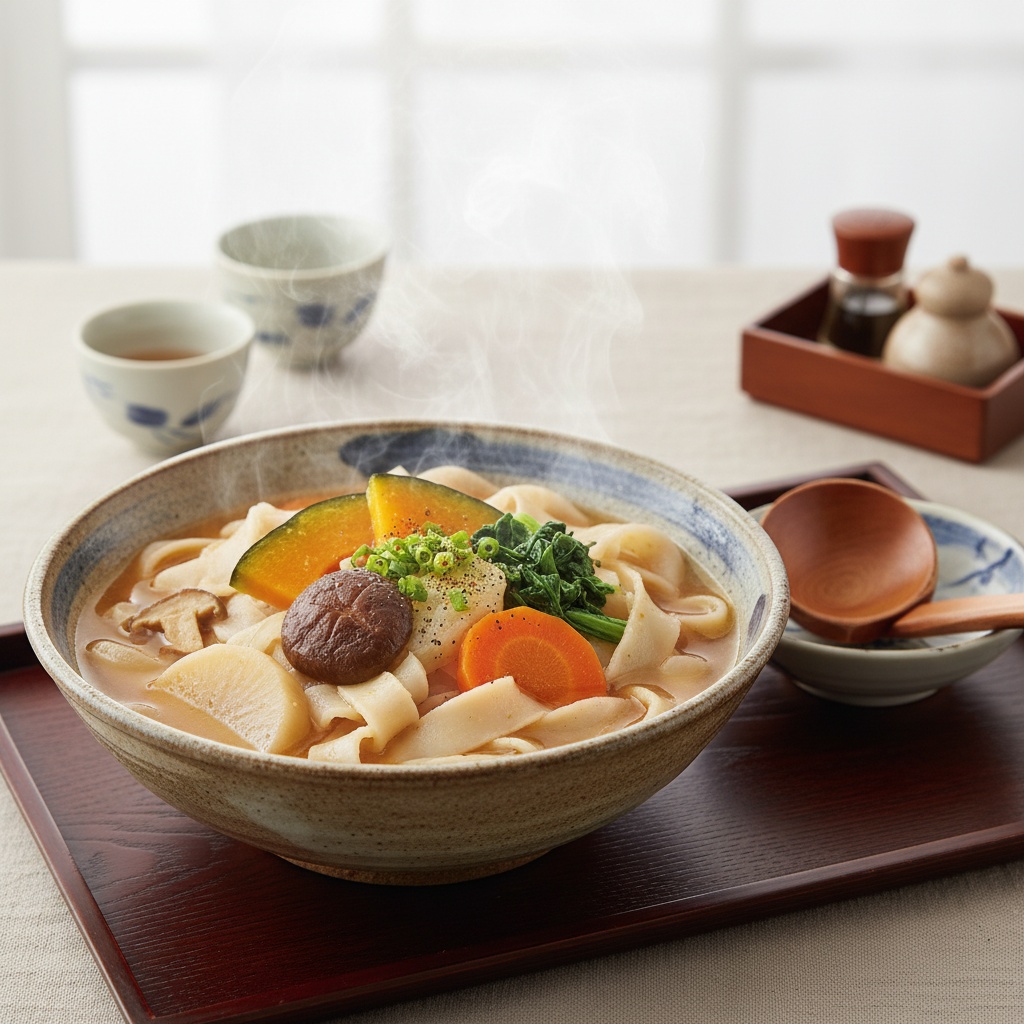
In the agricultural villages of northeastern Saitama Prefecture, many farmers have a history of growing wheat as a secondary crop. In this region, the saying “manjuu in the morning, udon at noon” emerged, reflecting how wheat-based dishes were eaten daily. Udon, manjuu, and suisuton (a wheat flour soup) were central to the region’s food culture.
Wisdom from an Era When Sticky Rice Was Expensive
The origins of iga manjuu reflect the practical wisdom of rural life. While there was a custom of cooking red rice for celebrations and special occasions, sticky rice was expensive and difficult to obtain in large quantities in earlier times. Thus, the idea was born to place a manjuu inside red rice to create a more substantial dish.
This approach made it possible to create an impressive and satisfying meal with less sticky rice. Moreover, because one could enjoy two delicacies—red rice and manjuu—simultaneously, it became cherished as an auspicious food.
Named After Its Resemblance to a Chestnut Burr
The name “iga manjuu” comes from the appearance of the bun covered with red rice, which resembles the spiky burr (iga) of a chestnut. This unique name reflects the connection to nature that is characteristic of rural regions.
Occasions and Seasons for Eating Iga Manjuu
A Special Food for Festive Occasions
Iga manjuu was not eaten on ordinary days but was a special food for festive occasions. It was primarily enjoyed on the following occasions:
- Summer festivals: Homemade during local festival celebrations
- After transplanting rice: As a reward when farm work reached a milestone
- Celebrations: For weddings, births, housewarming ceremonies, and other auspicious events
- Obon (the festival for welcoming ancestors): As an offering when welcoming ancestral spirits
- Farm work breaks: For energy replenishment during heavy labor
A Summer Icon
The tradition of making iga manjuu during summer festival season remains particularly strong in households. There is also a custom of distributing freshly steamed iga manjuu to relatives and neighbors, and it has functioned as a tool for community communication.
Characteristics and Appeal of Iga Manjuu
Unique Texture and Flavor
The greatest appeal of iga manjuu lies in the distinctive taste created by three elements: the chewy texture of red rice, the moist bun dough, and the sweet red bean paste. All three come together in perfect harmony.
The slight saltiness of the red rice perfectly matches the sweetness of the bean paste, creating a satisfying and filling treat. When eaten warm, the aroma of the red rice and the softness of the bun shine through, creating an exceptional delicacy.
Visual Appeal and Elegance
The red color of the red rice is considered auspicious and appropriate for celebrations. Its unique appearance, resembling a chestnut burr, makes a striking impression when displayed on a table and is always well-received when entertaining guests.
Nutritional Balance
Made from a combination of sticky rice, wheat flour, and red beans, it provides a balanced intake of carbohydrates and protein. For farming families who used their bodies in agricultural work, it served as an efficient source of energy.
How to Make Iga Manjuu
Ingredients (Makes 10)
Bun dough
- Cake flour: 200g
- Baking powder: 1 teaspoon
- Sugar: 2 tablespoons
- Water: approximately 100ml
Red bean paste
- Red beans: 200g (or 400g store-bought smooth or chunky paste)
- Sugar: 150g
- Salt: a pinch
Red rice
- Sticky rice: 2 cups
- Azuki beans or cowpeas: 50g
- Salt: a pinch
Step-by-Step Instructions
1. Prepare the Red Bean Paste
If using store-bought paste, divide it into 10 portions (about 40g per bun) and roll into balls. If making from scratch, cook the red beans until soft, then mix in sugar and salt to create a paste.
2. Make the Bun Dough
- In a bowl, combine cake flour, baking powder, and sugar, and mix well
- Gradually add water while kneading until the dough reaches the consistency of an earlobe
- Divide the dough into 10 equal pieces and roll them into balls
3. Shape the Buns
- Flatten the dough in the palm of your hand and place the bean paste in the center
- Gather the edges of the dough and wrap it around the paste, sealing it firmly
- Turn the seam side down and shape into a smooth ball
4. Cook the Red Rice
- Rinse sticky rice and soak in water for 2 hours or more
- Cook the beans until soft and set aside the cooking liquid
- Drain the sticky rice, add the beans and cooking liquid, and steam in a steamer for about 40 minutes
- When done, season with salt to taste
5. Steam the Buns
- Line a steamer with parchment paper and arrange the buns
- Steam over high heat for about 15 minutes
- Remove immediately when done
6. Coat with Red Rice
- Prepare the buns while they are still hot from steaming
- Spread red rice on a tray and roll the buns in it, coating all sides
- Press gently to make the red rice stick
- Once completely coated with red rice, it is ready to serve
Tips for Success
- Coat with red rice while the bun is still hot: The red rice won’t stick properly if the bun has cooled
- Cook the red rice slightly firm: If too soft, it will become sticky and the shape may collapse
- Seal the paste carefully: Ensure the seam is well-sealed so the paste doesn’t leak during steaming
- Follow the steaming time: Steaming too long will make the dough tough
How to Eat and Store
Recommended Way to Eat
The best way to enjoy iga manjuu is to eat it while it is warm. Freshly steamed iga manjuu has fluffy red rice and soft bun dough with a rich aroma.
If it has cooled, warm it in a microwave for 20-30 seconds or steam it again to restore its freshness.
Storage Methods
- Same day: Can be stored at room temperature (wrap in plastic wrap to prevent drying)
- Within 2-3 days: Store in refrigerator (warm before eating)
- Long-term storage: Can be frozen (wrap each individually and place in a freezer storage bag)
Frozen ones should be thawed naturally and steamed again, or reheated in a microwave before eating.
Where to Buy Iga Manjuu
Shops in Hanyu City
In Hanyu City, several Japanese confectionery shops sell iga manjuu. Established local shops continue to manufacture them while preserving traditional methods.
Shops in Kazo City and Kounosu City
Japanese confectionery shops in Kazo and Kounosu also sell them as a local specialty. Each shop has its own style regarding the sweetness of the paste and how the red rice is cooked, making it fun to compare different versions.
Sales at Events
Period-limited sales often occur at local festivals, events, and roadside stations. Especially during summer festival season, many shops manufacture and sell them specially.
Online Purchasing
Some manufacturers offer online ordering and shipping. Since they are shipped frozen, they can be purchased from outside Saitama Prefecture as well.
Preservation and Inheritance Efforts
Community-Wide Initiatives for Preservation
Hanyu City promotes iga manjuu as a “hometown flavor” and is working to pass it on to future generations as a regional food culture through city-wide PR activities. It introduces the dish on the city’s website and in tourism pamphlets.
Provision in School Lunches
Local elementary and middle schools sometimes serve iga manjuu in school lunches as part of food education that teaches students about regional cuisine. This provides a valuable opportunity for children to experience their local food culture.
Recipe Publication by JA Groups
Agricultural organizations such as the JA Hokusai Women’s Division publish recipes that can be made at home and work to preserve traditional manufacturing methods. Cooking classes and demonstration events are also held.
Commercialization and Modern Initiatives
While preserving tradition, product development that meets modern needs is underway:
- Individual packaging: Packaging that considers hygiene and convenience
- Frozen products: Development of frozen versions that allow long-term storage
- Gift products: Packaging designed as Saitama Prefecture souvenirs
- SNS information sharing: Raising awareness among younger generations
Use as a Tourism Resource
Saitama Prefecture is promoting iga manjuu and other local cuisine as tourism resources. Experience programs for tourists and food walking maps are being created.
Cultural Value of Iga Manjuu
Symbol of Local Community
Iga manjuu holds meaning beyond being merely food. The tradition of making iga manjuu at home and distributing it to relatives and neighbors has served to deepen community communication.
Continuation of Rural Culture
The wheat culture and sticky rice culture nurtured by farming families in the grain-producing region, along with food habits connected to agricultural work, continue to be passed down to modern times through iga manjuu.
Bonds Across Generations
The method of making iga manjuu, passed from grandmother to mother to daughter, deepens family bonds. The time spent making it together serves not only to transmit techniques but also to create family memories.
Comparison with Similar Dishes from Other Regions
Red Rice Dishes Throughout Japan
While red rice is eaten as an auspicious food throughout Japan, dishes combining it with manjuu are rare, highlighting the uniqueness of northern Saitama Prefecture.
Fusion with Manjuu Culture
While various manjuu are made in regions with developed wheat flour culture, the idea of coating with red rice is a unique creative innovation of this area.
Tips for Enjoying Iga Manjuu
For First-Time Tasters
You may be surprised by its appearance, but the combination of the slight saltiness of the red rice and the sweetness of the bean paste creates a gentle, harmonious flavor. The taste is best appreciated when eaten warm.
As a Gift
It is ideal as a souvenir when visiting northern Saitama Prefecture. Giving it along with stories about the region’s history and culture makes it an even more meaningful gift.
The Joy of Making It at Home
While time-consuming, making it as a family creates special memories. The activity of coating with red rice together with children becomes an enjoyable food education experience.
Summary
Iga manjuu is a unique local dish nurtured by the grain-producing region of northeastern Saitama Prefecture. The creative idea of wrapping a bun with red rice was born from the wisdom of farmers during an era when sticky rice was expensive.
As the saying “manjuu in the morning, udon at noon” indicates, it has been cherished as a food culture unique to a region where wheat culture took root, serving as an essential auspicious food for summer festivals and celebrations.
Today, it continues to be manufactured and sold by many Japanese confectionery shops centered in Hanyu City, Kazo City, and Kounosu City, with community-wide efforts to preserve the tradition. The custom is being passed on to future generations through modern methods such as school lunch provision, recipe publication, and product commercialization.
The distinctive taste of chewy red rice in harmony with sweet bean paste is a flavor that, once experienced, is never forgotten. When visiting Saitama Prefecture, be sure to try this regional specialty unique to the area.