
Complete Guide to Echizen Oroshi Soba | The History, How to Eat, and Restaurant Information of Fukui Prefecture’s Representative Local Cuisine
When you visit Fukui Prefecture, there is one local dish you must eat: “Echizen Oroshi Soba.” This soba noodle dish, generously topped with grated spicy daikon radish, has a simple yet profound flavor and continues to be loved by both locals and tourists. In this article, we will present the full charm of this representative local cuisine of Fukui Prefecture, from its history to how to eat it and recommended restaurants.
What is Echizen Oroshi Soba | Fukui Prefecture’s Traditional Taste
Echizen Oroshi Soba is a local dish that has been cherished since ancient times in the Reihoku region of Fukui Prefecture (an area centered around Fukui City). It is characterized by a style of eating cold soba noodles topped with grated spicy daikon radish and broth, and is also called “Oroshi Soba.”
Basic Components of Echizen Oroshi Soba
Echizen Oroshi Soba is composed of the following elements:
- Soba: Hand-made soba noodles typically made from Fukui Prefecture soba flour
- Grated Daikon Radish: Generously made from spicy daikon radish (such as nezumi daikon)
- Broth: Broth made from bonito flakes or kelp with soy sauce added
- Toppings: Garnished with green onions, bonito flakes, and other seasonings
This simple combination has been loved by Fukui Prefecture residents as soul food for many years.
History of Echizen Oroshi Soba | A Tradition of Over 400 Years
The history of Echizen Oroshi Soba is ancient, tracing back to the early Edo period.
Soba Culture Since the Asakura Clan Era
Fukui Prefecture’s soba culture is said to have begun during the Warring States period under the Asakura clan, which ruled Echizen. The Asakura clan was based in Ichijodani (present-day Fukui City), where soba cultivation was flourishing.
Meeting with Grated Daikon Radish
The combination with “grated daikon radish,” which is characteristic of Echizen Oroshi Soba, is believed to have been established in the early Edo period. Records remain of Fukui domain lord Hondatomi Masatada preferring to eat soba with spicy daikon radish.
In 1601, when Hondatomi Masatada became lord of Echizen Fuchū (present-day Echizen City), he brought soba craftsmen with him, and soba culture further developed. It is said that during this period, the unique style of eating with grated spicy daikon radish spread widely.
From “Echizen Soba” to “Echizen Oroshi Soba”
With the Showa period, soba from Fukui Prefecture became known as “Echizen Soba.” Then, from the 1990s onward, the name “Echizen Oroshi Soba” became common in order to emphasize the style of eating with grated daikon radish.
Today, as Fukui Prefecture’s representative local cuisine, many people from within and outside the prefecture visit Fukui seeking Echizen Oroshi Soba.
Characteristics of Echizen Oroshi Soba | Differences from Other Soba
Echizen Oroshi Soba has unique characteristics not found in soba from other regions.
Use of Spicy Daikon Radish
The greatest characteristic is the use of grated daikon radish from spicy daikon. In Fukui Prefecture, spicy daikon radishes called “nezumi daikon” or “karami daikon” are cultivated, which create a unique spiciness and flavor.
Compared to common green-topped daikon radishes, spicy daikon:
- Has about 10 times the spicy component
- Is smaller with less moisture
- Has more fiber and better texture
This grated spicy daikon radish brings out the flavor of the soba and creates a refreshing aftertaste.
Eaten in a Cold State
The soba is basically served in a cold state. While some restaurants serve warm grated soba, the traditional style is to eat cold soba with cold broth and grated daikon radish.
How the Broth is Applied
In Echizen Oroshi Soba, it is common to pour the broth directly over the soba. Unlike the “zaru soba” style of dipping soba in a separate container of broth, you enjoy the taste where the soba, grated daikon radish, and broth become one.
Thickness and Texture of Soba
Fukui Prefecture soba is characterized by a slightly thicker, country-style soba texture. The soba flour is also ground coarser, giving a stronger soba aroma and flavor. The dark color is also characteristic.
The Correct Way to Eat Echizen Oroshi Soba
Echizen Oroshi Soba has a traditional way of eating that is popular locally.
Basic Way of Eating
- First, by itself: First, take a bite of just the soba without anything on it to enjoy the original flavor of the soba
- Mix with grated daikon radish: Mix the grated daikon radish thoroughly with the soba
- Pour broth: Pour your preferred amount of broth (be careful not to add too much)
- Add toppings: Add toppings such as green onions and bonito flakes to adjust the taste
- Eat by slurping: Slurp the soba while enjoying the spiciness and flavor
About the Amount of Broth
The amount of broth varies by preference, but locals tend to pour relatively little. If too much broth is added, the spiciness of the grated daikon radish becomes diluted, so it is recommended to add gradually while adjusting to your preferred taste.
How to Use Toppings
Green onions are typically finely chopped and added generously. Bonito flakes are used to add flavor, and some people add shichimi togarashi (seven-spice chili pepper) to taste.
The Spicy Daikon Radish Used in Echizen Oroshi Soba
An important element that determines the flavor of Echizen Oroshi Soba is the spicy daikon radish.
What is Nezumi Daikon
The representative spicy daikon radish mainly used in Fukui Prefecture is “nezumi daikon.” True to its name, it is characterized by a grayish color like a mouse and a small shape.
Characteristics of Nezumi Daikon:
- A small daikon radish about 10-15 cm long
- Very strong spicy components
- Low moisture content with an intense flavor
- Mainly cultivated in areas such as Maruoka Town, Sakai City
Cultivation and Harvest of Spicy Daikon Radish
Spicy daikon radish is mainly harvested from fall to winter. Those harvested during colder periods tend to have stronger spiciness. Within Fukui Prefecture, farmers continue to preserve and cultivate traditional local varieties by self-harvesting seeds.
Health Benefits of Spicy Daikon Radish
The spicy daikon radish is said to have the following health benefits:
- Digestive Promotion: Spicy components promote secretion of digestive enzymes
- Antioxidant Effects: Rich in vitamin C and isothiocyanate
- Blood Circulation Promotion: Spicy components improve blood flow
- Antibacterial Properties: Contains natural antibacterial components
Combined with soba, it becomes a nutritionally well-balanced healthy meal.
Famous Echizen Oroshi Soba Restaurants in Fukui Prefecture
There are numerous famous Echizen Oroshi Soba restaurants throughout Fukui Prefecture. Here we introduce particularly well-regarded establishments.
Famous Restaurants in Fukui City
Imagashina Soba
An old-established soba restaurant near Fukui Station. It is characterized by hand-made, thick soba noodles and generous amounts of grated daikon radish. It is popular with both locals and tourists, and lines often form during lunch hours.
Kenzou Soba
A popular restaurant in central Fukui City. You can enjoy soba with strong flour aroma and good chewiness. The spiciness of the grated daikon radish is moderate, making it recommended for those eating Echizen Oroshi Soba for the first time.
Famous Restaurants in Sakai City and Awara City
Yamane
A famous restaurant in Maruoka Town that uses locally-produced nezumi daikon. It has strong spiciness and is popular with soba connoisseurs.
Soba-dokoro Hayashi
A hidden gem restaurant in Awara City. It uses self-ground soba flour and offers hand-made soba noodles daily.
Famous Restaurants in Echizen City and Sabae City
Soba-dokoro Mikichiya
An old-established restaurant in Echizen City with a history of over 100 years of operation. It continues to uphold traditional methods and offers classic tastes.
Imagashina Tsurugi Soba
A famous restaurant in the Imagashina post town that is also popular with tourists. You can also experience soba-making.
Points to Keep in Mind When Visiting Famous Restaurants
- Operating Hours: Many restaurants serve only at lunch, or operate by reservation at night
- Closed Days: Many restaurants are closed on Wednesdays or Thursdays
- Peak Hours: 11:30-13:30 is crowded, so it is recommended to visit at different times
- Closes When Soba Runs Out: At hand-made soba restaurants, the shop closes once soba runs out
Making Echizen Oroshi Soba at Home
Echizen Oroshi Soba can be made relatively easily at home.
Ingredients Needed (Serves 2)
- Soba (dried or fresh noodles): 200g
- Daikon radish: 1/4 of one (preferably spicy daikon radish)
- Broth: 400ml
- Soy sauce: 3 tablespoons
- Mirin: 2 tablespoons
- Green onions: As desired
- Bonito flakes: As desired
How to Make
- Make the broth: Make broth from bonito flakes and kelp, add soy sauce and mirin, and chill
- Grate the daikon radish: Grate the daikon radish and lightly remove excess moisture (not too much)
- Boil the soba: Boil the soba in plenty of water and rinse in cold water
- Plate: Place soba in a bowl and generously top with grated daikon radish
- Pour the broth: Pour the chilled broth in your preferred amount
- Add toppings: Top with green onions and bonito flakes and serve
Tips for Delicious Preparation
- Grate the daikon radish just before eating: The spiciness fades over time, so grate just before serving
- Rinse the soba thoroughly in cold water: Remove sliminess and bring out the chewiness by rinsing well
- Chill the broth: Cold broth suits cold soba well
- Substitute for spicy daikon radish: If unavailable, mixing green-topped daikon with a small amount of prepared wasabi creates a similar flavor
Dishes That Go Well with Echizen Oroshi Soba
We introduce Fukui Prefecture local dishes to enjoy together with Echizen Oroshi Soba.
Sauce Katsu Don
Another famous Fukui Prefecture dish is Sauce Katsu Don. This rice bowl topped with thin-breaded pork cutlet and Worcester sauce-based sauce pairs exceptionally well with the light Echizen Oroshi Soba. Many soba restaurants offer a set menu combining Oroshi Soba and Sauce Katsu Don.
Small Sea Bream Bamboo Pickle
Small sea bream caught in Wakasa Bay that is pickled in vinegar and wrapped in bamboo leaf. The refreshing taste is perfect as a palate cleanser with Oroshi Soba.
Grilled Mackerel Sushi
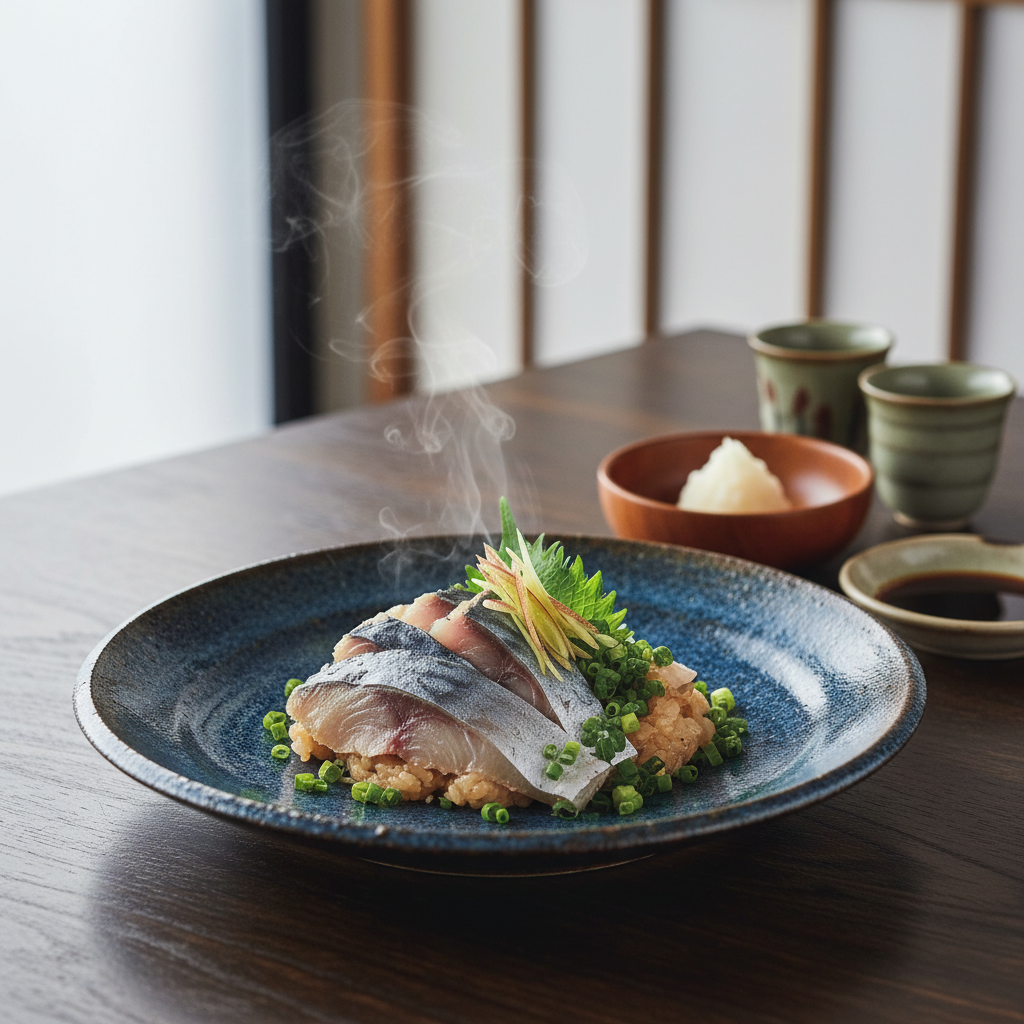
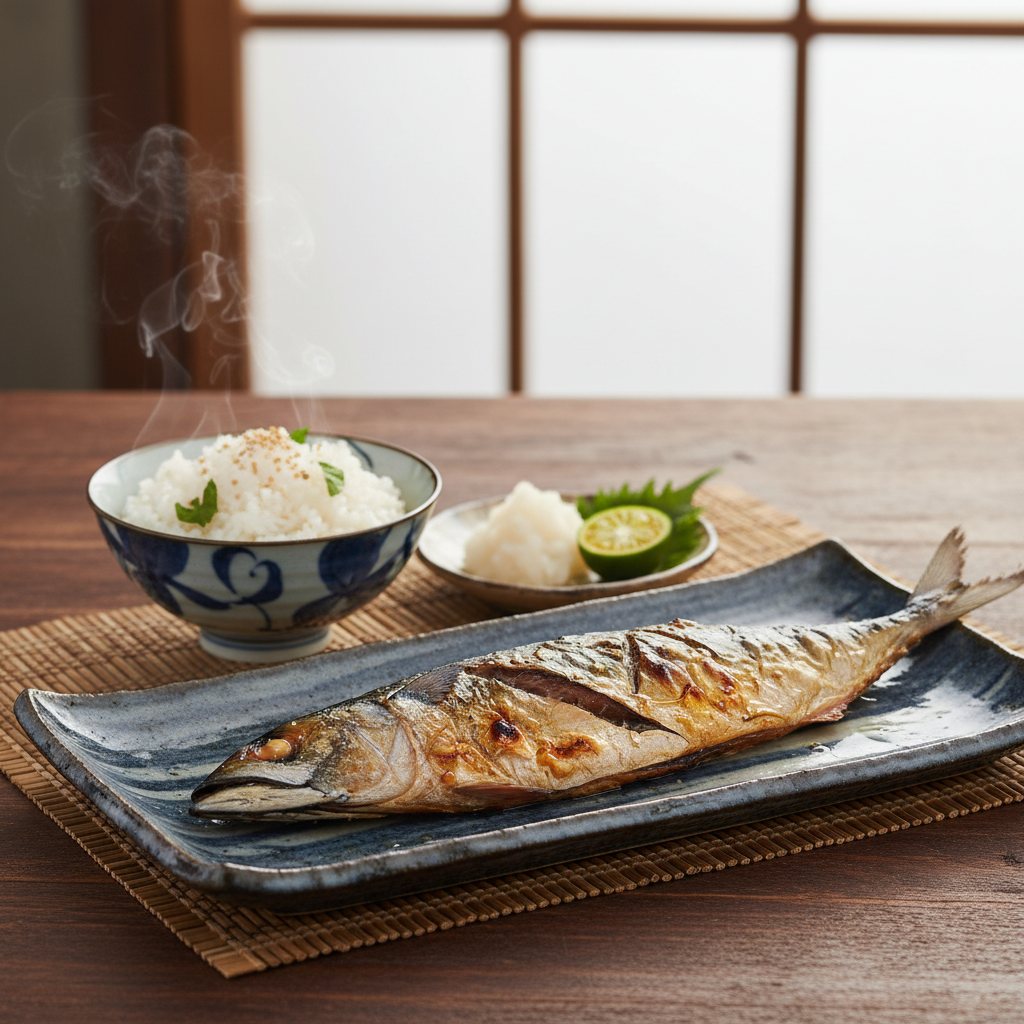
Fukui Prefecture is also famous as a source of mackerel, and grilled mackerel sushi is widely enjoyed throughout the prefecture. The combination of fatty mackerel and vinegared rice pairs well with soba.
Fried Tofu
Fukui Prefecture ranks at the top nationally in fried tofu consumption. Eating thick-fried or thin-fried tofu grilled as an accompaniment to soba is also the local way.
Echizen Oroshi Soba Events and Experiences
Various events and experience programs related to Echizen Oroshi Soba are held throughout Fukui Prefecture.
Echizen Soba Festival
Held every autumn in Fukui City, the “Echizen Soba Festival” brings together famous restaurants from throughout the prefecture, where you can taste various styles of Echizen Oroshi Soba. Soba-making demonstrations and experience booths are also popular with families.
Soba-Making Experience
Many soba restaurants and tourist facilities throughout the prefecture offer soba-making experience programs. You can eat soba you have made yourself as Echizen Oroshi Soba, making it perfect for creating travel memories.
Major Soba-Making Experience Facilities:
- Echizen Soba no Sato (Echizen City)
- Michi no Eki Kawano (Minami-Echizen Town)
- Experience programs hosted by local tourism associations throughout the region
Daikon Radish Harvest Experience
From fall to winter, some farmers offer spicy daikon radish harvest experiences. You can experience making authentic Echizen Oroshi Soba using daikon radishes you have harvested yourself.
Nutritional Value and Health Benefits of Echizen Oroshi Soba
Echizen Oroshi Soba is not only delicious but also a nutritious healthy food.
Nutritional Value of Soba
Soba contains the following nutrients abundantly:
- Rutin: Strengthens capillaries and lowers blood pressure
- Protein: High-quality protein containing essential amino acids well-balanced
- B Vitamins: Aids energy metabolism
- Dietary Fiber: Improves intestinal environment
- Minerals: Rich in magnesium, iron, zinc, and more
Health Benefits of Grated Daikon Radish
Grated daikon radish contains enzymes that aid digestion, with the following effects:
- Digestive Promotion: Diastase helps digest starch
- Gastric Protection: Spicy components promote gastric juice secretion
- Vitamin C Supply: Efficiently obtains vitamin C by eating raw
- Detox Effect: Dietary fiber promotes elimination of waste
Calories and Nutritional Balance
One serving of Echizen Oroshi Soba (200g of soba) contains approximately 350-400 calories, which is relatively low-calorie. It contains well-balanced carbohydrates, protein, vitamins, and minerals, and is attracting attention as a healthy meal.
Regional Revitalization Through Echizen Oroshi Soba
Echizen Oroshi Soba plays an important role as a tourism resource in Fukui Prefecture.
Contribution to Tourism
Many tourists visiting Fukui Prefecture come specifically for Echizen Oroshi Soba. Especially on weekends and holidays, many “soba tour” enthusiasts visit from outside the prefecture, contributing to the local economy.
Branding Efforts
Fukui Prefecture is advancing the branding of “Echizen Oroshi Soba.” A certification system has been established, and restaurants meeting certain standards are given certification marks, maintaining and improving quality.
Successor Development
To pass traditional soba-making techniques to the next generation, the prefecture is working hard to train young soba craftspeople. Through soba-making courses and technique competitions, the prefecture promotes skill improvement and inheritance.
Local Production for Local Consumption
Through Echizen Oroshi Soba, promoting consumption of locally-produced soba flour and spicy daikon radish also leads to revitalization of regional agriculture. Soba cultivation using fallow land is also being undertaken.
How to Enjoy Echizen Oroshi Soba by Season
Echizen Oroshi Soba can be enjoyed year-round, but it has different charms depending on the season.
Spring (March-May)
Spring is not the new soba season, but it is the last time for spicy daikon radish harvested in winter. It is recommended to enjoy it with tempura made from spring vegetables.
Summer (June-August)
In hot summer, cold Echizen Oroshi Soba is exceptional. The refreshing spiciness of grated daikon radish stimulates appetite and is effective for preventing summer fatigue.
Autumn (September-November)
Autumn is the new soba season. Soba made from freshly-harvested flour has a high aroma and is said to be the most delicious time of year. Also, the spicy daikon radish harvest begins, and fresh grated radish can be enjoyed.
Winter (December-February)
In cold winter, warm Oroshi Soba is also recommended. Also, spicy daikon radish harvested in winter has the strongest spiciness of the year, allowing you to enjoy a crisp sensation.
Echizen Oroshi Soba Souvenirs and Online Shopping
When you visit Fukui Prefecture, you can also take Echizen Oroshi Soba home as a souvenir.
Echizen Soba for Souvenirs
Various types of Echizen soba are sold at souvenir shops and service areas throughout the prefecture:
- Dried Noodle Type: Good shelf life and can be stored at room temperature
- Fresh Noodle Type: A more authentic flavor (requires refrigeration)
- Semi-dried Noodle Type: Intermediate texture between fresh and dried
- Soba Set: Includes broth and spicy daikon radish powder
Recommended Souvenir Shops
- Fukui Station Prism: Located inside Fukui Station with convenient access
- Echizen Soba no Sato: A complex facility in Echizen City with abundant soba products
- Michi no Eki (Roadside Stations): Local soba available at roadside stations throughout the prefecture
Purchasing via Online Shopping
From outside the prefecture, you can purchase Echizen Oroshi Soba through internet mail order. Many soba restaurants and noodle manufacturers offer mail order, allowing you to enjoy the authentic taste at home.
Echizen Oroshi Soba and Fukui Prefecture’s Food Culture
Echizen Oroshi Soba is one of the dishes symbolizing Fukui Prefecture’s food culture.
Positioning as Everyday Food
For Fukui Prefecture residents, Echizen Oroshi Soba is not a special dish but a daily home-cooked meal. It is eaten for lunch, dinner, and even breakfast.
Soba at Life Events
In Fukui Prefecture, soba is sometimes served at major life events. Particularly after Buddhist memorial services, Echizen Oroshi Soba is a standard menu item.
Year-End Soba
Many Fukui Prefecture households eat Echizen Oroshi Soba as their year-end soba on New Year’s Eve. The custom of enjoying the local taste to close out the year is deeply rooted.
Soba and Local Community
At regional festivals and events, soba-making demonstrations and complimentary soba are common, with active community exchange through soba.
The Future of Echizen Oroshi Soba
As a traditional local dish, Echizen Oroshi Soba continues to evolve in modern times.
Emergence of New Styles
In recent years, new takes on Echizen Oroshi Soba have appeared while maintaining tradition:
- Creative Oroshi Soba: Toppings using seasonal ingredients
- 100% Soba Flour Soba: A more authentic style
- Colorful Soba: Brightly colored soba with vegetables kneaded in
- Gluten-Free Options: Responding to health-conscious trends
Promotion to the World
Against the backdrop of the Japanese food boom, Echizen Oroshi Soba is also gaining attention overseas. Fukui Prefecture is conducting promotional activities for overseas markets, sharing the charm of Echizen Oroshi Soba with the world.
Sustainable Production System
Environmental-conscious soba cultivation and preservation of traditional spicy daikon radish varieties are advancing. A sustainable production system is being built with government and private sector cooperation to pass traditions to the next generation.
Use of Digital Technology
Through digital media such as SNS and YouTube, the charm of Echizen Oroshi Soba has spread to younger generations. New initiatives using digital technology, such as online reservation systems for soba restaurants and distributed soba-making videos, are beginning.
Conclusion: Visit Fukui to Taste the Charm of Echizen Oroshi Soba
Echizen Oroshi Soba is Fukui Prefecture’s proud local dish with a history of over 400 years. The simple yet profound flavor of soba generously topped with grated spicy daikon radish is an unforgettable deliciousness.
When you visit Fukui Prefecture, be sure to taste authentic Echizen Oroshi Soba. There are numerous famous restaurants throughout the prefecture, each offering unique flavors. You can also gain a deeper understanding of Echizen Oroshi Soba culture through soba-making experiences and daikon radish harvest experiences.
Echizen Oroshi Soba continues to evolve while preserving tradition. Be sure to experience its charm on your own palate. This local dish, nurtured by Fukui Prefecture’s rich nature and history, will surely become a flavor you remember.
Since it can be made relatively easily at home, even those unable to visit Fukui Prefecture should try ordering ingredients online and recreating the authentic taste. Please enjoy the exquisite harmony created by the spicy sensation of the spicy daikon radish and the aroma of the soba.