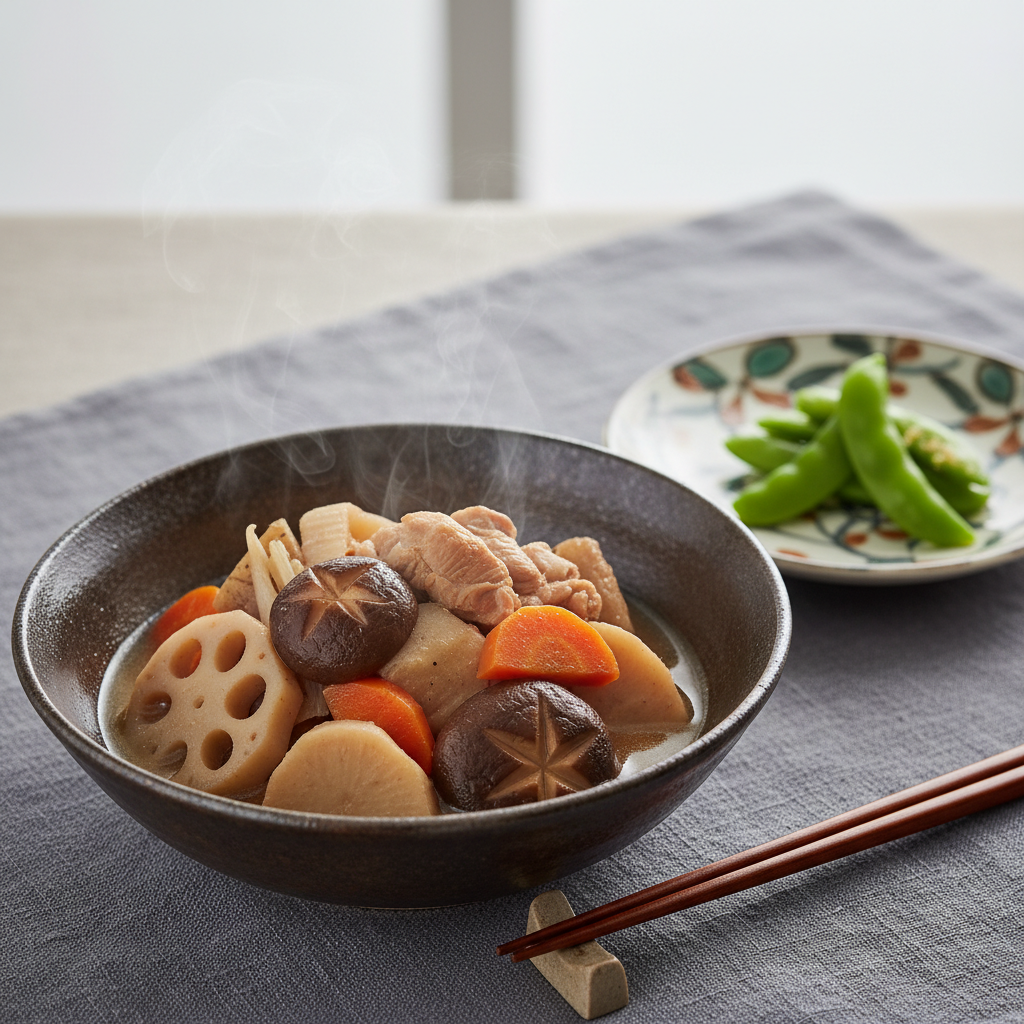

Complete Guide to Hakata Motsunabe | History, Famous Restaurants, and How to Enjoy Fukuoka’s Signature Local Dish
Hakata motsunabe, known throughout Japan as a local specialty of Fukuoka Prefecture, is a hotpot dish where the crispy texture of motsu (offal), the sweetness of vegetables, and an umami-rich broth harmonize beautifully. This dish has become a standard gourmet favorite enjoyed across Japan. This article provides a comprehensive explanation of the charm of hakata motsunabe, covering everything from its historical background to modern ways of enjoying it and information on famous restaurants.
What is Hakata Motsunabe? Basic Knowledge of Fukuoka’s Prized Local Dish
Hakata motsunabe is a hotpot dish made primarily with beef or pork offal (motsu), simmered together with vegetables such as cabbage and Chinese chives. It is known as a local specialty that developed particularly in the Hakata ward and surrounding areas of Fukuoka City, Fukuoka Prefecture.
Characteristics of Motsunabe
The greatest characteristic of motsunabe is the use of offal, which is highly nutritious and rich in collagen. The parts of offal commonly used include the small intestine (marucho), large intestine (shimachо), and tripe/honeycomb stomach (hachinos), each offering different textures and flavors.
The broth is typically soy sauce-based, miso-based, or salt-based, with restaurants also offering unique broths using their own seasonings and dashi. While cabbage and Chinese chives are standard vegetables, bean sprouts, burdock root, and tofu are also sometimes added.
Nutritional Value and Health Appeal
Motsu is low-calorie and high-protein, rich in collagen and B vitamins. It has become particularly popular among women as a dish with expected beauty benefits. With plenty of vegetables also consumed, it can be said to be nutritionally well-balanced.
Origin and History of Hakata Motsunabe | From Post-War to National Recognition
Tracing the history of hakata motsunabe leads us to post-World War II Fukuoka.
Born as a Common Person’s Food in Post-War Mining Regions
From the early Showa period through the post-war era, Fukuoka had many coal mines, and numerous people worked as miners. During that time of food shortage, inexpensive offal from cattle and pigs was readily available.
It is said that the roots of motsunabe come from Korean workers employed in the mines cooking hormone and Chinese chives in soy sauce using aluminum pots. Motsu was an ideal ingredient for miners engaged in labor requiring significant physical strength, being rich in nutrition.
Expansion Throughout Hakata
As coal mines closed down in the post-war period, this dish spread throughout Fukuoka City, particularly in the streets of Hakata. From the 1960s onward, restaurants in Hakata began offering motsunabe more frequently, establishing it as a beloved local specialty.
The Kansai custom of calling offal “hormon” spread to Fukuoka, and alongside the term “motsu” it came into use. Motsunabe at this time was primarily a popular dish for workers and salarymen stopping by on their way home from work.
First Boom in the 1990s
Hakata motsunabe became nationally recognized in the early 1990s. A “motsunabe boom” occurred centered in Tokyo, and this Fukuoka local specialty became a nationwide popular menu item seemingly overnight.
Behind this boom was the post-bubble economy recession, during which motsunabe—relatively affordable yet delicious and highly nutritious—garnered attention. Additionally, its richness in collagen and healthfulness were well-received by female consumers.
Second Boom in the 2000s and Present Day
Entering the 2000s, television programs and gourmet magazines again featured hakata motsunabe, bringing a second boom. During this period, famous Fukuoka restaurants opened branches in major cities like Tokyo and Osaka, further increasing awareness.
Today, motsunabe specialty restaurants operate throughout the country, and motsunabe sets for home use are readily available for purchase at supermarkets and online shops. As a representative local specialty of Fukuoka Prefecture, it has become a must-eat gourmet item for tourists.
Types of Hakata Motsunabe and Broth Characteristics
Hakata motsunabe has several variations depending on the broth seasoning.
Soy Sauce Base
The soy sauce base can be considered the origin of motsunabe. It features a simple flavor of dashi made from bonito flakes and kombu with soy sauce added, which brings out the umami of the motsu and sweetness of vegetables. Characterized by a light flavor, it can be enjoyed without getting tired of it until the end.
Miso Base
Currently, the miso-based motsunabe is most popular. Different restaurants use different types of miso—white miso, red miso, or blended miso—and vary their proportions. The richness and sweetness of the miso match exquisitely with the umami of motsu, offering a deep flavor.
Many restaurants are particular about their miso, blending white miso sourced from Kyoto differently according to season and temperature.
Salt Base
The salt-based motsunabe has gained popularity in recent years. A broth made with chicken or pork bone dashi seasoned with salt allows you to experience the true flavor of motsu directly. Beneath its light taste lies a deep umami, and it is gaining support especially among women.
Some restaurants use abundant Kyushu-sourced ingredients, such as grilled flying fish from Nagasaki and dried bonito from Makurazaki.
Other Creative Broths
In addition to the traditional three types, more restaurants are offering unique creative broths such as mentai toro (pollock roe and yam), sukiyaki-style, and curry flavor. These creative motsunabe dishes are appealing for their unique tastes unavailable elsewhere.
Parts of Motsu and Ingredients Used in Motsunabe
Types of Motsu (Offal)
The main parts of offal used in motsunabe are as follows:
Small Intestine (Marucho)
The most popular part, characterized by fatty, juicy, and crispy texture. Strong in umami, it gives deep richness to the broth.
Large Intestine (Shimachо)
Has moderate chewiness with good balance between fat and lean meat.
Tripe/Honeycomb Stomach (Hachinos)
Offers a unique crispy texture. Low in fat and healthy.
Third Stomach (Senmai)
Thin and tender, characterized by a light taste.
Most restaurants use domestic motsu, providing high-quality motsu that is fresh and odorless.
Vegetables and Seasonings
The essential vegetables in motsunabe are cabbage and Chinese chives. When heated, cabbage becomes sweeter and absorbs the umami released into the broth. Chinese chives have a strong aroma and pair perfectly with motsu.
Other ingredients such as bean sprouts, burdock root, tofu, and mushrooms are sometimes added. Seasonings offered include red chili pepper, yuzu pepper, and grated garlic, allowing you to enjoy changes in flavor according to your preference.
Delicious Ways to Enjoy Hakata Motsunabe and the Joy of Finishing
Basic Method of Eating
- Add motsu first: First add motsu to the broth and simmer. Cooking removes excess fat and releases umami into the broth.
- Add vegetables: Once the motsu is cooked, add vegetables such as cabbage and Chinese chives. It is important not to overcook vegetables and keep them crispy.
- Change flavors with seasonings: Adding chili pepper or yuzu pepper partway through creates flavor changes that keep things interesting until the end.
Classic Finishing Dishes
The enjoyment of motsunabe extends to the finishing dish after the ingredients are consumed.
Champon Noodles
The most popular finishing choice in Fukuoka. Thick champon noodles are added to broth concentrated with the umami of motsu and vegetables and simmered. Noodles soaked in the broth are exquisite, and you’ll want to savor every last drop.
Rice (Zousui/Rice Porridge)
A classic finishing choice is adding rice and finishing with egg to make a porridge. The broth’s umami soaks into the rice, creating a gentle flavor.
Udon and Ramen
Udon and ramen can also be chosen as finishing dishes besides champon noodles.
Popular Motsunabe Restaurant Guide in Fukuoka City
Fukuoka City has numerous motsunabe specialty restaurants. Here we introduce famous restaurants highly rated by both locals and tourists.
Hakata Station Area
Motsu-nabe Nagamasa Hakata Main Store
Located 7 minutes walk from Hakata Station, this restaurant features a calm, sophisticated adult atmosphere. Its broth, developed through years of research, uses abundant Kyushu-sourced ingredients including grilled flying fish from Nagasaki and dried bonito from Makurazaki. You can choose between miso and salt flavors, both characterized by deep richness.
Hakata Motsu-nabe Yamanaka
A famous restaurant with multiple locations throughout Fukuoka City. It takes pride in carefully selected domestic motsu and original broth. With locations in Tokyo as well, it boasts nationwide recognition.
Tenjin and Nakasu Area
Motsu-nabe Oishi
A famous restaurant with 2 locations in Hakata Ward, Fukuoka City. Its original broth is so delicious you’ll want to savor every last drop. Among the 3 types of broth offered, the miso flavor is especially recommended, with excellent compatibility with champon noodles as the finishing dish.
Motsu-nabe Kouzuki (紅月)
A popular restaurant in the Tenjin area offering abundant creative motsu dishes. It uses domestic motsu and fresh vegetables from Kyushu, with a unique dedication to blending several types of white miso sourced from Kyoto in different proportions according to season and temperature.
Other Notable Restaurants
Besides the above, Fukuoka City has numerous matsunabe restaurants with individual character. There are options ranging from cozy hidden gems loved by locals to popular restaurants bustling with tourists.
When selecting a restaurant, it’s good to consider the freshness of the motsu, types of broth available, finishing menu options, and price range. Many restaurants require reservations, so it is recommended to confirm in advance.
Enjoying Hakata Motsunabe at Home | Mail Order and Preparation Methods
Motsunabe Set Mail Orders
Many famous Fukuoka restaurants offer motsunabe sets for home enjoyment through online shopping. Set contents typically include motsu, broth, vegetables (partial), and finishing noodles, allowing you to enjoy authentic hakata motsunabe the day it arrives.
It is also popular as a return gift for local hometown tax donations, with various restaurant sets available through Fukuoka City’s hometown tax program. Beyond standard miso and soy sauce flavors, you can enjoy unique restaurant flavors at home, including mentai toro and sukiyaki-style.
Tips for Making Motsunabe at Home
Key points when making motsunabe at home are as follows:
- Preparing the motsu: While store-bought motsu is usually already prepared, blanching it briefly removes any odor.
- Making the broth: Make a base dashi from chicken or pork bones and season with soy sauce or miso. Using commercial motsunabe broth is also convenient.
- Cutting vegetables: Cut cabbage into large chunks; cut Chinese chives to about 5cm lengths.
- Simmering time: Since motsu becomes tough if overcooked, stopping the heat at the right time is important.
Motsunabe and Fukuoka’s Food Culture
Hakata motsunabe is one of the dishes symbolizing Fukuoka Prefecture’s rich food culture. Alongside mentaiko, Hakata ramen, and mizutaki, it has become a representative gourmet associated with “Fukuoka.”
Dedication to Fukuoka’s Ingredients
Fukuoka Prefecture is blessed with fresh seafood, high-quality meat, and abundant vegetables. The vegetables used in motsunabe are often Kyushu-sourced, reflecting a spirit of local production for local consumption.
Additionally, many restaurants are particular about using Kyushu-sourced seasonings such as soy sauce and miso, reflecting an attitude of valuing regional food culture.
Motsunabe as a Tourism Resource
For tourists visiting Fukuoka, motsunabe is one gourmet item they definitely want to eat. Many motsunabe restaurants are concentrated around Hakata Station and the Tenjin area with good accessibility.
There is a wide range of choices from restaurants frequented by locals to those catering to tourists, allowing selection according to budget and preference. Motsunabe restaurants are actively introduced in Fukuoka City’s local hometown tax program and tourism maps.
Nutritional Value and Health Benefits of Motsunabe
High Protein, Low Calorie
Among meat types, motsu is relatively low in calories while abundantly containing quality protein. It is suitable for those on diets or those conscious of their health.
Collagen and Beauty Effects
The collagen abundantly contained in motsu is expected to maintain skin elasticity. This is one reason for its particular popularity among women concerned with beauty.
Vitamins and Minerals
Motsu is also abundantly rich in B vitamins, iron, zinc, and other minerals, being effective for fatigue recovery and anemia prevention. Nutritional balance further improves when eaten with vegetables.
Body-Warming Effects
Motsunabe, being a hot hotpot dish, has the effect of warming the body from its core. It is ideal not only during cold seasons but also for warming a body chilled by air conditioning.
Occasions for Enjoying Motsunabe
After-Work Drink
Motsunabe is a standard dinner menu for salarymen stopping by on their way home from work. Being highly nutritious and pairing well with alcohol, it is ideal for soothing a tired body.
Family and Friends Gatherings
Hotpot dishes are more delicious and enjoyable when shared by multiple people. Gathering around motsunabe with family and friends promotes conversation and creates enjoyable memories.
Dining Experience While Traveling
For tourists visiting Fukuoka, tasting authentic motsunabe is a special experience. Motsunabe eaten at a local famous restaurant becomes a cherished memory of the trip.
Relaxation Time at Home
Using mail-order motsunabe sets allows you to easily enjoy authentic flavor at home. It is perfect for family gatherings or taking time to relax alone.
Conclusion | Hakata Motsunabe, Fukuoka’s Finest Local Specialty
Hakata motsunabe has developed from a common person’s food born in post-war mining regions to a nationwide popular gourmet, standing as a representative local specialty of Fukuoka Prefecture. Its high nutritional value, richness in collagen, and healthfulness, combined with its deep umami-rich broth and the exquisite harmony of crispy motsu and sweet vegetables, continue to enchant many people.
Beyond the three standard soy sauce, miso, and salt broths, creative broths developed uniquely by individual restaurants are appearing, and the world of motsunabe continues to expand. Fukuoka City has numerous famous restaurants, each providing the finest cup with their own dedication.
When visiting Fukuoka, please be sure to taste authentic motsunabe. Additionally, using mail order or local hometown tax programs, you can enjoy famous restaurant flavors at home. We hope many people will experience the charm of hakata motsunabe, a local specialty that Fukuoka Prefecture takes pride in.
Savor every last drop of the delicious broth through to the champon noodles finishing, and feel the depth of Fukuoka’s food culture.