Anago Rice (Anagomeshi) – Complete Guide to Hiroshima’s Local Cuisine: History, Preparation Methods, and Famous Restaurants
What is Anago Rice – Hiroshima Prefecture’s Representative Local Dish
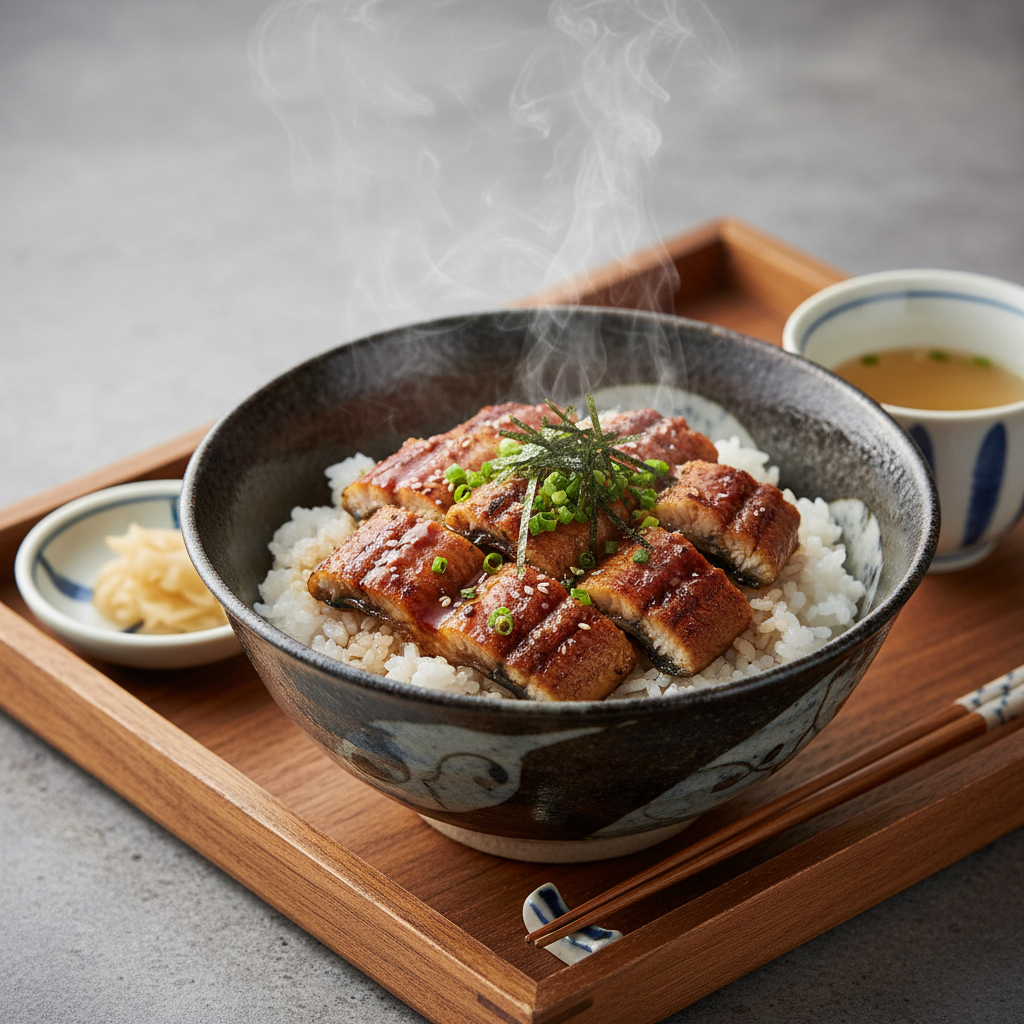
Anago rice (anagomeshi) is a local dish that has been cherished for centuries in the Seto Inland Sea coastal region of Hiroshima Prefecture, particularly in Miyajima and its surrounding areas, which are famous for the World Heritage Itsukushima Shrine. It is a dish consisting of rice cooked in broth made from conger eel heads, central bones, and kombu seaweed, seasoned with soy sauce, topped with beautifully grilled kabayaki-style conger eel. In 2007, it was selected by the Ministry of Agriculture, Forestry and Fisheries as one of the “100 Local Dishes of Mountain Villages, Fishing Villages, and Farm Villages.”
Known alongside oysters as one of the “Two Great Gourmet Dishes of Miyajima,” anago rice combines the delicious flavor of fresh conger eel caught in the Seto Inland Sea with the aromatic broth carefully made from conger eel bones, making it a representative delicious local dish of Hiroshima Prefecture. Currently served at many restaurants in Miyajima and Hiroshima City, it enjoys high popularity not only among locals but also among tourists.
Main Transmission Areas
The main transmission area for anago rice is Miyajima-cho, Hatsukaichi City, Hiroshima Prefecture (Miyajima) and the surrounding Miyajima-guchi area. Miyajima has long been a region with thriving conger eel fishing in the Seto Inland Sea, and fresh conger has been abundantly landed there. Similarly, conger eel is well caught in the coastal areas of Hiroshima City, so there are numerous restaurants serving anago rice within the city as well.
The Miyajima-guchi area in particular is a historically significant center where anago rice culture developed with the opening of the Sanyo Main Line, and today it is lined with famous long-established restaurants.
Main Ingredients Used
The main ingredients used in anago rice are as follows:
- Conger Eel (Anago): Fresh genuine conger eel caught in the Seto Inland Sea is used. Conger eel with soft flesh and rich fat is ideal
- Rice: Rice such as Koshihikari from Hiroshima Prefecture, which has less stickiness, is preferred
- Kombu Seaweed: High-quality kombu that forms the basis of the broth
- Soy Sauce: The essential seasoning for flavoring. Each restaurant has its own unique blend
- Mirin and Sugar: Used in the kabayaki sauce to create a sweet and salty flavor
- Sake: Added when cooking the rice and in the kabayaki sauce
While using these simple ingredients, the broth extracted from conger eel bones and heads gives deep umami flavor to the entire dish, which is its characteristic.
History, Origin, and Related Events of Anago Rice
Birth as a Station Bento – Beginning in the Meiji Era
The history of anago rice traces back to the opening of the Sanyo Main Line in the 1890s (around 1897). When Miyajima Station (now Miyajima-guchi Station) opened, it became crowded with visitors to Itsukushima Shrine. At this time, a local chef conceived “anagomeshi” as a station bento.
“Anagomeshi Ueno,” founded in 1901, was the first long-established restaurant to begin selling anago rice as a station bento at Miyajima-guchi and continues to operate today. The station bento consisting of soy sauce-flavored rice cooked with conger eel scraps topped with thickly layered grilled conger eel quickly became popular among pilgrims and travelers.
From Fisherman’s Food to Local Cuisine
The roots of anago rice are actually said to go back even further than the station bento, originating from the fisherman’s cuisine around Miyajima. Long ago, Miyajima had a local dish called “anago donburi,” and fishermen would cook and eat freshly caught conger eel on boats or beaches.
The Seto Inland Sea is known as an excellent fishing ground for conger eel, and high-quality genuine conger eel was abundantly caught, particularly around Miyajima. Fishermen developed a rational cooking method that utilized conger eel without waste: using the flesh for grilled kabayaki and the bones and head for broth. This fisherman’s culinary wisdom was later inherited in the station bento-style anago rice.
Selection for the Local Cuisine Hundred
In 2007, anago rice was officially selected as one of Hiroshima Prefecture’s representative local dishes in the “100 Local Dishes of Mountain Villages, Fishing Villages, and Farm Villages” chosen by the Ministry of Agriculture, Forestry and Fisheries. Through this selection, anago rice came to be recognized not merely as a local gourmet dish, but as an important cuisine of Japanese food culture worthy of preservation and transmission.
With this selection as a turning point, the fame of anago rice rose nationwide, and many tourists visiting Hiroshima Prefecture came to cite it as a “must-eat dish.”
How to Make Anago Rice – Authentic Recipe
Ingredients (Serves 4)
For the rice:
- Rice: 3 cups
- Conger eel head and central bones: from 4 eels
- Kombu seaweed: one 10cm square piece
- Water: as needed
- Soy sauce: 3 tablespoons
- Sake: 2 tablespoons
- Mirin: 1 tablespoon
For grilled conger eel:
- Conger eel (filleted): 4 eels
- Soy sauce: 4 tablespoons
- Mirin: 3 tablespoons
- Sugar: 2 tablespoons
- Sake: 2 tablespoons
For finishing:
- Shredded nori seaweed: as needed
- Sansho pepper: to taste
- Ground sansho pepper: to taste
Preparation Method
1. Broth Preparation
Fillet the conger eel and set aside the head and central bones. Lightly rinse the head and central bones, then pour hot water over them to remove any unpleasant odors. Place kombu and conger eel head and bones in a pot, add water, and bring to a medium heat. Once it comes to a boil, reduce to low heat and simmer for about 30 minutes to extract the broth. Strain the broth and let it cool.
2. Cooking the Rice
Rinse the rice and soak it in water for about 30 minutes, then drain in a colander. Place the rice in a rice cooker or earthenware pot and pour the prepared broth to which soy sauce, sake, and mirin have been added at slightly less than the normal water level. Cook normally.
3. Grilled Conger Eel
Lightly salt the conger eel flesh and let it sit for about 10 minutes, then wipe away any moisture. Grill in a frying pan or fish broiler, starting with the skin side. Once both sides are browned, add a mixture of soy sauce, mirin, sugar, and sake, and reduce while coating the conger eel with the sauce. Once the sauce has a glossy appearance and the conger eel has a fragrant grilled color, remove from heat.
4. Finishing and Plating
Place the cooked rice in a bowl, and slice the grilled conger eel into bite-sized pieces and arrange thickly on top. Pour the remaining sauce over the top and scatter shredded nori. Add sansho pepper or ground sansho pepper to taste and it is complete.
Cooking Points
- Broth is essential: By properly extracting broth from conger eel heads and bones, deep umami soaks into the rice
- Grilling the conger eel: Overcooking makes the flesh tough, so it’s important to finish it fluffy
- Sauce consistency: The sweet and salty sauce should not be reduced too much; it should be coated on the conger eel at an appropriate thickness
- Rice water ratio: Since it is cooked in broth, use slightly less water than normal for a rice that is not mushy and tastes delicious
Occasions and Seasons for Eating
Anago rice is a local dish enjoyed year-round, not limited to specific occasions or seasons. However, the peak season for conger eel is said to be from summer to autumn, and it is considered most delicious from around June to September when the flesh is richly fatty.
As Everyday Food
In Miyajima and Hiroshima City, anago rice is eaten daily as a lunch meal or as a dinner dish. For local people, it is positioned more as a casual, standard menu item rather than a special dish.
For Tourists
On the other hand, for tourists visiting Itsukushima Shrine, anago rice is positioned as a must-eat Miyajima specialty. Particularly at restaurants around Miyajima-guchi and on Miyajima Island, beautifully plated anago rice is served for tourists and has become a popular menu item.
Continuation of Station Bento Culture
Currently, anago rice is still sold as a station bento at Miyajima-guchi Station, and many people purchase it as a souvenir of their trip. Station bento-style anago rice served in wooden bento boxes is a precious food culture that conveys the tradition from the Meiji era to the present day.
Dining Methods and Variations
Basic Way of Eating
The basic way of eating anago rice is to eat it as served in a donburi bowl or multi-tiered box style using chopsticks. By putting the grilled conger eel and rice together in the mouth, the sweet and salty sauce, the umami of the broth, and the fluffy texture of the conger eel harmonize.
White Grilled Style
There is also a style where instead of grilled conger eel, conger eel grilled with salt (“white grilled”) is placed on the rice. White grilled conger eel allows one to more strongly feel the original flavor of the fish and is characterized by a light taste. It is sometimes eaten with wasabi soy sauce or yuzu-kosho.
Difference Between Anago Donburi and Anagomeshi
“Anago donburi” and “anagomeshi” essentially refer to the same dish, but there are slight differences in how they are served. Anago donburi is typically served in a regular donburi bowl, while anagomeshi is often served in a bento box or multi-tiered box, and particularly refers to station bento style. However, the names vary from restaurant to restaurant, and there is no strict distinction.
Steamed Conger Eel Variation
Some restaurants use steamed conger eel instead of grilled conger eel. Steamed conger eel is softer and offers a more delicate texture. There is also a cooking method where the eel is steamed and then lightly seared after applying sauce, which is an aspect where each restaurant’s individuality is expressed.
Preservation and Transmission Efforts
Tradition Inheritance by Long-Established Restaurants
Long-established restaurants continuing from the Meiji era preserve the cooking methods and flavors passed down through generations. Famous restaurants such as “Anagomeshi Ueno” faithfully maintain the cooking methods from their founding while adapting to modern hygiene standards and quality management.
At these long-established restaurants, the inheritance of craftsman techniques is emphasized, and technical transmission to younger generations is actively conducted. Techniques such as how to fillet conger eel, how to extract broth, and the blending of sauce are passed on to the next generation based on years of experience.
Development as a Regional Brand
Hiroshima Prefecture and Hatsukaichi City position anago rice as an important tourism resource for the region and actively conduct PR activities. On tourist pamphlets and websites, anago rice is introduced as a representative gourmet dish of Miyajima, with information disseminated toward both domestic and international tourists.
Commercialization and Modern Initiatives
In recent years, with the advancement of freezing technology, frozen products of anago rice have been developed. This has made it possible for people living far away to enjoy the authentic taste at home. Additionally, retort pouch anago rice seasoning bases are also sold, and products that allow for easy homemade anago rice preparation have become popular.
Information Dissemination Using SNS
Many anago rice specialty restaurants use Instagram, Facebook, Twitter, and other SNS to disseminate daily business information and photographs of their dishes. Beautifully plated photographs of anago rice have become popular among younger generations as SNS-worthy dishes, leading to the development of new customer groups.
The dissemination of anago rice photographs posted by tourists on SNS creates word-of-mouth effects and contributes to increased awareness of anago rice.
Cooking Classes and Workshops
Local cooking classes and tourism experience programs offer workshops where visitors can learn how to make anago rice. Participants can experience the entire cooking process from learning how to fillet conger eel, extracting broth, to cooking the rice.
These experiential initiatives not only widely transmit the cooking techniques of anago rice but also serve as opportunities to deepen understanding and interest in local cuisine.
Famous Restaurants and Recommended Spots in Hiroshima Prefecture
Famous Restaurants in the Miyajima-guchi Area
The Miyajima-guchi area is home to numerous anago rice specialty restaurants, including long-established ones continuing from the Meiji era. Being within walking distance from the station, it is always crowded with tourists heading to or returning from Miyajima.
At traditional restaurants, station bento-style anago rice served in traditional wooden bento boxes is popular. While it can be eaten at the restaurant, it is also atmospheric to take it with you and eat it on the ferry to Miyajima or on the bullet train.
Restaurants on Miyajima Island
There are also numerous restaurants serving anago rice on Miyajima Island itself, where Itsukushima Shrine is located. Restaurants along the temple approach and seaside offer anago rice while allowing guests to enjoy the scenery.
Many restaurants on the island offer not just anago rice alone but set meals combining it with oyster dishes, allowing guests to enjoy both of Miyajima’s two great gourmet dishes at once.
Specialty Restaurants in Hiroshima City
Various restaurants serving anago rice are scattered throughout central Hiroshima City. Many restaurants in the city offer anago rice at reasonable prices during lunch time, and they are used by local business people and tourists.
In the evenings, some izakaya-style restaurants offer anago rice along with various other conger eel dishes such as conger sashimi and white grilled conger.
Nutritional Value and Health Benefits of Anago Rice
Nutritional Components of Conger Eel
Conger eel is known as a healthy ingredient with high protein and low fat. It is rich in vitamin A, which helps maintain eyesight and promote healthy skin. It also contains abundant B vitamins, which aid in fatigue recovery and energy metabolism.
It also contains omega-3 fatty acids such as DHA and EPA, and benefits such as maintaining brain health and blood-thinning effects can be expected. It is also rich in calcium and contributes to bone health maintenance.
Nutritionally Balanced Single Dish
Anago rice is a nutritionally well-balanced dish that provides carbohydrates (rice), protein (conger eel), and minerals from kombu used in the broth. As it serves as both a staple and main course in a single dish, it allows for efficient nutrient intake even during busy times.
Anago Rice and Hiroshima’s Food Culture
Gifts of the Seto Inland Sea
Anago rice is a local dish unique to Hiroshima Prefecture, blessed with the rich fishing grounds of the Seto Inland Sea. The warm climate and gentle ocean currents of the Seto Inland Sea nurture a diverse array of marine products, including conger eel, oysters, sea bream, and ribbonfish.
The food culture that takes advantage of these ocean’s bounty forms the foundation of Hiroshima Prefecture’s culinary tradition. Anago rice is a representative example of this.
Connection with Miyajima’s Tourism Culture
Miyajima, which houses the World Heritage Itsukushima Shrine, has long been visited by many people as a place of worship and as a scenic destination. Anago rice, developed as a dish to entertain pilgrims and tourists, is closely connected with Miyajima’s tourism culture.
The charm of Miyajima, where beautiful scenery and delicious food are united, cannot be discussed without anago rice.
Contribution to Station Bento Culture
Anago rice holds an important position in Japanese station bento culture. The anago rice of Miyajima-guchi, which originated in the Meiji era, is highly regarded among station bento enthusiasts as one of the nationally famous station bentos.
The traditional packaging of wooden bento boxes also serves as an element that conveys the charm of station bento culture.
Conclusion – The Appeal of Anago Rice and Its Future
Anago rice is a local dish that developed centered on Miyajima in Hiroshima Prefecture, with a history of over 120 years since its birth as a station bento in the Meiji era. The simple yet profound taste of rice cooked in broth made from conger eel heads and bones, topped with fragrant grilled conger eel, continues to be loved by both local people and tourists.
The abundant gifts from the Seto Inland Sea, the craftsmanship passed down through generations, and the efforts of local people to preserve and transmit their local cuisine support the food culture of anago rice. With its selection in the Ministry of Agriculture, Forestry and Fisheries’ local cuisine hundred, its value was nationally recognized and it was positioned as an important food cultural heritage of Japan.
Currently, anago rice culture is preserved and transmitted through various means: tradition inheritance by long-established restaurants, information dissemination using SNS, and nationwide expansion through commercialization. Its value as a tourism resource is high, and many people visit Miyajima with anago rice as their destination.
In the future, by preserving tradition while adapting to new times, anago rice will continue to be loved by even more people as a representative local dish of Hiroshima Prefecture. When you visit Hiroshima, be sure to taste the authentic anago rice and savor its history and flavor.