Complete Guide to Mehariushi|History, How to Make, and Restaurant Introduction to Local Cuisine from the Kumano Region of Wakayama Prefecture
“Mehariushi,” a local dish representing the Kumano region of Wakayama Prefecture. This simple yet profound-tasting dish, wrapped in lightly pickled mustard greens, has been cherished by local people since ancient times. This article provides a thorough explanation of the charm of this traditional local cuisine, from the history and origin of the name mehariushi, to how to make it at home, and recommendations for renowned restaurants.
What is Mehariushi? A Local Dish Representing Wakayama Prefecture
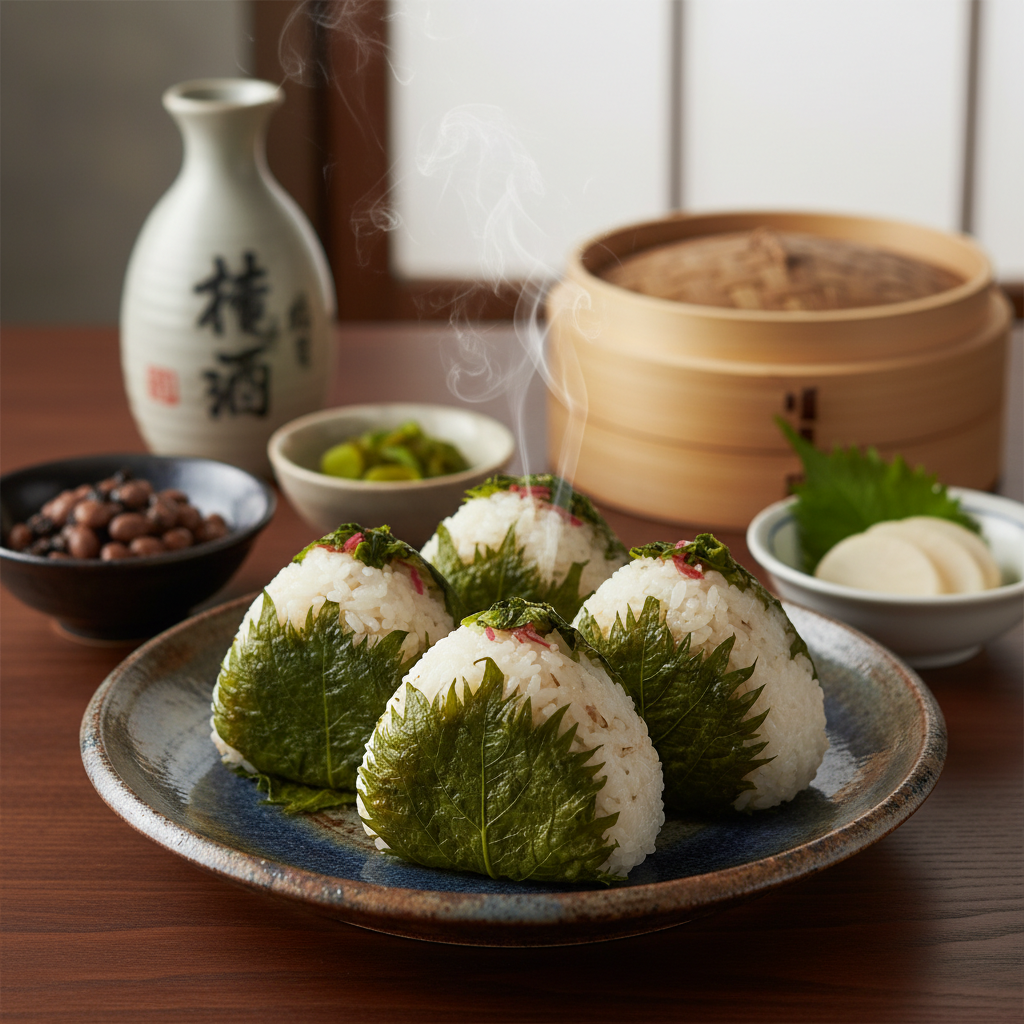
Mehariushi is a local dish that has long been enjoyed in the region spanning the Kumano area in southern Wakayama Prefecture, southern Mie Prefecture, and the Yoshino region of Nara Prefecture. It is a rice ball wrapped in the leaves of lightly pickled mustard greens, and while it has “sushi” in its name, it differs from typical sushi made with vinegared rice.
Basic Characteristics of Mehariushi
The greatest feature of mehariushi lies in its simplicity. The basic ingredients are just white rice and pickled mustard greens. Despite the simple preparation of merely wrapping rice balls with salt-pickled mustard greens, the umami and saltiness of the greens harmonize exquisitely with the white rice, creating a deep flavor.
In modern times, it is often made in easy-to-eat sizes, but traditionally it was made in eye-catchingly large sizes. Additionally, depending on the region or household, there are various variations, such as placing bonito flakes or pickled plums inside, or using barley rice instead of white rice.
Positioning in the Food Culture of the Kumano Region
The Kumano region is known for its thriving fishing and forestry industries. Mehariushi was born as a practical food in such harsh working environments. It could be eaten quickly during breaks in mountain work, fishing, and farm work, offered high nutritional value, and had good preservation properties, making it a treasured lunch box for working people.
The salt content in the mustard greens provided a preservative effect, allowing mehariushi to last relatively long even in the era before refrigerators. Additionally, the vitamins and minerals in the mustard greens helped workers recover from the fatigue of physical labor.
History and Origin of the Name of Mehariushi
Ancient History Passed Down Through the Ages
The history of mehariushi is extremely old, with records of it appearing in documents from the Nara period. Because of this, it is sometimes called Japan’s oldest fast food. It is a traditional dish that has been loved by local people for over a thousand years.
During the Edo period, it was also used as portable food for pilgrims visiting the Kumano Sanzan shrines. The pilgrimage to the three Kumano shrines was a long and difficult journey, and mehariushi, with its high nutritional value and portability, was an ideal food for travelers.
Even after the Meiji period, in the Kumano region where forestry was thriving, mehariushi remained a standard lunch box for loggers. In mountain work, meals that were easy to eat and filling were needed, and mehariushi perfectly met those requirements.
The Origin of the Name “Mehari” Has Several Theories
There are several theories about the origin of the unique name mehariushi.
The “Wide-Eyed Eating” Theory
The most widely accepted theory is that it derives from “eating with one’s eyes wide open.” Traditional mehariushi was made very large, and eating it required opening one’s mouth wide. The sight of this appeared to be “wide-eyed,” and the name supposedly came from this.
The “Astoundingly Delicious” Theory
The second theory is that the name derives from being “astoundingly delicious.” This interpretation suggests that despite simple ingredients, people were amazed by the deliciousness created by the combination of the umami of the mustard greens and white rice.
The “Sealing Like Window Cracks” Theory
The third theory is that the name comes from “sealing cracks like sealing windows,” referring to the way the mustard green leaves completely seal in the rice ball. The way the leaves wrap around the rice ball resembles the task of “sealing cracks” in shoji screens and sliding doors.
The Pungency of Mustard Greens Theory
There is also a theory that “eyes open wide because of the pungency of the mustard greens.” The salt-pickled mustard greens have a distinctive pungency, and when eaten, the stimulation causes one’s eyes to open involuntarily, supposedly giving the dish its name.
All these theories have been passed down locally, and which is correct remains uncertain. However, all of them speak to the charm of the name “mehariushi” and the affection that local people have for this dish.
How to Make Mehariushi|A Proper Recipe to Enjoy at Home
Basic Ingredients
The basic ingredients for making mehariushi at home are as follows.
Rice Ball Portion
- White rice: 2 cups (approximately 600g)
- Salt: as needed
- Bonito flakes: as desired
Pickled Mustard Greens
- Mustard greens: approximately 500g
- Salt: 3-5% of the weight of mustard greens
- Soy sauce: 2 tablespoons
- Mirin: 1 tablespoon
- Sugar: 1 teaspoon
Using mustard greens from Wakayama Prefecture will result in a more authentic flavor. Locally, fresh mustard green leaves are used, and careful pickling is said to be the secret to deliciousness.
How to Pickle the Mustard Greens
The most important factor in determining the deliciousness of mehariushi is how the mustard greens are pickled.
- Preparing the mustard greens: Wash the mustard greens well and select large leaves. Remove any damaged parts.
- Salt pickling: Place the mustard greens in a container and rub salt over them evenly. Place a weight on top and pickle for 2-3 days. This process removes moisture from the greens and creates their distinctive texture.
- Making the sauce: Mix soy sauce, mirin, and sugar to create the special sauce. The ratio differs between households and restaurants, and each has its own “secret sauce.”
- Main pickling: Lightly squeeze the salt-pickled greens and soak them in the sauce. After 1-2 days, they will reach the ideal lightly pickled state.
The lightly pickled state is optimal for mehariushi. Over-pickling makes it too salty and disrupts the balance with the rice ball.
How to Make and Wrap Rice Balls
- Prepare the rice: Use freshly cooked warm rice. Mixing in bonito flakes as desired adds even more flavor.
- Make rice balls: Dampen your hands with salt water and carefully form the rice into balls. Traditionally they are made larger, but in modern times, rice balls of convenient size (approximately 100-120g) are common. The shape can be oblong or triangular according to preference.
- Wrap with mustard greens: Lightly squeeze excess moisture from the pickled mustard green leaves and wrap the rice ball. Shaving down the thick leaf veins with a knife makes wrapping easier. Cover the entire rice ball carefully using 2-3 leaves.
- Finishing: After wrapping, adjust the shape and it is complete. It is delicious eaten immediately, but letting it sit for about 30 minutes allows the flavor of the mustard greens to blend with the rice, making it even more delicious.
Tips and Pointers for Making Delicious Mehariushi
Rice Temperature
Using warm rice allows the mustard greens’ flavor to blend in well. However, if it is too hot, the greens become too soft. Allow it to cool slightly before wrapping.
Salt Balance
Since the mustard greens already contain salt, use a minimal amount of salt when forming the rice balls. Adjust while considering the overall balance.
Choosing Mustard Greens
Select leaves that are large with soft stems. Overly hard stems are difficult to wrap and feel unpleasant to eat.
Storage Method
It is best eaten on the day it is made, but it will keep delicious until the next day if stored in the refrigerator. Wrap in plastic wrap for storage and bring to room temperature before eating for best results.
Recommended Mehariushi Restaurants|Experiencing the Authentic Flavor in Wakayama Prefecture
Souhonya Mehariushi|A Longstanding Restaurant Operating for Over 60 Years
The most famous mehariushi specialty restaurant is “Souhonya Mehariushi.” Operating since 1962, this long-established restaurant has maintained its unchanged deliciousness for over 60 years.
Main Branch (Shingu City)
Located within walking distance of Shingu Station, the main branch offers mehariushi carefully made to order one piece at a time. It is committed to providing only fresh mehariushi without pre-made inventory.
Wakayama Branch
There is also a branch near Wakayama Station, where you can enjoy authentic mehariushi even in the prefecture’s capital. Takeout is available, making it popular as a souvenir from Wakayama.
Points of Pride
- Using local Wakayama ingredients: Fresh local mustard greens and golden sprout rice from Toyo Rice Corporation
- Secret sauce: A unique blend passed down since the restaurant’s founding
- Traditional handmade method: Using carefully prepared lightly pickled mustard greens
- Mail order available: You can enjoy the authentic flavor from afar
The restaurant is closed on Wednesdays, and payment is accepted in cash as well as various cashless payment methods. Details can be confirmed on their official website.
Mehariushi Available at Roadside Stations
You can also purchase locally-made mehariushi at roadside stations throughout Wakayama Prefecture.
Roadside Station Nachi
At the roadside station in Nachi Katsuura, fresh mehariushi made by local producers is sold. It is an ideal place to stop by during sightseeing around the Kumano Kodo.
Roadside Station Kumano Kodo Nakahej
At the roadside station in Nakahej, Tanabe City, you can purchase mehariushi made using traditional local methods. It is convenient as portable food for sightseeing around the area.
These roadside stations carry not only mehariushi but a wide variety of local specialties and regional cuisine, allowing you to broadly experience Wakayama’s food culture.
Other Notable Restaurants
Local Restaurants and Inns
Many local restaurants and inns in the Kumano region serve homestyle mehariushi. The appeal is being able to enjoy the unique flavors passed down in each restaurant and household.
Festival and Event Sales
Homemade mehariushi made by local people are sometimes sold at regional festivals and events. Taking advantage of such opportunities to try various variations is one of the pleasures.
Other Wakayama Local Dishes to Enjoy with Mehariushi
We also introduce other regional dishes from Wakayama Prefecture that pair well with mehariushi.
Narezushi|The Origin of Sushi
Wakayama Prefecture is a region where the culture of “narezushi” (fermented sushi), said to be the origin of sushi, still remains. It is a traditional preserved food where fish is fermented with salt and rice, characterized by distinctive sourness and umami. Narezushi using mackerel or ayu is famous, and offers a deep taste of fermented food in contrast to mehariushi. You can enjoy it alongside mehariushi or on its own.
Chagayu
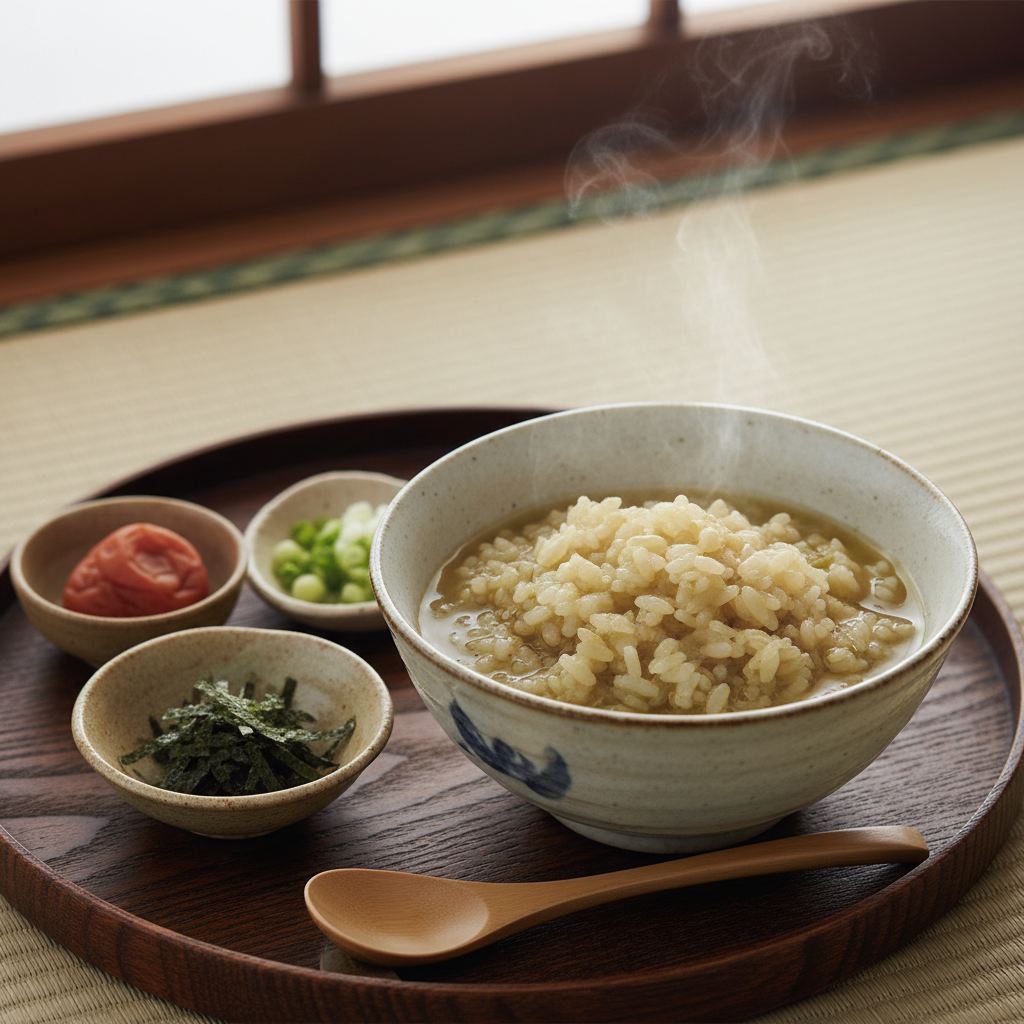
Tea rice porridge, known as “chagayu,” is enjoyed as a breakfast staple, especially in the southern part of Wakayama Prefecture. This thin rice porridge made with coarse tea has a refreshing flavor. The salty taste of mehariushi pairs well with it, and locally they are often eaten together.
Omaze
“Omaze,” eaten in the Tanabe area, is a mixed rice dish with seasonal vegetables and seafood. The ingredients change with the season, allowing you to feel the richness of regional ingredients.
Through these regional dishes, you can experience Wakayama Prefecture’s rich food culture comprehensively.
Enjoying Mehariushi at Home|Mail Order and Homemade Kits
Experiencing the Authentic Flavor Through Mail Order
Many specialty restaurants, including Souhonya Mehariushi, offer mail order services. Shipped frozen or in vacuum packaging, you can enjoy the authentic flavor anywhere in Japan.
Points to Note When Purchasing
- Check expiration dates: Frozen products can be stored relatively long-term, but eat soon after thawing
- Shipping method: Refrigerated delivery is standard
- Set products: Multiple-piece sets are common and convenient for sharing with family and friends
- Payment methods: Confirm the payment methods your chosen restaurant accepts in advance, such as credit card or cash on delivery
Using Homemade Kits
Some restaurants also sell homemade kits where you can make mehariushi at home. These sets include pickled mustard greens and recipes, allowing you to easily try making authentic mehariushi at home.
Benefits of Homemade Kits
- Family fun: An opportunity for food education with children
- Customize to your preference: Freely adjust ingredients and size
- Enjoy freshly made taste: Experience the flavor unique to freshly made food
- Experience Wakayama’s food culture: Actually making the dish deepens understanding of regional cuisine
Nutritional Value and Health Benefits of Mehariushi
A Regional Dish with Excellent Nutritional Balance
Despite its simple ingredients, mehariushi offers excellent nutritional balance.
Carbohydrates
White rice provides sufficient carbohydrates as an energy source. This is one reason why it was treasured during times of labor-intensive work.
Vitamins and Minerals
Mustard greens are rich in vitamin A, vitamin C, calcium, iron, and other nutrients. As a green-yellow vegetable, it has high nutritional value, and was useful for nutritional supplementation during mountain work or fishing when vegetable intake was limited.
Dietary Fiber
The dietary fiber in mustard greens regulates intestinal environment and aids digestion.
Effects of Fermented Foods
Pickled mustard greens contain beneficial microorganisms such as lactic acid bacteria, contributing to improved intestinal health.
Application in Modern Diets
As a Lunch Box
With its excellent preservation properties and great taste when cooled, it remains ideal as a modern lunch box. With good nutritional balance, it can be used as a healthy meal.
Consideration for Reduced Salt
Traditional mehariushi is relatively high in salt, but making it at home allows you to reduce salt content, making it adaptable to modern health-conscious trends.
As a Means to Consume Vegetables
Mehariushi, which allows delicious consumption of mustard greens, is recommended for those concerned about insufficient vegetable intake.
Traveling Around Mehariushi|The Kumano Kodo and Regional Cuisine
The Kumano Kodo and Mehariushi
Mehariushi is an essential part of visiting the Kumano Kodo, registered as a UNESCO World Heritage site. Like the pilgrims of old, carrying mehariushi while walking the ancient paths allows you to feel the history more deeply.
Recommended Ways to Enjoy
- Purchase mehariushi at a roadside station and eat it at a scenic viewpoint along the path
- Stay at a local inn and enjoy mehariushi for breakfast or dinner
- Visit specialty restaurants and savor freshly made mehariushi
Experiencing Kumano Region Food Culture
Some tourist facilities and accommodations offer mehariushi-making experiences. Learning the methods directly from local people deepens understanding of regional cuisine and enriches travel memories.
Experience Contents
- Observation of how to pickle mustard greens
- Hands-on instruction in forming and wrapping rice balls
- Explanation of local ingredients and food culture
- Tasting the mehariushi you made yourself
We recommend contacting each facility to confirm details.
Modern Arrangements of Mehariushi
While maintaining tradition, various modern arrangements adapted to contemporary lifestyles have also emerged.
Variations in Ingredients
With Pickled Plum
Adding pickled plum in the center creates a refreshing flavor. This arrangement is easy to eat during summer months when appetite is low.
With Bonito Flakes
Mixing in bonito flakes increases umami and creates a more flavorful dish.
With Salmon Flakes
As a modern arrangement, a version mixed with salmon flakes has also become popular.
Size Variations
Mini Size
Making bite-sized portions makes them easy to include in bento boxes and party platters. They are cute in appearance and can be used in various settings.
Oblong and Triangular Shapes
Beyond traditional round shapes, various forms such as oblong and triangular, are variations that pursue ease of eating and visual beauty.
Leafy Vegetables Other Than Mustard Greens
In some regions, leafy vegetables other than mustard greens are used. Variations using local specialties such as shiso leaves and nozawana greens are enjoyed depending on the region.
Conclusion|Experiencing Wakayama’s Food Culture Through Mehariushi
Mehariushi is a historical regional dish born from the harsh natural environment of the Kumano region of Wakayama Prefecture and the wisdom of its people. Despite its simple preparation of wrapping white rice in pickled mustard greens, over a thousand years of history and the lives of local people are embedded within it.
In modern times, authentic flavor can be enjoyed at specialty restaurants such as Souhonya Mehariushi, as well as through purchases at roadside stations, mail order, and even homemade versions. When visiting the Kumano Kodo, it is a wonderful experience to carry mehariushi and walk the historic path, just as pilgrims did in times past.
When visiting Wakayama Prefecture, be sure to taste this traditional regional dish and experience the region’s rich food culture. Mehariushi, simple yet deeply flavorful, will surely become a memorable dish in your memory.
Making it at home is also not difficult. With carefully pickled mustard greens and rice balls formed with care, you can enjoy mehariushi close to the authentic taste. It is fun to create your own original mehariushi using Wakayama Prefecture’s ingredients while experimenting with the proportions of the secret sauce.
Through mehariushi, reflecting on Wakayama Prefecture’s history, culture, and the lives of its people. Perhaps that is the true deliciousness this regional dish holds.