A Complete Guide to Barazushi (Kyoto Prefecture’s Local Cuisine) | Thorough Explanation of History, How to Make It, and Regional Differences
Barazushi, a traditional local dish of Kyoto Prefecture, is a cuisine made by mixing colorful ingredients into vinegared rice, and is indispensable at festivals and special occasions. This article provides detailed explanations of this dish representative of Kyoto’s food culture, from its historical background and how to make it to its characteristics by region.
What is Barazushi?
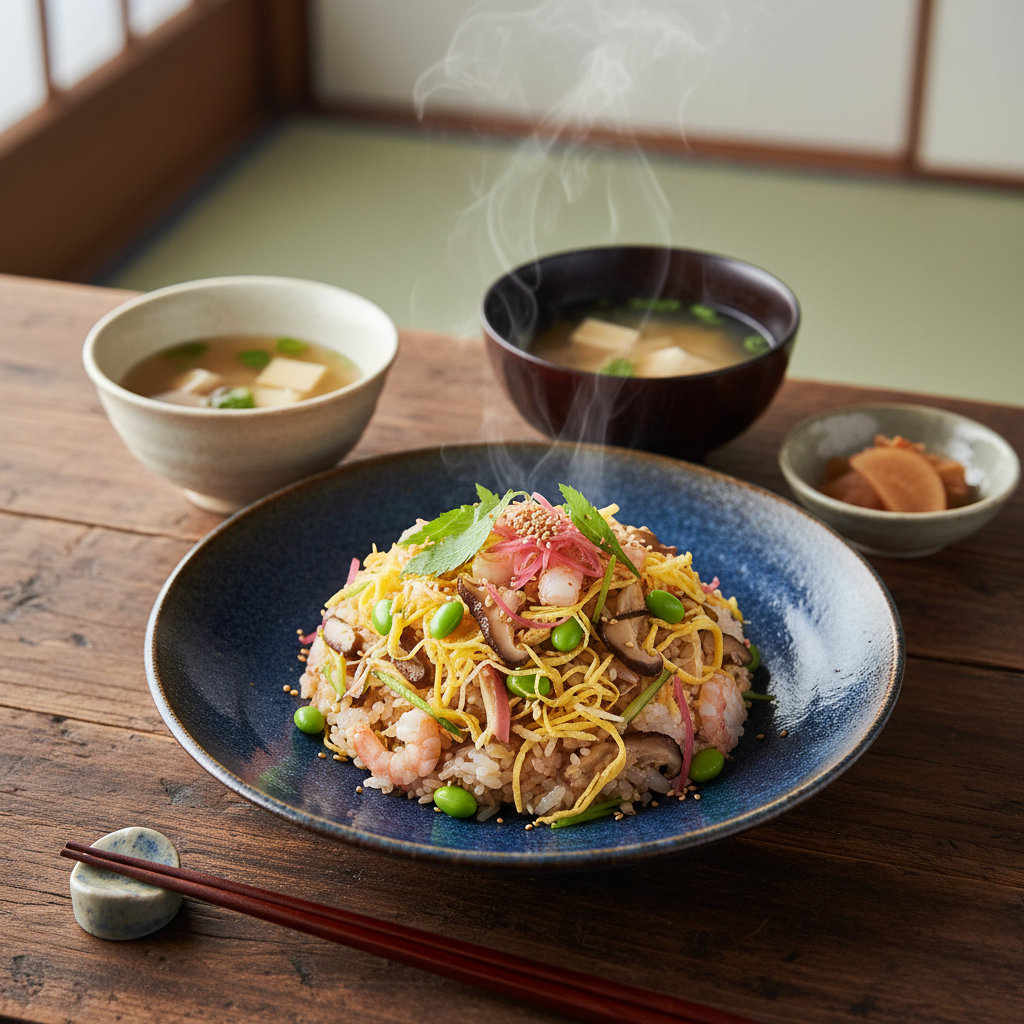
Barazushi is a type of sushi made by mixing chopped ingredients into vinegared rice, and is a local dish that has been enjoyed mainly in Kyoto Prefecture. The name “bara” comes from the idea of “scattering” or “spreading out” the ingredients, and it is sometimes classified as a type of chirashi sushi (scattered sushi).
Basic Characteristics of Barazushi
Barazushi has the following characteristics:
- A dish based on vinegared rice: After cooking rice, vinegared rice seasoned with a mixture of vinegar is used
- A style of mixing ingredients in: Rather than placing ingredients on top like Edo-style sushi, ingredients are mixed into the vinegared rice
- A dish for special occasions: Made on special days such as festivals, memorial services, and celebrations
- A highly regional dish: Ingredients and seasoning differ by region even within Kyoto Prefecture
The History and Cultural Background of Barazushi
The Development of Sushi Culture in Kyoto
Since Kyoto is located in the interior away from the sea, a unique sushi culture different from Edo’s raw fish-based sushi culture developed there. Sushi using ingredients with good preservation, mountain produce, and river delicacies were created, one of which is barazushi.
The Connection with “Luxury Prohibition Orders”
During the Edo period, when the shogunate issued luxury prohibition orders, there is a theory that sushi with gorgeous toppings on the surface were forbidden. There, people in Kyoto came up with the idea of mixing ingredients into vinegared rice to enjoy delicious sushi while maintaining a modest appearance. This is said to be one of the backgrounds of barazushi’s birth.
Establishment as a Dish for Special Occasions
Since barazushi is time-consuming and uses many ingredients, it became established as a dish for special occasions rather than everyday food. At spring festivals, autumn festivals, memorial services, weddings, and other occasions when people gather, it was made in large wooden tubs and shared among family members and people in the community, a custom that spread throughout Kyoto Prefecture.
Basic Method for Making Barazushi
Required Ingredients (Serves 4)
For vinegared rice:
- Rice: 3 cups
- Vinegar mixture (rice vinegar: 4 tablespoons, sugar: 2 tablespoons, salt: 1 teaspoon)
Ingredients:
- Dried shiitake mushrooms: 4-5
- Carrot: 1/2
- Burdock root: 1/2
- Fried tofu: 1 sheet
- Lotus root: 100g
- Kampyo (dried gourd strips): 10g
- Snow peas: as needed
- Eggs: 2 (for egg ribbons)
- Red pickled ginger: as needed
Seasonings:
- Dashi stock: 200ml
- Soy sauce: 2 tablespoons
- Mirin: 2 tablespoons
- Sugar: 1 tablespoon
Step-by-Step Instructions
1. Preparation
Soak dried shiitake mushrooms in water, remove the hard stem, and slice thinly. Cut carrot, burdock root, and lotus root into thin strips or slices. Soak kampyo in water and cut to appropriate length. Blanch fried tofu to remove excess oil and slice thinly.
2. Simmering the Ingredients
Bring dashi stock, soy sauce, mirin, and sugar to a boil in a pot, add the dried shiitake mushrooms, carrot, burdock root, lotus root, kampyo, and fried tofu, and simmer over medium heat. Simmer for 15-20 minutes until the broth reduces. Once done, drain the broth and let cool.
3. Preparing the Vinegared Rice
Cook rice slightly firmer than usual. Once cooked, transfer to a large bowl or sushi rice tub, pour the vinegar mixture over it. Mix with a rice paddle using a cutting motion while fanning with a fan to cool.
4. Combining
Once the vinegared rice has cooled to body temperature, add the simmered ingredients and mix gently together. Be careful not to overmix, as the vinegared rice will become sticky.
5. Finishing
Place in a serving dish and garnish with egg ribbons, snow peas cut diagonally after boiling, and red pickled ginger for an attractive appearance.
Tips for Delicious Results
- Cook vinegared rice firmly: Use less water than usual when cooking rice since it will absorb moisture from the ingredients
- Drain the ingredients well: If broth remains, the vinegared rice will become watery
- Timing of mixing: Mix when both the vinegared rice and ingredients have cooled to body temperature so the flavors blend well
- Prepare a day ahead: Making the simmered ingredients the day before makes the work easier on the day and allows the flavors to meld better
Regional Differences Within Kyoto Prefecture
Barazushi has differences in ingredients and seasoning by region within Kyoto Prefecture.
Barazushi in Kyoto City
In Kyoto City, it is common to use dried ingredients such as dried shiitake mushrooms, kampyo, and fried tofu, as well as root vegetables such as carrot, burdock root, and lotus root. The seasoning is relatively refined, with a gentle flavor that brings out the taste of dashi stock. Egg ribbons and snow peas add color and make it beautiful to look at.
Barazushi in the Tango Region
In the Tango region facing the Sea of Japan, barazushi made with seafood is also prepared. Grilled mackerel is sometimes flaked and mixed in, or small shrimp and shellfish may be added. The addition of seafood umami creates a rich flavor different from that of Kyoto City.
Barazushi in the Nantan Region
In the Nantan region in the mountains, barazushi made with wild vegetables and river fish is sometimes prepared. Mountain vegetables such as butterbur and bamboo shoots may be added, or sweetened ayu (sweetfish) may be mixed in. It is characterized by a simple flavor that makes use of seasonal bounty.
Barazushi in the Uji and Yamashiro Region
In the Yamashiro region famous for Uji tea, the ingredients are basically similar to those used in Kyoto City, but in some areas, barazushi made with an abundance of bamboo shoots, a specialty of the region, can be seen. In spring, luxurious barazushi made with freshly dug bamboo shoots is made in homes.
The Difference Between Barazushi and Other Types of Sushi
Difference from Chirashi Sushi
Chirashi sushi generally has a style of “scattering” (placing) ingredients on top of vinegared rice, while the major difference with barazushi is that ingredients are “mixed into” the vinegared rice. However, depending on the region, chirashi sushi and barazushi are sometimes used synonymously.
Difference from Gomoku Sushi
Gomoku sushi also has a style of mixing in ingredients, but as the name “gomoku” (five kinds) suggests, it is assumed to use many varieties of ingredients. Barazushi does not necessarily need to have many varieties, and the types of ingredients differ by region and household.
Difference from Pressed Sushi
Kyoto also has a pressed sushi culture such as mackerel sushi, but while pressed sushi is packed into a mold and pressed firm, barazushi is simply mixed together without pressing. Pressed sushi has a firmer texture, while barazushi has a fluffy texture.
Occasions Where Barazushi is Eaten
Spring and Autumn Festivals
At spring and autumn festivals held in various regions within Kyoto Prefecture, barazushi is often served. The sight of barazushi made in large wooden tubs at shrine grounds or community centers being divided among community members into their own dishes is a seasonal sight at Kyoto festivals.
Memorial Services and Buddhist Rites
Barazushi is also a standard dish at memorial services. It is prepared as food to serve to attendees and is sometimes made as part of Buddhist vegetarian cuisine. In this case, animal-based ingredients may be avoided and it may be made with only vegetables and dried goods.
Family Gatherings
Barazushi is also made when the family gathers such as New Year’s, Obon, and birthdays. Since it can be made in large quantities at once, it is convenient when relatives gather.
Hinamatsuri (Girls’ Day)
Barazushi is also a popular dish for Hinamatsuri, which celebrates the healthy growth of girls. Its gorgeous colors are fitting for a celebratory occasion, and it is finished with a spring-like appearance with egg ribbons and snow peas.
How to Enjoy Barazushi in Modern Times
Recreation at Home
Traditional barazushi is time-consuming, but in modern times it can be made more easily using commercially available sushi vinegar and pre-prepared ingredients. Even busy modern people can spend time making it on days off.
Arranged Recipes
Based on basic barazushi, modern arrangements can also be enjoyed:
- Western-style barazushi: Western-style arrangement with paprika, asparagus, tuna, etc.
- Seafood barazushi: A luxurious version with sashimi such as salmon, tuna, and squid mixed in
- Mushroom barazushi: An autumn flavor version using multiple types of mushrooms such as shimeji, maitake, and king trumpet mushrooms
- Colorful vegetable barazushi: A health-conscious version using brightly colored vegetables such as broccoli, baby corn, and snap peas
Serving at Restaurants
Some kaiseki restaurants and Kyoto cuisine restaurants in Kyoto City serve traditional barazushi. While barazushi has been enjoyed as home cooking, you can also enjoy the authentic flavor made with professional techniques.
The Nutritional Value and Health Benefits of Barazushi
Nutritional Balance
Barazushi is a dish that contains well-balanced carbohydrates (vinegared rice), dietary fiber (vegetables and dried goods), and protein (eggs and fried tofu). It excels in providing diverse nutrients in a single dish.
The Benefits of Vinegar as a Fermented Food
Vinegar used in vinegared rice is a fermented food and offers the following health benefits:
- Recovery from fatigue: Acetic acid activates the citric acid cycle and promotes the breakdown of fatigue substances
- Gradual increase in blood sugar levels: Meals containing vinegar have the effect of making post-meal blood sugar rises more gradual
- Promotion of calcium absorption: Vinegar helps the body absorb calcium
- Antibacterial action: The antibacterial action of vinegar increases the shelf life of food
Rich in Dietary Fiber
Ingredients used in barazushi such as burdock root, lotus root, kampyo, and dried shiitake mushrooms are rich in dietary fiber. Dietary fiber helps regulate intestinal health, prevent constipation, and prevent lifestyle diseases.
Low Calorie and Healthy
Barazushi made using little oil and vegetable-based ingredients is a relatively low-calorie and healthy dish. It is a local dish you can eat with confidence even while dieting.
Traditional Kyoto Ingredients Used in Making Barazushi
Kyoto Vegetables
Barazushi made with traditional vegetables unique to Kyoto, known as Kyoto vegetables, is also appealing:
- Shogoin daikon: Has strong sweetness and does not easily fall apart when cooked
- Kintoki carrot: Has vivid red color, strong sweetness, and is excellent as a garnish
- Ebi imo: Characterized by a sticky texture, used in high-end barazushi
- Kujo negi: Adds enhanced flavor when chopped and scattered as a condiment
Kyoto Dried Goods
Kyoto has long had a culture of dried goods, and various dried goods are used in barazushi:
- Kyoto-produced dried shiitake mushrooms: Thick and fragrant dried mushrooms are a two-for-one, also yielding good stock
- Kampyo: Known to originate in Tochigi Prefecture but has been used in Kyoto since ancient times
- Koya tofu: Sometimes used in barazushi as part of Buddhist vegetarian cuisine
Kyoto Seasonings
Using Kyoto’s traditional seasonings makes for more authentic barazushi:
- Kyoto white miso: Sweet white miso may be added in small amounts as a hidden seasoning
- Kyoto soy sauce: Uses mellow and refined-tasting Kyoto soy sauce
- Senmaizuke vinegar: The sweet vinegar used for senmaizuke (thousand-layer pickles) may be used as part of the vinegar mixture
How to Store Barazushi and Precautions
Storage Method
While barazushi is not a raw dish, it should be eaten soon after mixing the vinegared rice and ingredients. If storage is necessary:
- Refrigeration: Cover with plastic wrap, store in the refrigerator, and eat within the day
- Room temperature storage: In seasons with low temperatures, several hours of room temperature storage is possible, but avoid direct sunlight and place in a cool location
- Freezing: Freezing is basically not recommended. The texture of vinegared rice will be compromised
Precautions When Eating
- Do not reheat: The flavor of vinegared rice is lost when heated, so eat at room temperature or cold
- Best when freshly made: As time passes after making, moisture from the ingredients transfers to the vinegared rice, changing the texture. It is best to eat as freshly made as possible
- Handling in summer: In summer it spoils easily, so eat right after making or store in the refrigerator
Kyoto Customs and Culture Related to Barazushi
Connection with “Obanzai” Culture
There is a term “obanzai” that refers to Kyoto home cooking, but barazushi as a dish for special occasions is set apart from everyday obanzai. However, it can also be made by making use of leftover vegetables, connecting to Kyoto’s spirit of “waste not”
Recipes Passed Down Across Generations
In Kyoto homes, barazushi recipes have been passed down from grandmother to mother to daughter. Each household has its own “taste,” and this has created the diversity of Kyoto’s food culture.
Culture of Gathering Around a Tub
The culture of making barazushi in a large tub and eating it while family members and community members gather around has also served to strengthen the bonds of Kyoto’s community. With modernization and the prevalence of nuclear families, the opportunity to make it in large tubs has decreased, but this culture remains in festivals and other events.
Places to Learn About and Experience Barazushi
Cooking Classes
There are several cooking classes in Kyoto City where you can learn about Kyoto cuisine and local dishes. Some English-language classes are available for foreign tourists, and some offer programs where you can experience making barazushi.
Experience at Tourist Facilities
Tourist facilities and roadside stations within Kyoto Prefecture sometimes hold local cuisine experience events where you can experience making barazushi. Learning directly from local people allows you to learn not just the recipe but also the cultural background.
Tasting at Festivals
At spring and autumn festivals, there are opportunities to taste barazushi made by local people. Visiting various regions within Kyoto Prefecture and tasting the local barazushi of that place is also a good way to learn about food culture.
The Future of Barazushi and Efforts for Preservation
Passing Down to Younger Generations
With the prevalence of nuclear families and changes in lifestyle, opportunities to make traditional local dishes have decreased. Kyoto Prefecture and municipalities are working to pass this on to younger generations by incorporating barazushi into school lunches and teaching preparation methods through food education programs.
Utilization as a Tourism Resource
Kyoto’s food culture is an important tourism resource. Efforts are being made to further promote Kyoto’s appeal by introducing local dishes such as barazushi to tourists.
Possibilities for Modern Arrangements
By maintaining tradition while adding arrangements suited to modern lifestyles, barazushi is evolving into a dish that is accepted by new generations. Through posting on social media such as Instagram, it is increasingly attracting attention among younger generations.
Conclusion: Barazushi, Representative of Kyoto’s Food Culture
Barazushi is a local dish that contains the history and culture of Kyoto Prefecture. Its geographical conditions far from the sea, its historical background of luxury prohibition orders, its culture of treasuring special occasions, and the individuality of each region have shaped this dish.
Even in modern times, barazushi remains valued as a dish that binds Kyoto households and communities and as a nutritionally balanced and healthy dish. By maintaining traditional preparation methods while also adding modern arrangements, it will continue to be loved by many people.
When visiting Kyoto, be sure to try barazushi at local festivals or restaurants. And why not challenge making barazushi at home using this article as a reference? Barazushi made with time and effort will surely make special days all the more memorable.