Grilled Conger: History and Preparation of Kyoto’s Representative Summer Local Cuisine
Grilled conger (hamo no yakimono), a taste symbolic of Kyoto’s summer that has been beloved since ancient times. When the Gion Festival season arrives, this representative local dish of Kyoto Prefecture is served at traditional restaurants and kaiseki establishments. This article comprehensively introduces the charm of this traditional cuisine, from its historical background and cooking methods to current efforts in preservation and transmission.
What is Grilled Conger?
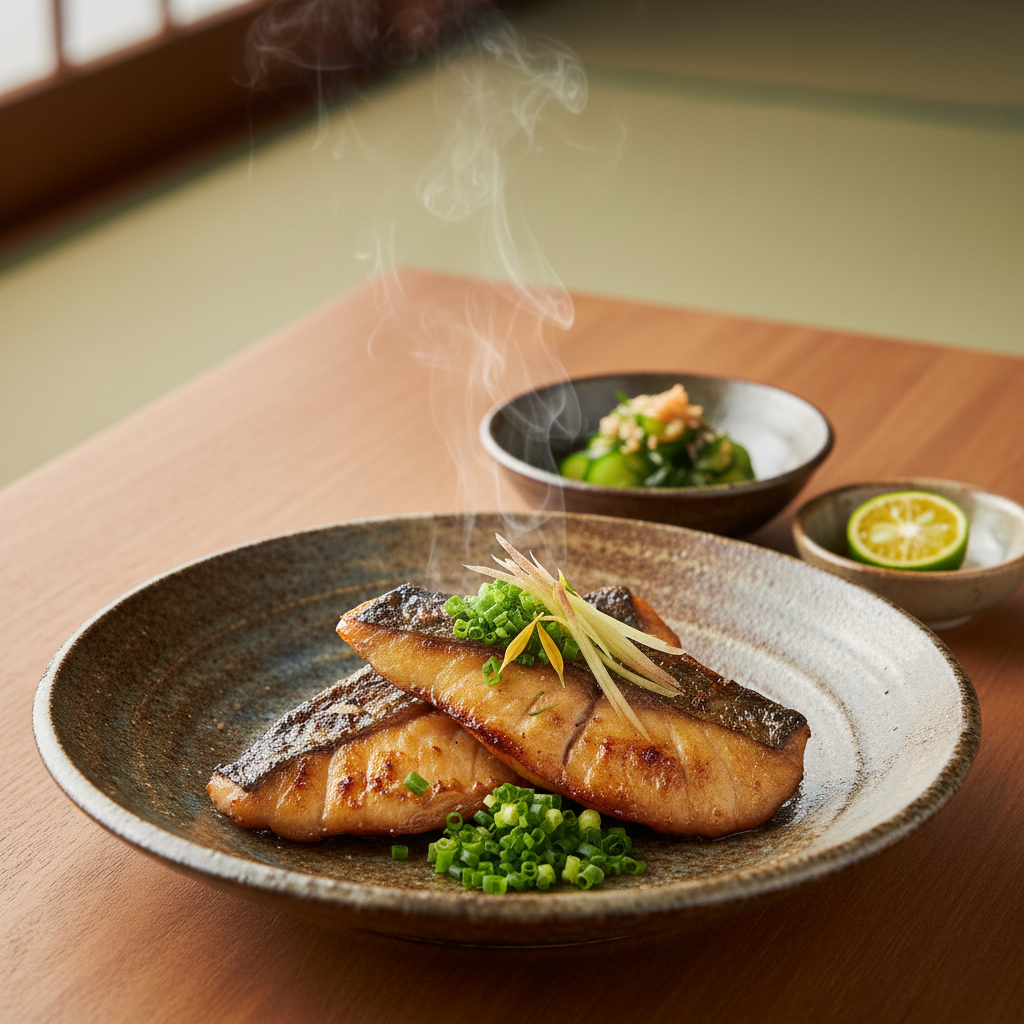
Grilled conger is a traditional local dish of Kyoto Prefecture made with conger (hamo). Conger is a large fish of the order Anguilliformes that can exceed one meter in length and is characterized by having many small bones. Only through the advanced technique of “bone cutting” (honekiri) to process these small bones can conger be prepared deliciously.
In Kyoto cuisine, conger holds a special position as a summer ingredient. It has extremely strong vitality and could be transported alive from the sea to Kyoto, which is far from the ocean, so it has been valued since ancient times when refrigeration technology did not exist. Particularly because it is eaten during the Gion Festival season, it is also called the “hamo festival” and has become an indispensable element in discussing Kyoto’s food culture.
History, Origins, and Related Events
Reasons Conger is Beloved in Kyoto
Kyoto, being a basin far from the sea, had difficulty obtaining fresh fish since ancient times. However, conger has exceptionally strong vitality compared to other fish and can be transported alive even during summer. This characteristic supported the development of conger cuisine in Kyoto.
During the Edo period, conger caught in Osaka Bay and the Seto Inland Sea was transported to Kyoto using water transportation via the Yodo River system. Conger, which does not spoil easily even in the hot summer months, became a valued protein source cherished by Kyoto’s people.
Deep Connection with the Gion Festival
The Gion Festival, held in July, is known as one of Kyoto’s three major traditional festivals. Because the peak season for conger coincides with the Gion Festival period, eating conger has become a summer symbol in Kyoto. The custom of “eating conger at the Gion Festival” holds an important position in Kyoto’s food culture.
During the Gion Festival period, various conger dishes are served at traditional restaurants and kaiseki establishments, and opportunities to enjoy conger increase in households as well. Conger during this season is fatty and especially delicious, earning the alternate name “hamo festival,” making it an indispensable ingredient in Kyoto’s summer.
Connection with Restaurant Culture
Grilled conger is rarely prepared in homes and is primarily served at traditional restaurants and kaiseki establishments. This is because the bone-cutting technique for conger is highly advanced. The bone cutting that involves making 24 knife cuts within one sun (approximately 3 centimeters) is a technique passed down through years of training and has become a skill symbolizing the tradition of Kyoto cuisine.
Major Transmission Regions and Food Source Areas
Transmission Regions in Kyoto Prefecture
While grilled conger is a local dish enjoyed throughout Kyoto Prefecture, traditional cooking methods are particularly preserved in restaurants and kaiseki establishments within Kyoto City. Additionally, the Tango region serves dishes made with locally caught conger.
In the geisha districts of Kyoto City such as Gion and Pontocho, conger dishes have played an important role as summer entertainment cuisine. In these areas, traditional Kyoto cooking techniques are still carefully preserved today.
Main Ingredients Used and Their Source Areas
Conger Source Areas
While several tons of conger are caught annually in the Tango region of Kyoto Prefecture, most of the conger consumed in Kyoto is sourced from the following areas:
- Seto Inland Sea (Hyogo Prefecture, Okayama Prefecture, Hiroshima Prefecture, etc.)
- Genkai-nada (Fukuoka Prefecture, Saga Prefecture, etc.)
- Osaka Bay
- Waters off Wakayama Prefecture
Particularly, conger from the Seto Inland Sea is highly evaluated for its quality and is preferred by Kyoto restaurants. Conger inhabits waters affected by warm currents, and the peak season is summer (June to August).
Other Ingredients
Grilled conger uses the following ingredients:
- Plum paste (umeshiso): Fresh acidity highlights the umami of conger
- Green shiso: Adds aroma and color
- Kyoto vegetables: Seasonal vegetables are sometimes added
- Yuzu: Used for flavoring
How to Prepare Grilled Conger
Ingredients (serves 2)
- Conger (bone-cut): 200g
- Plum paste: 1 tablespoon
- Green shiso leaves: 4 leaves
- Salt: a pinch
- Sake: 1 tablespoon
- Mirin: 1 teaspoon
- Light soy sauce: 1/2 teaspoon
Preparation
- Bone Cutting of Conger: Purchase conger that has been bone-cut at a specialty shop or request the service from a chef. Bone cutting is an advanced technique involving 24 knife cuts within one sun (approximately 3cm).
- Blanching Conger: Pass the bone-cut conger through boiling water, and as soon as the flesh opens, immediately place it in ice water. This process is called “otoshi” and allows conger to open like a plum blossom in a beautiful form.
- Remove Moisture: Thoroughly pat dry the blanched conger.
Cooking Steps
Basic Grilling Method
- Lightly salt the conger and let it sit for about 10 minutes.
- Wipe away the released moisture with paper towels.
- Mix sake and mirin together and thinly coat the conger’s surface.
- Heat a grill net or broiler and grill the conger skin-side down over medium heat.
- Once the skin side is browned, flip and lightly grill the flesh side as well. About 5-7 minutes total is the standard.
- Thinly brush light soy sauce with a brush and grill for another 30 seconds or so to bring out a fragrant aroma.
Plating
- Line a dish with green shiso leaves.
- Plate the grilled conger.
- Add plum paste and it’s complete.
Cooking Tips
- Heat Level: Using high heat will cause the flesh to shrink, so grilling slowly over medium heat is important.
- Avoid Overcooking: If conger is cooked too much, the flesh becomes tough, so proper timing is essential.
- Skin Handling: Thoroughly grilling the skin side improves fragrance and texture.
Occasions and Seasons for This Dish
Peak Season
Conger has two main peak seasons:
Summer (June–August)
From early summer through the height of summer is considered the most delicious period. Conger during this season is fatty, has tender flesh, and pleasant sweetness. Particularly during the Gion Festival (July), it becomes the center of Kyoto’s food culture as the “hamo festival.”
Autumn (October–November)
Called “remaining conger” or “declining conger,” conger before spawning has firm, tight flesh and offers a different kind of deliciousness.
Dining Opportunities
Gion Festival
During the Gion Festival in July, various conger dishes are served at restaurants and kaiseki establishments throughout Kyoto City. Many people enjoy conger cuisine during the evening fair and float procession season.
Summer Entertainment and Banquets
Conger dishes have become standard as summer entertainment cuisine at Kyoto restaurants. They are valued as a course component that evokes a sense of coolness.
Home Dining
In recent years, bone-cut conger has become available at supermarkets, allowing more people to enjoy it at home. Traditionally, however, it is positioned as a dish to be enjoyed at restaurants and kaiseki establishments.
Dining Methods and Variations
Basic Way of Eating
Grilled conger is most commonly eaten with plum paste. The acidity of the plum paste enhances the mild flavor of conger, making it refreshing to eat during hot summer months. The aroma of green shiso also enhances the overall freshness of the dish.
Other Conger Dishes
Various conger dishes are enjoyed in Kyoto besides grilled conger:
Conger Otoshi (Blanched)
Bone-cut conger briefly dipped in boiling water and chilled in ice water. Eaten with plum paste or vinegar miso. The sight of conger opening like a plum blossom is beautiful and it is a summer staple.
Conger Sushi
Grilled conger placed on vinegared rice in the form of pressed sushi. Enjoyed as a special dish during Gion Festival season.
Conger Tempura
Bone-cut conger prepared as tempura. The contrast between the crispy batter and tender flesh of conger is enjoyable.
Conger Hot Pot
A conger hot pot dish enjoyed from autumn through winter. Conger and vegetables are simmered in kombu broth.
Conger Escabeche
Fried conger pickled in sweet vinegar. Has good preservability and is an easy dish to prepare at home.
Preservation and Transmission Efforts
Transmission of Traditional Techniques
Training of Chefs
Conger bone-cutting is considered particularly advanced among Kyoto cooking techniques. Traditional restaurants and kaiseki establishments carefully transmit this technique to young chefs. Mastering bone-cutting technique requires several years to over a decade of training, and instruction from experienced chefs is essential.
Education at Cooking Schools
Kyoto’s culinary schools and cooking academies position conger cooking techniques as important curriculum. Students learn the fundamentals of conger dishes, including bone-cutting, through hands-on training.
Contemporary Efforts
Product Development
In recent years, the following products have been developed to allow people to easily enjoy conger dishes at home:
- Pre-cut packaged conger
- Frozen conger products
- Retort conger dishes
- Conger-based processed products (fish paste, etc.)
These products allow people to enjoy conger cuisine without specialized techniques.
Utilization as a Tourism Resource
Kyoto City and Kyoto Prefecture actively promote conger cuisine as a tourism resource. During Gion Festival season, “conger cuisine campaigns” are implemented, providing tourists opportunities to experience Kyoto’s food culture.
Information Sharing on Social Media
Traditional restaurants, kaiseki establishments, and food suppliers use Instagram, Facebook, and other social media to share the appeal of conger dishes. Beautiful plating and cooking process videos are shared, spreading Kyoto’s food culture to younger generations.
Food Education Activities
Provision in School Lunches
Some schools within Kyoto Prefecture provide conger dishes in school lunches as part of food education to learn about regional food culture. This provides children opportunities to become familiar with local dishes.
Cooking Classes
Cooking classes for conger dishes are sometimes held in Kyoto City. These are popular as valuable opportunities to receive direct instruction from professional chefs.
Kyoto Prefecture’s Local Food Culture
Characteristics of Kyoto Cuisine
Kyoto Prefecture’s local cuisine possesses a unique food culture cultivated over long history. Various factors have supported the development of Kyoto cuisine, including the geographical conditions of a basin far from the sea, influences from imperial court culture and temples/shrines, and seasonal Kyoto vegetables.
Grilled conger is one dish that embodies the characteristics of Kyoto cuisine. It concentrates the essence of Kyoto cooking: cooking methods that bring out the best of ingredients, respect for seasonality, and beautiful presentation.
Other Local Dishes of Kyoto Prefecture
Kyoto Prefecture has many local dishes besides grilled conger:
- White Miso Zoni: The New Year soup essential to Kyoto
- Bara-zushi: Vibrant sushi eaten at festivals and celebrations
- Manjuji Pepper and Dried Fish Simmering: Home cooking using Kyoto vegetables
- Ebi-imo and Salt Cod Simmering: A Kyoto winter staple
- Bamboo Shoot with Kinome Dressing: A spring dish representing Kyoto
These dishes are deeply connected to their respective seasons and events, telling the richness of Kyoto’s food culture.
Food Culture of the Tango Region
The Tango region in northern Kyoto Prefecture faces the Japan Sea and is blessed with fresh seafood. In this region, local cuisine has developed centered on conger caught locally and various other seafood.
The food culture of the Tango region has unique characteristics distinct from Kyoto City’s Kyoto cuisine, with hearty fishing town dishes and simple home cooking using local ingredients being passed down.
Nutritional Value and Health Benefits
Conger is not only delicious but also a highly nutritious ingredient.
Main Nutrients
- High Protein: Contains abundant high-quality protein
- Vitamin A: Helps maintain skin and mucous membrane health
- Vitamin E: Has antioxidant properties and is effective for anti-aging
- DHA and EPA: Unsaturated fatty acids abundant in white fish, effective at improving blood circulation
- Calcium: Essential mineral for bone and tooth health
Health Benefits
Conger is low in calories and high in protein, making it suitable for those on diets. It is also effective for preventing summer fatigue and is ideal for nutritional supplementation during hot seasons. One reason conger has been eaten in Kyoto since ancient times is thought to be these nutritional advantages.
How to Enjoy Grilled Conger
Points When Purchasing
When purchasing conger, pay attention to the following:
- Freshness: Choose conger with clear eyes and firm flesh
- Bone Cutting: Purchase from a specialty shop where bone-cutting has been done professionally
- Size: Medium-sized conger (approximately 50-70cm) is considered most delicious
Places to Eat
Many traditional restaurants and kaiseki establishments throughout Kyoto City serve conger dishes. Particularly in areas such as Gion, Pontocho, and Kiyamachi, there are renowned establishments serving traditional conger cuisine.
During summer, many establishments offer special courses such as “conger kaiseki.” As many restaurants require reservations, it is recommended to confirm in advance.
Tips for Enjoying at Home
When preparing grilled conger at home, the following points are helpful:
- Purchase bone-cut conger
- Blanching before grilling results in a more authentic flavor
- Commercial plum paste is sufficient for delicious results
- Can be prepared using a fish broiler or toaster oven
Conclusion
Grilled conger, as a representative local dish of Kyoto Prefecture, has been nurtured through long history. This dish concentrates the characteristics of Kyoto’s food culture: deep connection with the Gion Festival, advanced cooking techniques, and respect for seasonality.
In modern times, while traditional techniques are being preserved, new efforts are also progressing, such as making the dish accessible for home cooking and utilizing it as a tourism resource. When visiting Kyoto, be sure to taste authentic grilled conger and experience the depth of Kyoto’s food culture.
Additionally, if bone-cut conger can be obtained, it is a dish that can be attempted at home. Within the simple flavor complemented with plum paste, one can feel the summer breeze of Kyoto. Transmitting this traditional local cuisine to the next generation through our appreciation of Japanese food culture is our important role.